REVIEW · BUENOS AIRES
Nazis in Buenos Aires: a historical walking tour
Book on GetYourGuide →Operated by Klio Tours · Bookable on GetYourGuide
Nazis in Buenos Aires is not what you expect. This 2.5-hour historical walking tour connects Recoleta, Retiro, and Microcentro to WWII aftershocks, guided by Max, a University of Buenos Aires history teacher, with stops tied to Eichmann and Nazi-era gatherings. You start near the Monument to Juana Azurduy and finish at the memorial site connected to the former Israeli embassy.
I love two things most about this experience. First, I like how Max keeps it evidence-minded and respectful of uncertainty, even when discussing controversial claims, and he supports key points with relevant visuals. Second, I like the route itself: it threads from recognizable landmarks to the ABC Restaurant bombing site and on to the Nazi-meeting backdrop at Luna Park, so the story never feels abstract.
One drawback to consider: the subject matter is heavy and very political, and the tour isn’t suitable for children under 10. You’ll also be on your feet a fair amount, so plan around comfortable shoes and a short walking pace rather than expecting wheelchair access.
In This Review
- Key highlights to look forward to
- Why this Nazi-in-Buenos-Aires walk feels different
- Meet Max at Juana Azurduy: start point, vibe, and pacing
- The route lesson: why Recoleta, Retiro, and Microcentro matter
- Luna Park Stadium: the 15,000-seat Nazi-meeting backdrop (outside access)
- ABC Restaurant: where the story turns from ideology to real-world terror
- Museo de Armas de La Nación: weapons history as political context
- Palacio San Martín: Perón debates in real city space
- Italian Circle of Buenos Aires: social networks and the afterwar question
- A 1960s neo-Nazi thread, plus the Eichmann story
- Finishing at Plaza Embajada de Israel: Jewish memory made visible
- Price and value: is $25 worth it?
- Who should book this tour (and who might not)
- Should you book Nazis in Buenos Aires?
- FAQ
- How long is the walking tour?
- How much does it cost?
- What language is the tour in?
- Where does the tour start and end?
- What’s included in the price?
- What isn’t included?
- Is there a restroom break?
- Is it suitable for kids or wheelchair users?
Key highlights to look forward to
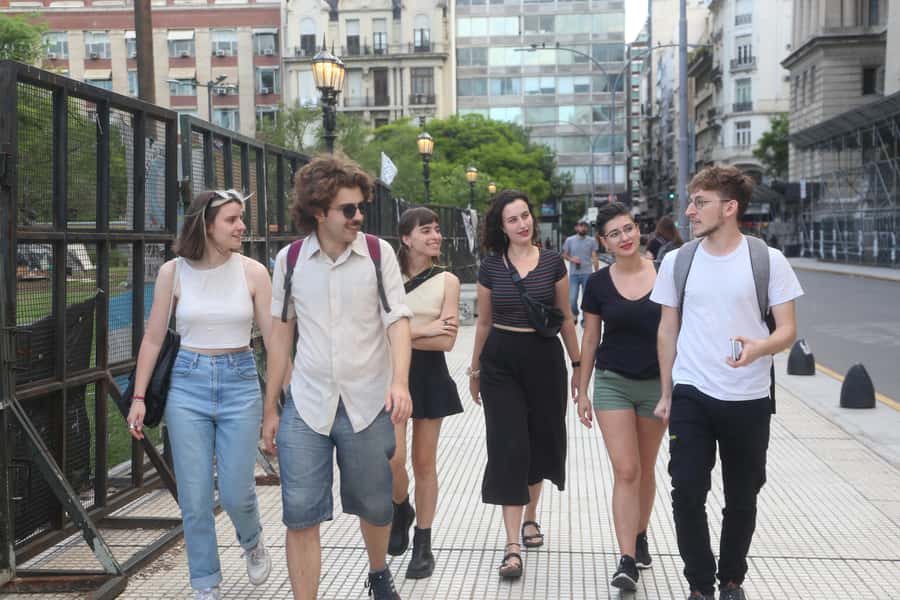
- English guidance from Max (University of Buenos Aires teacher), with Q&A that stays grounded in sources
- Eichmann-linked stop(s), including the story of him sitting for a cup of coffee and how his identification and capture unfolded
- Luna Park’s Nazi-era meeting backdrop, tied to a 15,000-seat gathering
- ABC Restaurant bombing location connected to the worst terrorist attack in Latin America
- A spot connected to neo-Nazi activity in the 1960s, not just WWII history
- A finish at Plaza Embajada de Israel, aligned with the memorial of the former Israeli embassy
Why this Nazi-in-Buenos-Aires walk feels different
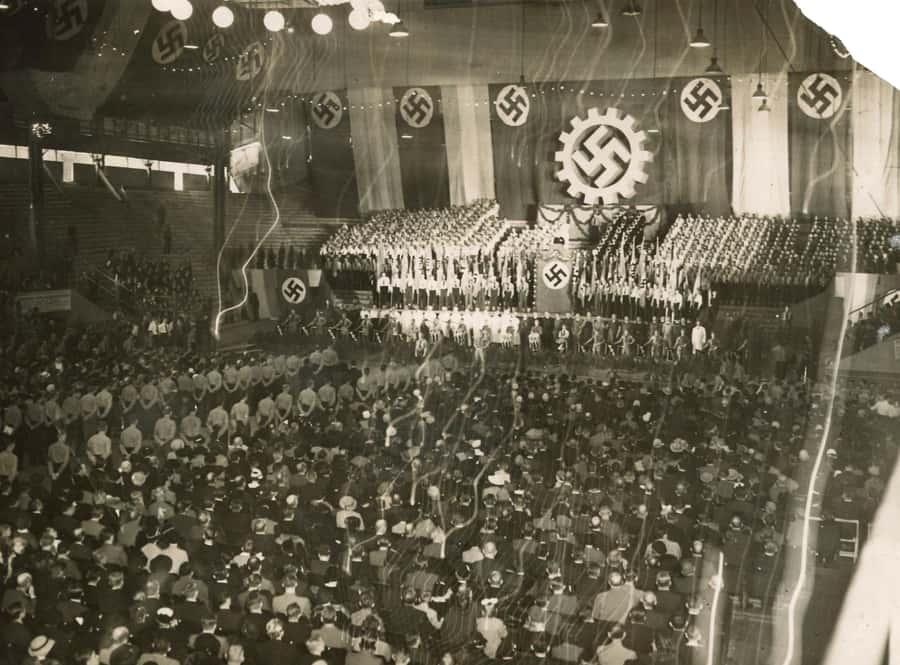
This tour doesn’t treat history like a trivia game. It’s built around real Buenos Aires streets and buildings, with the uncomfortable question front and center: was Argentina a refuge for Nazi war criminals, and what did the government know or help with after 1945?
What makes it work is the balance. You get the Nazi and Holocaust thread, but you also get the local Argentine political context, including debates around Juan Domingo Perón. That matters because it’s much easier to understand why a country might tolerate, deny, or hide something when you see the domestic incentives at play.
And yes, the tone is serious. One of the most affecting stops ties directly to the ABC Restaurant bombing, the worst terrorist attack in Latin America. That shift from “postwar debate” to “this violence leaves scars” lands hard—in a good way, because it keeps the topic from turning into a clean classroom story.
You can also read our reviews of more walking tours in Buenos Aires
Meet Max at Juana Azurduy: start point, vibe, and pacing
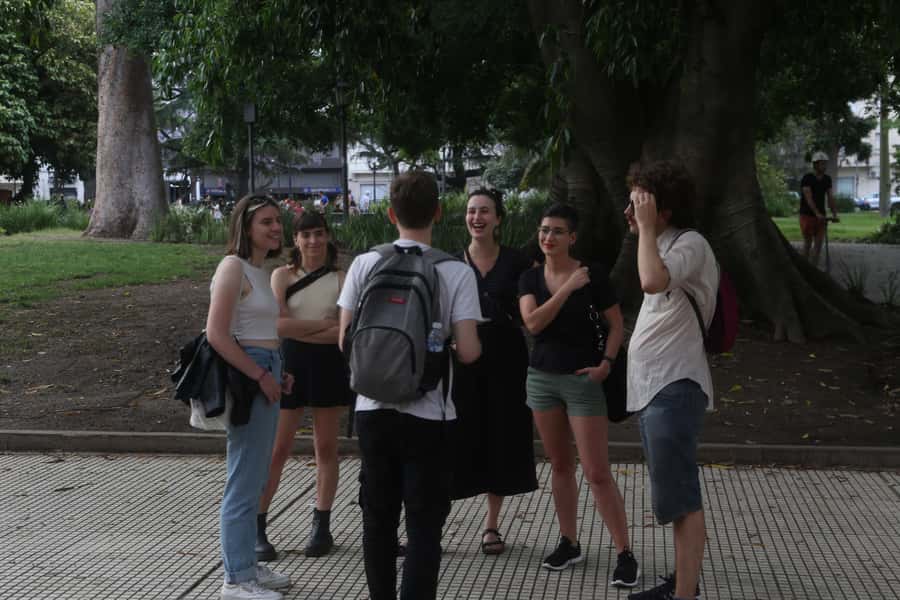
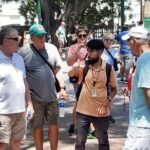
You meet at the Monumento a Juana Azurduy, a few meters away, with Max wearing a black cap by the benches facing the Libertad Palace (formerly known as the CCK). It’s an easy orientation point and you get going quickly.
The walk runs about 2.5 hours, and each stop is given time to breathe—roughly 20 minutes at each main site. There’s also a 10-minute restroom pause, which is exactly the kind of practical detail you appreciate once you’re standing in the city listening carefully.
In terms of vibe, this isn’t a “walk and point” setup. Max leads with a teacher’s structure, and then he stays flexible for questions. In the best moments, you can tell he’s built the tour around discussion, not monologues.
The route lesson: why Recoleta, Retiro, and Microcentro matter
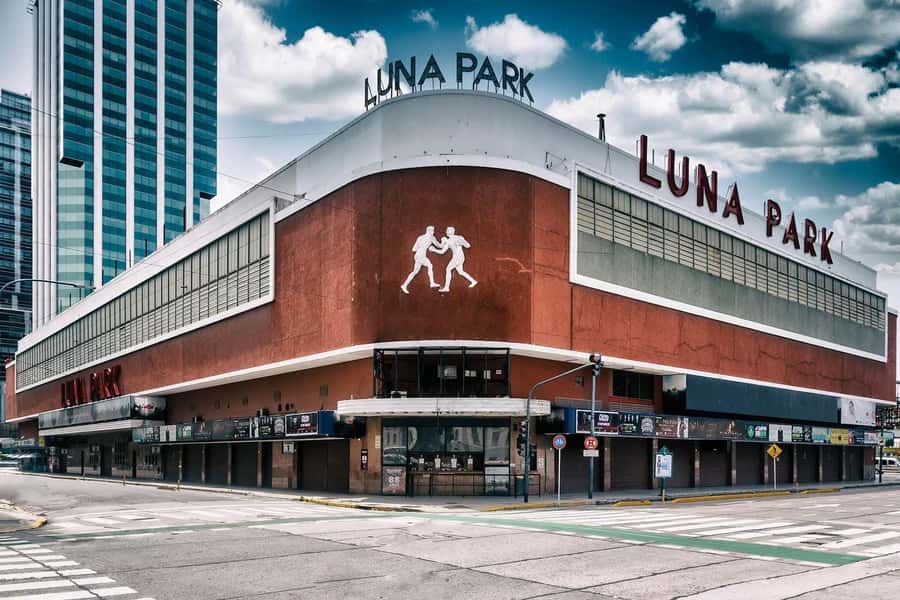
This is one of those tours where geography is part of the argument. Recoleta and Retiro aren’t just pretty neighborhoods here; they’re where you can connect institutions, social circles, and public spaces to larger political currents after the war.
As you move through Microcentro and into the Recoleta-side atmosphere, you’re basically watching Buenos Aires show you layers of influence—European communities, military and security-related spaces, and the civic buildings people still pass today. It’s the difference between reading about a period and seeing how the city keeps those stories in plain view.
If you’re coming in with at least a basic grip on WWII and the Holocaust, you’ll follow the debate threads much faster. If not, Max will answer questions and you can still keep up—just expect more “build the context first” than “facts only.”
Luna Park Stadium: the 15,000-seat Nazi-meeting backdrop (outside access)
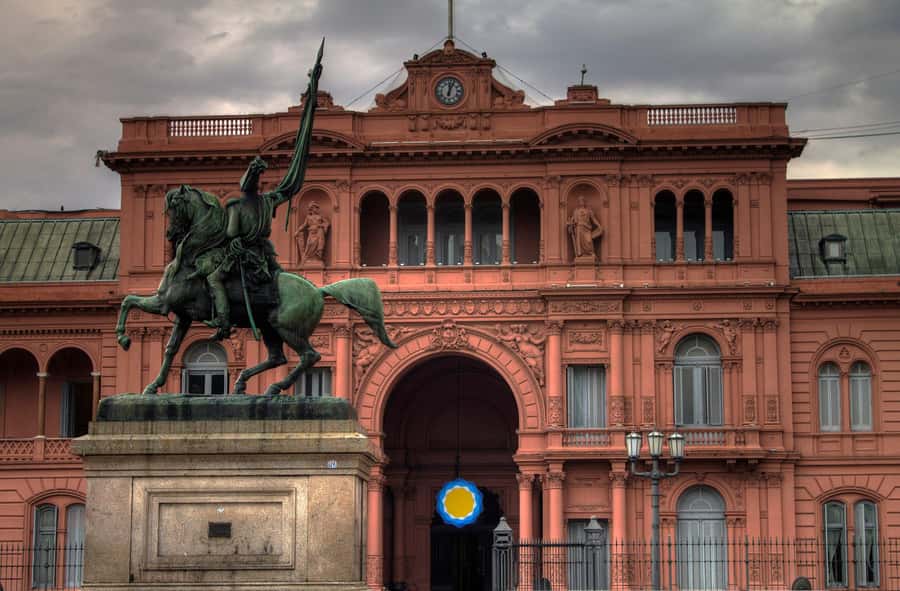
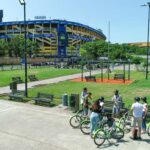
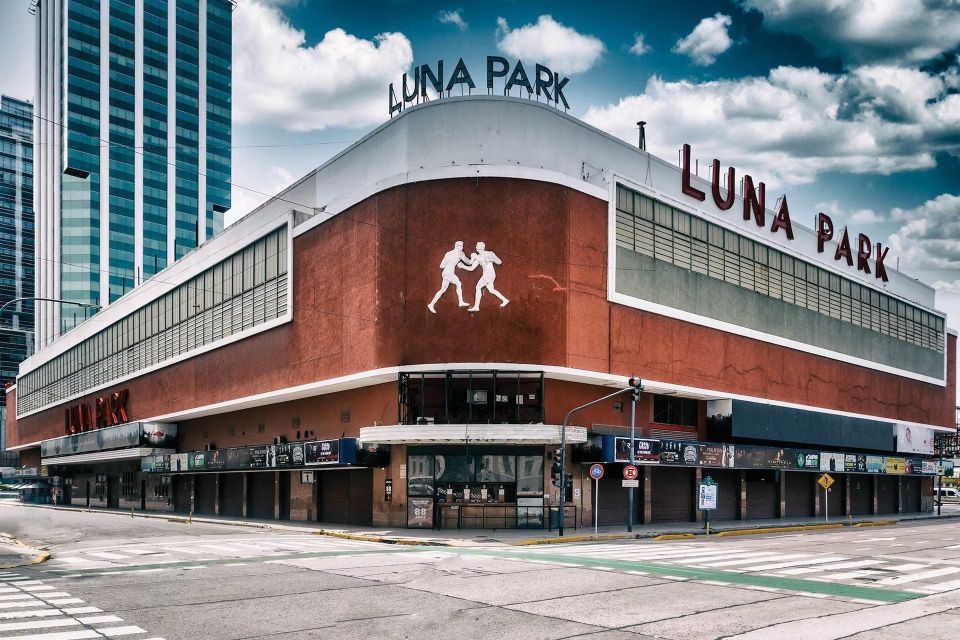
One stop on the walk is Luna Park Stadium. Even without entry, you get the real power of this kind of tour: the setting is still there, and the building’s current look forces your brain to reconcile past and present.
The key point tied to this place is the Nazi-era meeting connected to a 15,000-seat gathering. Standing outside it makes the scale harder to shrug off. And it also helps you see how public venues and social prestige can be used for politics—especially when a movement is trying to appear legitimate or organized.
A practical note: you don’t need to buy tickets for the stadium itself. The tour is designed to use the outside space and the surrounding architecture as context.
ABC Restaurant: where the story turns from ideology to real-world terror
Then you hit the ABC RESTAURANT stop. This is where the tour acknowledges something that should never feel theoretical: the worst terrorist attack in the history of Latin America.
The value of including this site is tone control. It keeps the conversation about Nazis in Buenos Aires from staying trapped in postwar immigration debate. Instead, it reminds you that violence isn’t just history—it’s a lived event, with consequences for communities and memory.
In a good guiding moment, you’ll get the sense of why the tour frames Jewish community fate in Buenos Aires as central—not a side topic. The Holocaust and Europe’s machinery are part of the story, but local Jewish life and local attacks are also essential to understanding why these debates still matter.
You can also read our reviews of more historical tours in Buenos Aires
Museo de Armas de La Nación: weapons history as political context
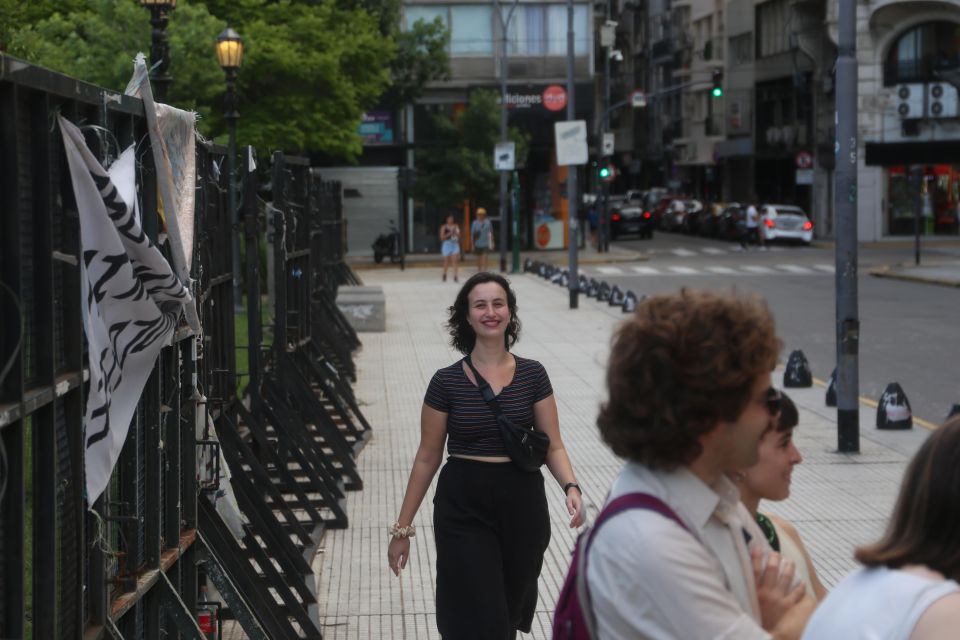
Next comes the Museo de Armas de La Nación Tte. Gral. Pablo Riccheri stop. Even if you don’t have a museum background, this is a smart placement in the walk.
Weapons and security aren’t just objects here; they’re part of the ecosystem that surrounds power. In postwar conversations about Nazi war criminals, you can’t fully separate ideology from institutions—who has influence, who controls information, who shapes enforcement, and who benefits from quiet arrangements.
The museum stop also gives your brain a “pause and reflect” moment in between more pointed memorial and debate stations. It’s like the tour is telling you: before you judge what happened after 1945, look at the machinery that can make it possible.
Palacio San Martín: Perón debates in real city space
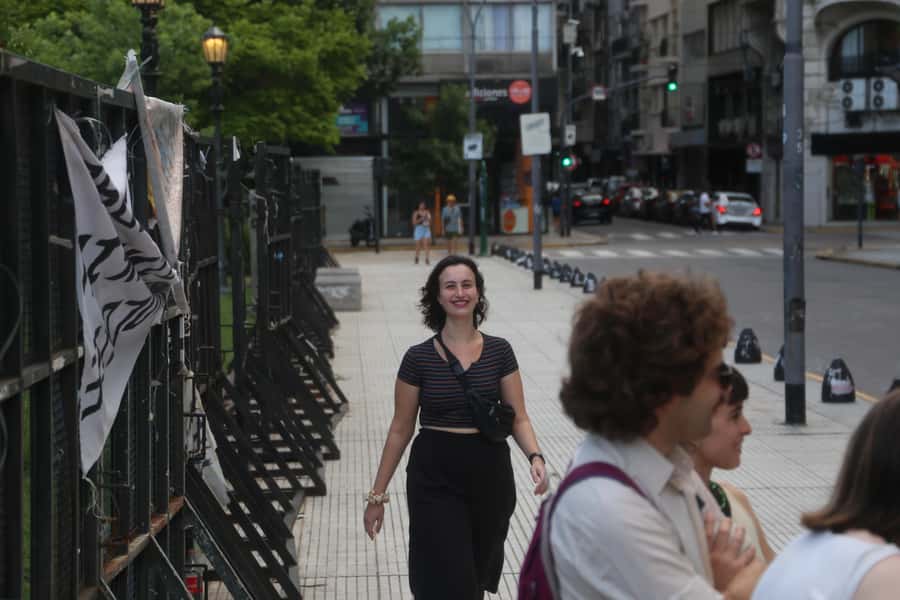
Palacio San Martín is another key waypoint. This is where the tour leans into the question of Juan Domingo Perón—arguably the most important political figure of Argentina’s 20th century—and the debates around his presidency.
Why is a palace a good teaching tool for this? Because political power likes symbols. When you’re standing in front of a prominent government-related building, it’s easier to talk through how policy choices might be framed publicly versus what could happen behind closed doors.
This stop is also useful if you’re the type who worries about “one-note history.” You’ll hear the argument framed in a way that tries to account for Argentina’s complexity—without turning everything into a simple good-versus-bad story.
Italian Circle of Buenos Aires: social networks and the afterwar question
At the Italian Circle of Buenos Aires stop, the tour shifts toward the social layer of history. After 1945, migration, community organizations, and elite networks could all influence what people knew and what got overlooked—or even encouraged.
This is where you’ll be nudged to ask more pointed questions: Who connected with whom? Which organizations had access to information? How did the public sphere and private circles intersect?
The best part is that you’re not just memorizing names. You’re learning how to think about the relationship between immigration, politics, and secrecy. That’s the kind of skill that makes future reading and museum visits click.
A 1960s neo-Nazi thread, plus the Eichmann story
The tour also includes a stop that focuses on a place connected to a neo-nazi attack in the 1960s. That detail is important because it refuses to treat Nazism as a WWII event locked in a box. It shows how ideas can keep traveling, reappearing, and mutating—even after the war ends.
And then there’s Adolf Eichmann. You’ll learn the spy-like story of his identification and capture, and you’ll discover a place tied to him sitting for a cup of coffee. Even if you know the headline history, these Buenos Aires-specific moments make it feel concrete—like the city itself played a role, however indirectly, in the story’s trail.
Just keep in mind: the tour is built for historical debate and context, not for sensational shock value. The guide’s style helps you hold uncomfortable facts without turning them into spectacle.
Finishing at Plaza Embajada de Israel: Jewish memory made visible
The walk ends at Plaza Embajada de Israel, tied to the memorial site of the former embassy of Israel. This finish isn’t just a dramatic closing point. It’s where the tour’s emphasis on the Jewish community in Buenos Aires—described as the second largest in the whole continent—lands with weight.
From here, the tour encourages you to connect several threads: WWII and the Holocaust, postwar migration and its controversies, local Jewish life, and why memorial spaces matter in keeping history from being erased or edited away.
If you like your history with moral clarity, this ending hits that nerve. If you prefer complexity, it still works, because the memorial doesn’t ask you to choose a slogan—it asks you to remember what happened and why it’s part of the city’s story.
Price and value: is $25 worth it?
At $25 per person, this is very strong value for two reasons. First, you’re buying a guided, English explanation led by a history teacher, which you simply can’t replicate with self-guided walking in the same amount of time. Second, you’re paying for structure: stops spaced through real neighborhoods, with enough time at each site to build context instead of rushing through photos.
The walking itself is a key part of the value. You’re not paying $25 to see a single museum or a single plaque; you’re paying for a narrative route across major Buenos Aires areas linked to WWII and its aftermath.
What you won’t get is paid entry to several places. The tour doesn’t include entry to Casa Rosada, the Libertad Synagogue, or Luna Park Stadium. That’s not a deal-breaker—most of the teaching value comes from the street-level settings—but it’s worth knowing up front so expectations match reality.
Who should book this tour (and who might not)
You’ll get the most from this experience if you:
- enjoy history that connects politics, communities, and contested claims
- want a structured walk with questions allowed
- can handle heavy topics respectfully
You might skip it if you:
- need wheelchair-friendly access (it’s not suitable for wheelchair users)
- want a light “Buenos Aires highlights” style tour
- are traveling with kids under 10
Should you book Nazis in Buenos Aires?
Yes, I’d book it if you want more than a skyline walk. This tour is serious history told in context, with a guide who stays evidence-minded and willing to address uncertainty, and it uses Buenos Aires landmarks to make the debate feel real.
If the topic sounds too intense, consider whether you’re emotionally ready for terrorism, Holocaust-related themes, and political controversy. If you are ready, this is the kind of tour that leaves you with a sharper map of modern Argentine history—and a reminder that these chapters never really stay in the past.
FAQ
How long is the walking tour?
The tour lasts about 2.5 hours.
How much does it cost?
It costs $25 per person.
What language is the tour in?
The tour is conducted in English.
Where does the tour start and end?
It starts at the Monumento a Juana Azurduy. It ends at Plaza Embajada de Israel.
What’s included in the price?
You get a two-hour walking tour with a live guide.
What isn’t included?
Entry tickets are not included for Casa Rosada, the Libertad Synagogue, or Luna Park Stadium.
Is there a restroom break?
Yes. There’s a 10-minute pause to use the restroom.
Is it suitable for kids or wheelchair users?
It is not suitable for children under 10 years, and it is not suitable for wheelchair users.