REVIEW · BUENOS AIRES
Buenos Aires: Palacio Barolo Entry Ticket and Guided Tour
Book on GetYourGuide →Operated by Travel Argentina · Bookable on GetYourGuide
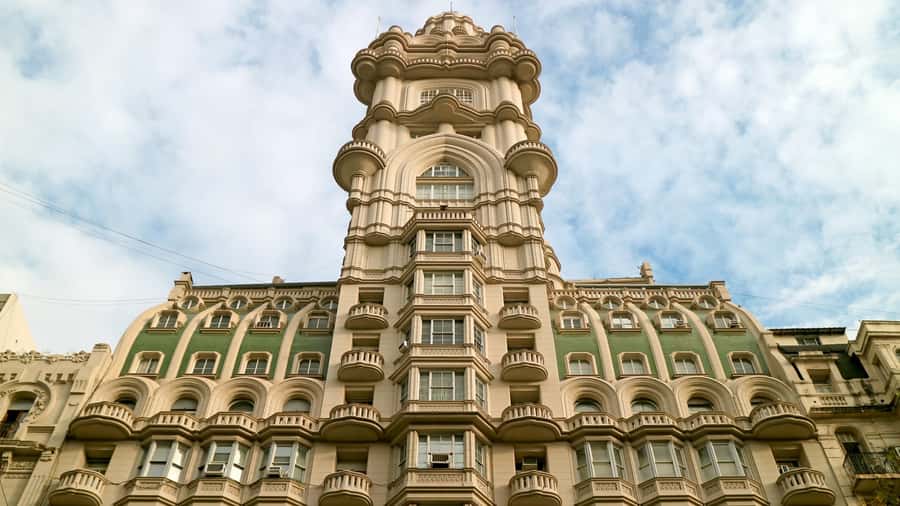
Palacio Barolo feels like a riddle in stone. Step inside this Dante-inspired building to see Art Nouveau/Art Deco details up close, then climb to a lighthouse viewpoint over Buenos Aires. It’s one of those places where architecture isn’t just decoration—it’s storytelling.
What I like most is the design payoff. You walk through lavish corridors and halls shaped by the palace’s theatrical theme, and the guide keeps linking what you see to what the building is trying to say. I also love the ending: the summit views are the kind you remember later when the rest of the day turns blurry.
The main consideration is the climb. Even with an elevator to the 14th floor, the last stretch (8 floors) requires stairs through narrow spaces, and the upper part isn’t for people with mobility impairments. If you’re claustrophobic or very height-sensitive, plan for an alternative option during the climb—your guide can help you choose what to do next.
In This Review
- Key things you’ll notice on this Palacio Barolo tour
- Palacio Barolo: a Dante-inspired Buenos Aires landmark
- Getting in smoothly: showing your ticket at the entrance
- The interiors: Art Nouveau and Art Deco you can actually see
- The climb to the grand lighthouse: stairs, narrow spaces, and photo strategy
- Views over Buenos Aires: 360° city orientation from the top
- The guide matters: bilingual storytelling that stays practical
- How the 90 minutes actually works on the ground
- Price and value: is $67 worth it?
- Who should book this Palacio Barolo tour
- Quick FAQ before you go
- FAQ
- How long is the Palacio Barolo entry ticket and guided tour?
- What’s included with the $67 ticket?
- Do I need to bring anything with me?
- Is transportation included?
- Can I reach the upper floors by elevator?
- Is the tour suitable for people with mobility impairments?
- Where do I go to start?
- Should you book Palacio Barolo?
Key things you’ll notice on this Palacio Barolo tour
- Dante Alighieri’s Divine Comedy theme is built into the building’s symbolism and interior storytelling.
- Art Nouveau + Art Deco details show up throughout the halls and corridors—lots to photograph.
- Bilingual guides (Spanish/English) keep the pace friendly, with room for questions.
- Elevator to the 14th floor, then stairs for the final 8 floors through tighter passages.
- 360-degree lighthouse/terrace views give you a true sense of the city’s scale.
- Skip options during the tight upper climb, so you’re not forced into a route that doesn’t suit you.
Palacio Barolo: a Dante-inspired Buenos Aires landmark
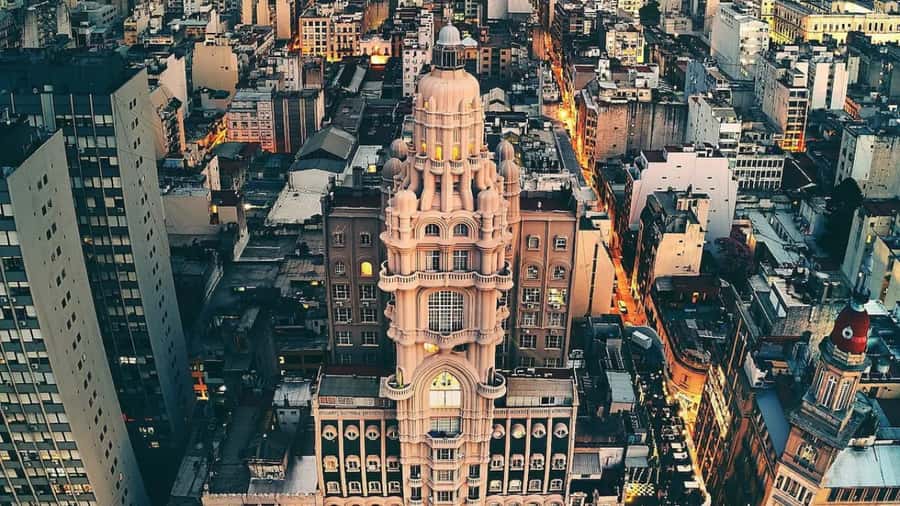
Palacio Barolo is not shy about its ambition. This early-20th-century building takes inspiration from Dante Alighieri’s Divine Comedy, using architecture as a visual map for ideas like ascent, mystery, and transformation. You’ll feel that theme as soon as you start moving through the interior—guides tend to explain how the building’s design choices connect to the story behind it.
For me, the best part is that it’s not just symbolism on paper. You actually get to walk the geometry: ornate halls, decorative textures, and the sense that every turn is meant to lead you upward toward a payoff. If you care about architecture beyond a quick photo stop, this tour has a satisfying “why” behind the details.
Also, it’s a rare Buenos Aires stop that mixes two things that don’t always meet: bookish literary references and hands-on visual design. The result is a palace that feels theatrical, but still grounded in real materials, construction, and craft.
You can also read our reviews of more tours and experiences in Buenos Aires

Getting in smoothly: showing your ticket at the entrance
This experience includes a ticket to Palacio Barolo plus a live guided tour in Spanish and English, and it’s designed to get you moving without unnecessary delays. You show your ticket at the entrance, which is simple and stress-free if you arrive a bit early.
Because you’re doing this as a timed guided experience (around 90 minutes), you’ll get the feeling that the route is set up to keep the flow from start to finish—interior to viewpoint, with enough time to absorb details rather than sprint through rooms.
One practical note: transportation isn’t included, so build in time to get to the palace on your own. If you’re using a taxi/ride share route, I’d treat this like any other city attraction: plan buffer time so you don’t arrive at the exact second and then have to rush.
The interiors: Art Nouveau and Art Deco you can actually see
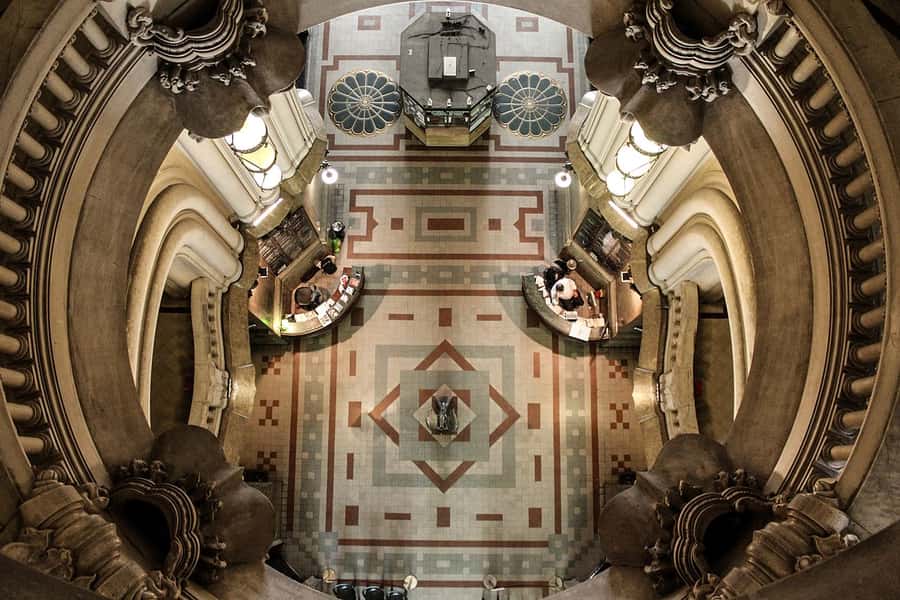
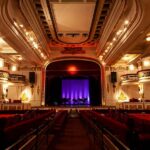
Once you’re inside, the tour focuses on the visual language of the building—especially the Art Nouveau and Art Deco elements that show up in decorations and architectural flourishes. Even if you’re not the type to memorize architectural terms, you’ll have plenty to look at because the guide points out what to notice as you go.
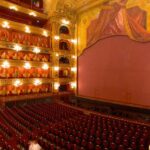
Expect to spend real time in the palace’s decorated interiors: lavishly ornamented halls and corridors where the craftsmanship is the point. This is where your camera will get a workout. The details are the kind you’d miss if you only peeked inside for a minute, and the guide’s job is to help you connect the dots: what you’re seeing, what it’s meant to communicate, and how it fits into the building’s overall Dante-inspired idea.
A big plus is pacing. The tour is structured enough to feel organized, but not so tight that you can’t ask questions. Guides have been described as attentive and flexible—helpful when someone in the group skips part of the upper climb or when people arrive slightly late.
The climb to the grand lighthouse: stairs, narrow spaces, and photo strategy
The highlight isn’t just the building itself. It’s what happens when you go up. From the palace interiors, you move toward the summit area and the grand lighthouse—the beacon-like viewpoint at the top. It’s especially memorable because it used to be one of the tallest structures in South America, and the tour frames that context as you rise through the building.
Here’s the key logistics you should plan around: during the tour, the 14th floor can be reached by elevator, but the final 8 floors must be climbed by stairs, and those spaces can be narrow. That doesn’t automatically mean it’s impossible—but it does mean it’s not a casual walk-up.
If you want to photograph well, this is the part where patience helps. Narrow stairs and higher platforms limit space for everyone’s phones and poses. I’d keep your camera gear simple and be ready to take shots quickly when there’s an opening. Also, if you’re height-sensitive or dislike tight passageways, follow your guide’s lead on where you can stop and still get excellent views.
Views over Buenos Aires: 360° city orientation from the top
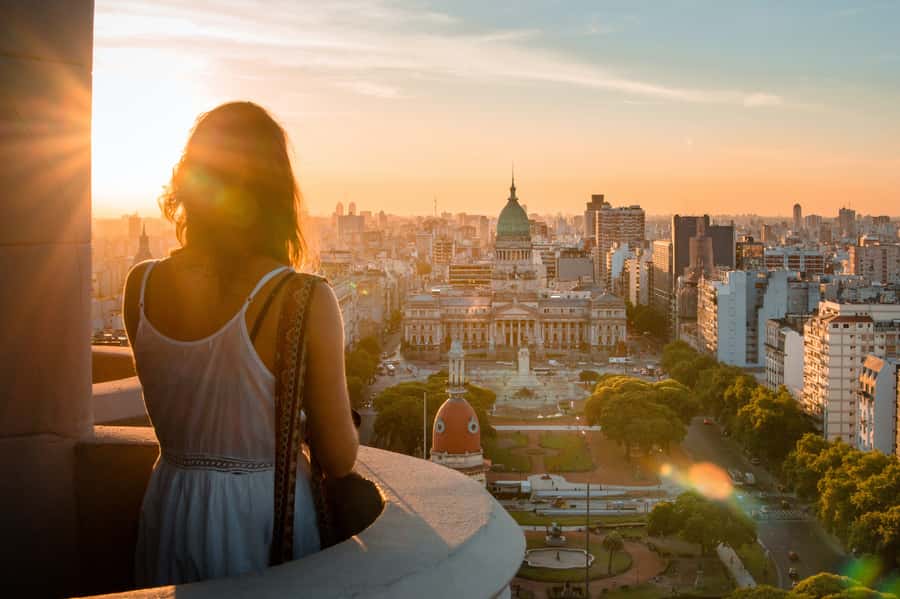
When you reach the viewpoint areas—the lighthouse/terrace zone—the city suddenly makes sense. The tour is built around panoramic sightlines, with 360-degree views that help you understand Buenos Aires’ layout and scale in one sweep. You’ll see busy streets and major landmarks from above, which is a very different perspective from street-level walking.
Timing can matter for mood. One standout theme from people’s experience is that the ending views—especially at the end of the day—can be spectacular. If your schedule has flexibility, I’d try to aim for a later slot so you get a little golden-hour glow without turning it into a late-night slog.
This is also a great moment to take a breath. The tour does a lot of intellectual and visual storytelling inside, but the top is where it clicks into emotion: the building’s theme shifts from art discussion to actual experience of “the ascent.” Even if you’re not a cityscape person, you’ll likely leave with at least a few keeper photos and a better sense of where things are.
You can also read our reviews of more guided tours in Buenos Aires


The guide matters: bilingual storytelling that stays practical
A palace tour lives or dies by the guide, and this one is designed around a live guide who speaks Spanish and English. What I look for in a guide is clarity with energy—and this experience tends to deliver that balance.
You may encounter guides with names like Roxy, Cicillia, Ana, Martina, Silvina, or Veronica, and the common thread is that they connect the building’s details to the bigger story without turning the tour into a lecture marathon. People also note guides being accommodating: stepping in to help with questions, offering to help with photos, and keeping the group included even if someone arrives a few minutes late.
Another detail I appreciate is how the tour handles optional comfort. If the narrow upper section isn’t for everyone, there’s often an alternative plan during the climb—waiting on a lower floor while still staying part of the experience. That’s the kind of practical flexibility that prevents the tour from turning into a stressful “do it all” checklist.
How the 90 minutes actually works on the ground
You’re looking at about 90 minutes total, which is a sweet spot for a building tour. Long enough to feel like you learned something and saw enough to justify the ticket, but short enough that you’re not stuck indoors for hours.
A sensible flow is: ticket check at the entrance → guided interior exploration with emphasis on the palace’s decorative styles and symbolism → climb progression toward the upper floors with the elevator-to-stairs switch → lighthouse/terrace views with photo time → tour finish.
Because the route includes a significant stair segment, treat those last minutes as part of the main event, not an afterthought. If you go in with comfortable shoes and a calm mindset about tight spaces, the climb stops feeling like a chore and starts feeling like part of the story.
Price and value: is $67 worth it?
At $67 per person, this is not the cheapest thing you can do in Buenos Aires. But it’s also not overpriced for what you’re getting on paper: your ticket is included, you get a bilingual guide, you skip the ticket line, and the experience culminates in a lighthouse viewpoint with wide panoramic coverage.
Where value gets tricky is the ceiling on how many floors you’ll actually be able to explore comfortably. The tour includes the elevator access up to the 14th floor, but the last 8 floors are stairs, and some people feel the price doesn’t match the total number of floors they personally reach.
My practical take: this is worth it if you care about architecture and want a guided explanation tied directly to what you’re seeing, plus real city views at the end. If you mostly want a quick exterior photo and don’t care about interiors or the symbolism, you might find the cost harder to justify.
Who should book this Palacio Barolo tour
I think this tour is a strong fit if you:
- Like architecture with a story, not just a list of facts
- Want Art Nouveau and Art Deco details you can spot with help from a guide
- Appreciate panoramic city views and want them from a specific landmark
It’s also a good choice for couples or small groups who want one structured activity that doesn’t eat your whole day. The bilingual format makes it workable for mixed-language groups too, and the tour length keeps it from dragging.
On the other hand, I’d reconsider if you:
- Have mobility impairments, since it’s not suitable for that
- Strongly dislike stairs, or dislike narrow passageways
- Get very uncomfortable with height or tight vertical spaces
Quick FAQ before you go
FAQ
How long is the Palacio Barolo entry ticket and guided tour?
The tour lasts about 90 minutes.
What’s included with the $67 ticket?
You get the Palacio Barolo ticket plus a guided tour with a live bilingual guide (Spanish and English).
Do I need to bring anything with me?
Bring a passport or ID card, and wear comfortable shoes.
Is transportation included?
No. Transportation isn’t included, so you’ll need to arrange how you get to the palace.
Can I reach the upper floors by elevator?
You can reach the 14th floor by elevator, but the final 8 floors require stairs and include narrow spaces.
Is the tour suitable for people with mobility impairments?
No. It’s listed as not suitable for people with mobility impairments.
Where do I go to start?
Show your ticket at the entrance to Palacio Barolo.
Should you book Palacio Barolo?
If you want a Buenos Aires experience that mixes design, symbolism, and a real payoff at the top, I’d book it. The lighthouse views, the Art Nouveau/Art Deco interiors, and the bilingual guided storytelling are a strong combo for the time you spend.
Just go in with the right expectations: this isn’t a fully barrier-free climb, and the upper stairs are tight. If stairs and narrow spaces are a deal-breaker, you’ll probably feel better choosing a different attraction. If they’re manageable, this is one of those tours where the last 15 minutes can make the whole visit feel worth it.