REVIEW · BUENOS AIRES
Buenos Aires: Culture and History Private Tour
Book on GetYourGuide →Operated by Que Hacer en Buenos Aires · Bookable on GetYourGuide
Buenos Aires makes instant sense here. I love how a private guide connects the city’s culture and politics in plain terms, and I like the fast, high-impact stops at Plaza de Mayo and La Boca that help you orient immediately. The one catch: it’s a 4-hour ride, so if you want long museum time or hours in one neighborhood, this won’t be your slow, lingering kind of day.
You’ll get door-to-door pickup and drop-off in an air-conditioned vehicle, which is a lifesaver in Buenos Aires weather swings and tight traffic. The guide quality is a big deal in the reviews too: Laura Dafne is praised for hospitable, nonstop storytelling, and Valeria gets credit for impressive driving that keeps the day flowing.
Expect a mix of quick viewpoint breaks and short walks—enough time to see the important stuff without feeling stuck. You’ll also get symbolism details, like how Floralis Generica opens in the day and closes at night, plus street-artist energy in Recoleta and La Boca.
In This Review
- Key highlights to look forward to
- Buenos Aires in one compact loop: what this tour actually feels like
- Your guide matters: storytelling, pacing, and tailoring
- Recoleta’s steel-flower moment at Floralis Generica
- Plaza Francia: street artists, craft fairs, and classic Recoleta landmarks
- Palermo and the Evita Perón Museum area: see it, and don’t panic about missing descents
- Plaza de Mayo walk: where Buenos Aires explains its politics
- La Boca and Caminito: the color, the sound, and the shopping time
- San Telmo as a bonus flavor: antiques and bohemian bars (maybe from viewpoints)
- Price and value: is $162 per person worth your time?
- Practical tips that help this tour run smoothly
- So, should you book this private Buenos Aires culture and history tour?
- FAQ
- How long is the Buenos Aires Culture and History private tour?
- What does the price include?
- What areas of Buenos Aires will we see?
- Is the tour private?
- What languages are available for the guide?
- Is the tour wheelchair accessible?
- Does the tour run if it rains?
- What should I bring for the tour?
Key highlights to look forward to
- Private, language-matched guiding that keeps you from feeling lost in the big-city noise
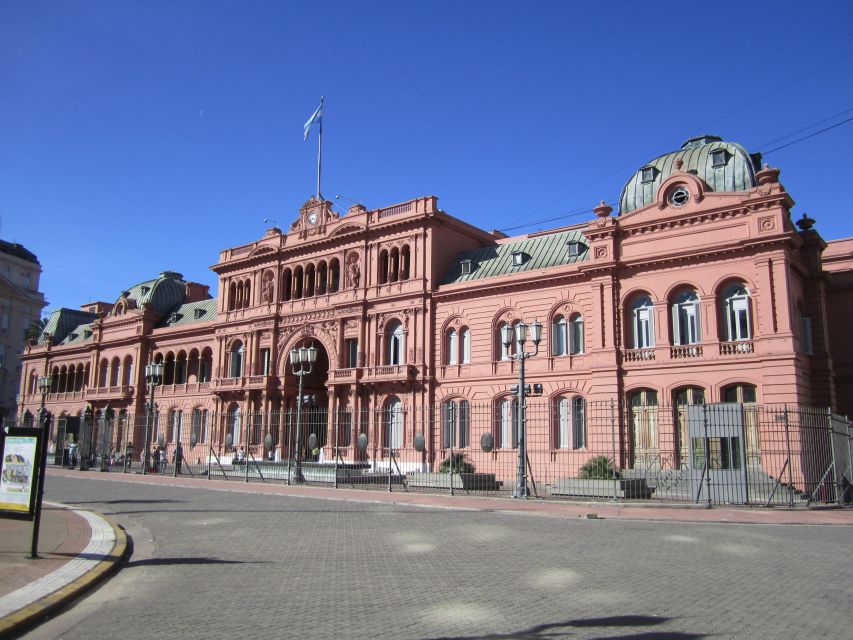
- Plaza de Mayo on foot with time for photos and guided orientation around the Cathedral, Casa Rosada, and Cabildo
- La Boca and Caminito with shopping time for handicrafts and a chance to hear typical music
- Recoleta culture hits, including Floralis Generica and Plaza Francia’s street artists and craft fairs
- Palermo and Evita Perón Museum area stops, with flexibility if you’re not going to descend at every point
- San Telmo flavor as part of the old-neighborhood story, even if you stay mainly on the viewpoints
Buenos Aires in one compact loop: what this tour actually feels like
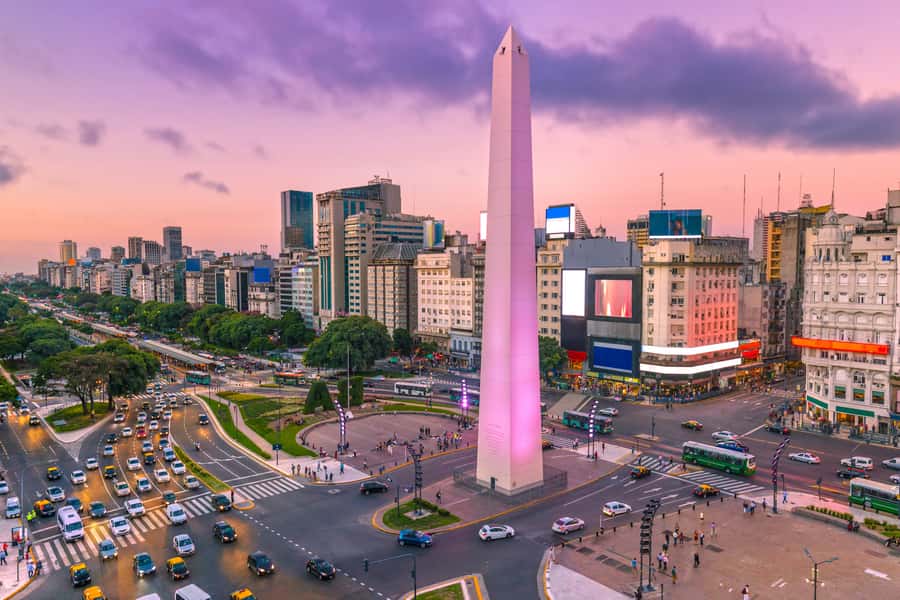
This is the kind of Buenos Aires tour that respects your time. You’re not trying to “see everything” across a huge city grid—you’re getting a curated run through the places that explain how Buenos Aires thinks: power and protest around Plaza de Mayo, identity and symbolism in Recoleta, and the creative, outsider spirit you’ll associate with La Boca.
In practical terms, you’ll ride, stop, look, and walk. Two separate viewpoint moments are scheduled for about 20 minutes each, so you can get the big photo angles and context without turning the whole day into a long march. Then you slow down where it matters: a longer walk in the historic center, and a proper stop in La Boca with shopping time built in.
If you’re the type who likes to connect the dots—who wants to know why Casa Rosada is where it is, and why La Boca looks the way it does—this format works. If you want deep museum immersion, you may feel the time pressure, especially since some locations may be viewpoint-only depending on the plan.
You can also read our reviews of more private tours in Buenos Aires

Your guide matters: storytelling, pacing, and tailoring
This tour is private, and that changes the vibe fast. With a small group (you and your party), the guide can adjust how much background you want and how long you linger. The reviews give a clear pattern: guides lean into storytelling, but they keep it useful, not exhausting.
Laura Dafne is specifically praised for hospitable, endless storytelling through the city’s remarkable points of interest. Another guide mentioned in reviews, Flor, is praised as informative and friendly—exactly the mix you want when you’re trying to learn without feeling lectured. And one review named Averine as a guide who gave the necessary information without overloading first-time visitors, while also tailoring the tour to the group’s interests.
There’s also a real-world comfort factor: Frank’s review mentions excellent driving from Valeria, with smooth pickup and drop-off cycles around each stop. That matters here because the day is structured around getting you to multiple zones quickly.
Recoleta’s steel-flower moment at Floralis Generica
Floralis Generica is one of those Buenos Aires landmarks you instantly recognize once you’ve seen it once. It’s a giant metallic sculpture representing a steel flower with six petals in the Recoleta neighborhood, and it comes with a neat built-in lesson about the city’s sense of symbolism.
Here’s what makes this stop practical for you: it’s not just a photo. Your guide can point out how the structure behaves—opening during the day and closing at night—so you’re not only looking at a shiny object. You’re seeing an idea the city uses in public space: art as a time marker, something you can relate to daily life.
One caution: since this is a private tour with limited time, you’ll likely keep your stay focused on viewing and quick photos rather than a long stroll. Wear comfortable shoes anyway, because even short stops in central Buenos Aires can involve some walking around viewpoints.
Plaza Francia: street artists, craft fairs, and classic Recoleta landmarks
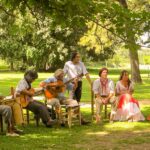
Plaza Francia is in Recoleta, and it has a very specific energy. You’ll see street artists and craft fairs, so it feels more lived-in and creative than a typical museum-adjacent square. This is a good place to practice a simple travel habit: watch first, then ask questions. If you’re curious, a guide can translate what you’re seeing—why it’s there, how it fits the neighborhood, and how locals and tourists share the same space.
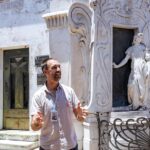
The square also ties in important historical and religious points, including the Monument to France and the Pilar Church. The stop includes nearby sights like Recoleta Cemetery as part of the overall picture. That’s valuable because Recoleta isn’t just one thing—it’s architecture, memory, and everyday street culture all living next to each other.
If you’re hoping for a “quiet square” moment, you might find the street-artist atmosphere is part of the deal. That’s not a flaw; it just means this is the type of place where you’ll want to keep your schedule flexible and enjoy the human noise.
Palermo and the Evita Perón Museum area: see it, and don’t panic about missing descents
This tour includes Palermo highlights and mentions the Evita Perón Museum area, but with an important note: you may not descend at some points. That doesn’t mean you’ll miss the story—it means the experience may be more viewpoint-and-context than step-in-and-explore.
Here’s why that still works for you. If you’re short on time, you get the directional understanding. You see how neighborhoods change as you move, and your guide can connect the dots between everyday urban life and Argentina’s political-culture figures.
Evita Perón is a huge part of that story. The museum is located in the house where Evita lived during the last years of her life. Even if you don’t go inside, having a guide explain the connection between a person and a place makes the area make more sense when you pass it.
Same idea for Bosques de Palermo: it’s a large urban park with lakes, gardens, and walking/biking trails, and it’s a classic Buenos Aires “take a break” space. Even if you don’t descend, learning what the park is and what it’s used for helps you understand why locals go there.
You can also read our reviews of more historical tours in Buenos Aires


Plaza de Mayo walk: where Buenos Aires explains its politics
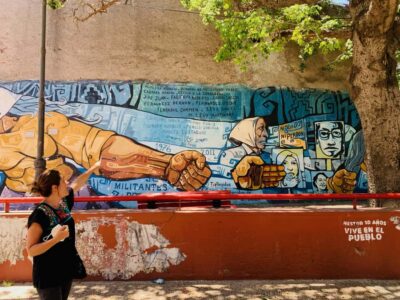
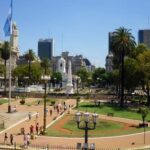
Plaza de Mayo is the historic center’s main stage, and this tour gives you real time here—about 40 minutes for photos, guided tour, and a walk. You’re in the core of major historical and political events, and the architecture tells the rest of the story.
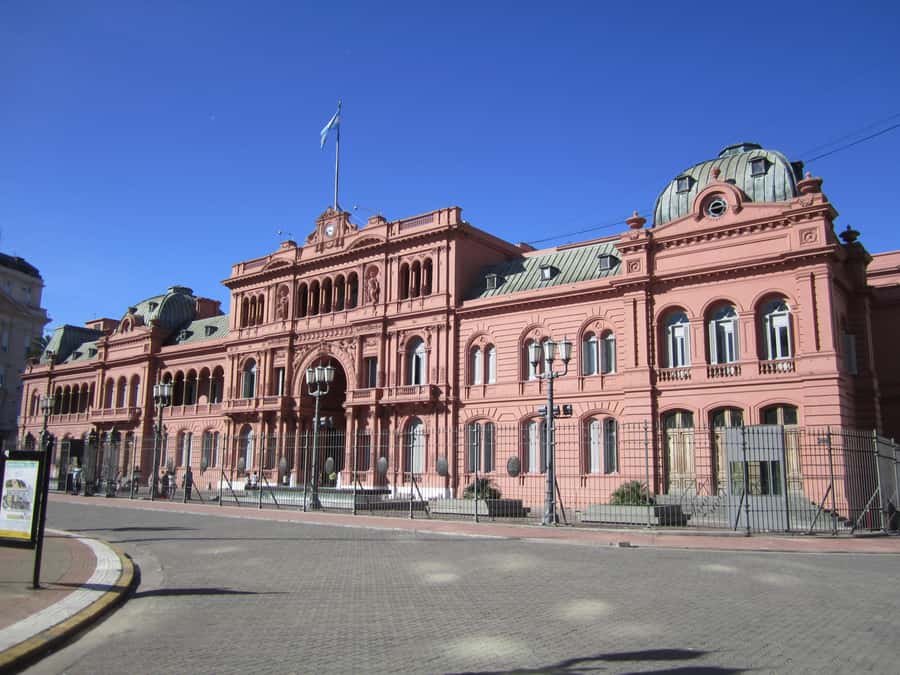
The key landmarks you’ll be oriented to include the Buenos Aires Cathedral, the Casa Rosada, and the Cabildo. That lineup matters because it’s not random sightseeing. It’s the map of how authority and civic life have played out in the city.
What I like about doing this as part of a private tour is that you’re not just staring at buildings. You’re getting a guided explanation of what you’re looking at and why it matters. In a 4-hour day, that’s how you turn a quick stop into real understanding.
One consideration: this is a walking moment, and you’ll want comfortable shoes even if the walk is not long. Also, keep your camera ready for Casa Rosada-style photo angles, but don’t expect this to be a slow strolling picnic. This is a purposeful walk.
La Boca and Caminito: the color, the sound, and the shopping time
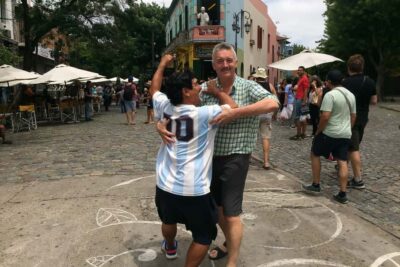
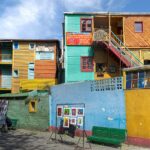
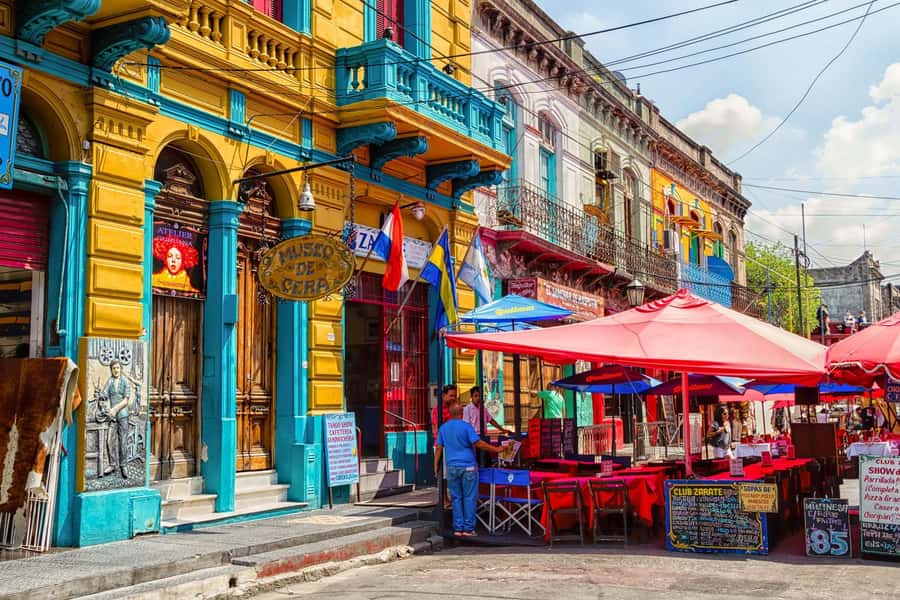
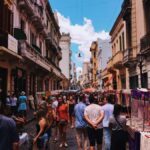
La Boca is the neighborhood most people picture when they imagine Buenos Aires at its most theatrical: colorful architecture, street life, and the kind of visual energy that feels handmade even when it’s tourist-frequented. The tour’s La Boca stop includes time at Caminito Street, plus guided exploration and shopping time.
You’ll get to see street artists, and there’s time to buy handicrafts. There’s also mention of typical music and food, which matters because La Boca isn’t only visual. It’s an atmosphere stop.
If you’re trying to keep your day “worth it,” the shopping time is where you make smart choices. Bring cash in pesos (ARS) because souvenirs are often easier to purchase that way. You can also bring a credit card, but for small purchases, cash tends to be the smoothest. And do yourself a favor: decide what you’re buying before you get overwhelmed by options. A guide can help you compare and avoid wasting time on items that don’t really match what you want.
Another practical tip: plan your pace. La Boca can be lively, and this is a 55-minute stop, which is plenty if you’re focused—photos, a short guided walk, then browsing with a little self-control.
San Telmo as a bonus flavor: antiques and bohemian bars (maybe from viewpoints)
San Telmo is one of Buenos Aires’ oldest and most picturesque neighborhoods, and it’s known for antique stores as well as restaurants and bars. The tour description includes it as part of the city story, though it notes you may not descend here.
That means you should think of San Telmo here as atmosphere plus context rather than a long neighborhood stroll. Even from viewpoints, it can still help you understand how Buenos Aires keeps old life going—how antiques and nightlife sit alongside each other, and why people call the neighborhood bohemian.
If you love “walking until you find something,” you might wish you had more time on the ground. But within a 4-hour structure, the value is that you get the quick flavor and the guide’s explanation so you can decide later if you want a dedicated San Telmo day.
Price and value: is $162 per person worth your time?
At $162 per person for a 4-hour private tour, the value depends on your travel style and group size. Here’s the honest way to think about it:
- If you’re traveling as a pair or small group and you hate spending your limited time figuring out what’s where, private guiding pays off fast. Pickup and drop-off from your hotel door also removes a big chunk of planning stress.
- If you prefer context over checklists—like learning why locations matter, not only where they are—this style of tour is usually worth it.
- If you’d rather wander on your own and you’re comfortable building a route, you might find the cost is harder to justify.
The tour includes an air-conditioned vehicle and a private guide in your language (English, Spanish, or Portuguese). For many visitors, that combination is the real value: you’re buying time, clarity, and smooth logistics, not just access to landmarks.
Practical tips that help this tour run smoothly
This tour runs rain or shine, so plan like the weather will do what it wants. You’ll also want to dress for the season and wear comfortable clothes, plus comfortable shoes because there’s a mix of viewpoints and walking.
Bring:
- Sunscreen (Buenos Aires sun can be strong)
- A credit card
- Cash in pesos for souvenirs
- The essentials you’d normally bring for a few hours of city walking
There are two small travel habits that make a difference on days like this. First, keep your day bag light—you’ll be moving between stops. Second, have a quick strategy for photos: capture the landmark, then let the guide’s explanation sink in before you start snapping everything again.
Also, the tour is private-group based, so you’re not fighting for space the way you might on crowded group buses. That’s a quiet advantage that helps you actually hear what your guide is saying.
So, should you book this private Buenos Aires culture and history tour?
If you’re on a first trip and you want a guided hit of the city’s major zones—Recoleta, Plaza de Mayo, and La Boca—in one efficient package, I think this is a smart booking. It’s built for orientation and understanding, not for spending half a day on a single museum or neighborhood.
Book it especially if:
- You like private guiding in your language and want someone to set the context for what you’re seeing
- You value hotel pickup and drop-off to protect your time
- You want a mix of viewpoints and short walks that feel manageable in a 4-hour window
Maybe skip it if:
- You want long, slow museum time or extended neighborhood wandering
- You’re expecting every stop to be a step-off-and-explore situation, since some locations may be viewpoint-only
If you want Buenos Aires to make sense quickly—without the self-planning headache—this private tour is the kind of shortcut that still feels human.
FAQ
How long is the Buenos Aires Culture and History private tour?
The tour lasts 4 hours.
What does the price include?
It includes hotel pickup and drop-off, a private guide in your language, and transportation in an air-conditioned vehicle.
What areas of Buenos Aires will we see?
You’ll visit key emblematic points such as Plaza de Mayo and La Boca, and the tour also includes stops like Floralis Generica, Plaza Francia, and places in Recoleta, Palermo, and San Telmo depending on the day plan.
Is the tour private?
Yes. It’s a private group tour.
What languages are available for the guide?
The guide is available in English, Spanish, and Portuguese.
Is the tour wheelchair accessible?
Yes, the tour is wheelchair accessible.
Does the tour run if it rains?
Yes. It takes place rain or shine.
What should I bring for the tour?
Bring comfortable shoes, comfortable clothes for the season, sunscreen, cash in pesos for souvenirs, and a credit card.