REVIEW · BUENOS AIRES
Buenos Aires: Historic Buenos Aires Landmarks & Icons Tour
Book on GetYourGuide →Operated by daddiescuriosos · Bookable on GetYourGuide
Plaza de Mayo tells stories at street level. This 150-minute guided walk ties together the big government buildings and squares you see on postcards with the moments behind them. I like how Miguel keeps the pace steady while you stop for real viewpoints, especially the Casa Rosada photo-time and explanations.
I also like that you don’t only look from the outside; you get short guided visits inside key civic spots like the Cabildo and the Museo del Bicentenario. The main drawback to keep in mind is the tour is mostly outdoors with a fair amount of walking, so comfortable shoes are non-negotiable—and it’s not built for wheelchair users or people with mobility impairments.
In This Review
- Key things that make this tour worth your time
- Why This Route Works So Well for First-Time Buenos Aires Visitors
- Meeting at Plaza de Mayo: Start Where the City Starts
- Central Bank Building and the Former San Ramón Nonato Convent
- Cultural Center and the Grand Post Office Palace (With Garay Monument Views)
- Casa Rosada and Plaza de Mayo: Where Power Shows Its Face
- The Bank Buildings, the Cabildo, and the City Legislature Clock
- Metropolitan Cathedral and Manzana de las Luces: Details You’ll Notice Later
- Museo del Bicentenario: Presidents, Relics, and Art in a Tight Slot
- Ministry of Defense Views and the National Customs House Finale
- Price and Value: Why $20 Makes Sense Here
- Who Should Book This Tour (And Who Might Skip It)
- Practical Tips That Make the Tour Feel Easy
- Should You Book This Historic Buenos Aires Landmarks Tour?
- FAQ
- What’s the duration of the tour?
- Where do I meet the guide?
- What language is the tour guide using?
- Is food or drinks included?
- What should I bring with me?
- Is the tour suitable for wheelchair users or people with mobility impairments?
Key things that make this tour worth your time
- Miguel’s on-the-ground storytelling turns buildings into a simple timeline you can remember.
- Plaza de Mayo views that you actually understand after the guide’s context.
- Museum and cathedral stops instead of only photo stops, so you leave with more than pictures.
- Short, efficient timing across the center so 150 minutes feels full (not rushed-chaos).
- A fun finish at Comic Strip Plaza that gives the day a lighter note.
Why This Route Works So Well for First-Time Buenos Aires Visitors
This tour is built for people who want to get oriented fast. You start near Plaza de Mayo and end at the National Customs House area, with a stop at the Comic Strip Plaza to close out the walk with something memorable. In about 2.5 hours, you cover the kind of civic core that usually takes a full afternoon if you’re wandering on your own.
What makes it feel practical is the flow. You’re not jumping randomly across town. You’re moving through a cluster of iconic sites where the stories overlap: government power, national identity, old founding legends, and the way Buenos Aires grew around this central zone.
You’ll also get photo stops plus short guided time at major buildings. That mix matters. A pure museum day can be exhausting. A pure city-walk with no interiors can feel shallow. This one lands in the middle.
You can also read our reviews of more historical tours in Buenos Aires

Meeting at Plaza de Mayo: Start Where the City Starts
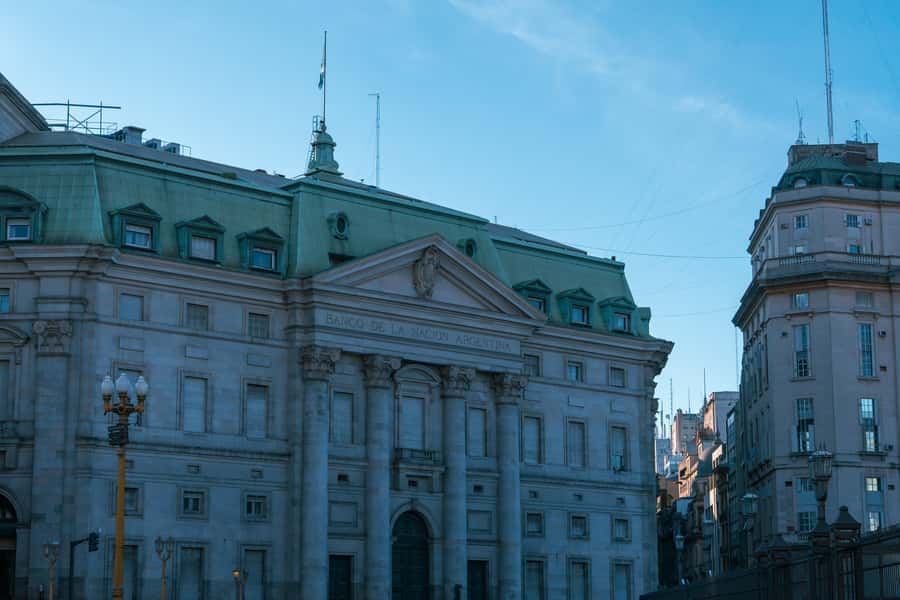
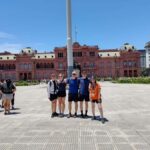
You meet your guide near the flagpole at Plaza de Mayo. That’s smart, because the square is the natural reference point for the whole historic center. If you show up with a confused map, you’ll leave with a clearer mental picture of where everything sits.
Plan to arrive a few minutes early. This is an on-foot tour, and it’s outdoors for stretches, so starting on time helps the guide keep the route tight.
Also, note the tour language is Spanish. Still, I’d treat that as the baseline, not a deal-breaker. Some guests have reported that Miguel adapts his explanation when communication needs to shift so everyone can follow. If your Spanish is shaky, be upfront at the start.
Central Bank Building and the Former San Ramón Nonato Convent
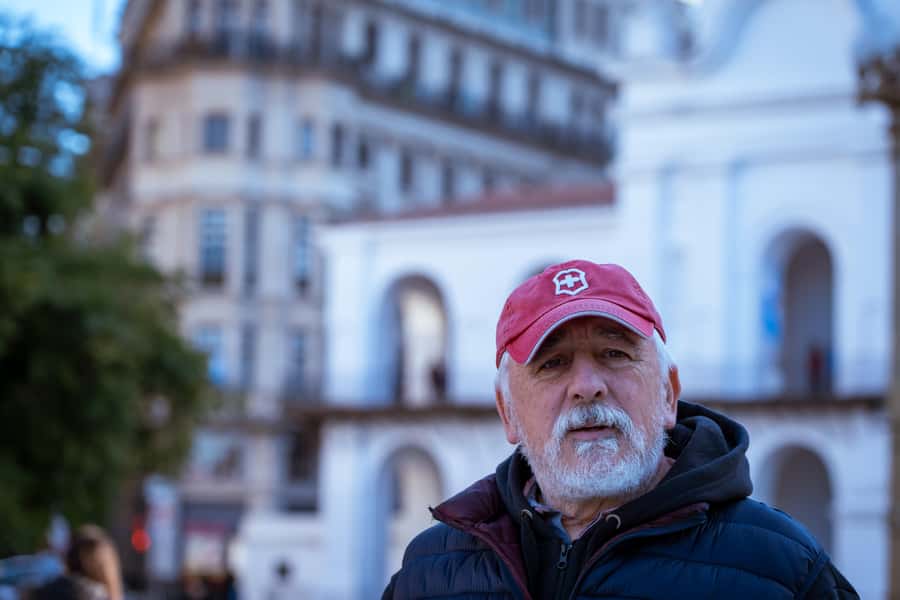
The tour begins at the Central Bank of the Argentine Republic. The building’s past matters, because it was formerly the San Ramón Nonato Convent. That kind of reuse is one of Buenos Aires’ hallmarks: old structures don’t just vanish—they get reinvented.
From your perspective, this stop does two things. First, it gives you a visual anchor for the tour’s theme: how institutions evolve. Second, it helps you interpret what you’ll see later in the route, because you’ll start noticing patterns in architecture and civic planning.
One practical tip: this is a walking tour, so keep your “photo brain” ready but don’t expect long stays at every exterior viewpoint. The best way to enjoy this stop is to listen for the story, then take the photo that matches what you just learned.
Cultural Center and the Grand Post Office Palace (With Garay Monument Views)
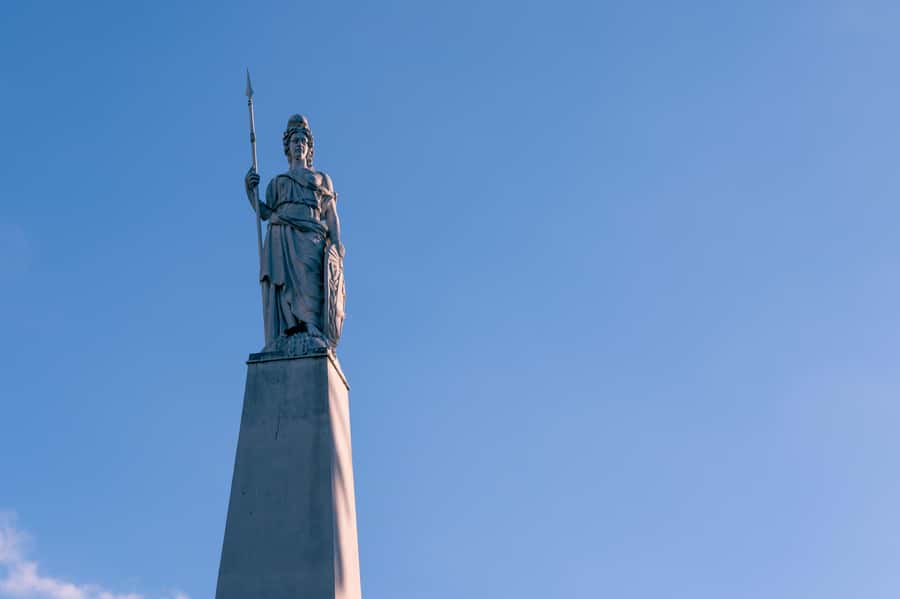
Next comes the Cultural Center, once the grand post office palace. This matters more than it sounds. Postal buildings were serious infrastructure—places designed for flow, paperwork, and national connection. When you connect that to what you’ll hear about Buenos Aires’ early growth, the architecture starts to make sense.
In this area, you’ll also encounter the Monumento a Juan de Garay. The guide ties it to the city’s second founding, and you’ll get a viewpoint that helps you place the historic center in one sweep. Even if you’re not a hardcore history person, this is the part where it clicks: you stop thinking of landmarks as isolated photos and start seeing the city as a layered plan.
Timing here is usually quick. You’ll get enough time for understanding and a photo, but not a slow gallery-style pacing. If you love lingering, treat this as the “orientation walk” and plan a slower return to whatever strikes you most later.
Casa Rosada and Plaza de Mayo: Where Power Shows Its Face
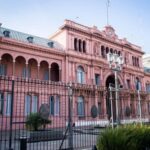
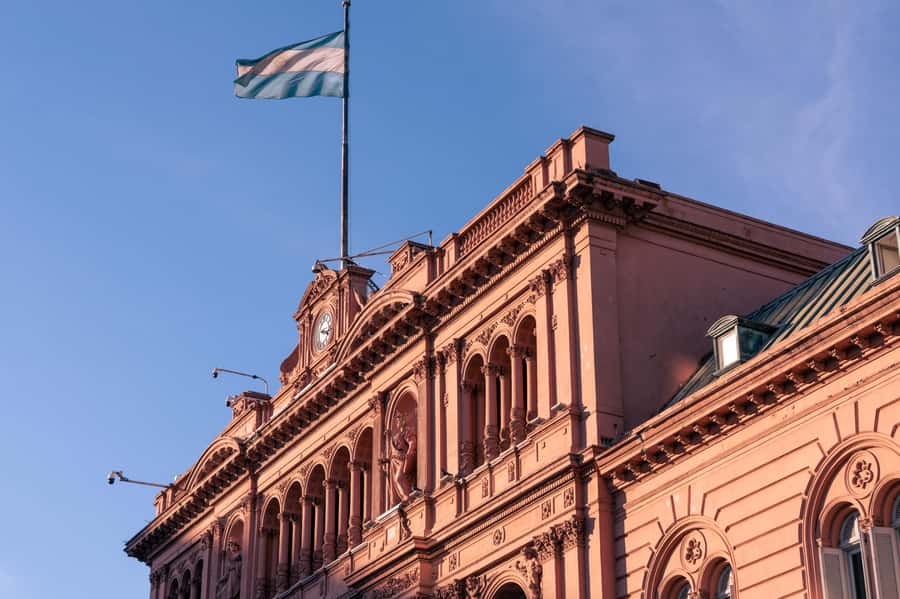
Casa Rosada is the big one. You’ll have a photo stop and guided time/pass-by—about 10 minutes in the flow. That’s short, but it’s not meaningless. The guide’s job is to give you the right context so the exterior doesn’t feel like just another pink building.
Plaza de Mayo then takes over the meaning of the whole route. This is one of Argentina’s most significant squares, ringed by iconic civic buildings. The square isn’t just a backdrop—it’s a stage where national decisions and public life intersect.
If you’re the type who likes to look up at façades, you’ll enjoy this section. If you prefer quiet, sit-and-watch sightseeing, it might feel a bit more structured. Either way, it’s a key early stop because it sets the tone: you’re in the heart of how Buenos Aires explains itself.
The Bank Buildings, the Cabildo, and the City Legislature Clock
The route continues through other major civic landmarks, including the Bank of the Argentine Nation and the City Legislature building. The City Legislature gets attention for its mix of architectural styles and a tall clock you can’t miss.
These stops are valuable for one reason: they show how power expresses itself in stone and symbols. You’ll understand why these buildings look the way they do, and why the guide keeps pointing out details instead of just naming places.
Then you reach the Cabildo of Buenos Aires. This is one of those buildings where the architecture feels like a document. You’ll have photo time and a visit with guided explanation (about 20 minutes here). The Cabildo works especially well for first-timers because it connects daily civic life to the larger national story without feeling like a textbook.
A note on expectations: the tour includes multiple stops with interior time, but each one is still limited by the 150-minute total. If you want to read every plaque, you’ll need extra time on your own later. The tour is the “get the story straight” layer.
Metropolitan Cathedral and Manzana de las Luces: Details You’ll Notice Later
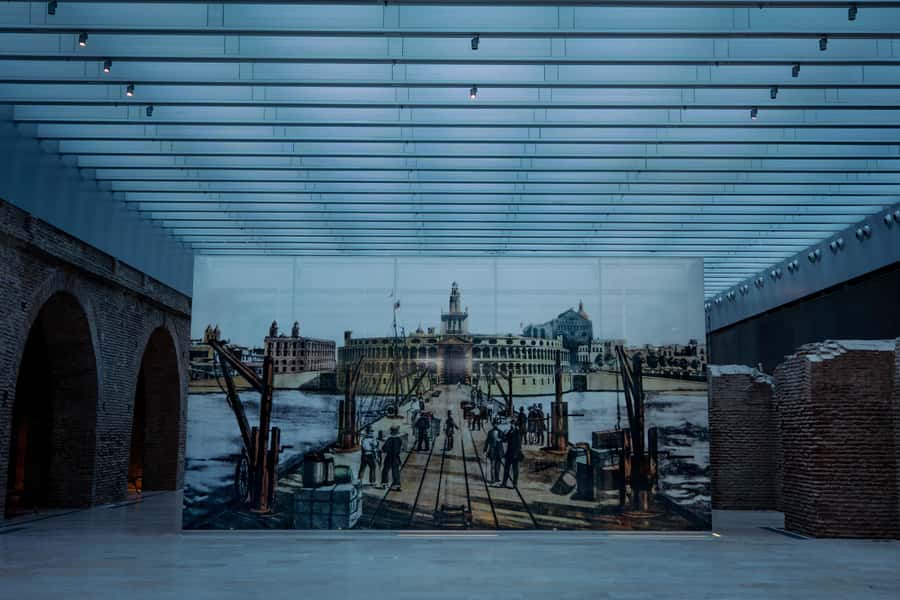
The Buenos Aires Metropolitan Cathedral comes next with photo time and a guided visit (about 20 minutes). Even if you don’t go in expecting a religious deep dive, this stop helps you understand the city’s ceremonial and cultural center-of-gravity.
Then you’ll visit Manzana de las Luces, with another photo stop and guided time (about 20 minutes). This is where I start looking at the city differently. The guide’s explanations help you notice how education, religion, and civic life shaped what got built where.
If you’re deciding whether this is worth doing, these two stops are part of the answer. They add variety without sending you far from the route. You don’t just get government buildings—you also get cultural anchors that explain how Buenos Aires organized society.
And yes, it’s walking between them. Keep water handy and avoid wearing shoes you’ll regret by hour two.
Museo del Bicentenario: Presidents, Relics, and Art in a Tight Slot
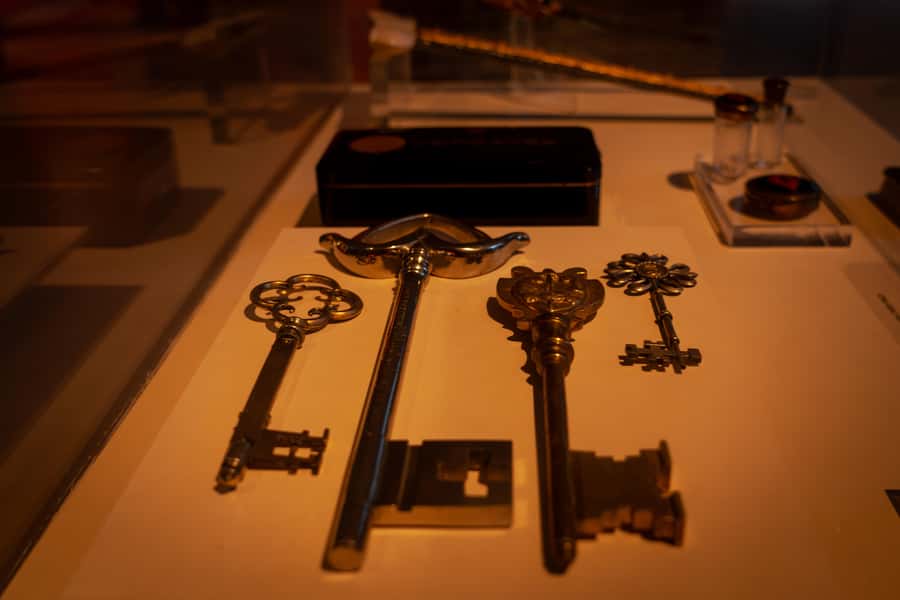
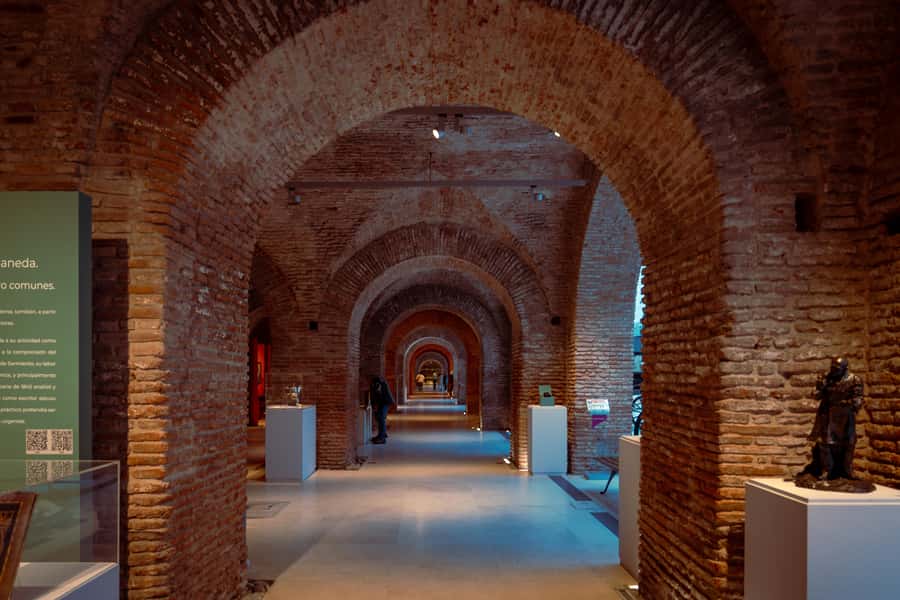
One of the best parts of this tour is the Museo del Bicentenario. You’ll spend about 20 minutes there with guided time and sightseeing. It’s not a huge detour, but it adds a different kind of learning: objects.
The museum houses relics connected to past presidents and includes exceptional artworks. That combination gives you a more human sense of national leadership. Instead of only hearing about dates and events, you see pieces that help explain how power and culture were remembered.
This is also a good place for the guide to help you avoid museum boredom. A short guided visit can feel like being rushed—unless the guide knows what to highlight. Miguel has a reputation for making the stops land, and you’ll feel it here most.
If you’re the type who loves museums, you might finish this stop wanting more time inside. Treat the tour as your preview, then plan a second visit when you can slow down.
Ministry of Defense Views and the National Customs House Finale
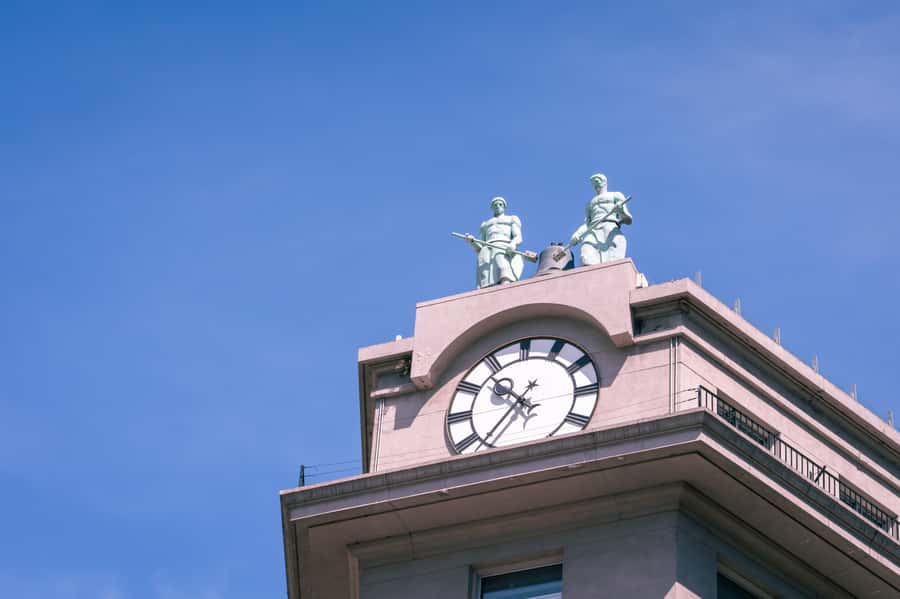
After the museum and cathedral/cabildo sequence, the route shifts toward two bigger architectural moments: the Ministry of Defense building and the National Customs House.
The Ministry of Defense stop stands out for its size and the views from the area. This is one of those moments where the guide’s explanation helps you read the building’s scale. You’re not just staring at a façade—you’re connecting how a modern state signals strength in the city’s layout.
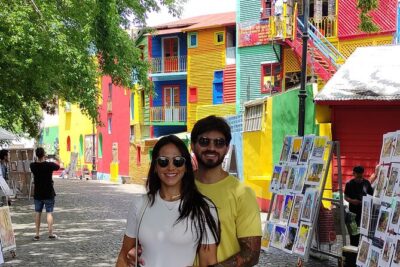
Then you finish at the National Customs House and the Comic Strip Plaza. Customs buildings matter in Buenos Aires because ports and trade shaped everything: who arrived, what goods moved, and how the city became a magnet. Ending here also makes the day feel complete. You started with civic authority, and you end with the infrastructure of exchange.
The Comic Strip Plaza is a fun contrast to the heavier civic stops. It’s the kind of final moment that helps you reset your brain before dinner.
Price and Value: Why $20 Makes Sense Here
At $20 per person for a 150-minute guided route, the value comes from concentration. You’re paying for guided interpretation plus multiple major stops in the historic center within a short time window.
A self-guided walk can absolutely work in Buenos Aires. But you’ll spend that time figuring out what you’re looking at and why it matters. This tour hands you the connections in real time, including explanation of the buildings that otherwise feel like lists.
One caution: food and drinks are not included, so don’t plan to skip water or snacks. If you’re sensitive to walking and sun, bring what you need. The tour is outdoors in stretches.
Also, the guide is Spanish-speaking. If you’re traveling with limited Spanish, it helps to go with curiosity and ask questions early. Based on guest experiences, Miguel can adjust explanations so you’re not left behind.
Who Should Book This Tour (And Who Might Skip It)
This tour is a strong fit if you:
- want a fast orientation of Buenos Aires’ historic civic core
- like guided stories that connect architecture to real events
- enjoy short museum and interior stops, not only outside photo lines
Skip or consider something else if you:
- need lots of time per site (this is a 150-minute route, not a half-day linger-fest)
- have mobility limitations, since it isn’t suitable for wheelchair users or people with mobility impairments
- dislike walking with minimal breaks, because it’s a true walking tour with outdoors time
Practical Tips That Make the Tour Feel Easy
- Wear comfortable shoes. You’ll cover more walking than you might expect for a short duration.
- Bring a hat and sunscreen. Sun and glare around open squares can be real.
- Carry water, especially in warm weather. The tour doesn’t include drinks.
- If you want the most out of the interior stops, keep your questions simple and specific. The guide’s strength is turning details into meaning.
Should You Book This Historic Buenos Aires Landmarks Tour?
Yes—if you want a guided, efficient walk through the city’s political and cultural center, this is a solid choice. The price is low for what you cover, and the structure makes it easier to connect the dots from Casa Rosada to plazas, cathedrals, the Cabildo, and the Bicentennial Museum.
Book it especially if it’s your first time in Buenos Aires and you’re trying to avoid the common problem of seeing impressive buildings without understanding why they matter. The tour’s biggest win is that it turns the historic center from a checklist into a story you can carry.
Just go in with the right expectations: you’ll see plenty, but you won’t have unlimited time in every building. If one site pulls you in, plan a return on your own afterward.
FAQ
What’s the duration of the tour?
The tour lasts 150 minutes.
Where do I meet the guide?
Meet your guide near the flagpole at Plaza de Mayo.
What language is the tour guide using?
The live tour guide speaks Spanish.
Is food or drinks included?
No. Food and drinks are not included.
What should I bring with me?
Bring comfortable shoes, a hat, sunscreen, and water.
Is the tour suitable for wheelchair users or people with mobility impairments?
No. It is not suitable for people with mobility impairments or wheelchair users.