REVIEW · BUENOS AIRES
Buenos Aires: North or South Buenos Aires Bike Tour
Book on GetYourGuide →Operated by Rental Bike Argentina · Bookable on GetYourGuide
Buenos Aires looks different when you pedal. This 4-hour bike tour is one of the easiest ways to get your bearings fast, then learn what you’re actually looking at—San Telmo, La Boca, Recoleta, Palermo, and more—without spending your day on taxis. The guiding style is built for first-time orientation: safety briefing first, helmet on, then a smooth ride paced for real people.
I especially love the way the tour splits into a North or South circuit, so you’re not stuck doing a generic loop. And the storytelling makes big landmarks feel personal; guides like Ana on the North circuit and Pili (often spelled Pilar/“Pili”) on the South circuit are the kind of hosts who connect buildings to immigration, tango, and football culture, not just dates.
One thing to consider: the route can lose a chunk if weather turns or if the Reserva Ecologica isn’t operating (it’s closed on Mondays), so don’t build your whole day around one single stop.
In This Review
- Key takeaways before you book
- Choosing North or South Buenos Aires: pick the mood you want
- Starting in Montserrat: what the first 30 minutes really look like
- The 4-hour timing: how fast you’ll feel (and why it works)
- South circuit ride: San Telmo to Parque Lezama (where the city roots live)
- La Boca: La Bombonera and the color of Buenos Aires
- Puerto Madero and the modern skyline shift
- Reserva Ecologica note: a great idea with a real-world caveat
- Plaza de Mayo finale: Cabildo, Catedral, and Casa Rosada
- North circuit ride: Retiro, Plaza San Martín, and Belle Epoque architecture
- Recoleta without cemetery entry: what you do instead
- Palermo and the parks: Floralis Genérica and Rose Garden energy
- Cycling logistics: bike lanes, traffic blocks, and real comfort
- Who this tour is best for (and who should pass)
- Weather and what to pack: don’t let rain run your day
- Value at $38: what you’re really paying for
- Should you book this bike tour of Buenos Aires?
- FAQ
- What is the duration of the Buenos Aires bike tour?
- How much does it cost?
- Do I choose North or South Buenos Aires?
- Where does the tour start?
- How big are the groups?
- Is the tour guided in English?
- Does the tour operate in rain?
- Are there any important restrictions for who can join?
- What should I bring?
- Does the tour enter Recoleta Cemetery?
Key takeaways before you book
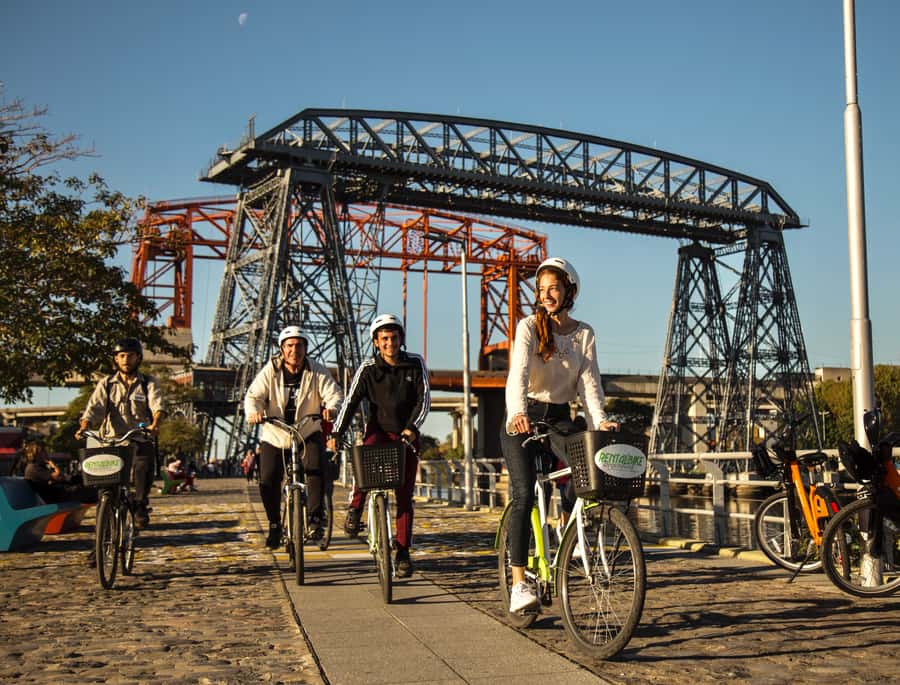
- Small group, max 8 people: you get more question time and less “watch from far away” energy.
- North vs South circuits: choose the side that matches your priorities, then come back later for the other half.
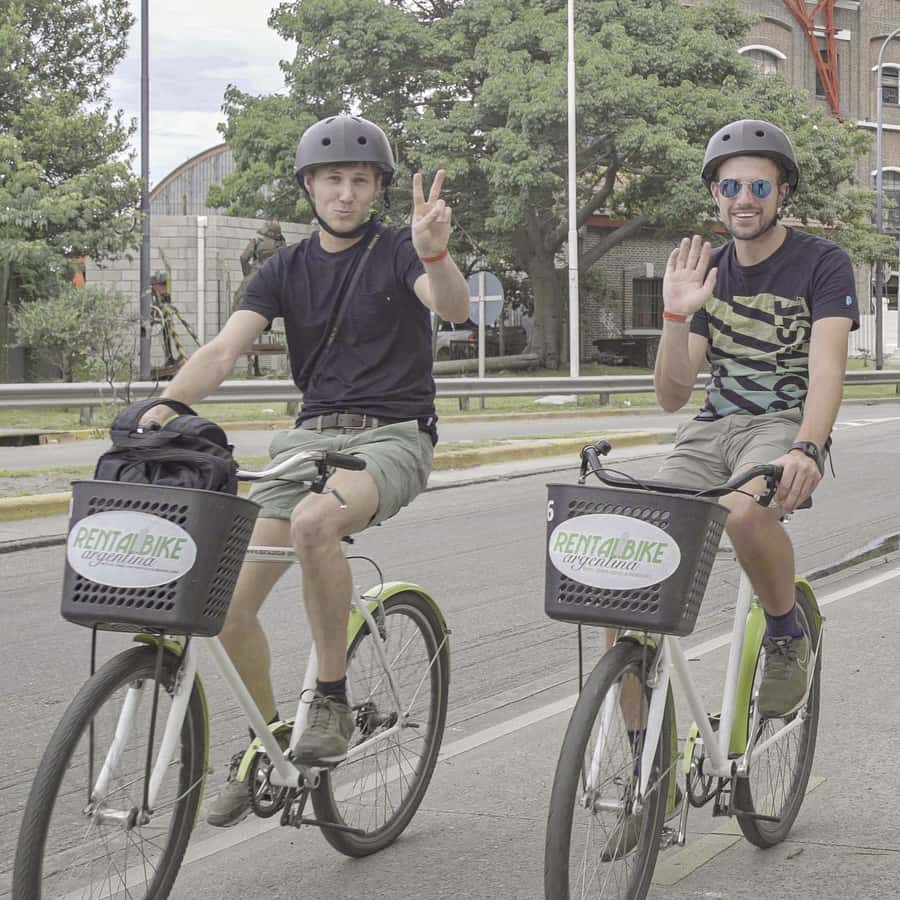
- Cruiser bikes with baskets and helmets: comfortable setup for a 4-hour sightseeing spin.
- Most time in bike lanes: reviews report mostly protected routes, with only a few blocks on busier roads.
- A guide who adapts to the group: several guests noted the pace being adjusted to different abilities.
- Weather flexibility is part of the deal: light-to-moderate rain can happen, and some stops may close or shift.
Choosing North or South Buenos Aires: pick the mood you want
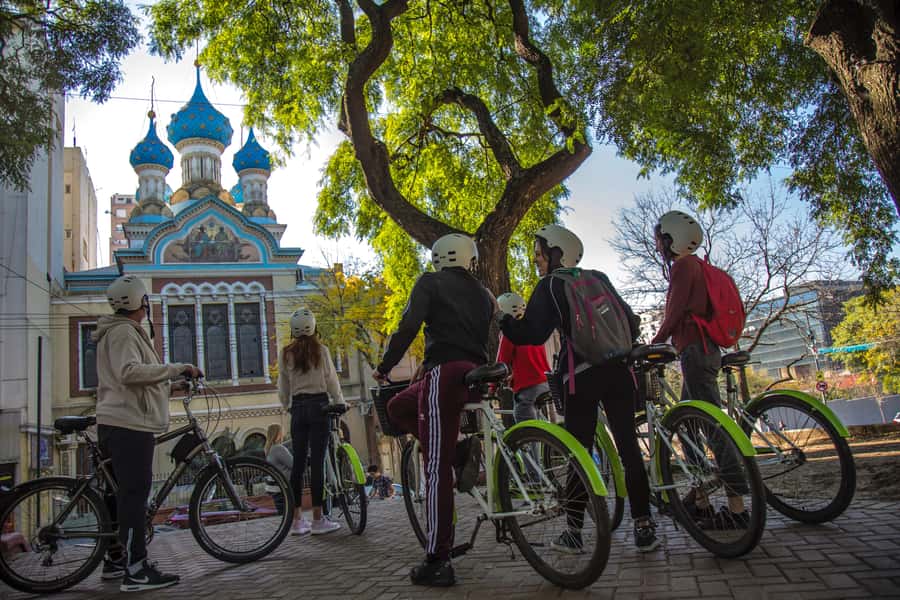
Your biggest decision is simple: do you want the older, soul-heavy side of town (South), or the parks-and-architecture side (North)?
The South circuit leans into Buenos Aires’ origin story and street-level culture. You start with the San Telmo area and Parque Lezama, then work your way toward La Boca’s football heartbeat, the artist-filled alleys of Caminito, and modern Puerto Madero. It ends with the civic core at Plaza de Mayo, where you’ll see major government buildings and the symbolic center of the city.
The North circuit feels like a slow reveal of Buenos Aires’ late-19th-century and early-20th-century identity: Downtown energy, Belle Epoque-style architecture around Retiro and Plaza San Martín, then Recoleta’s cafés and museum culture, and finally Palermo’s open spaces. If you love walking neighborhoods but want to cover more ground, the North circuit tends to hit the sweet spot.
If you can only do one: I’d book South if you want tango + immigration + La Boca vibes, and North if you want parks, grand buildings, and a more “Buenos Aires postcard” stroll-by.
You can also read our reviews of more cycling tours in Buenos Aires
Starting in Montserrat: what the first 30 minutes really look like
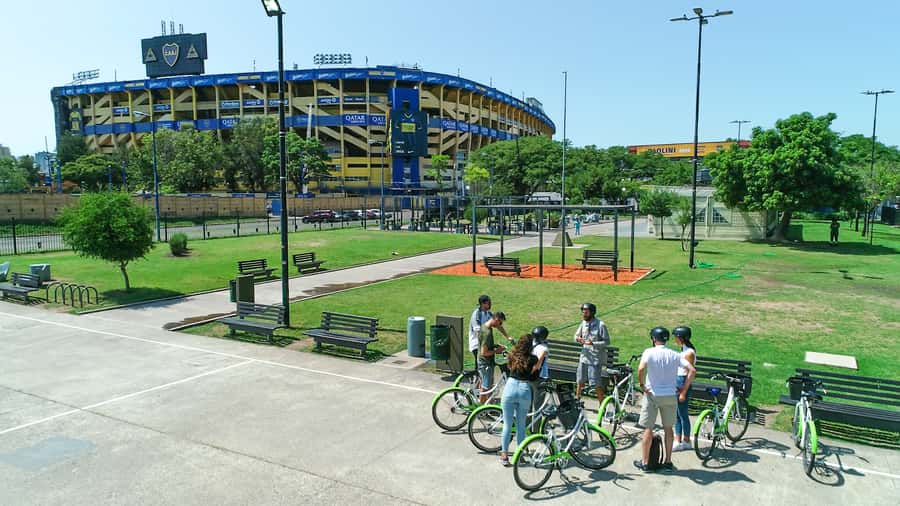
Tours leave from the shop on Chile 1145 (Montserrat), with a few possible starting options (Chile 1141 or Chile 1145, depending on what you booked). They ask you to arrive 15 minutes early, and they keep the process tight: if you’re late by more than 10 minutes, the tour departs without refund.
You’ll get safety instructions first—how to ride with the group, what to do at stops, and how the guide manages crossings and traffic flow. Then you’ll put on the provided helmet and get on a cruiser bike with a basket and bell.
A nice practical detail: the tour includes a water refilling machine, but the “bring your own bottle” advice still matters. You’ll want something you can drink from easily without stopping every time.
The 4-hour timing: how fast you’ll feel (and why it works)
This isn’t a “race through the city” kind of tour. It’s built around frequent photo stops and short guided moments, so you’re not stuck listening for hours at one stretch.
You’ll spend time cycling between neighborhoods, then get out for guided history at key points. Several guides reported in real-world use adjust pace for the group, which matters because Buenos Aires is big and flat—but traffic and road conditions can still be mentally tiring.
Also, North and South can feel different in timing. One pattern that shows up: the North circuit may include more actual cycling because of where it begins and ends relative to the South route. If you’re sensitive to longer stretches, think about that when choosing.
South circuit ride: San Telmo to Parque Lezama (where the city roots live)
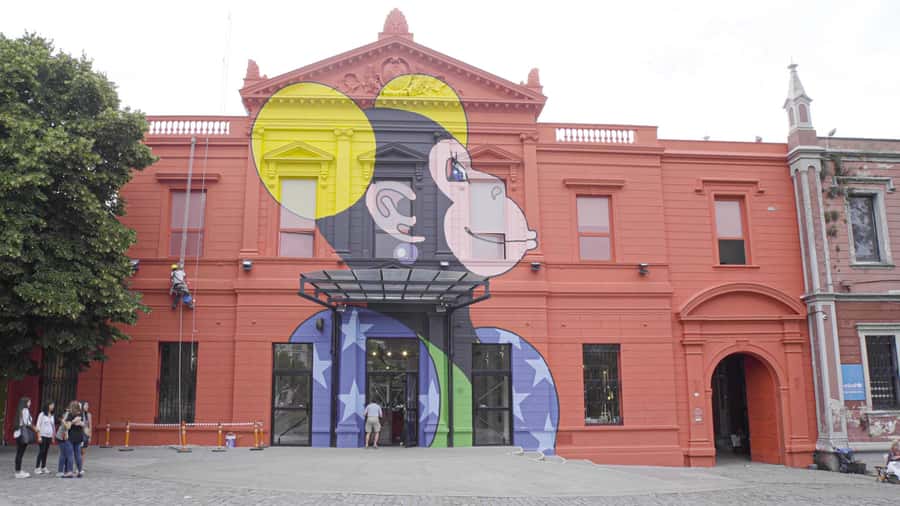
The South circuit kicks off near San Telmo, the older quarter where time feels slower. You’ll make your way to Parque Lezama, with a guided stop and photo moments.
This is more than a park break. The guide uses Lezama as a starting point to talk about the early foundations of Buenos Aires and the heavy forces that shaped the city—especially immigration. It’s a good “reset” stop: you’re moving through modern streets, then suddenly the guide connects what you see now with what came earlier.
From there, the tour turns toward the La Boca area—so the emotional tone shifts: history and immigration become street life, tango energy, and football pride.
La Boca: La Bombonera and the color of Buenos Aires
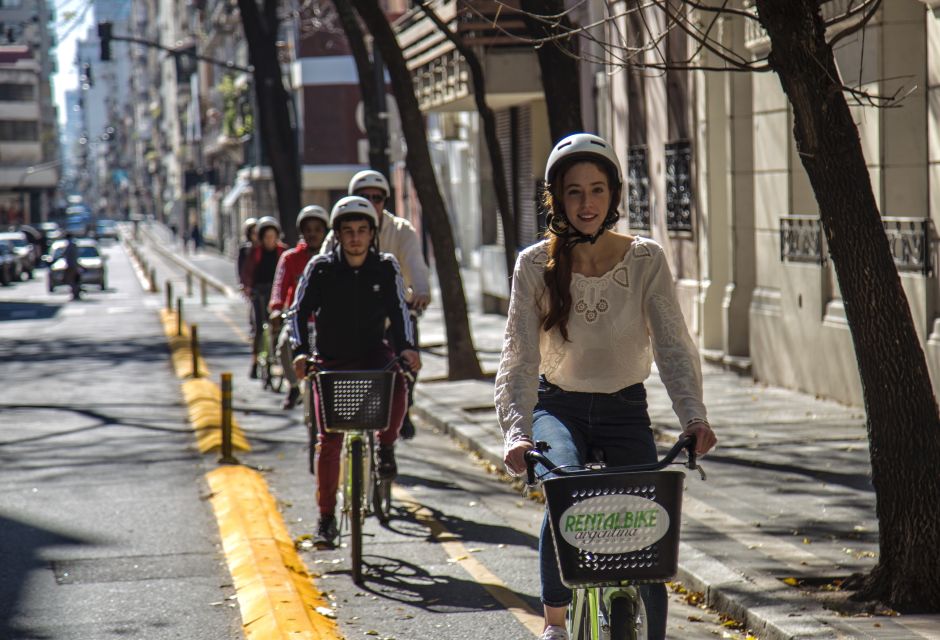
La Boca is one of those places where arriving by bike changes the feeling instantly. You’re not just passing by—you’re entering the neighborhood with your own momentum.
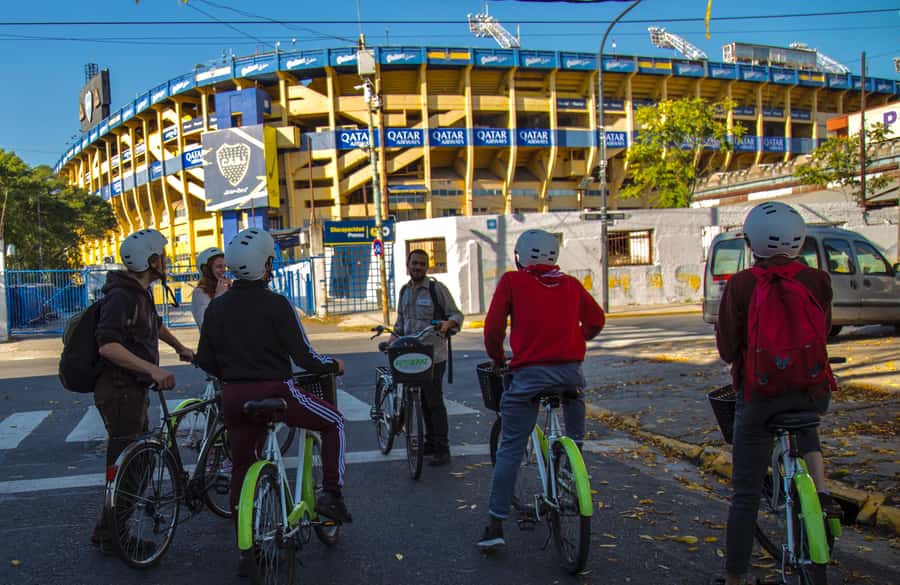
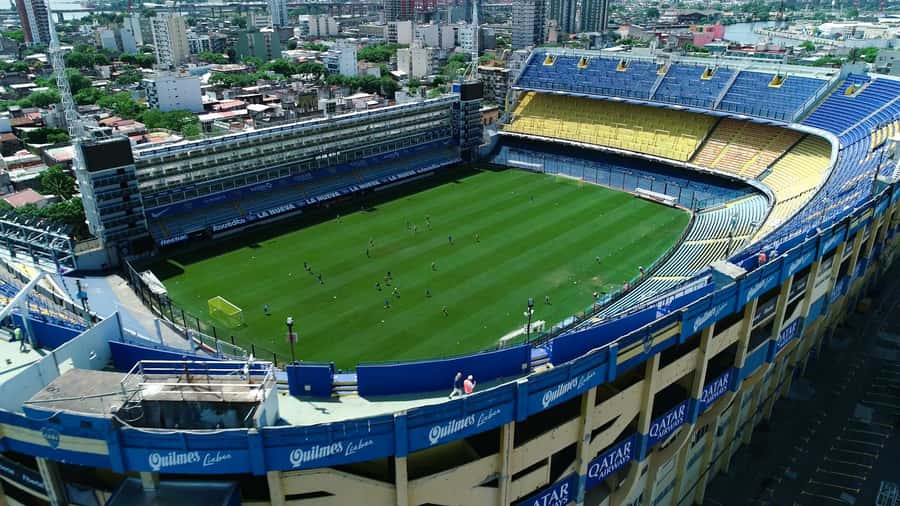
You’ll stop for views at La Bombonera, the heart of local football culture, and you’ll hear stories that go beyond “this is famous.” One of the best parts here is that the tour frames the stadium as a symbol—how identity gets built and repeated through sport and neighborhood life.
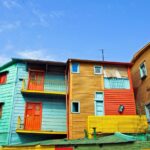
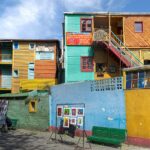
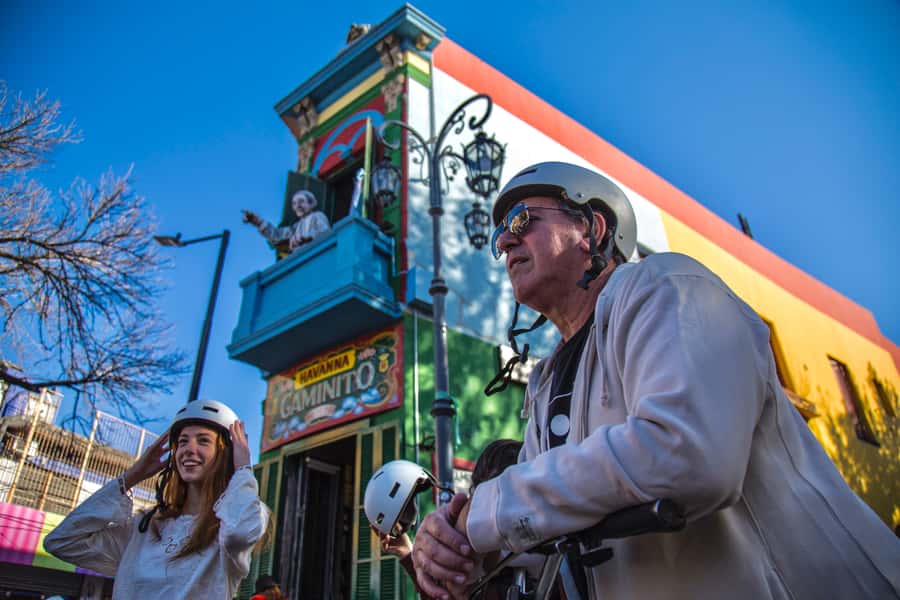
Then you’ll hit Caminito, where the streets and facades are tied to artists. Expect photo stops, short guided context, and—importantly—time to just wander a bit on your own. That free-walking moment is where the neighborhood stops being a lecture topic and starts being a sensory experience.
If you’re a football fan, it can be worth asking the guide about what’s possible with your interests; some guests reported that their guide tailored the experience to include a Boca-related visit.

Puerto Madero and the modern skyline shift
After the intense color of La Boca, Puerto Madero gives you the “then-now” contrast. The tour frames it as the city’s second harbor, later transformed into a modern neighborhood that reworks Buenos Aires’ skyline.
This stop is useful even if you already know Buenos Aires is modern. Watching it from a bike lane also shows you how the city organizes different uses of space—working harbor energy versus modern apartments and offices.
If you’re the kind of traveler who likes city planning as much as landmarks, Puerto Madero is a good proof-of-concept stop: it’s a designed neighborhood, not a random sprawl.
Reserva Ecologica note: a great idea with a real-world caveat
The South circuit includes a Reserva Ecologica stop for nature, wildlife viewing, and scenic biking. The reserve sits between the city and the Río de la Plata, so the setting changes the feeling from streets to open air.
But there’s a catch you should plan around: the reserve is closed on Mondays and may also be closed due to bad weather conditions. If you book for a Monday (or you know rain is likely), treat this as a bonus, not a guarantee.
If it’s closed on your day, you’ll still get the South circuit’s core landmarks—just with a different ending tempo.
Plaza de Mayo finale: Cabildo, Catedral, and Casa Rosada
The South circuit ends at Plaza de Mayo, where Buenos Aires is tied to its definitive founding story from 1580. This is where the tour becomes very “civic Buenos Aires”—you’re not only learning barrio culture; you’re seeing the political and symbolic center.
You’ll get to see the Old Cabildo, the Metropolitan Cathedral (noted as the former home for Pope Francis), and the Casa Rosada (Argentina’s presidential offices). The guide connects these places to the city’s evolution and power center.
This is a good closing moment because it ties together the whole day: immigration and neighborhood identity (South culture) plus the national institutions that shaped modern Argentina.
North circuit ride: Retiro, Plaza San Martín, and Belle Epoque architecture
On the North circuit, you start steering toward the side of Buenos Aires that looks more like grand planning and big-city refinement.
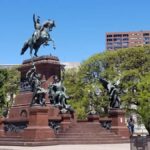
You’ll pass through areas connected to late-19th-century history and then head toward Retiro and Plaza San Martín. This is where you’ll see palaces and architectural icons associated with the Belle Epoque era.
The tour pacing here is smart. You’re not just being shown buildings—you’re being told what they represent, so when you later walk around Recoleta or Palermo on your own, you have context for the style and what that style was trying to say at the time.
Retiro is also a practical “orientation zone” for your future days. If you plan to use buses or trains later, understanding this area helps you stop feeling like Buenos Aires is one endless maze.
Recoleta without cemetery entry: what you do instead
Recoleta is a favorite for a reason: cafés, museums, ice cream breaks, and people-watching. On the North circuit, you’ll slow down here for photo stops and guided context.
One important detail: the tour does not enter Recoleta Cemetery. That means you still get Recoleta’s vibe, but you’re not committing to the extra walking and ticket time that cemetery visits often demand.
If you want cemetery time later, you can plan that as a separate activity when you have more control over pace. For a 4-hour overview ride, skipping the entry keeps the tour from turning into a long museum assignment.
Palermo and the parks: Floralis Genérica and Rose Garden energy
After Recoleta, the North circuit moves into Palermo, and this is where the ride feels more open and scenic.
You’ll pass Floralis Genérica, then head toward the neighborhood’s park areas, including time near Parks and the Rose Garden (with stops designed for sightseeing and photos). The tour also mentions Tres de Febrero Park time for wondering, and that’s a great break from landmark-to-landmark riding.
Palermo is also where you get that Buenos Aires feeling that looks effortless. It isn’t just buildings; it’s space—wide paths, gardens, and the sense that locals actually use the city.
If you love photographing architecture but also like getting fresh air, Palermo is your reward.
Cycling logistics: bike lanes, traffic blocks, and real comfort
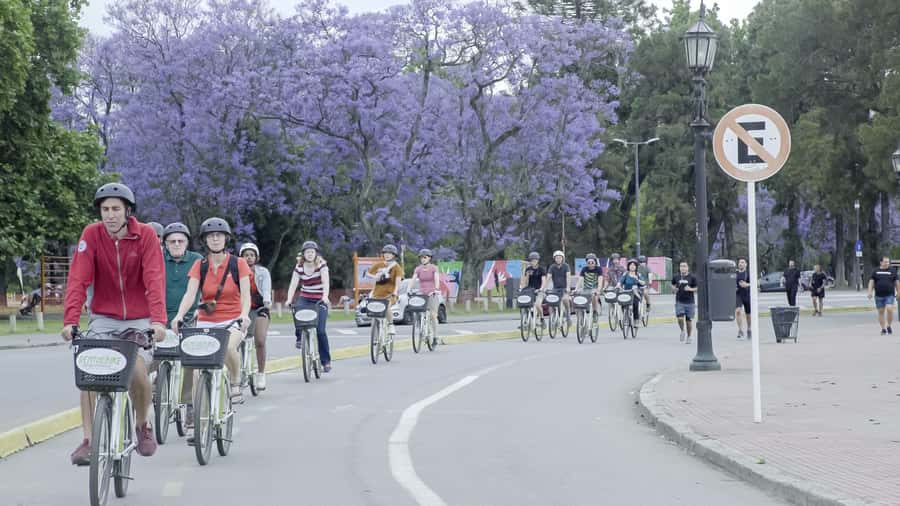
Most of your ride is expected to happen along bike lanes. Reviews also reinforce that you’ll usually stay in lanes, with only occasional blocks on busier roads.
That matters for two reasons:
- It keeps your energy for the sights, not for constant vigilance.
- It helps you move at a steady pace without stopping constantly.
The bikes are cruisers, so they’re built for comfort rather than speed. You’ll be given helmets, and the guide manages the group with a calm, confidence-first approach.
Still, Buenos Aires traffic can’t be ignored. If you’re nervous about riding near cars, the South route may feel easier for you based on how some guests describe the North circuit’s longer and sometimes busier-road segments.
Who this tour is best for (and who should pass)
This is a solid choice if you want a fast, guided orientation on day one or day two—especially if you’re juggling neighborhoods you’d normally have to piece together by taxi.
It’s also great if you like asking questions. With a small group (limited to 8 participants), you get more of the back-and-forth than you do on large bus tours.
But it’s not for everyone. You should skip this if you have mobility impairments, heart or respiratory issues, epilepsy, recent surgeries, visual impairments, or if you’re pregnant. There are also height/age limits: minimum age 12, and you must be at least 1.50 meters tall. Weight is capped at 260 lbs (118 kg).
If any of those apply to you, plan a different style of city tour that matches your needs.
Weather and what to pack: don’t let rain run your day
The tour departs in light to moderate rain, and it may be suspended if weather conditions create safety risks. That includes heavy rain or winds tied to a weather alert from the National Meteorological Service. If this happens, the tour can be rescheduled based on availability.
So bring what you need for the weather, not what you wish you had. Comfortable shoes matter. Wear weather-appropriate clothing, and bring a reusable water bottle even though there’s a refilling machine.
One extra tip: if rain shows up, expect the tour to keep moving where possible. Several guests noted guides providing ponchos when the weather turned.
Value at $38: what you’re really paying for
At $38 per person for a 4-hour small-group ride, the value comes from two things: distance covered and interpretation.
You’re not only seeing multiple neighborhoods; you’re learning the stories that connect them—immigration, tango history, why La Boca feels the way it does, how civic power is displayed at Plaza de Mayo, and why Recoleta and Palermo look and feel different.
Add in the included bilingual guide (Spanish/English), helmet, and a bike setup with basket and bell, and the price starts to look like a bargain compared to piecing together taxis plus walking plus guide time.
The real “value risk” is weather and closures like the Reserva Ecologica, or rain that changes the route. But that risk is shared, and you still get the core Buenos Aires overview either way.
Should you book this bike tour of Buenos Aires?
Book it if you want a practical first look at Buenos Aires where you’ll actually learn what you’re seeing, not just move through photo locations. Pick South for tango + history + La Boca energy, and pick North for parks and architectural rhythm around Recoleta and Palermo.
Skip or reconsider if you’re uncomfortable riding in traffic, can’t meet the height/age requirements, or need an accessibility-friendly format. And if your travel dates include a Monday, remember the ecological reserve may not be operating, so keep expectations flexible.
If your goal is simple—get your bearings fast, then build the rest of your trip from there—this is an easy yes.
FAQ
What is the duration of the Buenos Aires bike tour?
The tour lasts 4 hours.
How much does it cost?
The price is $38 per person.
Do I choose North or South Buenos Aires?
Yes. You can choose between the North circuit or the South circuit.
Where does the tour start?
The tours depart from the shop at Chile 1145, Montserrat (with possible options including Chile 1141 depending on what you booked).
How big are the groups?
The group is small, limited to 8 participants.
Is the tour guided in English?
Yes. The guide is bilingual (Spanish/English).
Does the tour operate in rain?
It departs in light to moderate rain. It may be suspended or rescheduled if weather conditions create safety risks.
Are there any important restrictions for who can join?
Yes. You must be at least 1.50 meters tall, minimum age is 12, and it’s not suitable for people with certain medical or accessibility needs listed by the operator.
What should I bring?
Bring comfortable shoes, weather-appropriate clothing, and a reusable water bottle.
Does the tour enter Recoleta Cemetery?
No. The tour doesn’t enter Recoleta Cemetery.