REVIEW · BUENOS AIRES
Buenos Aires: San Telmo, History, Bars, and Tango!
Book on GetYourGuide →Operated by daddiescuriosos · Bookable on GetYourGuide
San Telmo feels cinematic on foot. This walk, led by Miguel, mixes old-school Buenos Aires sights with tango stops and bar time, plus the stories that explain how the neighborhood got its personality. I especially love the small-group pace and the way the tour slows down for details like the comic-strip street and famous tango venues. The other big win: you do more than look. You actually get a bar-and-history flow that ends in Nápoles. One consideration: it’s a lot of walking and not suitable for wheelchair users or people with mobility impairments.
You’ll start at Avenida Belgrano and Defensa and spend about 150 minutes moving through San Telmo’s key corners, with a short restroom pause built in. It’s in Spanish, but the guide works hard to make sure you follow along even if your Spanish isn’t perfect.
If you want Buenos Aires that feels personal rather than postcard-straight, this one fits. Just plan to wear comfortable shoes, carry water, and expect a steady stroll through streets, plazas, and church-adjacent blocks.
In This Review
- Key things to notice before you go
- Entering San Telmo with Miguel and a bar-focused route
- Meeting point, timing, and how the 150 minutes flow
- Avenida Belgrano & Defensa to Otto Wulff: learning the neighborhood’s visual rhythm
- Santo Domingo and the Basilica of Defensa y Reconquista: a powerful starting landmark
- Mafalda and comic-strip street clues: fun visuals with real context
- El Viejo Almacén and tango culture in the street
- Facultad de Ingeniería and the Ministry of Agro Industry: everyday landmarks with history
- San Telmo Market and Defensa Street: where shopping meets architecture
- Plaza Dorrego and the Parroquia de San Pedro González Telmo
- The former women’s prison museum: turning architecture into a story
- Lezama Park and the Russian Orthodox Church: Buenos Aires surprises
- The National Historical Museum and the Nápoles finish: ending with a local vibe
- Price and value: what $20 buys you in real terms
- Who should book this San Telmo history, tango, and bars walk
- Should you book this tour?
- FAQ
- Where does the tour start and where does it end?
- How long is the San Telmo walking tour?
- What language is the guided tour in?
- Is this tour suitable for people with mobility impairments or wheelchair users?
- What should I bring for the walk?
- What is the cancellation and payment flexibility?
Key things to notice before you go
- Small group (up to 6 people) keeps questions from getting lost and makes the tour feel tailored.
- Miguel’s storytelling in Spanish adds context to tango spots, bars, and the neighborhood’s landmarks.
- San Telmo Market and Plaza Dorrego give you both architecture and street-life energy in the same route.
- Tango venue stops include iconic names (like El Viejo Almacén) and places connected to tango culture such as Michelangelo.
- Bar Nápoles is a big finish point, not just a quick stop.
- Not mobility-friendly due to walking and areas that won’t work for wheelchair users.
Entering San Telmo with Miguel and a bar-focused route
San Telmo is the kind of neighborhood where the street corners matter. Buildings aren’t just buildings. They’re clues. This tour is built for that mindset: you walk, you pause, and you listen for how the past shows up in the present.
The guide, Miguel, is a standout because he links different threads together. You’ll get context for why certain tango venues feel important, how the neighborhood developed over time, and why bars in San Telmo aren’t just places to grab a drink. Even if you don’t speak Spanish fluently, expect the tour to aim for understanding. In the past, non-native speakers have specifically appreciated how clearly Miguel explains things.
The bar-focused structure is also a practical win. In many walking tours, food and drink are just a mention. Here, you actually stop at notable bars in the city, with Bar Nápoles highlighted and a visit that serves as your tour’s ending point. It’s a smart way to make tango culture and local nightlife feel real, not abstract.
You can also read our reviews of more historical tours in Buenos Aires

Meeting point, timing, and how the 150 minutes flow
The tour starts next to the Convento Santo Domingo (specifically at Avenida Belgrano & Defensa), and it finishes at Nápoles. You’re out for about 150 minutes, with a built-in 10-minute break for the restroom. That matters more than it sounds. Tango spots can mean tight schedules and crowded streets, and a planned pause keeps the pace comfortable.
Also keep expectations realistic: this is a walking tour with multiple photo stops and short guided segments. You’ll move through churches, plazas, a market area, and several streets where you’ll want to look up at facades as often as you look ahead. Bring water, and plan for warm light. Hat + sunscreen are a good idea.
Because the group is limited to 6 people, you’re not fighting for attention at each stop. The tradeoff is that the pace is still a pace. If you prefer slow wandering without an agenda, you might find it structured. But if you like a route with purpose, it’s an advantage.
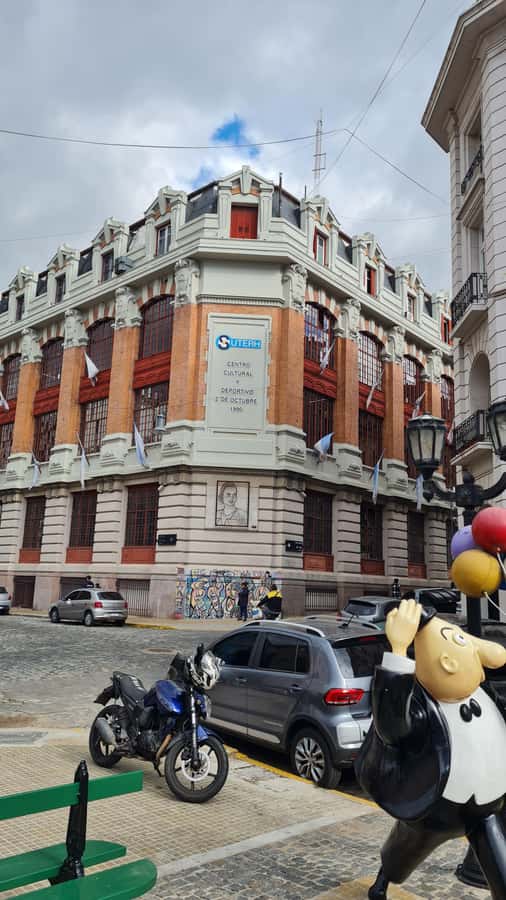
Avenida Belgrano & Defensa to Otto Wulff: learning the neighborhood’s visual rhythm
You begin at Avenida Belgrano and Defensa, which sets the tone right away. From there, you’ll head toward the Otto Wulff building. Expect a photo stop and a short guided tour, plus a pass-by that helps you get the street logic of San Telmo quickly.
This kind of early orientation is more valuable than it sounds. San Telmo can feel like a maze if you’re on your own. Early on, the guide points out what to notice: street lines, building styles, and the way key corners connect to the plazas and markets you’ll see later.
If you’re the type who enjoys architecture without turning it into a classroom, Otto Wulff is a good warm-up. You’ll be in motion, but you’ll also start seeing patterns.
Santo Domingo and the Basilica of Defensa y Reconquista: a powerful starting landmark
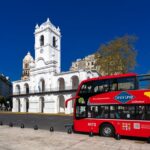
Next up is Convento Santo Domingo and the Basilica Nuestra Señora del Rosario de la Defensa y Reconquista de Buenos Aires. This is a big visual anchor for the whole walk. Expect a photo stop and a guided visit segment around 15 minutes.
What makes this stop useful for your day isn’t just the chance to admire church details. It’s that the guide uses the site to explain San Telmo’s older layers—how religious buildings helped define the neighborhood’s center of gravity. Even the way streets angle toward it becomes easier to understand once you see the landmark up close.
If you’re sensitive to crowds or the inside of active religious spaces, note that you’ll likely be outside and at entrances as much as inside. The tour timing keeps it short enough that you won’t feel stuck in one spot.
Mafalda and comic-strip street clues: fun visuals with real context
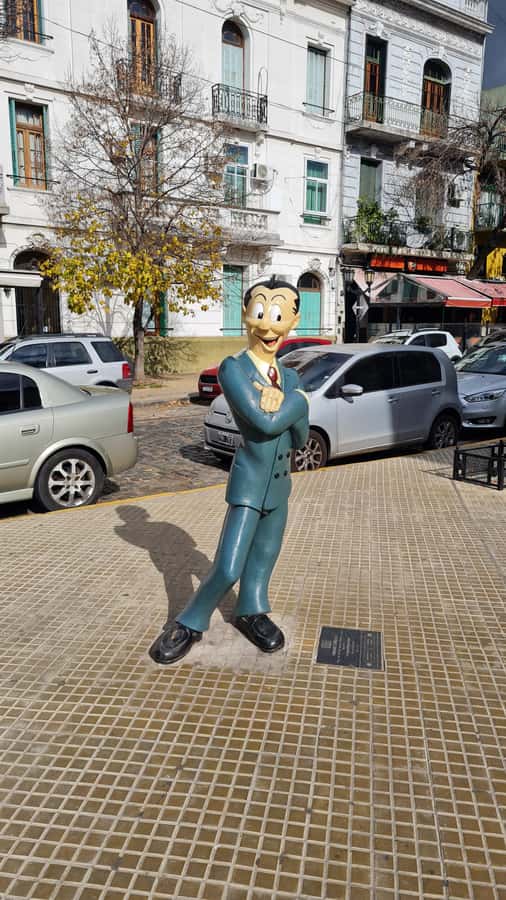
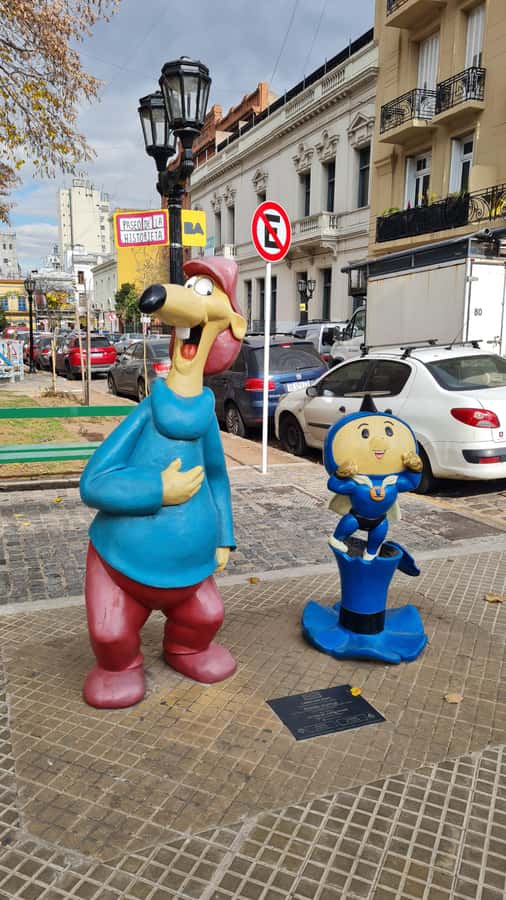
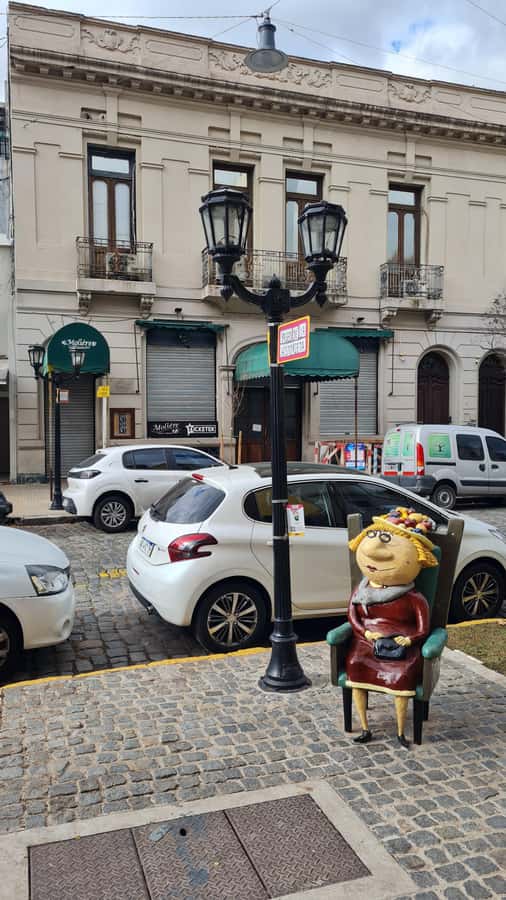
After Santo Domingo, you’ll encounter the Mafalda Statue. This is where the tour gets playful, and it’s not random. Mafalda is one of Argentina’s most famous comic characters, and San Telmo’s street life is full of cultural references like this.
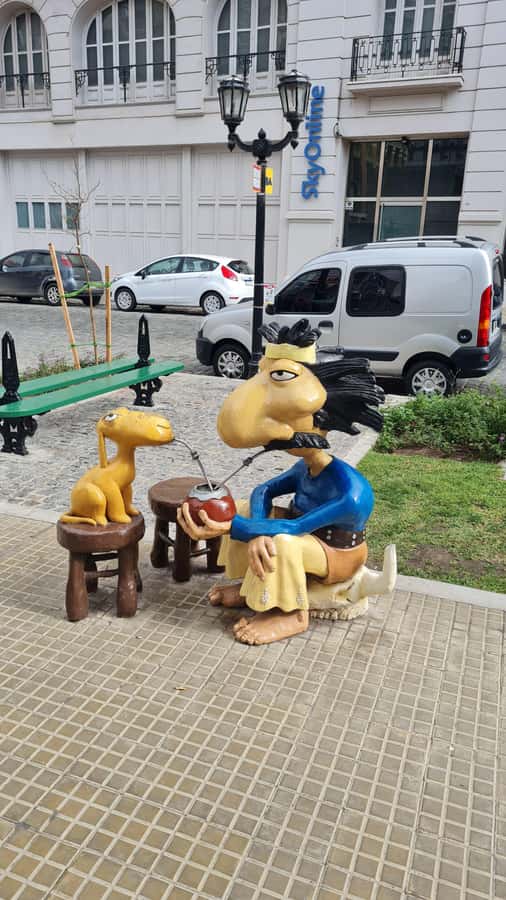
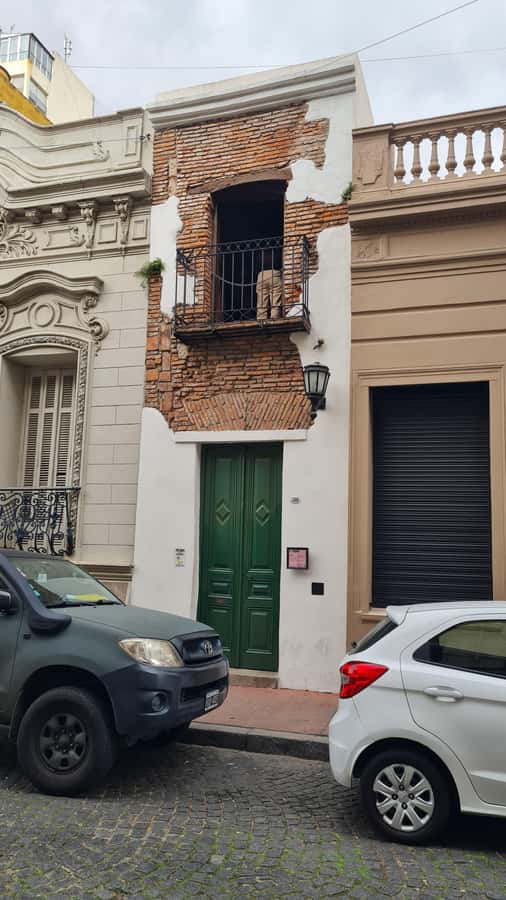
You’ll also spend time along the comic-strip street and you’ll see the most famous characters connected to that style of public storytelling. The guide also points out quirky, story-driven details along the way, including the narrowest house and an entrance to the catacombs.
These stops are great because they balance two kinds of travel curiosity:
- the curiosity of what you’re seeing
- the curiosity of why the city decided to preserve and highlight it
Even if you just want good photos, it helps to have the backstory. It turns random sights into a connected walking narrative.
You can also read our reviews of more nightlife experiences in Buenos Aires

El Viejo Almacén and tango culture in the street
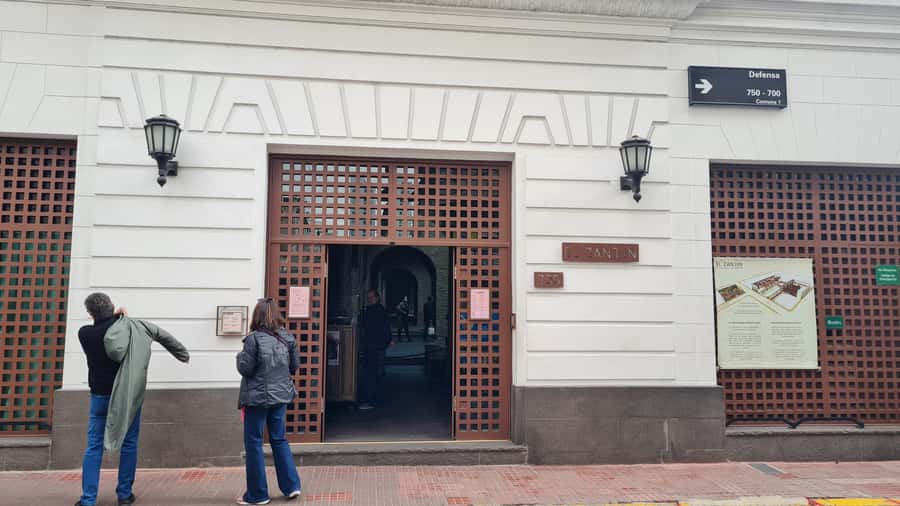
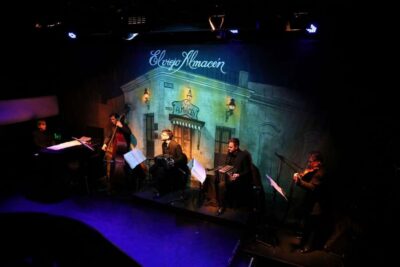
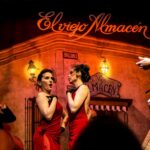
From the comic-strip energy, the tour shifts toward tango culture with stops connected to major tango names and venues. You’ll pass by El Viejo Almacén Tango Cena Show Buenos Aires, plus other tango-related stops that include a notable spot like Michelangelo.
You’ll also get a quick explanation of how the guide reads tango venues. One of the most praised elements of this tour is the way Miguel explains the difference between tanguerias and milongas. Even without going deep into theory, you’ll leave with better instincts for what kind of place you’re walking into if you continue your tango night after the tour.
This matters because Buenos Aires has tango everywhere. The risk is ending up at the wrong kind of venue for your mood—more show versus more social dance, more bar vibe versus dance floor focus. A quick, on-the-street explanation helps you choose better later.
Facultad de Ingeniería and the Ministry of Agro Industry: everyday landmarks with history
Not every stop is about tango or churches. You’ll also pass by places like the Facultad de Ingeniería (engineering faculty) and the Ministry of Agro Industry. These segments are mainly photo stops and guided pass-bys, but they help you see San Telmo as a real neighborhood rather than a themed museum.
That’s one of the tour’s subtle strengths. By mixing civic and educational buildings into the route, it shows you how the neighborhood functions today—not just what it used to be.
If you’re someone who likes to understand how cities work, you’ll appreciate these quick stops. If you prefer only the most famous attractions, you might skim them. But even then, they give you a sense of scale and life around the popular sites.
San Telmo Market and Defensa Street: where shopping meets architecture
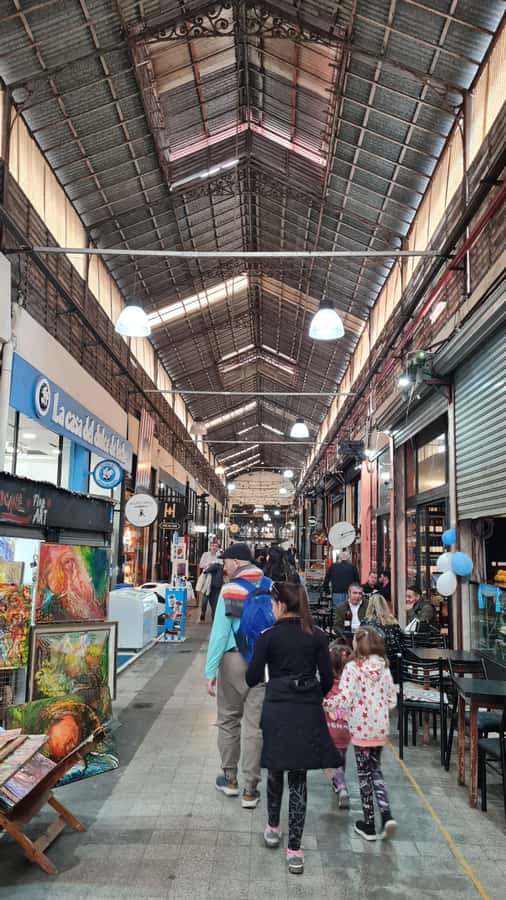
The walk brings you to the San Telmo Market, with a guided visit that includes shopping and sightseeing. You’ll learn about the market’s construction, including the fact that it was built by Gustave Eiffel.
That’s a fascinating detail because it means you’re looking at an international-name structure inside a very local market scene. It also changes how you experience the place. You’re not just buying snacks or souvenirs. You’re standing in a building with a specific design story.
Expect a mix of walking aisles, stopping to look, and time to browse. This is also a practical break in the route because markets tend to be more forgiving than churches in terms of mobility and pace, even though the tour overall is still walking-heavy.
If you want a quick plan for what to buy, think local:
- snacks and small treats
- simple souvenirs tied to San Telmo’s market vibe
Don’t overpack your day with purchases, though. You’ll still walk through plazas and churches after.
Plaza Dorrego and the Parroquia de San Pedro González Telmo
Next is Plaza Dorrego, where you’ll have a photo stop and guided sightseeing around 10 minutes. This plaza is one of San Telmo’s classic social corners, and the guide uses it to connect the neighborhood’s market-and-street rhythm to its historical importance.
After that, you’ll pass by Parroquia de San Pedro González Telmo for a short stop. Even though it’s brief, it helps you round out the neighborhood’s “spiritual architecture” story. By now you can start noticing the different roles churches play: some feel like landmarks for orientation, while others feel like quieter anchors in the flow of daily streets.
The former women’s prison museum: turning architecture into a story
A standout stop is the Antigua Cárcel de mujeres San Telmo (the former penitenciary) and its museum. You’ll have a photo stop and guided pass-by for a short segment.
This is where San Telmo stops being only about tango and antiques and becomes more emotionally grounded. Former prisons are heavy places, and seeing the building in context matters. The tour doesn’t turn it into gloom. It gives you a historical lens and helps you understand that the neighborhood isn’t only celebration. It also has chapters that society later chose to document and preserve.
If you enjoy human history in a city, this stop adds weight to the walk. If you prefer lighter sightseeing, you might find it intense, but it’s brief enough to stay manageable.
Lezama Park and the Russian Orthodox Church: Buenos Aires surprises
Then you head toward Parque Lezama, the site of Buenos Aires’ first founding. You’ll get a guided element and a quick pass-by with a short stop time.
This is a useful shift because the tour turns from dense street landmarks to open space. You can reset mentally, look across the area, and take in the beautiful monument connected to the founding site. It’s an important context stop, especially in a neighborhood that otherwise gets defined by markets and tango.
After Lezama, you’ll visit the Russian Orthodox Church of the Holy Trinity, known for its iconic domes. Expect a guided segment and a pass-by.
This church is one of those “only in Buenos Aires” experiences. The domes break the usual palette you might expect in Argentina’s capital, and it creates a memorable contrast right before your final museum stop.
If you’re a photo lover, this is your moment. If you’re not, it still works because the guide frames it as part of how the city’s identity absorbed different communities over time.
The National Historical Museum and the Nápoles finish: ending with a local vibe
The tour moves to the National Historical Museum, Buenos Aires for a photo stop and guided visit segment. This is an efficient way to wrap your day: you’ve walked past tango venues, plazas, old street quirks, and civic landmarks, and now you get the institutional perspective that ties it together.
Then comes the most social ending. The tour concludes with a stop at Nápoles. You’ll have a photo stop, visit, and guided tour segment here, and this becomes the natural final note of the day.
Nápoles is a big deal in the experience because the tour isn’t only about looking at Buenos Aires. It’s also about feeling how locals move from day sights to evening atmosphere. And because you’ve already learned the tango venue logic, you can use that knowledge when you plan your next step.
You’ll also notice how the tour includes bar culture throughout, especially with stops like Bar Nápoles and historic pizzerias mentioned as part of the flavor stops. It’s a good blend: the city’s story on the street, then a chance to taste and relax.
Price and value: what $20 buys you in real terms
At about $20 per person for roughly 150 minutes, this tour is priced like a true small-group walk, not like a long museum day. The value comes from three things you actually feel:
- Small group size (up to 6) means more attention and better explanations.
- Multiple categories of stops (churches, plazas, founding-era sites, tango spots, market, and bars) saves you time and confusion later.
- A guided bar finish at Nápoles gives you a practical end point, not just a “thanks for coming” goodbye.
If you’re staying a few days in Buenos Aires and want one guided day that stitches together San Telmo’s identity, this price feels fair for what you get. You’re essentially buying a guided map plus a culture decoder.
Where value can drop slightly is if you only want tango-show tickets or only want museum interiors. This is a street-and-stops tour. It’s built for walking, looking, and learning.
Who should book this San Telmo history, tango, and bars walk
This tour is a great fit if you:
- want San Telmo in one route, with both famous and unusual stops
- like tango culture but want a practical guide to how venues differ
- enjoy walking tours when they’re paced by a guide who cares about the neighborhood
- prefer small groups for questions and clarity
It’s not a great fit if you need wheelchair access or you have mobility limitations. The tour notes that some areas may not be accessible, and it’s explicitly not suitable for wheelchair users.
Language matters too. The tour is in Spanish, so it’s best if you can follow basic spoken conversation or you’re comfortable using the guide’s explanations even if you’re not fluent.
Should you book this tour?
Yes, if you’re trying to understand San Telmo as a living neighborhood, not just a list of landmarks. The standout strengths are the guide’s storytelling (Miguel), the tango context, and the way the day ends in a bar setting at Nápoles instead of simply dropping you back on the street.
Skip it if walking long distances stresses you out, or if you want mostly indoor time. This walk is about outdoor streets, plazas, and short stops with lots of seeing.
If you want a single guided day that makes future tango nights and market browsing easier, this one is a smart booking.
FAQ
Where does the tour start and where does it end?
You start at Avenida Belgrano & Defensa, next to the Santo Domingo Convent. The tour finishes at Nápoles.
How long is the San Telmo walking tour?
The duration is about 150 minutes, with a short 10-minute pause included for using the restroom.
What language is the guided tour in?
The live tour guide speaks Spanish.
Is this tour suitable for people with mobility impairments or wheelchair users?
No. The tour is not suitable for wheelchair users and some areas may not be accessible for people with mobility impairments.
What should I bring for the walk?
Wear comfortable shoes and comfortable clothes. Bring sunscreen, water, and consider a hat.
What is the cancellation and payment flexibility?
You can cancel up to 24 hours in advance for a full refund, and you can reserve and pay later to keep plans flexible.