REVIEW · BUENOS AIRES
Recoleta Walking tour
Book on GetYourGuide →Operated by Swell Experiences · Bookable on GetYourGuide
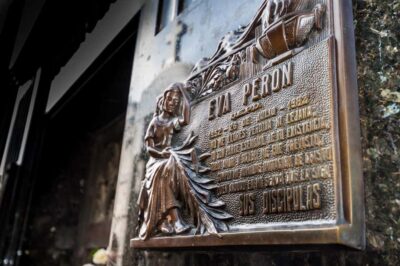
Recoleta Cemetery turns walking into a story. I really like how a live guide draws your eye to statues and mausoleums you’d probably miss on your own, and I also like the tombstone legends tied to iconic names like Eva Perón. It’s a 2-hour, open-air museum feel in one of Buenos Aires’ most beautiful settings.
One thing to flag: the experience has a low rating, with past issues like a guide not showing up or a meeting-point change without clear notice. If you book, plan to arrive at Plazoleta Juan XXIII a few minutes early and double-check you’re at the correct spot before the start.
Also budget for the cemetery entry fee on top of what you choose to pay your guide. Foreign walkers pay 5090 ARS (and Argentine walkers pay 0 ARS) at the gate, and the info says tickets are available there with credit/debit cards only.
In This Review
- Key things to know before you go
- Recoleta Cemetery turns into an open-air museum in 2 hours
- Where the tour actually starts: Plazoleta Juan XXIII and the black umbrella
- The guided loop inside La Recoleta: prominent corners, symbols, and stories
- What the 2-hour pace feels like on the ground
- Price and entrance fees: the real cost breakdown
- Language and accessibility: helpful details that can affect your comfort
- What could go wrong, and how to protect your day
- Who this Recoleta walking tour suits best
- Should you book this Recoleta walking tour?
- FAQ
- How long is the Recoleta walking tour?
- Where is the meeting point for the tour?
- What language is the guide speaking?
- Do I need to pay an entrance fee for the cemetery?
- What payment methods are accepted at the cemetery gate?
- Is the tour wheelchair accessible, and how flexible is booking?
Key things to know before you go
- Stories behind the tombs: You’ll hear legends connected to major figures, including Eva Perón and Rufina Cambaceres.
- An art-and-symbols walk: Expect elaborate sculptures, statues, and columns that the guide helps you read.
- Easy meeting point: Start at Plazoleta Juan XXIII, with the guide identified by a black umbrella and the SWELL name.
- Plan for entrance fees: Cemetery entry is separate and depends on your nationality.
- Spanish-only guide: The live guide language is Spanish.
- Low rating signals risk: Some bookings reported problems with arrival and meeting-point changes.
Recoleta Cemetery turns into an open-air museum in 2 hours
Recoleta Cemetery isn’t just a place to pass through. It’s a whole outdoor gallery of architecture, sculpture, and status—built into mausoleums and family tombs that sit side by side for decades. On this guided walk, you’re not doing a random stroll. You’re moving through the cemetery with a guide who points out what matters and explains the stories people attach to specific corners and monuments.
The best part for most first-timers is that the tour helps you see the place as more than graves. The cemetery is described as an open-air museum holding the remains of prominent Argentines—presidents, artists, writers, and political figures. That framing changes your mindset the moment you arrive. Instead of thinking only about the solemn purpose, you start noticing the design language: the statues, the columns, the decorative flourishes, and the way each mausoleum looks like it belongs to a particular idea of memory.
You’ll also hear about legends tied to famous residents. Eva Perón is one of the names you’ll encounter on the route, and Rufina Cambaceres is another standout mentioned. Those stories give shape to the cemetery’s scale. When you can connect real people to the buildings around you, the walk becomes easier to follow and far more memorable.
You can also read our reviews of more walking tours in Buenos Aires


Where the tour actually starts: Plazoleta Juan XXIII and the black umbrella
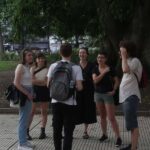
Most problems on walking tours come down to meeting points. Here, it’s clearly set: you meet at Plazoleta Juan XXIII, Junín 1849 (C1113 AAU), Buenos Aires. The guide is supposed to be there with a black umbrella, and the provider name on-site is SWELL.
That black umbrella detail matters more than it sounds. Recoleta is busy, and it’s easy to look in the wrong direction and lose time. My advice: treat the start location like an appointment. Arrive early enough to confirm the umbrella and the guide identity before you assume you’re in the right place.
The tour ends right back at the meeting point, so you don’t need to worry about transportation home. You’ll still want comfortable shoes, though. The cemetery paths are described as cobblestone, and your feet will notice it by hour two.
The guided loop inside La Recoleta: prominent corners, symbols, and stories
Once you’re in, the tour is focused on the cemetery’s most prominent areas. You’re not trying to see every grave in a vast place. Instead, you’re guided through key sections so you get meaning and context without feeling lost.
Expect a slow, interpretive style: you’re walking past tombs and mausoleums while the guide explains what you’re looking at. The description emphasizes imposing statues, majestic columns, and elaborate sculptures. In practice, that usually means you’ll stop to look long enough to understand how the decoration works—what it suggests about status, faith, identity, or commemoration.
This is where the “open-air museum” idea becomes real. Cemeteries can feel chaotic when you’re looking only at dates and names. With a guide, you start reading the visuals like a map: which monuments draw attention, which features signal particular traditions, and why certain residents become legends.
You’ll hear legends surrounding famous residents. Eva Perón’s name is naturally a big draw, but the tour also calls out Rufina Cambaceres. That’s a good sign for anyone who’s tired of tours that only repeat the most obvious famous-person facts. If you like the human side of history—political figures, artists, and writers—you’ll likely enjoy how the tour connects the people to the monuments.
What the 2-hour pace feels like on the ground
A 2-hour cemetery tour is a sweet spot. It’s long enough to see a meaningful slice of the grounds and still short enough that you won’t feel trapped in one place all afternoon. The tour duration is listed as 2 hours, and the format is a guided walk inside the cemetery.
Because it’s a walking tour, pace matters. You’ll be moving between monuments on cobblestones, and you’ll want a steady rhythm: stop when the guide stops, and keep your camera ready but not in the way. If you’re the type who reads every inscription, you’ll want to strike a balance. The point here is context, not trying to memorize every name.
This tour is also described as a private group. That can help with flow. Smaller groups usually mean fewer delays, more chances to ask basic questions, and less crowd pressure around the most photographed monuments.
Price and entrance fees: the real cost breakdown
This experience gets listed with a price of $18 per person, but it’s also described as a pay-what-you-want, free walking tour style where you tip the guide. So think of the $18 as a starting point you might adjust based on your comfort and how much you feel you got out of the storytelling.
On top of that, the cemetery entrance fee is separate. The info states:
- Foreign walkers: 5090 ARS (about 5.50 Euros)
- Argentine walkers: 0 ARS
- Tickets are available at the gate
- Only credit/debit cards are accepted
So here’s the practical takeaway: don’t assume the tour price covers everything. It sounds like your guide portion is flexible, but the cemetery access itself is not. Bring a bank card and plan time to purchase at the gate if you arrive before your start.
If you’re traveling on a strict budget, this detail can change the decision. However, the entrance fee isn’t unusual for a site like this. The value question comes down to whether you’ll benefit from guided interpretation. If you’re the kind of traveler who likes structure—someone picking the best corners and explaining the symbolism—you’ll usually feel the money was well spent.




Language and accessibility: helpful details that can affect your comfort
The live guide language is Spanish. If you speak some Spanish, you’ll get the most out of the explanations tied to tombs, sculptures, and legends. If you don’t, you’ll still be able to enjoy the visuals, but you might get more out of using translation tools for key moments.
Wheelchair accessibility is listed. That’s important for planning, since cemetery ground can be uneven. With cobblestones mentioned in the description, the walking surface can still be a challenge, so it’s worth going in with realistic expectations about slow movement and careful turns.
Also, the guide format is live, with a private group setup. That matters for travelers who want a more controlled pace rather than joining a big public crowd.
What could go wrong, and how to protect your day
Even if the concept sounds excellent, the risk with any guided walking tour is reliability. The experience has a low rating, and the issues reported include a guide not arriving and a meeting-point change that wasn’t properly communicated. That’s the kind of problem that can waste your time—especially if you’re in Recoleta for a limited window.
Here’s how to reduce your odds of a bad start:
- Aim to arrive at Plazoleta Juan XXIII early enough to spot the guide with the black umbrella.
- Keep your booking details handy on your phone so you can confirm you’re at the right provider and start time.
- If something feels off, don’t wait silently. Use the message or contact method shown in your booking info to clarify where to meet.
If you’re taking this tour as your only Recoleta plan, you’ll be happier building in backup time. That way, if you hit an operational hiccup, you’re not stuck scrambling.
Who this Recoleta walking tour suits best
This tour fits best if you want guided interpretation more than self-guided wandering. If you’re curious about why certain tombs look the way they do, and you like the idea of connecting famous residents to specific monuments, you’ll probably enjoy the structure.
It can also work well for travelers who want a manageable chunk of Recoleta. Two hours gives you an experience of the place without committing to a full day of walking and reading.
On the other hand, if you prefer total independence or you’re sensitive to crowded queues at entrances, you may prefer going at your own pace. And if Spanish is a barrier, you might get less out of the story portions, even if the visuals still impress.
Should you book this Recoleta walking tour?
I’d book it if you want a guided walk with a focus on key sights, and if you’re comfortable paying the separate cemetery entrance fee at the gate. The tour’s concept—stories, symbolism, and famous residents like Eva Perón and Rufina Cambaceres—has the ingredients for a memorable Recoleta morning.
But I’d also approach this one with eyes open. The low rating and reports of operational issues mean you should plan with a little buffer time and arrive early at Plazoleta Juan XXIII to verify the black umbrella meet-up. If that’s okay with your travel style, this can be a smart way to see Recoleta with context instead of just names on stone.
FAQ
How long is the Recoleta walking tour?
The tour lasts 2 hours.
Where is the meeting point for the tour?
You meet at Plazoleta Juan XXIII, Junín 1849, C1113 AAU, Buenos Aires. The guide is expected to be there with a black umbrella.
What language is the guide speaking?
The live tour guide speaks Spanish.
Do I need to pay an entrance fee for the cemetery?
Yes. The cemetery entrance fee is 5090 ARS for foreign walkers and 0 ARS for Argentine walkers. Tickets are available at the gate.
What payment methods are accepted at the cemetery gate?
The information says only credit/debit cards are accepted at the gate.
Is the tour wheelchair accessible, and how flexible is booking?
Wheelchair accessibility is listed. The activity also offers free cancellation up to 24 hours in advance and reserve now & pay later.