REVIEW · BUENOS AIRES
Buenos Aires: La Boca Art and History Walking Tour
Book on GetYourGuide →Operated by Baires Experience · Bookable on GetYourGuide
Color, football, and art on one easy walk. This 150-minute La Boca experience ties the neighborhood’s Benito Quinquela Martín legacy to immigration stories and street-level culture, with a photo stop at La Bombonera. It’s the kind of walking tour that feels like you’re getting the “why” behind the colorful houses, not just taking photos.
I especially like how the tour stitches together working-class history with real cultural outlets like art and tango energy. You also get museum time at spots that help the neighborhood make sense, plus optional extras like free wine tasting or dulce de leche tasting depending on what’s included with your booking.
One consideration: the football moment is a photo stop rather than a full stadium tour, and the route is still a walking tour—so it’s best if you’re comfortable moving for about two and a half hours.
In This Review
- Key things you’ll notice right away
- Entering La Boca by way of art
- Meeting at the Benito Quinquela Statue and getting your bearings
- La Boca’s street life: immigration, working-class roots, tango motion
- The La Bombonera photo stop: football passion in two quick beats
- Museo Conventillo El Rincon de Lucia: housing that explains the people
- Benito Quinquela Martín Museum: art tied to everyday reality
- Tango culture without a formal show
- Tastings and included extras: wine or dulce de leche
- Price and value for a 150-minute La Boca walkthrough
- Who this tour suits best (and who might want to adjust expectations)
- A practical packing checklist for the day
- Should you book this La Boca art and history walking tour?
- FAQ
- Where does the tour start?
- How long is the Buenos Aires La Boca Art and History Walking Tour?
- Is hotel pickup or drop-off included?
- What’s included in the tour price?
- Which languages are available for the guide?
- Is the tour wheelchair accessible?
- What should I bring?
- Is cancellation free?
- Are there any special booking rules?
Key things you’ll notice right away
- Benito Quinquela Martín focus: why one painter mattered so much to La Boca
- Riachuelo Art connection: art tied to place, work, and local identity
- La Bombonera photo stop: quick, dramatic football imagery without the long stadium add-on
- Museo Conventillo El Rincon de Lucia: immigrant-era housing and daily life
- Tango rhythm in the storytelling: you’ll feel the culture even without a formal performance
Entering La Boca by way of art
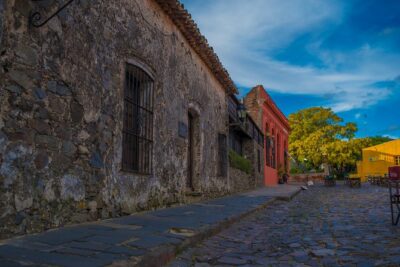
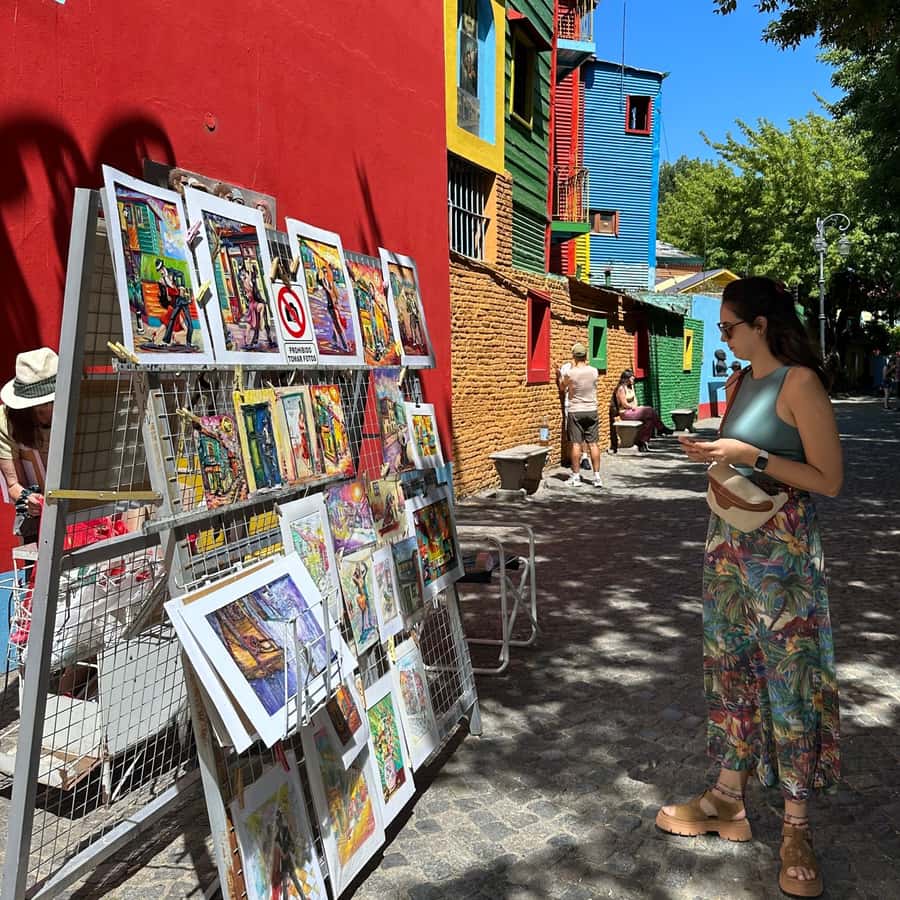
La Boca is famous for color, but this tour starts you in a smarter place: art and the people who made it mean something. You’ll walk the neighborhood while your guide explains how the community shaped its own identity through creativity and public spirit. It’s not just scenery—it’s context.
A big reason this works is the way Quinquela Martín shows up in the story. His influence is treated like more than a biography; it’s a lens for understanding what La Boca valued and why. If you’ve ever wondered why this area looks the way it does, this tour gives you the explanation.
You can also read our reviews of more walking tours in Buenos Aires
Meeting at the Benito Quinquela Statue and getting your bearings
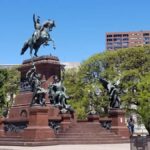
Your tour meets at the Benito Quinquela Statue, then you start walking from Av. Don Pedro de Mendoza 1921. That’s a useful choice because it plants you right where the tour’s main theme lives, so you’re not spending your first few minutes playing catch-up.
You’ll also want to bring your passport or ID card since it’s listed as required. The tour runs with a live guide who speaks Spanish, English, or Portuguese, and people in the reviews consistently mention that communication is easy—especially when guides match well to your language.
In practice, this setup helps if you arrive early or feel a little lost in Buenos Aires. The guide is there to get you oriented fast, and reviews highlight that some guides actively help people find the meeting place.
La Boca’s street life: immigration, working-class roots, tango motion
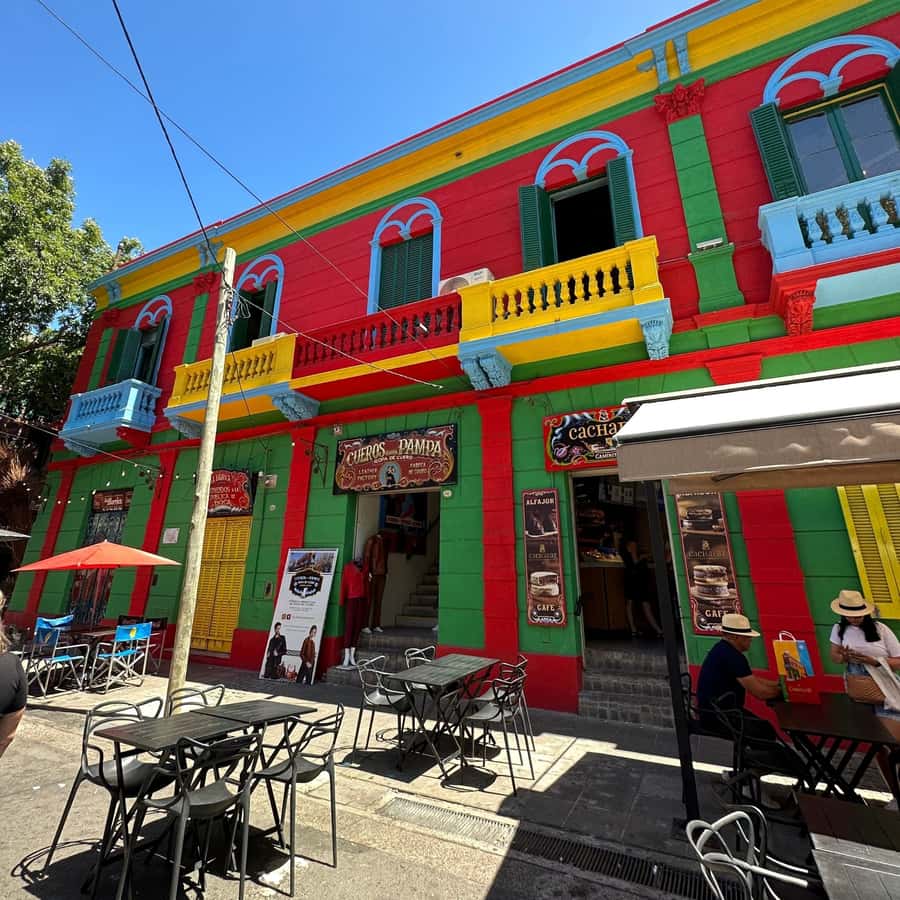
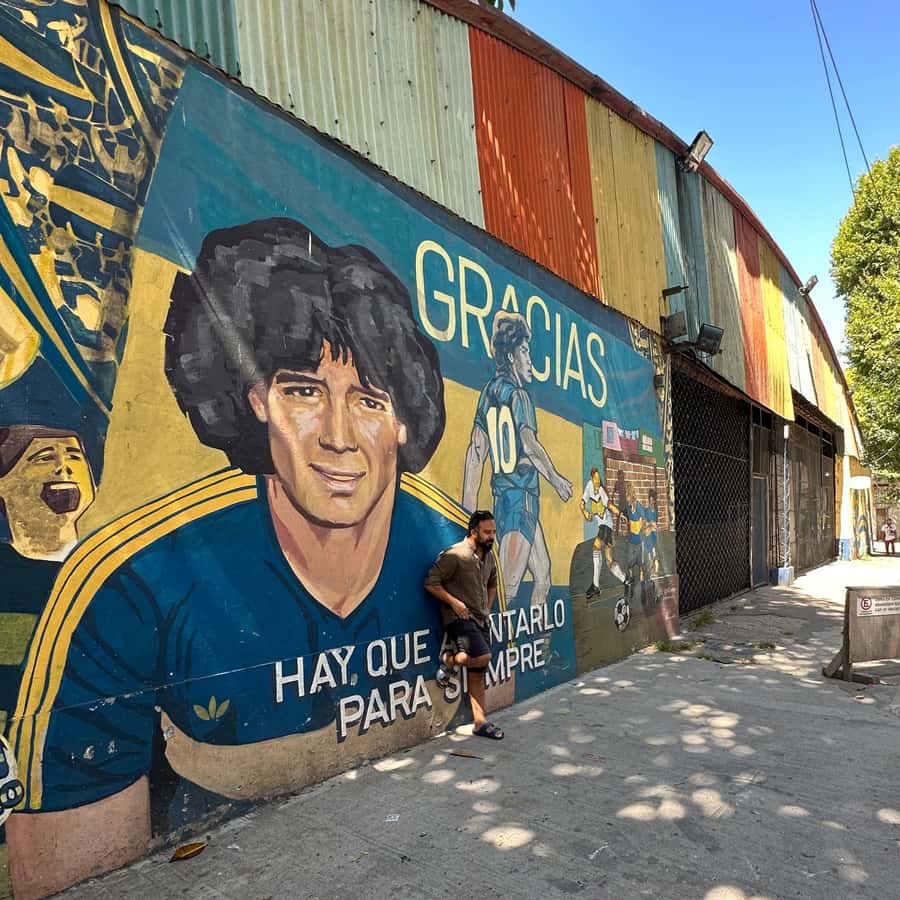
The heart of the experience is walking through La Boca while your guide connects the dots between immigration, neighborhood life, and the culture that grew out of it. You’ll hear how the community’s working-class roots shaped what people built, where they lived, and what they celebrated.
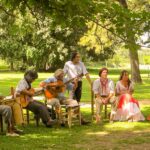
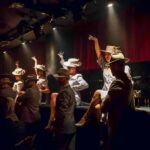
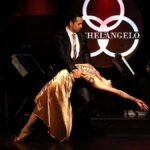
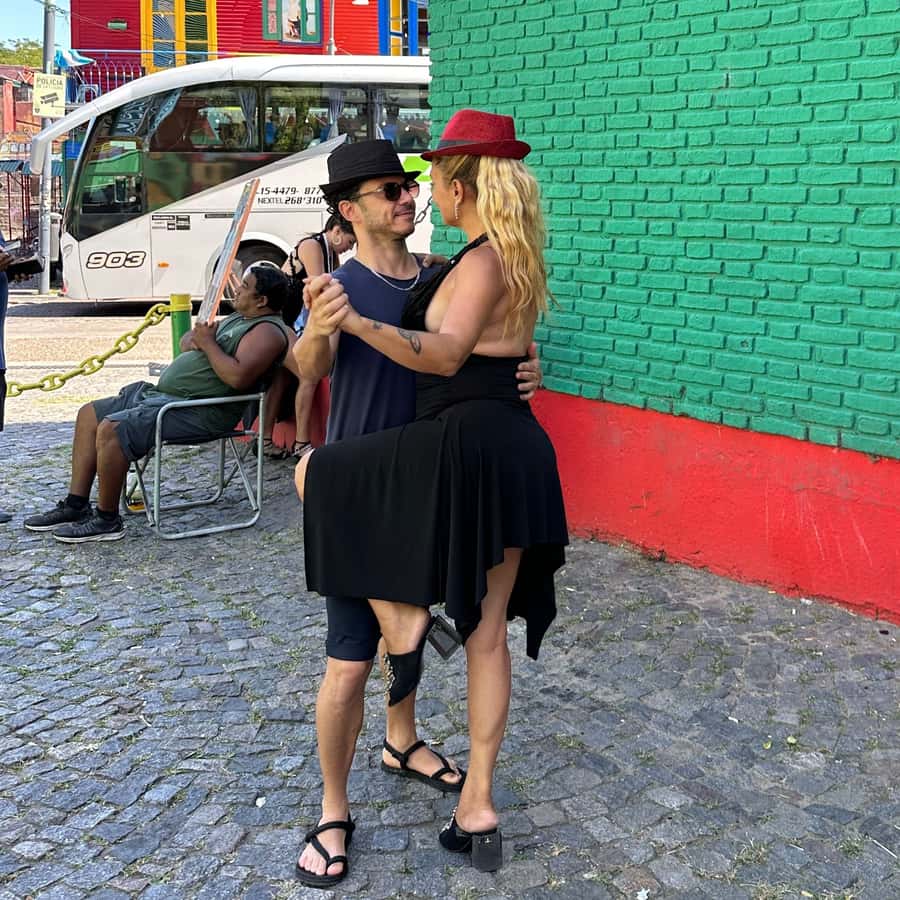
This is also where the tango element shows up. The tour’s highlight includes feeling the tango dance motion, and the way it’s presented is more about cultural atmosphere than a stage show. You’ll leave with a better sense of why tango fits here—how movement, music, and neighborhood identity travel together.
One thing I like about this portion is that it doesn’t force everything into one storyline. Instead, it keeps returning to the idea that art and football are social languages, not just hobbies. That approach makes the colorful streets feel less random.
The La Bombonera photo stop: football passion in two quick beats
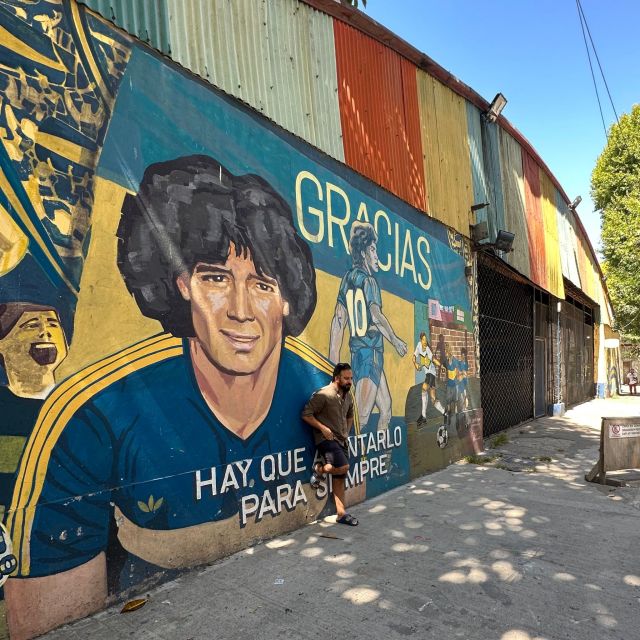
Yes, La Bombonera is famous. Here, you get it in a “see it, feel it” way: a photo stop plus the chance to hear the football passion behind the stadium. The tour frames the stadium as part of La Boca’s social life, which is exactly what makes it more than a photo quest.
Just don’t assume this is a full stadium tour. Your stop is described as a photo stop, so if you want behind-the-scenes access or an in-depth museum inside the venue, you may need to look for a different option. Still, for many people, seeing the stadium from the outside and hearing the local football context is enough to make the moment click.
If you care about Argentine football culture, this is one of the best payoff points in the whole route. It adds an emotional “now” to the neighborhood’s history, so you get both story and spectacle.
Museo Conventillo El Rincon de Lucia: housing that explains the people
A key stop is Museo Conventillo El Rincon de Lucia. This is where the tour turns from streets into lived history—specifically, a look at how people lived and how immigrant communities shaped domestic life.
The value here is simple: architecture and housing patterns are history you can actually picture. When you see how a conventillo (a type of shared home setting) worked, the neighborhood’s social story becomes easier to understand. This isn’t abstract; it’s about daily reality.
A small drawback is that museums can be a letdown if you’re short on patience that day. If you prefer only open-air walks and street views, you might want to keep your expectations realistic about how long you’ll spend inside.
You can also read our reviews of more historical tours in Buenos Aires


Benito Quinquela Martín Museum: art tied to everyday reality
Another highlight stop is the Benito Quinquela Martín Museum. This is where the tour’s art focus becomes more than a mention—it becomes a place. You’ll explore his impact through a guided visit, and you’ll connect that influence to what’s called the Riachuelo Art movement.
The Riachuelo link matters because it keeps the story local. Instead of talking about art as something floating above ordinary life, the tour treats it as shaped by the river, the labor, and the character of the area. If you like art that has a direct relationship to place, this museum stop is one of the most meaningful parts of the whole outing.
From the reviews, what stands out is how guides bring the museum and its context to life. People specifically praise guides for making the neighborhood story feel like you’re walking with a friend who knows the details—especially when it comes to art and how it connects to local identity.
Tango culture without a formal show
Even though the tour isn’t described as a performance, tango is part of the experience. The “tango dance motion” highlight points to how guides use rhythm and storytelling to help you feel the cultural beat of La Boca.
I like this approach because it doesn’t trap you into waiting for the right time of day for a show. Instead, you experience tango as part of the street-level mood and social identity that the tour is already exploring through immigration and art.
If you want actual tango choreography or a full dance lesson, you might need a separate activity. But if you want tango to make sense in context, this tour does a good job of weaving it into the walking narrative.
Tastings and included extras: wine or dulce de leche
Depending on your booking, the tour includes two out of three optional extras: Benito Quinquela Museum entry fee, free wine tasting, and dulce de leche tasting. That’s a nice perk because it adds sensory breaks that fit the neighborhood vibe.
The only catch is that the exact combination included isn’t listed as a fixed set. So when you reserve, check which of the options are included in your specific package. If wine tasting is your priority, confirm that it’s one of the two included choices.
These tastings aren’t meant to be a big food tour, but they do work well as short rewards during a walking route. They also give you something to remember beyond sights—sweet, salty, or boozy impressions that match the local character.
Price and value for a 150-minute La Boca walkthrough
At $46 per person for 150 minutes, this is positioned as a fairly focused, guided experience. You’re not paying only for walking around colorful streets; you’re paying for guided interpretation plus guided visits at at least two major cultural stops.
That’s where the value comes from. If you enjoy history with context—immigration, art movements, and football culture—then the $46 feels reasonable because you’re getting guided time where information actually helps you see what you’re looking at. In the reviews, people repeatedly highlight that the guide quality is a big part of why the tour feels worth it.
Also, the group stays active the entire time: you’re moving from point to point, stopping for photos, and entering museums. If you’re the type who gets bored when tours feel too slow or too photo-only, this format usually lands well.
Who this tour suits best (and who might want to adjust expectations)
This is a strong choice if you want an organized way to understand La Boca. It fits well for first-timers who want more than scenery—especially if you care about how art can represent a neighborhood, not just a famous individual.
It’s also a good fit if Argentine football is part of your travel interest. Even with the stadium stop being a photo stop, the tour uses that moment to connect football to local identity.
If you dislike museum time, you’ll still get plenty of street views, but two guided stops inside may not be your ideal day. And if you’re hoping for a full stadium experience or a tango show, you’ll likely want additional activities to round that out.
A practical packing checklist for the day
This tour asks you to bring an ID card or passport. Beyond that, think like a local-walk shopper: comfortable shoes matter because it’s a walking itinerary with multiple stops.
If you have a sun-sensitive body, bring something to manage heat and brightness. You’ll be outside a lot between museum visits and photo stops. If you’re cold-sensitive, plan for shifting evening temperatures too, since Buenos Aires weather can change depending on the season.
If you want to take photos, you’ll likely use La Bombonera as a clear moment to get your shots. Just remember it’s a stop, not an extended indoor visit.
Should you book this La Boca art and history walking tour?
If you want La Boca to make sense—art, immigration, and football in one coherent route—this is a smart booking. The price feels fair for the guided time and museum stops, and the reviews emphasize that guides are warm, friendly, and good at keeping the story flowing.
I’d especially recommend it if you like tours that interpret what you see. Walking through colorful streets is fun, but understanding why those colors and stories exist is the part that sticks.
If you’d rather only see the neighborhood from the outside and skip museums, you might find this a bit structured. But for most visitors, this blend hits the sweet spot: history you can picture, art you can connect, and one big football moment to bring it home.
FAQ
Where does the tour start?
You’ll meet your guide at the Benito Quinquela Statue.
How long is the Buenos Aires La Boca Art and History Walking Tour?
The tour lasts 150 minutes.
Is hotel pickup or drop-off included?
No, hotel pickup and drop-off aren’t included.
What’s included in the tour price?
You get a walking tour with a guide, plus two of these options: Benito Quinquela Museum entry fee, free wine tasting, and dulce de leche tasting.
Which languages are available for the guide?
The live guide is available in Spanish, English, and Portuguese.
Is the tour wheelchair accessible?
Yes, it’s listed as wheelchair accessible.
What should I bring?
Bring your passport or ID card.
Is cancellation free?
Free cancellation is available up to 24 hours in advance for a full refund.
Are there any special booking rules?
Bookings are accepted with 24 hours in advance. Solo travelers are asked to confirm availability directly with Experience Baires before or after booking.