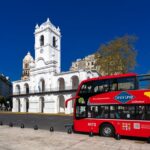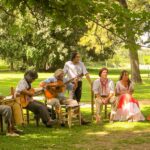
Buenos Aires can feel huge. This private tour keeps it focused, mixing major landmarks with photo stops and tight local context. I especially like the way you get guidance at each place, so you’re not just looking at buildings, and I also like the air-conditioned private car with WiFi when the city heat hits. One thing to plan for: some big-name entries, like Teatro Colón and Recoleta Cemetery, require extra admission.
The route is designed for a 9:00am start and a 4–5 hour window, so you’ll cover a lot without dragging your feet. You’ll see the city’s political center, modern waterfront, classic neighborhoods, and Recoleta’s cultural zone—while still having brief chances to step out for pictures. If you hate quick stop times and prefer long museum hours, this may feel like too much “stop-and-go.”
If you want a smart first taste of Buenos Aires (or a fast refresh of highlights), this tour is a strong fit. It’s priced per group (up to 4), so it can be a good value when you’re splitting costs, and it’s private, which helps the guide pace the day to your interests.
In This Review
- Key Highlights to Expect
- Private Buenos Aires Tour: Price and What You Actually Get
- Starting at 9:00am: How the Pace Works in 4–5 Hours
- Obelisco to Plaza de Mayo: Getting Your Bearings Fast
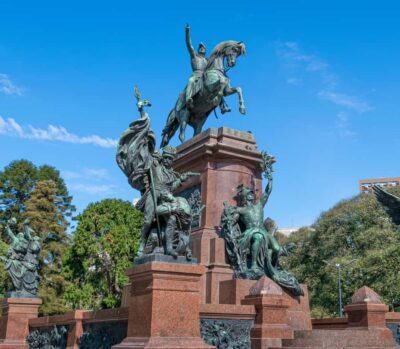
- Casa Rosada and the Metropolitan Cathedral: San Martín’s Resting Place
- The May Pyramid and Congress Area: Patriot Symbols in Plain Sight
- Puerto Madero to Puente de la Mujer: Modern Buenos Aires with Tango Flair
- San Telmo and Plaza Dorrego: Markets, Independence, and Old Streets
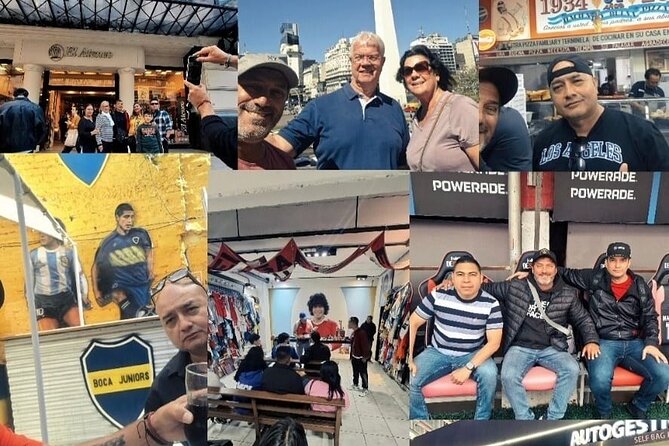
- La Boca: Caminito Color, Cultural Memory, and Boca Juniors Stadium Photos
- Palermo and Tres de Febrero Park: Big Public Design Meets Green Space
- Fine Arts in Recoleta: Museum Area, Craft Fair, and La Biela
- Recoleta Cemetery and Teatro Colón: Two Optional Pay-Ins
- El Ateneo Grand Splendid: The Bookstore Inside a Historic Theater
- What Makes This Tour Feel Worth It: The Guide Factor
- Practical Tips So Your Day Runs Smooth
- Should You Book This Buenos Aires City Tour?
- FAQ
- How much does the Buenos Aires city tour cost?
- How long is the tour?
- Where does the tour start and finish?
- What’s included in the price?
- What admission fees are not included?
- Is this a private tour?
- Can I cancel for a refund?
Key Highlights to Expect
- Private transport, not public transfers: You ride in an air-conditioned vehicle with WiFi, plus fuel surcharge is included.
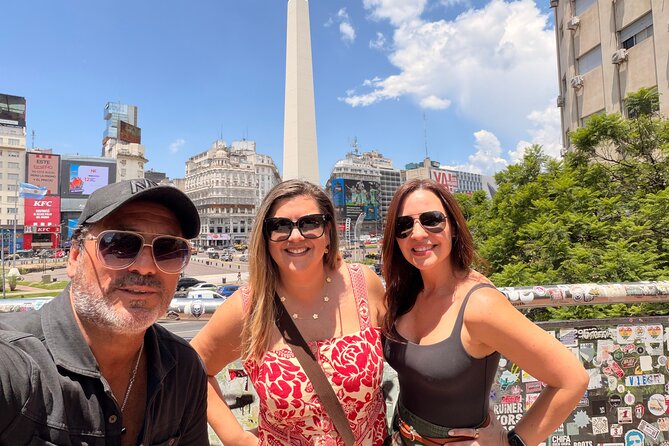
- Photo-friendly city icons: Obelisco viewpoints, Casa Rosada surroundings, and Puente de la Mujer are built for quick picture moments.
- Historic core in one sweep: Plaza de Mayo, the May Pyramid, and the Metropolitan Cathedral keep the political and patriotic story close together.
- Tango-to-football neighborhood jump: You move from Puerto Madero’s tango-style bridge into La Boca’s colorful streets and Boca Juniors Stadium photos.
- Palermo and Recoleta culture mix: Floralis Generica, Tres de Febrero Park highlights, and El Ateneo Grand Splendid show more than just monuments.
- Two add-on admissions you can control: Teatro Colón and Recoleta Cemetery are not included, so you decide if you want to pay.
Private Buenos Aires Tour: Price and What You Actually Get
The cost is $150.00 per group for up to 4 people, with a duration of roughly 4 to 5 hours. That format matters because Buenos Aires is spread out. Paying per small group with private car time can beat piecemeal taxi hopping, especially if you’re trying to cover both sides of the city in one morning.
This is also a comfort-forward tour. You get a guided experience plus private transportation in an air-conditioned vehicle, with WiFi onboard. If you’re traveling in warm months or you simply want less friction, that’s not a small perk—it’s what keeps the schedule from feeling like punishment.
One practical consideration: the stops are intentionally short, usually 10 to 30 minutes. That’s great for orientation and photos, but it does mean you won’t linger like you would on a slower neighborhood walk or a dedicated museum day.
You can also read our reviews of more guided tours in Buenos Aires

Starting at 9:00am: How the Pace Works in 4–5 Hours

The tour starts at 9:00am and ends back at the meeting point, so you’re not stranded at the far end of the route. The itinerary is built around timed photo breaks and quick guided context, then lots of “drive-to-the-next-area” momentum.
Your guide’s job here is translation—turning famous places into understandable story beats. Expect to hear the history behind the Obelisco, Plaza de Mayo, and Casa Rosada, then shift gears to neighborhood identity in places like La Boca, plus the city’s modern design moments in Palermo and Puerto Madero.
If you want the day to feel smooth, bring comfortable walking shoes and plan for quick transitions. Even if most sightseeing is outside, you’ll be stepping out for viewpoints and taking photos, often in busy areas.
Obelisco to Plaza de Mayo: Getting Your Bearings Fast
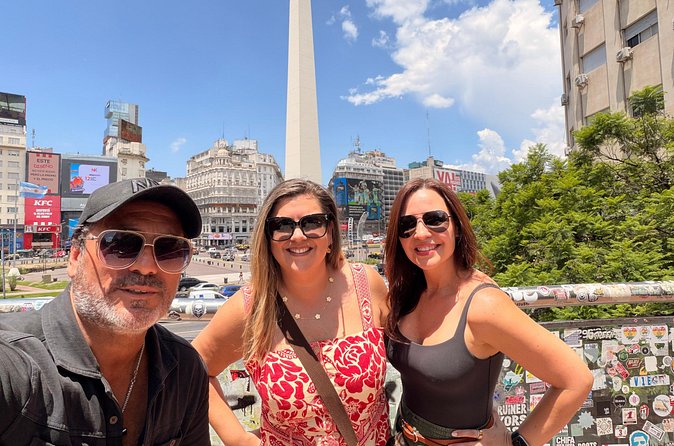
The first stop is the Obelisco, one of those Buenos Aires landmarks you’ve probably seen on posters and postcards. Here, you get its history plus specific viewpoints for photos—so you’re not just standing in front of it wondering what angle to pick.
Next comes Plaza de Mayo, the city’s historic square packed with important institutions and nearby attractions. You’ll spend a short window there with a guide explanation of why the square matters, not only what it looks like. This is the kind of stop that helps you understand the city’s political geography, because it ties multiple landmark points into one mental map.
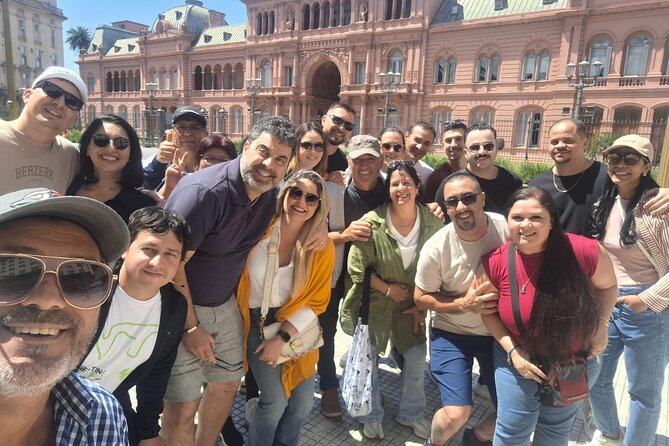
From there, the tour heads to Casa Rosada. You’ll learn its background and take photos around the official surroundings. Even if you’ve never studied Argentinian history, this stop usually clicks quickly because the site is so visually iconic.
Casa Rosada and the Metropolitan Cathedral: San Martín’s Resting Place
Inside Buenos Aires’s historic core, the Buenos Aires Metropolitan Cathedral is where the story turns from government symbolism to national remembrance. You’ll enter for photos and history learning, with a key detail: the remains of General San Martín rest in this cathedral.
This is also a good “tone shift” moment. After plazas and presidential imagery, you get a quieter, more solemn setting where the architecture does the talking. If you care about how countries remember their heroes, this is one of the most meaningful stops in the morning run.
The timing is short, so you won’t be doing a slow, multi-hour religious visit. Still, it’s enough time to see the space and connect it to the larger national story you just heard in Plaza de Mayo.
The May Pyramid and Congress Area: Patriot Symbols in Plain Sight
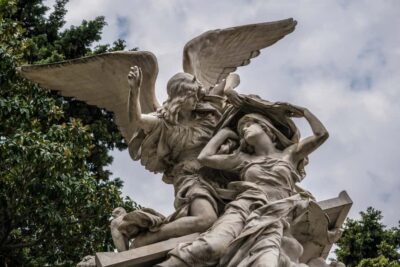
At Piramide de Mayo (May Pyramid), you’re looking at one of the earliest patriotic monuments of the city, positioned in the center of its plaza. The guide context helps explain why the monument matters and how it fits into Argentine independence symbolism.
From there, you’ll also pass by two more institutional style sights: a notable bar of the city (a reminder that public life isn’t only government) and a beautiful building where laws are voted on. These stops are brief, but they’re smart because they show you that Buenos Aires’s identity is split between politics and everyday culture.
If you like cities where civic life and street life sit side by side, you’ll appreciate how this tour keeps those connections visible.
You can also read our reviews of more city tours in Buenos Aires

Puerto Madero to Puente de la Mujer: Modern Buenos Aires with Tango Flair
After the historic center, the route shifts to Puerto Madero, a relatively young neighborhood and now a major gastronomic zone. This part of the tour is short but purposeful: it changes the mood from old-school government squares to modern waterfront energy.
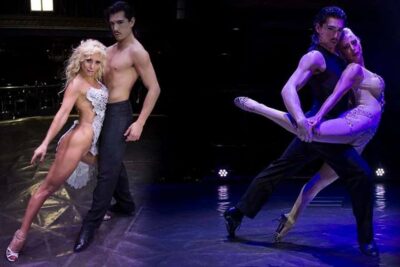
Then comes Puente de la Mujer, the famous bridge built by Santiago Calatrava. It’s shaped to look like two tango dancers in motion, and the timing is quick for a photo stop. Even if you’re not a tango superfan, you’ll see why people photograph this spot—it’s instantly recognizable and visually playful.
If you’re visiting in a season with clear light, you’ll usually get better photo results here. The bridge is designed to be photographed from different angles, so even a short break can work well if you know what you’re aiming to capture.
San Telmo and Plaza Dorrego: Markets, Independence, and Old Streets

Next you’ll head into San Telmo, where the tour visits Mercado San Telmo, a market that dates back to 1890. This is the kind of stop that breaks up the monument rhythm. You get to see a living commercial space and feel the neighborhood’s older character.
Then you arrive at Plaza Dorrego, a historic square tied to Argentine independence announced in 1816. Again, the guided context matters: it helps the square go beyond being just a place where you take a quick photo.
You’ll also stop at part of a 19th-century house that once served as quarters intended for enslaved people. This isn’t just “a photo stop.” It’s part of the city story that you might miss if you only focus on bright facades and famous icons. If you want Buenos Aires honestly—its achievements and its darker chapters—this moment adds needed weight to the day.
La Boca: Caminito Color, Cultural Memory, and Boca Juniors Stadium Photos
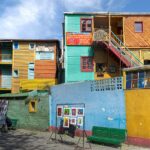
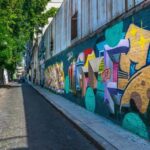
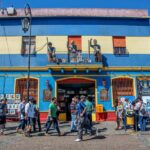
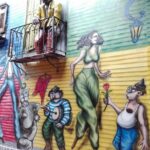
The tour moves into La Boca with a stop at Caminito, famous for its colorful alleys. This is where Buenos Aires becomes theatrical in a good way: bright walls, strong neighborhood identity, and an immediate sense of place.
From there, you’ll go to Estadio Boca Juniors for photos and history learning about the club and the neighborhood. Even if you don’t follow soccer, you’ll still come away with an understanding of how deeply La Boca is tied to football culture—this is not just a stadium. It’s local pride expressed in architecture and tradition.
If you want your city tour to include real community identity (not only famous buildings), this La Boca block is one of the most satisfying sections.
Palermo and Tres de Febrero Park: Big Public Design Meets Green Space
After La Boca, the tour heads toward Palermo, mixing modern art, university buildings, and park highlights.
You’ll see Floralis Generica, the pop monument established in the 1990s. It’s one of the city’s most photographed pieces, partly because it’s easy to spot and partly because it looks almost sculpted for pictures.
The itinerary also includes passing by the Faculty of Law at the University of Buenos Aires, one of the thirteen UBA faculties. It’s a quick stop, but it adds another texture to the tour: Buenos Aires as an education center, not only government and tourism.
Then comes Tres de Febrero Park, often called the city’s green lung. You’ll have a stop window here that can connect several attractions: the Planetarium, Ecopark, and the Rose Garden of Buenos Aires. Even with a short time slot, it helps to know these are within the same park system—so the “green break” feels like more than a random pause.
Fine Arts in Recoleta: Museum Area, Craft Fair, and La Biela
In the Recoleta-side zone, you’ll pass by the Museum of Fine Arts area (time set as a stop in the plan). There’s also mention of a craft fair nearby, plus a notable bar called La Biela.
This is a practical stop for two reasons. First, it gives you something to look at besides monuments. Second, it highlights how Recoleta isn’t only about formal culture; it also has local life happening in the edges.
If you enjoy browsing in bookish or maker-style environments, this part of the route gives you a better “feel” for daily Buenos Aires than a full museum day might.
Recoleta Cemetery and Teatro Colón: Two Optional Pay-Ins
Two major Recoleta classics appear near the end of the tour: Recoleta Cemetery and Teatro Colón. The key detail is simple: admission fees for these are not included.
Recoleta Cemetery is an open-air cemetery and museum area where Eva Perón and Juan Manuel de Rosas are resting, and it’s one of the city’s most famous sights for visitors. Even a short, guided glimpse can give you the right context, but since entry requires extra payment, you’ll need to decide if it’s worth it for your day.
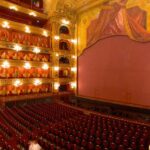
Teatro Colón is described with special emphasis on acoustics, and it’s also not included in the admissions. If you’re a culture person, you’ll probably want to plan for at least a quick inside visit—if not, the outside context from the tour still helps you place why it matters.
El Ateneo Grand Splendid: The Bookstore Inside a Historic Theater
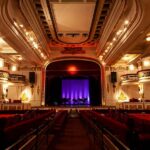
The final big highlight in this run is El Ateneo Grand Splendid, a famous bookstore in Recoleta. The standout detail is that it occupies the earlier theater space—so you’re walking into an old performance hall now turned into browsing heaven.
It’s a great stop for photos too, with a bar on the site’s historic stage. Even if books aren’t your main interest, this is one of those places where architecture and modern use create a memorable contrast.
If you only have one “slow” moment left after a packed day, make it here. You’ll enjoy it more if you take a few minutes just to look up and around.
What Makes This Tour Feel Worth It: The Guide Factor
This tour’s biggest advantage is the way the day gets explained. Guides in the experience are praised for being funny, patient, and able to handle questions without turning it into a lecture. Names that show up in the guide feedback include Demian, Federico, and Pedro, and they’re described as flexible with what people want to focus on.
That matters for you because Buenos Aires can be confusing at first. When a guide can connect Obelisco to Plaza de Mayo, or Puente de la Mujer to how people actually live in Puerto Madero, you get a clearer map in your head fast.
The best sign of quality here is pacing. A tour like this can easily become a “hit list.” Instead, the tone stays engaging and the schedule stays manageable for a 9:00am start.
Practical Tips So Your Day Runs Smooth
Here are the things I’d tell you to keep in mind so you enjoy the full 4–5 hours:
- Expect quick stops and plan for photos. Many sites are 10–20 minutes, so bring a phone charger and be ready when your guide gives viewpoint instructions.
- Have a casual plan for optional entries. Since Teatro Colón and Recoleta Cemetery aren’t included, decide early if those are musts.
- Dress for walking time. Even with lots of car time, you’ll step out for viewpoints and inside Cathedral access.
- Use the guide’s explanations to understand the city. The value isn’t only the places. It’s the story order.
Should You Book This Buenos Aires City Tour?
Yes, I’d book it if you want a smart, efficient introduction to Buenos Aires with real context and private comfort. It’s especially good for small groups of up to 4 where the per-group pricing keeps costs reasonable, and for first-timers who want a single morning that covers downtown history, Puerto Madero modern design, La Boca identity, and Recoleta culture.
Skip it (or book something slower) if you hate short stop times and want to spend long stretches inside museums, churches, and theater spaces. This tour is made for orientation and highlights—not deep, hours-long exploration.
If you’re unsure, think about your priorities: photos, story, and a smooth ride—that’s what this one is built for.
FAQ
How much does the Buenos Aires city tour cost?
It costs $150.00 per group (up to 4 people).
How long is the tour?
The duration is about 4 to 5 hours.
Where does the tour start and finish?
It starts at 9:00am and ends back at the meeting point.
What’s included in the price?
The guided tour, private transportation in an air-conditioned vehicle, WiFi on board, pickup from select locations, and fuel surcharge are included.
What admission fees are not included?
Admission fees are not included for Teatro Colón and Recoleta Cemetery.
Is this a private tour?
Yes. It’s private, meaning only your group participates.
Can I cancel for a refund?
You can cancel for a full refund if you cancel at least 24 hours before the experience’s start time.