REVIEW · BUENOS AIRES
Tailor-made Day Tour to San Antonio de Areco & Estancia El Ombu
Book on Viator →Operated by Areco Tradicion · Bookable on Viator
San Antonio de Areco and Estancia El Ombu is the kind of day trip that feels like two different worlds in one. You’ll get a guided walk through town highlights like the parish square and old-town buildings, plus hands-on gaucho life at the ranch with an asado lunch and music. I especially like how the day mixes culture (silver, town history, gaucho museums) with real ranch time you can actually see and do. The main thing to consider is weather: if it rains hard, the timing and some outdoor ranch activities can get affected.
What makes this outing work well is the pacing. You’re picked up from your Buenos Aires hotel, driven out in air-conditioned comfort, and then you move through Areco at a relaxed walking tempo with a bilingual guide. You also get a small-group feel (the description highlights up to seven people, while the overall cap is listed as 12), so you’re not stuck in a giant bus-and-cattle-car line.
In This Review
- Key things to know before you go
- Price and logistics: what $270 really covers
- Entering San Antonio de Areco: the town walk that sets the tone
- Museo Draghi and Areco’s silver craft culture
- La Olla de Cobre: the alfajores stop you’ll actually plan for
- Ricardo Güiraldes and the gaucho story behind the equipment
- Estancia El Ombu: horses, asado, and gaucho skills you can see
- Guides, group feel, and why the day can feel personal
- Who should book this tour (and who should rethink it)
- Should you book this San Antonio de Areco and Estancia El Ombu day tour?
Key things to know before you go
- Ruta 8 countryside drive: about an hour each way from Buenos Aires, with Pampas plains scenery as you roll in.
- Town tour that’s not just shopping: you’ll hit the parish area, the old municipal building, and a silversmith-focused museum.
- Chocolate stop that’s actually famous: La Olla de Cobre is known for chocolates and alfajores people come to Areco for.
- Ranch time is the centerpiece: tour the estancia, then choose horseback or carriage before lunch.
- Asado lunch + gaucho performance: meats grilled on a parrilla, dessert/coffee, and an equestrian skills show with traditional dance and music.
- Pool in summer: if you’re visiting during warmer months, there’s time to cool off at the estancia.
Price and logistics: what $270 really covers
At $270 per person for an ~9-hour day, this isn’t a budget excursion. But you’re paying for a packed itinerary that includes the big-ticket parts: guided town time, admission where listed, and a ranch day that comes with riding options, a full asado lunch, and entertainment.
Here’s what you should mentally budget around the price:
- Time. The departure starts around 8:30am, and you get picked up and dropped off from your Buenos Aires hotel. That convenience is a real value add if you don’t want to coordinate buses and taxis on your own.
- Inclusions. Museum stops (like the silver collection) and the estancia program are included, so you’re not constantly reaching for your wallet mid-day.
- Small-group experience. Even with the possible variation between a stated maximum of seven and a larger overall cap, the tour is still designed to feel personal rather than mass-participation.
One practical note: there’s no mention of luggage handling fees beyond potential excess luggage charges. So keep your bag manageable, especially if you’re planning to buy items in town (silver and chocolate are the temptation here).
You can also read our reviews of more tours and experiences in Buenos Aires.



Entering San Antonio de Areco: the town walk that sets the tone
The best version of this day starts when you arrive in San Antonio de Areco and realize it’s built for slow wandering. The drive in is short enough to make a full day trip work, and once you get there, your schedule is designed like a guided loop around town.
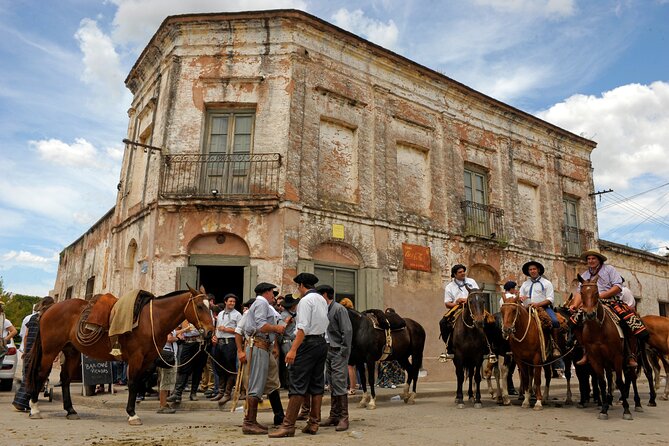
The first stop is the center of gaucho culture. You’ll be in the right place to understand why Areco is famous: it’s not just a scenery backdrop. It’s a living town that still organizes its identity around traditions tied to rural life.
Then you move into the historic heart of town around the parish of San Antonio de Padua. This part matters because the guide helps connect the architecture and layout to the story of the town’s early Spanish-era development (the parish square area links to construction around the 1730 timeframe). If you like history but don’t want a lecture, this is a good way to get orientation fast.
A small highlight I’d plan around: the tour includes a quick stop at the Municipality building area, where you can see the old colonial mansion feel—complete with a large interior patio, period tiles, an old well, and wrought-iron elements. It’s the kind of detail that makes “pretty buildings” turn into “oh, I get how this town was built.”
Consideration: Areco can feel quiet in parts, and there’s a strong shopping draw (silver crafts are a theme). If you prefer big monuments over artisan browse time, you might want to keep expectations flexible and think of this as cultural strolling with shopping as one optional layer.
Museo Draghi and Areco’s silver craft culture
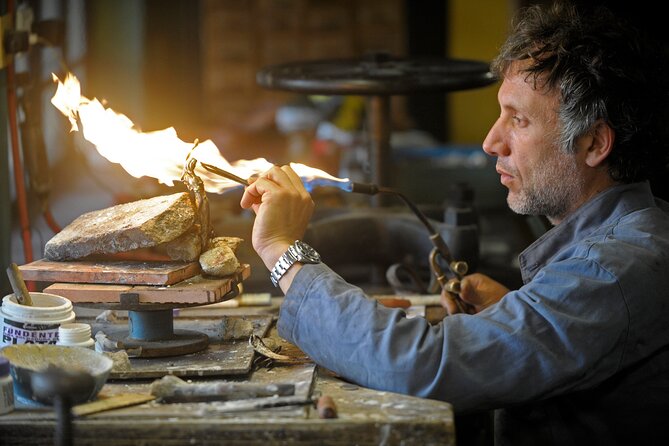
One of the more specific, stand-out inclusions is Museo Draghi, tied to Mariano Draghi’s private silversmith collection. This isn’t a vague “craft museum.” It focuses on how silversmith styles in Argentina evolved from the 19th century to today.
Why this stop is a value:
- You’re not just looking at objects; you’re looking at changes over time.
- You get a sense of how traditional techniques inspire later pieces, which helps you interpret what you’ll see in shops afterward.
If you’ve ever wondered why certain silverwork looks distinct from one region to another, this museum gives you the logic. It also makes shopping easier: you’ll recognize influences instead of buying random souvenirs.
From the guides you may run into, English levels can be excellent. Some days you’ll likely hear from hosts like Jessica or Enzo—both praised for being attentive, organized, and clear with explanations. That matters here because a craft-focused museum is only as good as the storytelling around it.
La Olla de Cobre: the alfajores stop you’ll actually plan for
If you eat sweets in a controlled way (meaning you try), you’ll still probably fail a little during the chocolate stop. La Olla de Cobre is widely known in the province, and people come specifically to San Antonio de Areco for chocolates and alfajores.
This stop is brief, which is good. It keeps the schedule moving and keeps it from turning into a sugar marathon. But it’s enough time to:
- pick up classic alfajores for gifts,
- grab a few chocolates for later,
- and taste the difference between “restaurant dessert” and “this is a local specialty.”
My advice: go into this stop with a small plan. Decide whether you want sweets only, or if you also want something for family. Then keep your time tight so you don’t rush while deciding.
Ricardo Güiraldes and the gaucho story behind the equipment
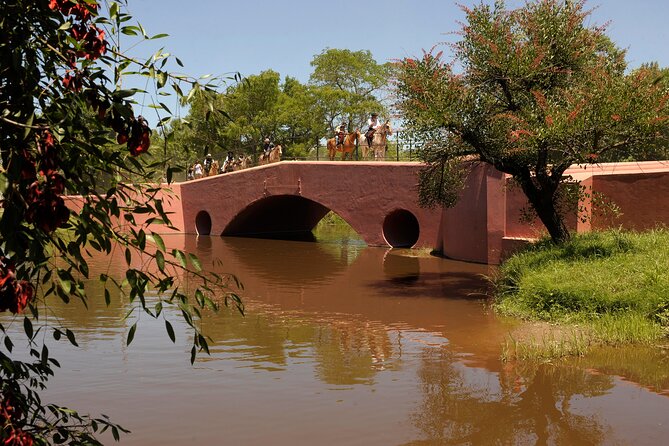
After the food and crafts, you’ll head to Museo Gauchesco y Parque Criollo Ricardo Güiraldes. The focus here is the gaucho’s past—customs, equipment, and how gauchos earned their living—plus context tied to the writer Ricardo Güiraldes.
This museum works best as a bridge. By the time you reach it, you’ve seen town history and craft culture. Now it explains the rural culture that shaped both the architecture and the identity of Areco.
One reason I like this stop: it answers the unspoken question. You’re not only meeting gauchos as performers later. You’re learning what the tools and customs were for, so the ranch show doesn’t feel like a random cultural performance. It feels like something with roots.



Estancia El Ombu: horses, asado, and gaucho skills you can see
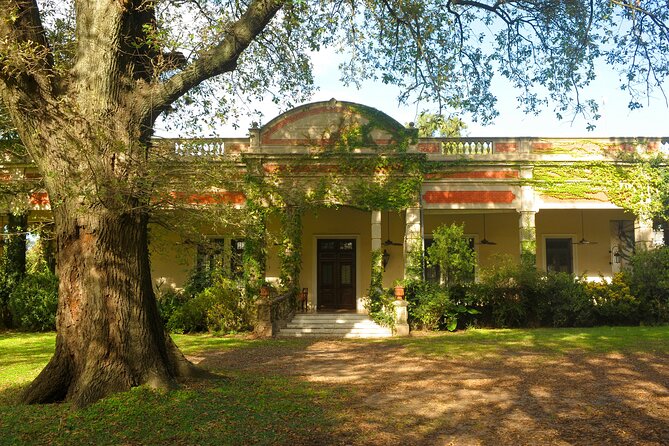
This is the heart of the day. Estancia El Ombu sits about 15 minutes from town in the middle of the Pampas plains. The estancia is spread over around 400 hectares, which helps explain why the ranch experience includes riding and outdoor performances rather than just a short walk.
You’ll get a guided tour of the estancia first, then you choose between horseback ride or carriage ride. People love this moment because it’s not just watching—it’s doing, even if you’re not an experienced rider. If you’re cautious, choose the option that matches your comfort level. The goal is to experience the space and the rural rhythm, not to force bravery.
Then comes lunch: a classic asado spread grilled on an Argentine parrilla, served with salad, drinks, dessert, and coffee. Vegetarian, vegan, and celiac options are available if you request them. That’s important because it means the ranch meal can fit more diets than the usual “one sad veggie plate” situation.
After lunch, the program turns into performance and music. You’ll watch gauchos demonstrate equestrian dexterity, and you’ll also enjoy traditional Argentine music and dance. Several guides are praised for how they manage this portion—keeping the atmosphere friendly and letting you absorb what you’re seeing instead of feeling hurried.
One real-world consideration: outdoor programs depend on weather. There’s at least one case of rain affecting the day’s activities. If you’re going in a season where storms are possible, keep a flexible mindset. You can still have a great day, but you may see the schedule adjust.
Another contingency you should know: on rare occasions, the estancia you expect might change if El Ombu isn’t available due to capacity. So, when you receive confirmation, make sure it names the estancia you’re set for.
Guides, group feel, and why the day can feel personal
The small-group setup is not a gimmick here. When your group is kept tight, the guide can slow down for your questions and keep the day flowing without you feeling like a passenger in a conveyor belt.
You may meet guides and hosts praised for different strengths:
- Enzo is frequently singled out for strong history context and an easy, patient pace.
- Jessica earns praise for being attentive and for making the day feel smooth from start to finish.
- Andres is highlighted for gaucho-life history and overall care.
- Pierena is praised for excellent English and detailed explanations.
- Juliet is mentioned for meeting guests locally in town and helping them connect with craftsmen and shop owners.
Even the driver matters when you’re leaving early and returning late. Names like Santiago show up in praise for smooth, capable transport.
In short: the quality of the day often tracks with the guide. This tour tends to perform well when the guide is invested—and the reviews show that happens a lot.
Who should book this tour (and who should rethink it)
This day trip is ideal if you want:
- culture you can walk through (parish square, colonial municipal building),
- artisan craft context (silver evolution at Museo Draghi),
- food with a place behind it (alfajores and chocolate at La Olla de Cobre),
- and a ranch experience where you can ride and watch gaucho performance.
You might reconsider if:
- you hate structured schedules and prefer purely free time,
- you’re expecting a big-city museum day instead of rural tradition plus crafts,
- or you get disappointed when outdoor plans can change with rain.
Also, if you’re very focused on shopping, you may love Areco’s artisan vibe (silver and chocolate are the big themes). If you’d rather see fewer shops and more history-only stops, you can still enjoy it, but you may want to set your expectations accordingly.
Should you book this San Antonio de Areco and Estancia El Ombu day tour?
Yes, I think you should book it if you want an honest taste of Argentina beyond Buenos Aires—town history plus Pampas ranch life in one day, with asado lunch and riding as the centerpiece.
This tour feels like good value because so much of it is included: guided town time, multiple stops with admissions, and a full estancia program rather than a quick photo-op. The best outcomes often come from the small-group setup and from guides who genuinely know the story behind what you’re seeing—especially when you get a guide like Enzo, Jessica, or Andres.
My “smart check” before you go: look at your expectations for weather-dependent outdoor activities and make peace with the idea that a rain day can shift the flow. If you can do that, you’ll likely come away with the kind of day that mixes learning, eating, and a real connection to gaucho culture.