REVIEW · BUENOS AIRES
Buenos Aires: Teatro Colon Guided Tour
Book on GetYourGuide →Operated by Travel Argentina · Bookable on GetYourGuide
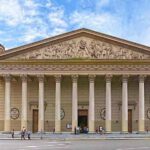
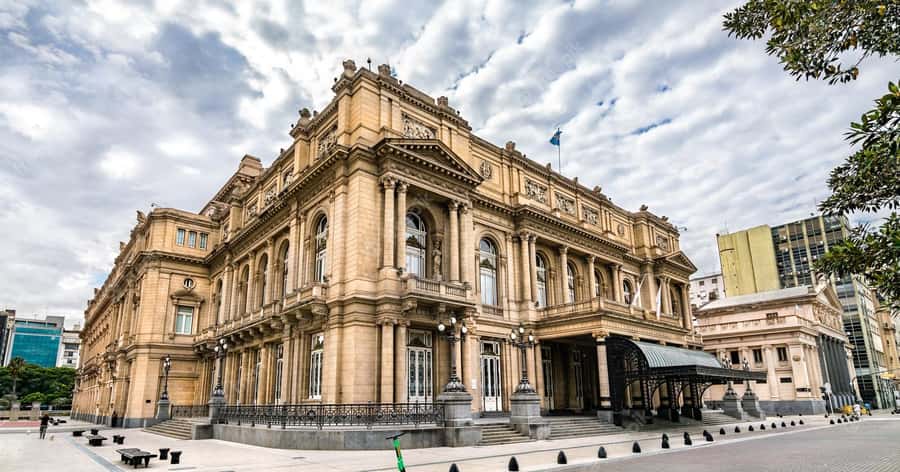
Teatro Colón is the kind of place that makes you lower your voice. This guided visit walks you through an Argentina icon, from grand early-1900s halls to the famous horseshoe auditorium built for serious sound.
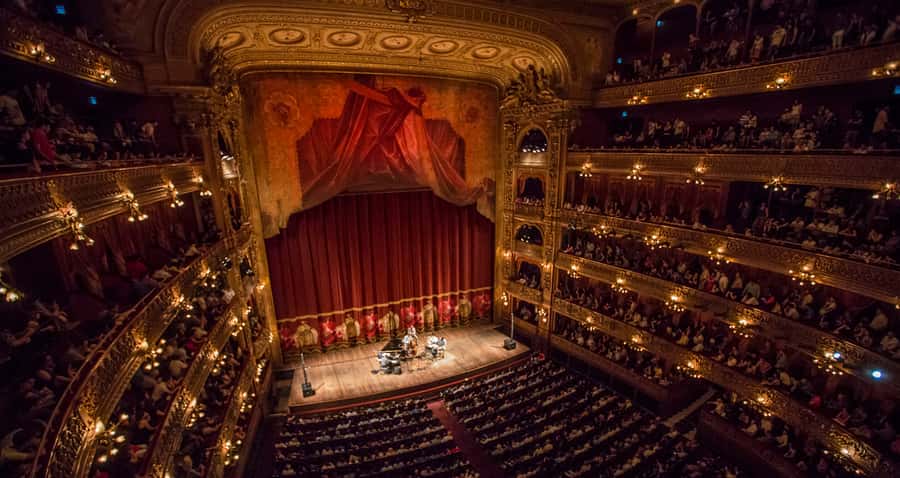
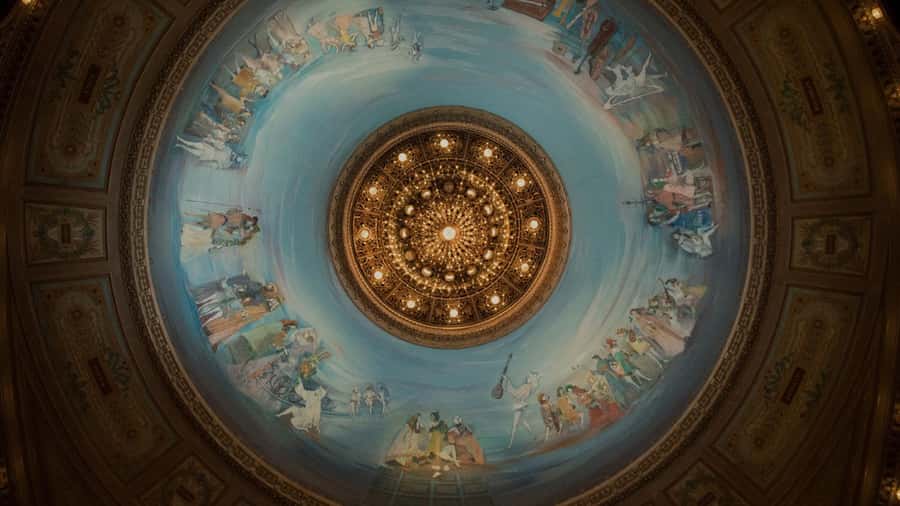
I love two things most: the horseshoe-shaped theater (it’s famous for acoustics for a reason), and the ceiling frescoes by Raul Soldi right above your head.
One heads-up: the experience can feel a bit crowded, and depending on the day’s setup you might deal with dim lighting and harder-to-hear narration in the main hall.
In This Review
- Key highlights to look for
- Entering Teatro Colón: the QR check and where to go
- Walking the early-1900s halls in the right mood
- The horseshoe auditorium: why shape is tied to sound
- The chandelier with 700 light bulbs (and the lighting reality)
- Raul Soldi ceiling frescoes: the part you’ll want to linger on
- Backstage areas: what’s included and what can vary
- How long it takes: pacing, group size, and hearing the guide
- Price and value: is $49 fair for Teatro Colón?
- Who should book this tour (and who might want a different plan)
- Best times to go: English and Spanish departures
- Should you book this Teatro Colón guided tour?
- FAQ
- How long is the Teatro Colón guided tour?
- Where is the meeting point?
- Do I need a specific ticket format to enter?
- What languages are available?
- What time options are available for English tours?
- What time options are available for Spanish tours?
- Is hotel pickup and drop-off included?
- Is the tour wheelchair accessible and is there a minimum age?
Key highlights to look for
- Horseshoe auditorium acoustics: learn why shape matters for what you hear
- Chandelier with 700 light bulbs: see the theater’s signature lighting detail
- Raul Soldi ceiling frescoes: stop and actually look upward
- Backstage access: you’ll explore behind the scenes, when areas are open
- Live guides in multiple languages: English and Spanish options with set daily start times
Entering Teatro Colón: the QR check and where to go
Your tour starts at Tucumán 1171. When you arrive, don’t plan on using a basic booking email or a general voucher. You’ll enter the theater by showing the PDF ticket sent via WhatsApp with its QR code. If you bring the wrong document, you can get stuck at the door.
This is one of those tours where arriving a little early pays off. You want time to find the right entrance area, check your QR, and settle in before your group is called. Think of it like lining up for a performance: the timing is part of the experience.
Also bring passport or an ID card, plus comfortable shoes. The building is impressive, but you’ll still be doing a guided walk with a fair amount of standing and moving.
You can also read our reviews of more guided tours in Buenos Aires


Walking the early-1900s halls in the right mood
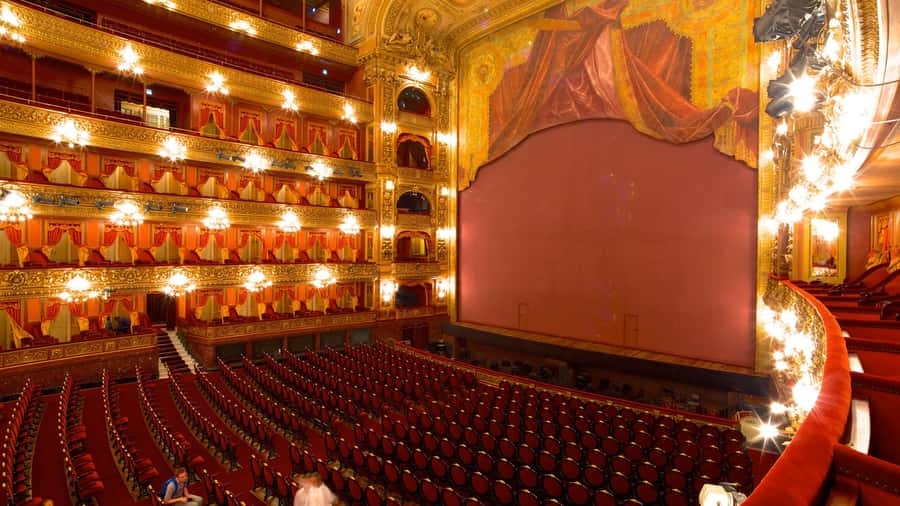
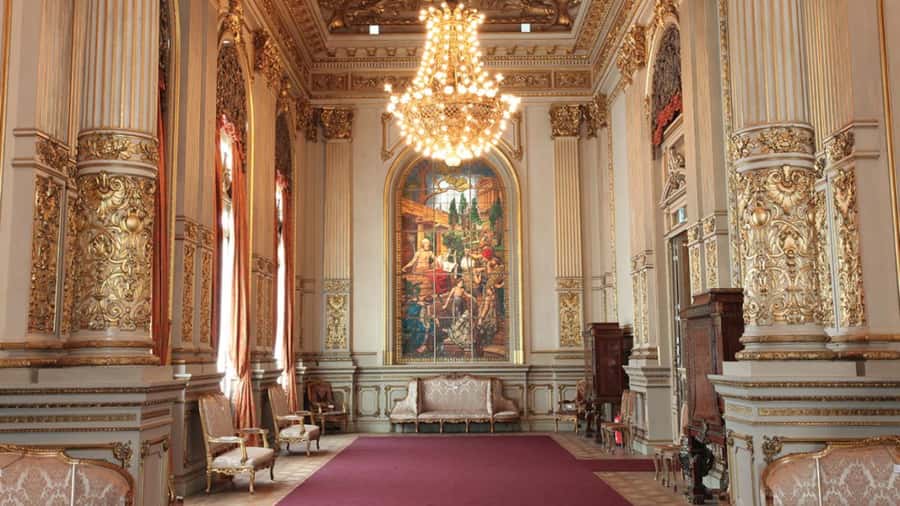
Once inside, the tour focuses on the spaces people don’t always notice from the street. You’ll move through majestic halls tied to the opera house’s early life, with enough time for photos without rushing. It’s the kind of building where you can’t just stare forward; you’ll naturally look up, down, and side to side, because details keep appearing.
What makes these halls valuable is context. Your guide isn’t just pointing at rooms. They’re explaining what this kind of venue represented in Argentina’s cultural world—and how theater operations and design reflect that mission. That angle turns a “pretty building” into something you can place in time.
If you like architecture and public art, you’re in a good spot. One of the best surprises is how cleanly the building feels maintained, not museum-dusty or neglected. You get to see it as something still cared for, not only remembered.
The horseshoe auditorium: why shape is tied to sound
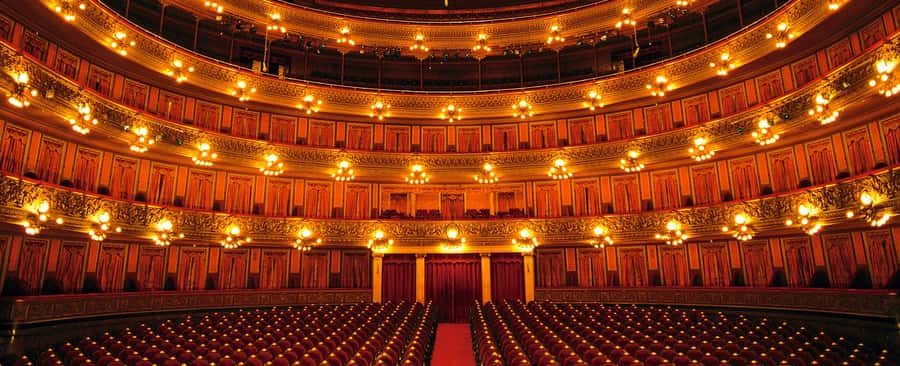
The big star is the horseshoe-shaped auditorium, and the tour spends real time on it. You’ll understand the practical side of the reputation: the form of the room supports the way voices and instruments travel. In other words, it’s not just a pretty layout—it’s designed so performances can sound like they belong to the space.
This is where I’d tell you to slow down. Even if you’re not a trained music person, you can still appreciate what the guide is pointing out: the way seating and geometry work together, and why this venue is often mentioned among the top opera houses when people talk about acoustics.
Many tours skim the auditorium quickly. This one treats it like the centerpiece it is, and that matters, because it’s the difference between seeing Teatro Colón and actually understanding why it matters.
The chandelier with 700 light bulbs (and the lighting reality)
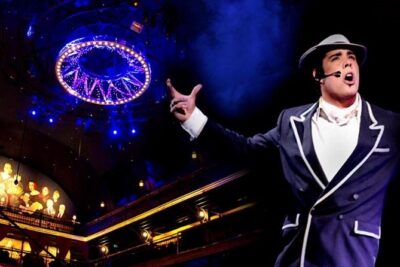
Teatro Colón is famous for its chandelier with 700 light bulbs. On a good day, the lighting makes the space feel dramatic in the way photographs can’t quite capture. But here’s the real-life factor: theaters don’t always keep everything lit for tours.
Some days, you may get brighter views; other times, the auditorium can be in total darkness for a lighting test or staging activity. Even then, you’ll still be able to look and listen—but don’t expect perfect “every photo will come out” conditions.
If photos are a priority for you, come with two approaches:
- Plan to shoot when lights are on, not when you’re waiting for the best moment.
- Accept that some angles will be low-light. In dim spaces, phones can struggle, and that’s not your fault.
Also note sound: a few people reported that in certain situations there wasn’t a microphone, or the guide’s voice was harder to catch—especially if your group is large.
Raul Soldi ceiling frescoes: the part you’ll want to linger on
Look up during this tour. A highlight is the ceiling frescoes painted by Raul Soldi. This isn’t just background decoration. It’s a visual layer that turns the auditorium into a ceiling-and-sky kind of experience, not a simple room.
Why this matters for you: if you’re visiting on a short Buenos Aires trip, it’s an easy win. You don’t need specialized art history. You just need time to notice scale, brushwork, and the way the artwork frames the performance space.
The guide’s narration helps you see what you’re looking at. With the frescoes, that’s the difference between a quick glance and a memory you’ll keep.



Backstage areas: what’s included and what can vary
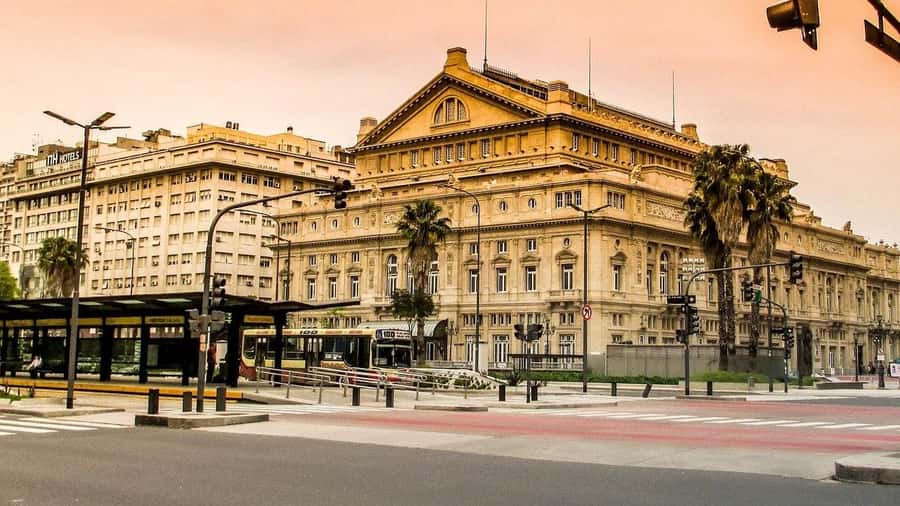
The tour also includes exploration of backstage areas. That’s a big part of why this guided format feels worth it: you get a sense of what happens behind the curtain, not only what happens in front of it.
That said, there are two practical realities to know:
- Depending on what’s open that day, you might get more or less access to backstage spaces.
- If the theater is running other activities, some areas may be limited for timing or safety.
A couple of people felt disappointed when the tour seemed to focus more on public spaces (lobby and lounge areas) than the deeper backstage route. So if backstage is your number-one goal, go in with flexible expectations and let the guide show you everything that’s available.
How long it takes: pacing, group size, and hearing the guide
You’re looking at about 1 hour. That’s a nice length for the Colón format: long enough to cover the highlights, short enough to fit into a busy Buenos Aires schedule.
Still, the tour length and group size can affect your experience. Some groups can run large, and in those moments it can be tougher to hear clearly, especially if you’re not near the front. A few people noted issues like crowding or needing to keep people together, which can make the route feel a bit controlled rather than relaxed.
The good news: the guides often do a great job keeping people interested. Names that came up in English/Spanish service included Ottavio, Lucia, and Martin—and you can feel the difference when a guide can answer questions without turning the tour into a lecture.
If you care about audio, pick a start time when you can arrive with minimal stress and position yourself where you can hear. And if your guide doesn’t have a microphone on a particular day, just lean in and don’t rely on perfect volume.
Price and value: is $49 fair for Teatro Colón?
At $49 per person for 1 hour, this isn’t a low-cost activity. So the value question is simple: do you want a guided visit at the Colón’s official pace, or would you rather pay less by booking directly through the theater?
Some people felt it was pricey for the time, and a few mentioned they would have preferred booking directly with Teatro Colón staff for a lower price. Others still called it costly but worth it because the tour is efficient, organized, and helps you see things you might miss on your own.
Here’s how I’d judge value if you’re deciding:
- If you want context (acoustics, design choices, what you’re looking at in the frescoes), you’ll likely feel the $49 is justified.
- If you only want “stand in the auditorium, take photos,” then you might feel it’s money-heavy for what you personally get.
One more value point: this tour includes skip-the-ticket-line entry. That matters at Teatro Colón, where lines can get long. Buying the ticket isn’t the same as being processed quickly into the building, and this helps your schedule.
Who should book this tour (and who might want a different plan)
This tour fits best if you’re:
- An opera fan, or even just curious about why certain opera houses become legends
- Into architecture and art, especially ceiling-level details like Raul Soldi’s frescoes
- Traveling with someone who wants a guided overview in English or Spanish
- Looking for an option that is wheelchair accessible
It may be less ideal if you:
- Hate crowds and want a quiet, small-group pace every step of the way
- Expect guaranteed backstage depth every time (access can depend on what’s running)
- Need perfect lighting for photos every minute of the visit
Best times to go: English and Spanish departures
Tour times are set daily. English tours run every day at 11:00 AM, 12:00 PM, 1:30 PM, and 3:00 PM. Spanish tours run every day at 10:30 AM, 11:30 AM, 12:30 PM, 1:30 PM, 3:30 PM, and 4:30 PM (with extra times added in 2025).
If you’re flexible, pick a time that matches your energy. A later start can be great if you’re strolling Buenos Aires in the morning, but keep in mind the theater schedule and group flow.
Should you book this Teatro Colón guided tour?
Yes, if you want the most efficient way to see the Colón’s biggest “why it’s famous” features in one hour. The horseshoe auditorium, the 700-bulb chandelier, and the Raul Soldi ceiling frescoes are exactly the kind of landmarks that benefit from a live guide who can connect the visuals to the theater’s function.
Skip it—or choose a different approach—if you’re chasing a bargain or if your heart is set on deep backstage access every single time. In that case, you may want to compare options and time your visit carefully.
FAQ
How long is the Teatro Colón guided tour?
The tour lasts about 1 hour.
Where is the meeting point?
The meeting point is Tucumán 1171.
Do I need a specific ticket format to enter?
Yes. Once you enter the theater, you’ll need to show the PDF ticket sent via WhatsApp with its QR code. The GetYourGuide voucher alone is not valid for entry.
What languages are available?
Tours are offered in English and Spanish (and selecting language options when booking may include Portuguese as well).
What time options are available for English tours?
English tours run daily at 11:00 AM, 12:00 PM, 1:30 PM, and 3:00 PM.
What time options are available for Spanish tours?
Spanish tours run daily at 10:30 AM, 11:30 AM, 12:30 PM, 1:30 PM, 3:30 PM, and 4:30 PM.
Is hotel pickup and drop-off included?
No. Hotel pickup and drop-off are not included.
Is the tour wheelchair accessible and is there a minimum age?
Yes, the tour is wheelchair accessible, and the minimum age is 5 years old.