REVIEW · BUENOS AIRES
Buenos Aires: Empanadas and Alfajores Guided Cooking Class
Book on GetYourGuide →Operated by BsAs Mio Turismo · Bookable on GetYourGuide
Cooking in Argentina isn’t just about food. It’s a way of joining people.
This Buenos Aires empanadas and alfajores guided cooking class happens in a real household setting in San Telmo, where you learn the dough, the fillings, and the key sealing technique with mate on the side.
I especially like two things. First, you get hands-on practice with the empanada “repulgue” (the signature crimp/seal), not just watching. Second, the group stays small—up to 8 people—so the chef/host can actually answer questions as you go.
One possible drawback: the empanada fillings can feel a bit limited depending on the night. A couple of people wished for more than one filling variety, so if you’re a super-curious eater, go in expecting mainly one main flavor path plus vegetarian options.
In This Review
- Key Highlights You’ll Actually Care About
- Why Empanadas, Alfajores, and Mate Work So Well Together
- Getting Started at Paseo Colón 1355 (San Telmo)
- Inside the Kitchen: Empanadas Dough, Fillings, and the Repulgue Seal
- What fillings should you expect?
- Pace and attention
- Mate Time: Making and Drinking the Traditional Herbal Tea
- Alfajores Workshop: Corn Starch Cookies and Dulce de Leche Filling
- Why corn starch matters
- What You’ll Eat (And Why This Class Feels Like Dinner, Not a Snack)
- Group Size, Teaching Style, and How Hands-On It Actually Is
- Language: English or Portuguese (and Why That Helps More Than You Think)
- Price and Value: Is $37 Actually a Good Deal?
- Recipes After the Class: What to Do If You Want Them
- Who Should Book This Class (and Who Might Skip It)
- Should You Book This Buenos Aires Empanadas and Alfajores Class?
- FAQ
- Where is the meeting point?
- How long is the cooking class?
- How much does it cost?
- What languages are offered?
- How big is the group?
- Is the class wheelchair accessible?
- What is included in the price?
- Is wine included?
- Are there refunds if my plans change?
- Will I get recipes after the class?
Key Highlights You’ll Actually Care About
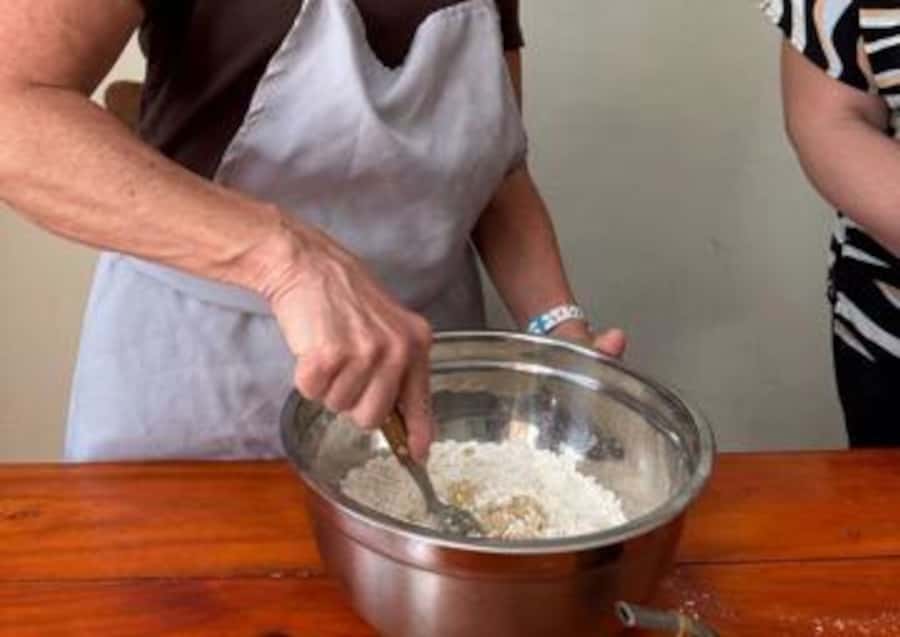
- Real household setting in San Telmo: you’re cooking where Buenos Aires life looks and feels normal
- Empanadas with proper sealing technique: you learn the repulgue so the filling stays put
- Mate ritual with the traditional setup: you learn what’s going on before you sip
- Alfajores from scratch: corn starch cookies plus a dulce de leche center
- Small group (max 8): more attention, less standing around
- You eat everything you make: it’s not a demo with leftovers only
Why Empanadas, Alfajores, and Mate Work So Well Together
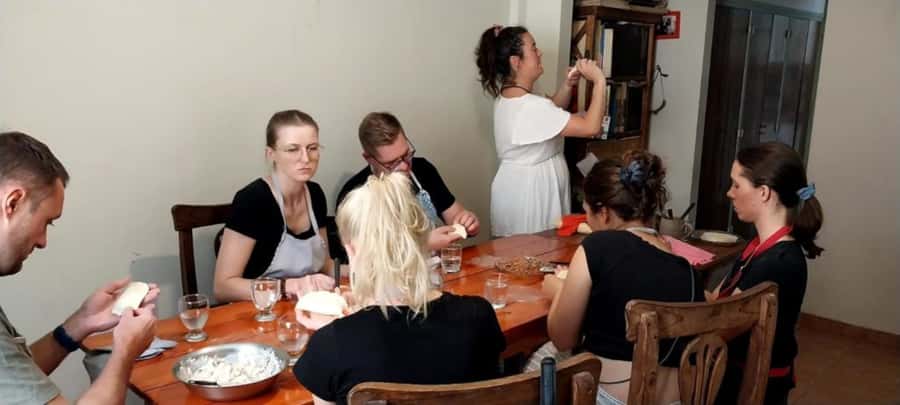
Argentina’s comfort-food lineup is built for sharing. Empanadas are portable, alfajores are sweet, and mate is basically a social habit. Put those three together and you get a class that feels like an evening with people, not a food factory.
What makes this experience practical is that you learn skills you can reuse. Empanada dough technique, filling prep, sealing, and basic alfajores assembly are all repeatable at home. Even the mate part helps because it’s not just tasting an herbal drink; it’s learning the rhythm of how people prepare and pass it around.
The setting also matters. Multiple hosts in different sessions include names like Thomas, Sophia/Sophie, and Maria, and the common thread is that you’re welcomed into someone’s space and guided through the work at a human pace.
You can also read our reviews of more guided tours in Buenos Aires

Getting Started at Paseo Colón 1355 (San Telmo)
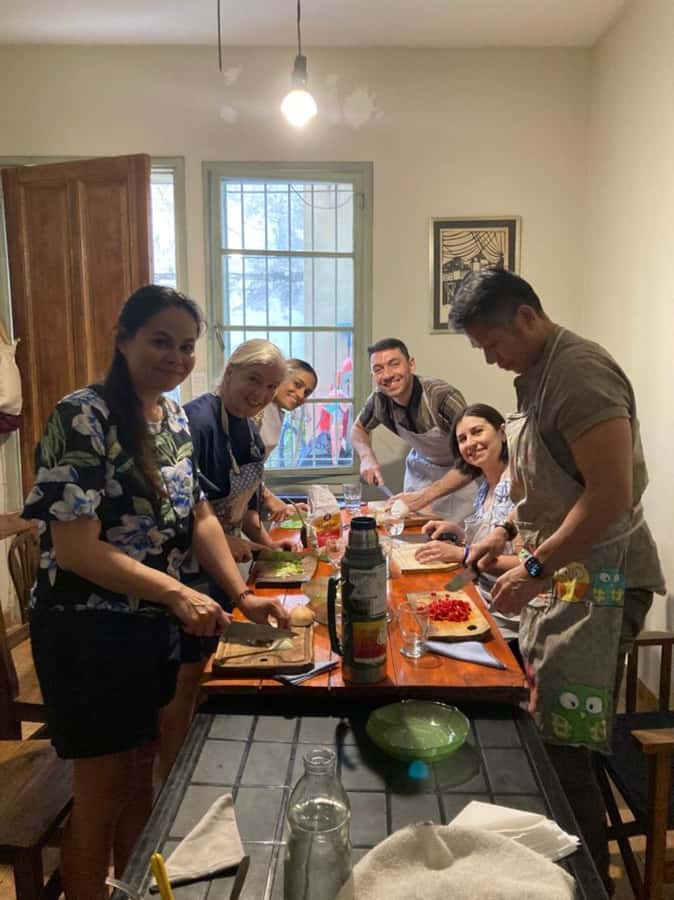
Your night begins at Paseo Colón 1355 in San Telmo. Plan to arrive a little early so you can settle in before the cooking ramps up. You’ll ring the bell at the starting time.
This address is in an area where you’ll likely spend time walking around anyway, which is nice. If you’re building an evening plan, think of the class as your anchor: you can stroll San Telmo first, then focus on cooking once you get there.
Because the group is small, don’t treat this like a “drop in any time” activity. If you arrive late, you’ll miss setup steps—especially for things like the mate ritual and the early dough stages.
Inside the Kitchen: Empanadas Dough, Fillings, and the Repulgue Seal
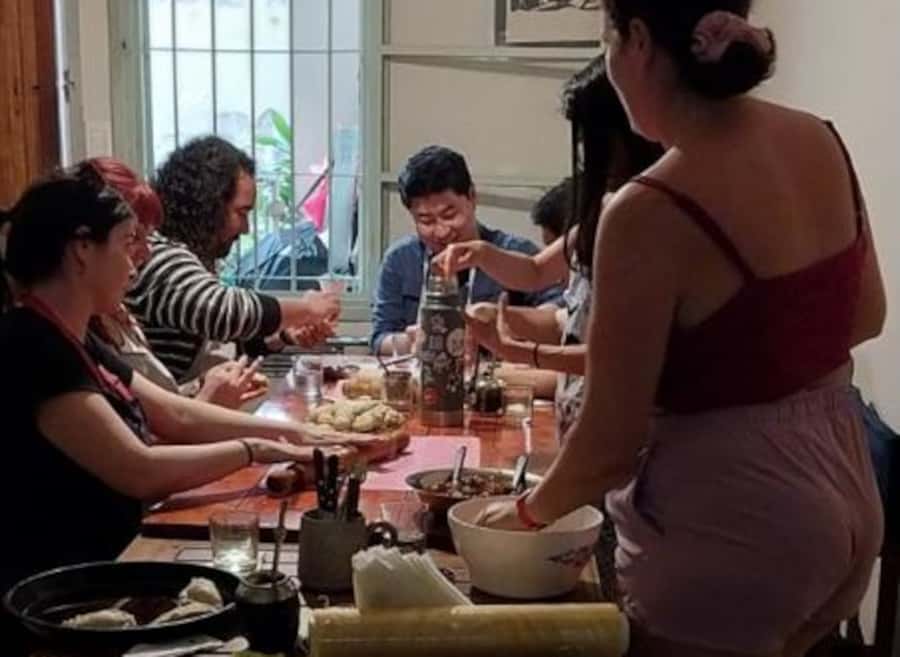
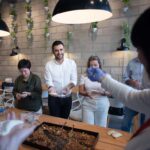
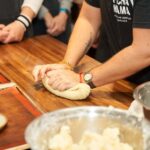
Empanadas are the star. You’ll learn how to make the dough and fillings step by step, then shape and seal them. The key skill is the repulgue, the crimped edge that both seals and identifies a real empanada.
Here’s what I find useful about learning the repulgue properly: it’s not just for looks. A good seal keeps filling from leaking, which means better texture and less mess when the empanadas are baked or fried (depending on how your host handles it that night).
What fillings should you expect?
The class is built around Argentine empanadas with a variety of savory fillings. In practice, the menu can shift by session. You’ll generally see meat-focused filling and you’ll also have vegetarian alternatives available.
A note from experience-based feedback: one person wished they’d had more than one empanada filling variety (instead of repeating a similar meat filling). So if your dream empanada is a pick-and-choose buffet of fillings, keep expectations aligned with a typical class structure.
Pace and attention
Because the group is capped at 8, you shouldn’t be stuck watching from across the room. You’ll be actively making. Still, if you’re seated at the far end of the table, you might have a harder time seeing every tiny step up close—so when the instructor demonstrates a technique, try to shift your angle or lean in for that moment.
You can also read our reviews of more cooking classes in Buenos Aires

Mate Time: Making and Drinking the Traditional Herbal Tea
Mate isn’t an afterthought here. You’ll learn how to prepare it in the traditional way and then you’ll drink it during the class flow.
Mate has a structure—how it’s set up, how it’s served, and when you pass it along. That’s why it feels different from ordering tea. It becomes part of the pacing of the evening: you cook, you sip, you talk.
If you’ve never had mate before, this is a good introduction because you’re not left guessing. The class explains the process so you understand what you’re doing rather than just trying a strong, grassy drink and hoping you figure out the rest.
Alfajores Workshop: Corn Starch Cookies and Dulce de Leche Filling
After empanadas, you pivot to dessert: alfajores. These are beloved Argentine treats, typically made with cookies (often using corn starch) and a dulce de leche filling.
In this class you’ll prepare alfajores using the key components: corn starch cookie dough and dulce de leche as the filling. Then you’ll assemble and enjoy what you make. That matters because alfajores are easy to “almost” get right at home unless you understand the cookie texture and handling.
Why corn starch matters
Corn starch helps create that tender, delicate cookie bite. When you’re taught and guided, you’re more likely to get the texture right the first time rather than ending up with cookies that are either too tough or too crumbly.
You don’t just taste alfajores. You build them. That’s the difference between a dessert you sampled and a dessert you can repeat.
What You’ll Eat (And Why This Class Feels Like Dinner, Not a Snack)
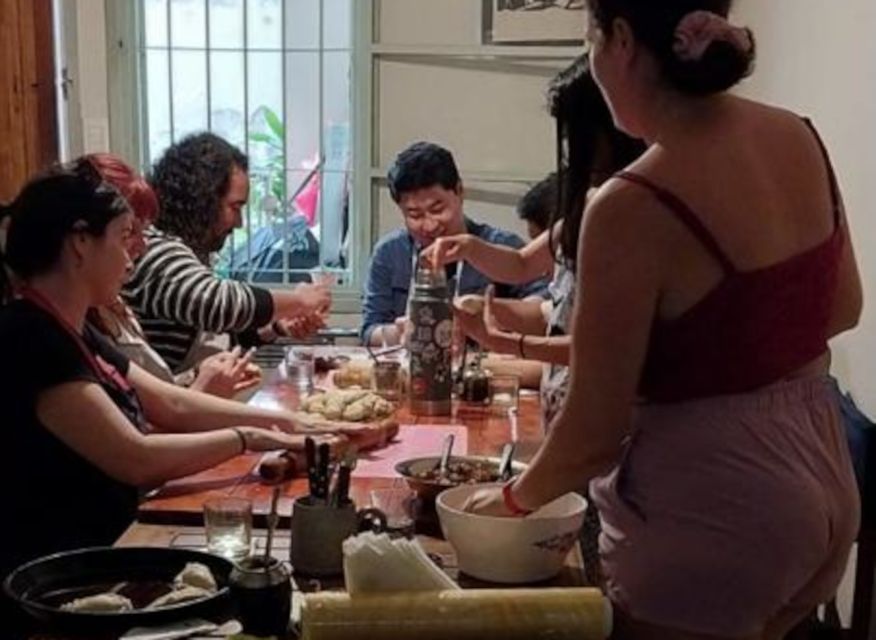
The class includes a meal, plus mate and water. The big point: you don’t leave with a bag of something you barely tasted. You eat the results of your work.
That’s a practical advantage in Buenos Aires. You’ll likely be eating out a lot while you’re there. This is one evening where you get a full meal experience without having to decode menus or worry about whether you ordered the right thing.
One more detail: portions can be generous. Multiple people emphasize that you end up with plenty of food from the empanadas and alfajores you make, so you can treat this as a dinner plan.
Group Size, Teaching Style, and How Hands-On It Actually Is
This workshop is listed as wheelchair accessible and limited to small group sizes (up to 8). In real life, that small number is what makes it work.
You’re actively involved: prepping, shaping, sealing, and assembling. Some hosts bring a warm, family-energy vibe. Others focus more on technique with a calm, professional tone. But the feedback pattern stays consistent: people feel welcomed, and the instruction keeps moving.
If you’re worried about cooking confidence, here’s what I’d do: lean into the early steps. Dough and filling consistency matter, and that’s where having someone standing nearby helps a lot.
There was also feedback that explanations could be clearer for less experienced cooks. That doesn’t mean the class is hard. It means you should ask questions early—before you’re deep into shaping—so you don’t spend the rest of the session adjusting your plan.
Language: English or Portuguese (and Why That Helps More Than You Think)
The instructor language options are English and Portuguese. That’s useful because cooking is heavy on timing and small technique cues.
When language lines up, you catch things like texture targets and sealing habits faster. You’ll also feel more comfortable asking questions mid-task, which makes the class more fun and less stressful.
Some hosts have English comfort and can add humor without turning the lesson into a lecture. If you like teaching that feels like conversation, this style usually lands well.
Price and Value: Is $37 Actually a Good Deal?
At $37 per person for a 3-hour small-group cooking class, the value mostly comes down to what’s included and what you learn.
Included items are a cooking class with ingredients, mate, water, and the meal. That’s a lot for one price because you’re not paying separately for the raw food, the teaching, and dinner.
You’re also paying for something harder to quantify: the meal + technique + cultural details in a real home setting. When that combination clicks, $37 can feel like one of the most practical things you do in Buenos Aires. You get skills you can repeat and a memory tied to your own hands-on effort.
If you’re the type who only likes “hands-off” food experiences, this class may not feel like your best use of time. But if you like cooking and want a guided way to nail Argentine staples, it’s strong value.
Recipes After the Class: What to Do If You Want Them
You’ll likely want recipes so you can recreate the empanadas and alfajores later. Based on the feedback, recipes are shared, but the process can vary by session.
A smart move: if recipes matter to you, ask when you’re there how you’ll receive them and confirm you’ll get them before you leave. One person specifically wished they had received the recipes and another described that access required following instructions online. You don’t need to panic—just make it clear you want the full set.
Who Should Book This Class (and Who Might Skip It)
This class fits best if you want:
- Hands-on Argentine cooking you can repeat later
- A social evening in a small group
- Learning experiences tied to food culture, not only food taste
It’s also a good family-style option because teenagers and older kids can handle shaping, sealing, and assembly with guidance, and everyone ends up eating together.
Consider skipping if:
- You’re mainly interested in a large menu variety (especially multiple empanada fillings in one go)
- You want a mostly observational show rather than active cooking
- You care deeply about getting recipes through a super simple method with zero follow-up (you might need to confirm how you’ll receive them)
Should You Book This Buenos Aires Empanadas and Alfajores Class?
My take: yes, if you’re in Buenos Aires and you want an evening that mixes technique with culture in a real household setting. The small group size, the hands-on empanada shaping (including repulgue), and the fact that you eat what you make are the big wins.
Book it if you love the idea of learning a skill, not just collecting photos. It’s also a solid choice for solo travelers or couples who want an easy way to meet people without forcing conversation.
Before you go, do two quick things: plan to arrive on time at Paseo Colón 1355 and decide in advance what you’ll ask about. If you care about filling variety or recipe delivery, mention it early so your host can set expectations and help you get what you want from the class.
FAQ
Where is the meeting point?
You meet at Paseo Colón 1355 in San Telmo. Ring the bell at the starting time of the class.
How long is the cooking class?
The class lasts 3 hours.
How much does it cost?
It’s $37 per person.
What languages are offered?
The instructor provides the experience in Portuguese and English.
How big is the group?
It’s a small group, limited to 8 participants.
Is the class wheelchair accessible?
Yes, the activity is wheelchair accessible.
What is included in the price?
Included are the cooking class, ingredients, mate, water, and a meal.
Is wine included?
No. Wine is available for purchase, but it is not included.
Are there refunds if my plans change?
Yes. You can cancel up to 24 hours in advance for a full refund.
Will I get recipes after the class?
Recipe sharing is mentioned in feedback, but the exact delivery process can vary. If you want the recipes, ask how you’ll receive them before you leave.