REVIEW · BUENOS AIRES
River Plate Stadium and Museum Guided Tour
Book on GetYourGuide →Operated by BUENOS AIRES PASS · Bookable on GetYourGuide
A stadium tour can feel like a quick photo stop. This one mixes River Plate’s museum with on-field access, so you leave with context, not just pictures. I like the skip-the-line setup because it keeps the day moving, and I appreciate having a private guide who can tailor explanations to your pace. The one thing to watch is that parts like the tunnel or changing rooms can change due to matches, concerts, cleaning, or renovations.
If you want football stories with real detail, you’ll enjoy this. I also like that it’s not just about trophies on a wall—your guide connects big moments (including Argentina’s 1978 World Cup win) to the stadium you’re standing in. A potential drawback: without transfers included, you’ll want to plan your own way to the meeting point and arrive early enough to avoid last-minute stress.
In This Review
- Key highlights to know before you go
- River Plate’s “El mas grande” vibe: why this tour feels bigger than football
- Skip-the-line entry at the River Plate Museum: the time-saving move
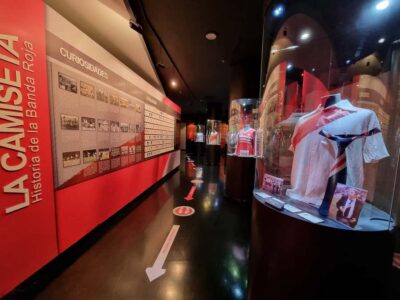
- Museum walkthrough: the club’s story from humble beginnings to modern glory
- The rival effect: Boca Juniors, the “5 greats,” and why it shapes what you see
- Stadium time in Núñez: what 86,000 seats feels like
- Tunnel access and visitors’ changing room: the matchday reality check
- What’s included: tickets, museum entry, the tunnel zone, snack, and souvenirs
- Guides in real life: the difference a private guide can make
- Price and logistics: when this tour is a smart buy
- What to bring so your tour day stays comfortable
- Who this tour suits best (and who should adjust expectations)
- Should you book the River Plate Stadium and Museum guided tour?
- FAQ
- How long is the River Plate Stadium and Museum guided tour?
- Where is the meeting point for the tour?
- What’s included in the $117 per person price?
- Does the tour include skip-the-line service?
- Which areas of the stadium do we visit?
- Is a snack included?
- Are transfers in and out included?
- What languages are the live guides available in?
- Is the tour wheelchair accessible?
- What are the payment and cancellation options?
Key highlights to know before you go
- Skip-the-line entry using a separate entrance so you spend less time queueing.
- Private guide for a more personalized pace and Q&A while you walk.
- Museum + matchday areas: stadium visit plus the tunnel and visitors’ changing room (when available).
- Included snack and souvenirs so you don’t have to hunt for basics on site.
- English, Portuguese, and Spanish guidance for smooth explanations.
- Wheelchair accessible tour route, with the right approach planning for your needs.
River Plate’s “El mas grande” vibe: why this tour feels bigger than football
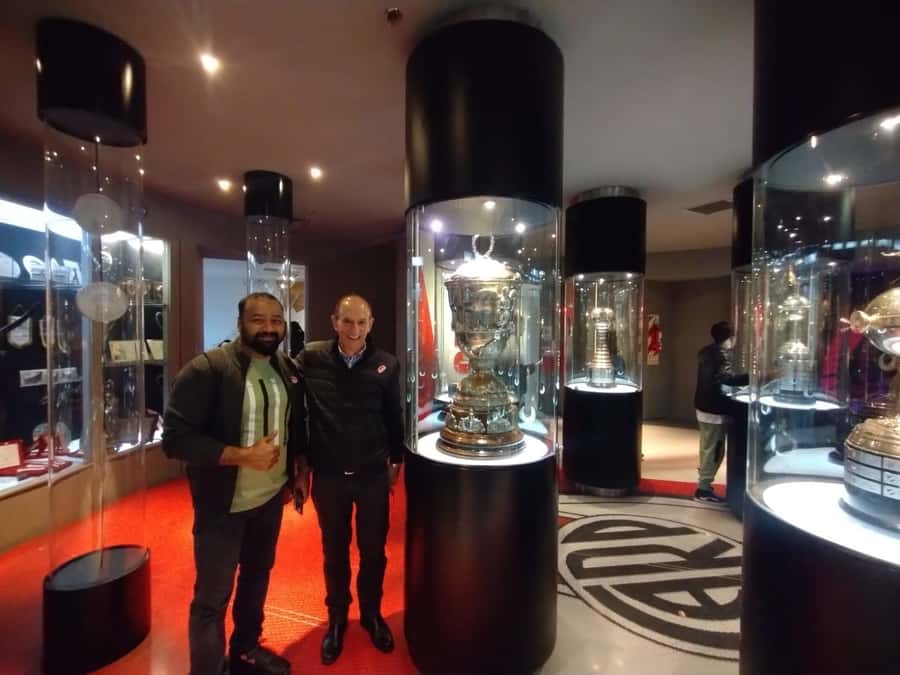
River Plate fans call it El mas grande, and once you’re inside the museum-and-stadium flow, you get why. This club is more than 100 years old, and it draws millions of supporters not only across Argentina but also around the world. You’re not just looking at a building; you’re standing in a place that carries decades of emotion.
The stadium sits in the Buenos Aires neighborhood of Núñez, and it holds 86,000 spectators—an enormous stage where both club triumphs and national milestones have played out. Your guide usually frames what you’re seeing inside that scale: where people stand, why matchday matters, and how River Plate became part of Argentina’s identity.
You can also read our reviews of more guided tours in Buenos Aires


Skip-the-line entry at the River Plate Museum: the time-saving move
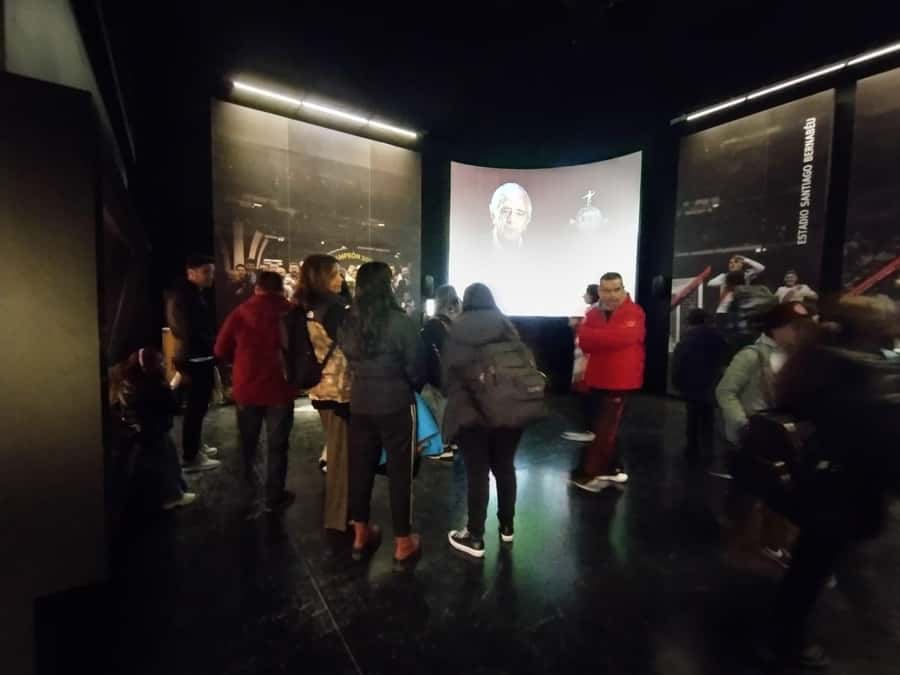
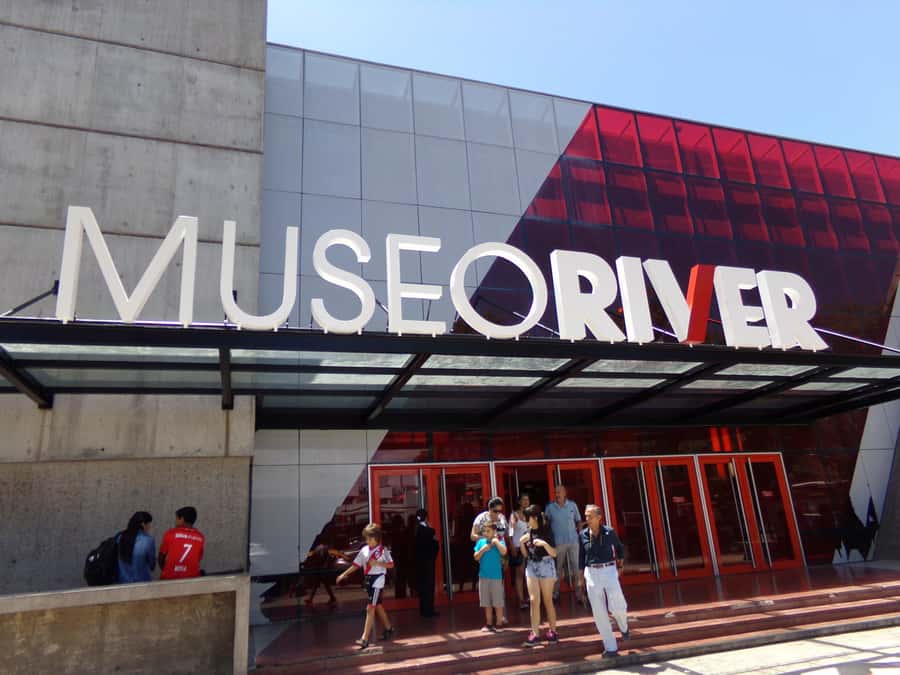
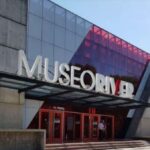
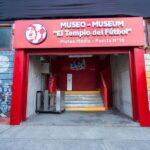
This tour is built around getting you in without wasting time. You use a separate entrance for skip-the-line access, and you start at the main entrance of the River Plate Museum. That sounds simple, but it matters in Buenos Aires, where weather changes and crowds can make timing tricky.
You’ll also feel the difference in energy. When you’re not stuck in a long line, the first minutes stay sharp. That’s when a good guide can set context—what the club means, what “the greatest” nickname refers to, and why the museum isn’t only for die-hard fans.
Museum walkthrough: the club’s story from humble beginnings to modern glory
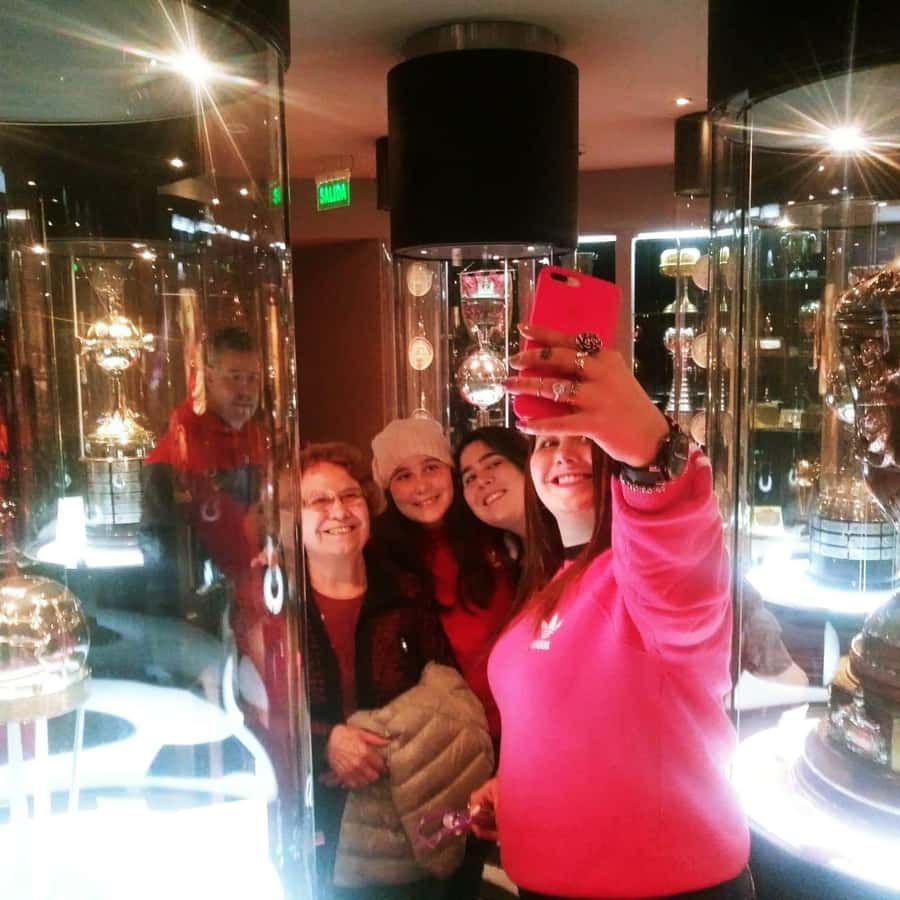
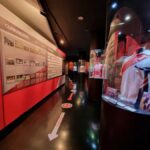
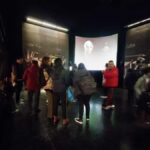
The museum visit is where the tour earns its keep. Instead of treating the stadium like a random attraction, the guide builds a timeline for you, from the club’s humble beginnings up to today. You learn how a local institution grew into a powerhouse with global reach.
You’ll also hear the club’s achievements in a way that makes them easier to remember. River Plate has more than 70 titles to its credit, including four Copa Libertadores de América titles and three Recopas Sudamericana, plus other major competitions. If you’re coming in with only a general sense of Argentine football, this is where the names turn into a story you can follow.
And it’s not only club trophies. The stadium has also witnessed moments tied to Argentina’s broader history—your guide connects the venue to Argentina’s 1978 World Cup victory, a reminder that football here is national culture, not just club fandom.
The rival effect: Boca Juniors, the “5 greats,” and why it shapes what you see
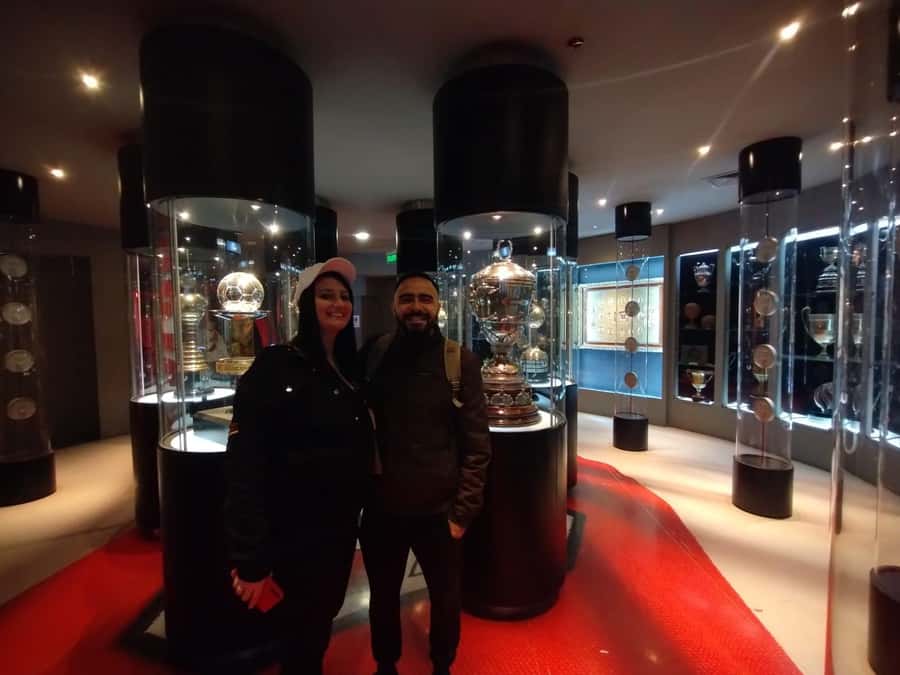
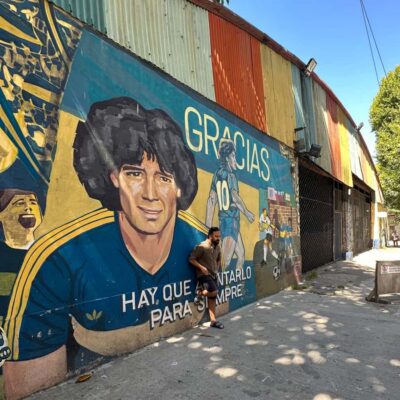
River Plate’s eternal rival is Boca Juniors, and your visit makes that rivalry feel real. Even if you don’t follow the sport daily, the guide typically explains how this rivalry influences what fans care about—identity, history, and the meaning behind wins.
You’ll also hear River Plate mentioned as part of the select group of the five greats of Argentine football. That framing helps you understand why the museum focuses on certain kinds of milestones. It’s not random display; it’s the club curating the story that fans recognize as important.
Stadium time in Núñez: what 86,000 seats feels like
Once you move from the museum into the stadium, the scale lands fast. The seating capacity is 86,000, and that number stops being abstract. You can feel how a crowd becomes a force—how chants, pressure, and momentum matter when the stadium is this large.
In a stadium tour, I always pay attention to sightlines and the “who looks where” factor. Here, you’re given a sense of how players experience the space and how supporters fill it. Even if you’re not going to a match, you’re getting matchday logic: where attention goes, where noise concentrates, and how the field becomes the center of a huge environment.
Your guide also helps you interpret what you’re looking at. Stadium architecture and matchday zones mean nothing if you don’t know the purpose. With a private guide, you can ask quick questions as you go, and you don’t have to wait for the group to catch up.
You can also read our reviews of more museum experiences in Buenos Aires
Tunnel access and visitors’ changing room: the matchday reality check
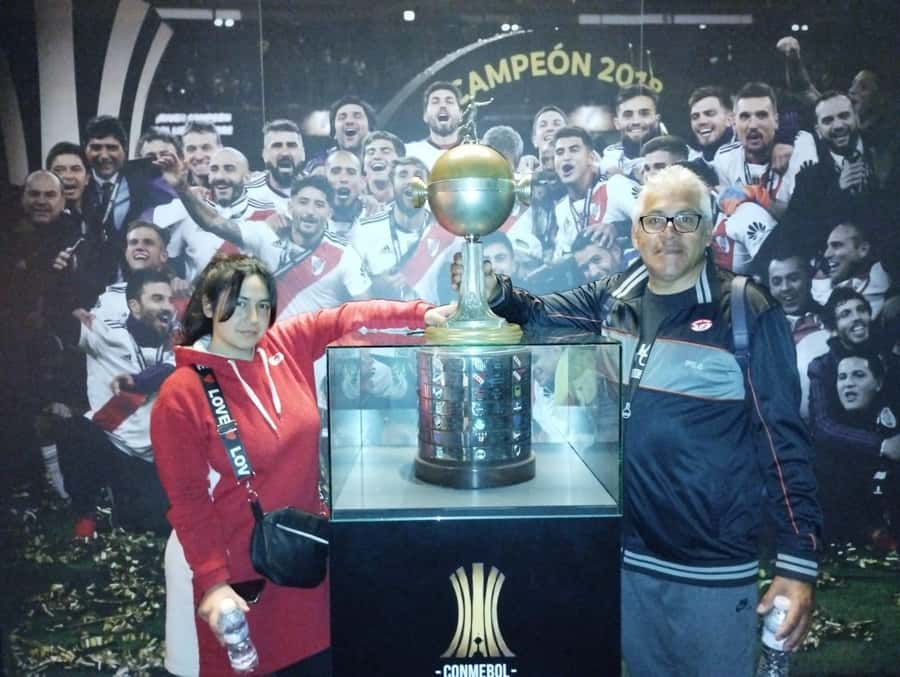
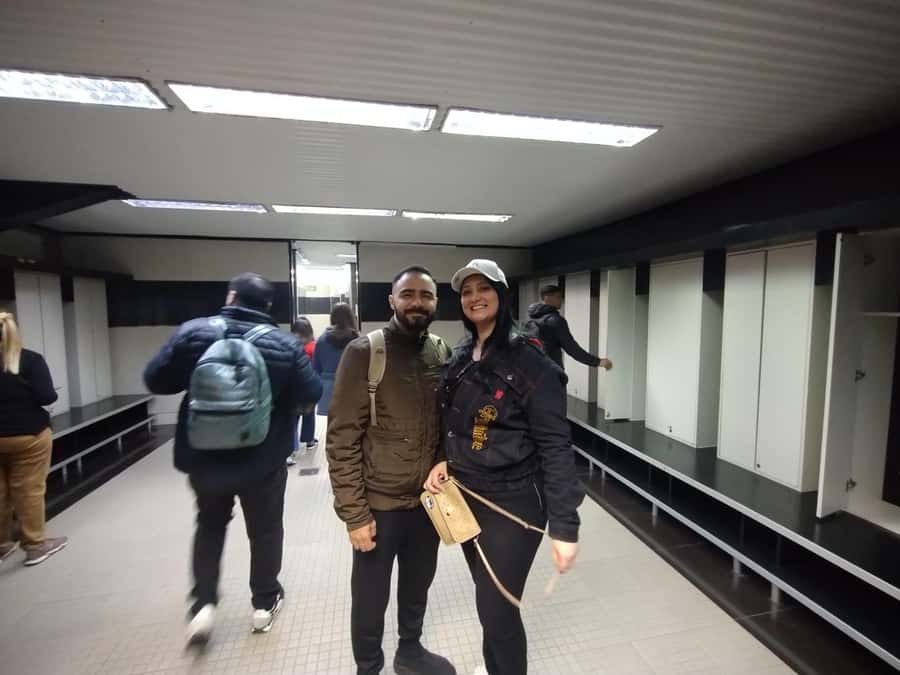
This is one of the most exciting parts of the tour because it shifts you from spectator viewpoint to matchday viewpoint. The included access typically includes a single tunnel and the visitors’ changing room—but there’s an important caveat: visits to the tunnel and changing rooms may change due to matches, concerts, training sessions, renovations, refurbishment, cleaning, and similar on-site reasons.
So here’s how I’d think about it. Even if you don’t get every matchday area, the tour still makes sense because the museum plus stadium context gives you the “why.” But if these back-of-house areas are your main reason for booking, plan your expectations. Arrive ready to adapt, and don’t treat the changing room like a guaranteed photo shoot.
What’s included: tickets, museum entry, the tunnel zone, snack, and souvenirs
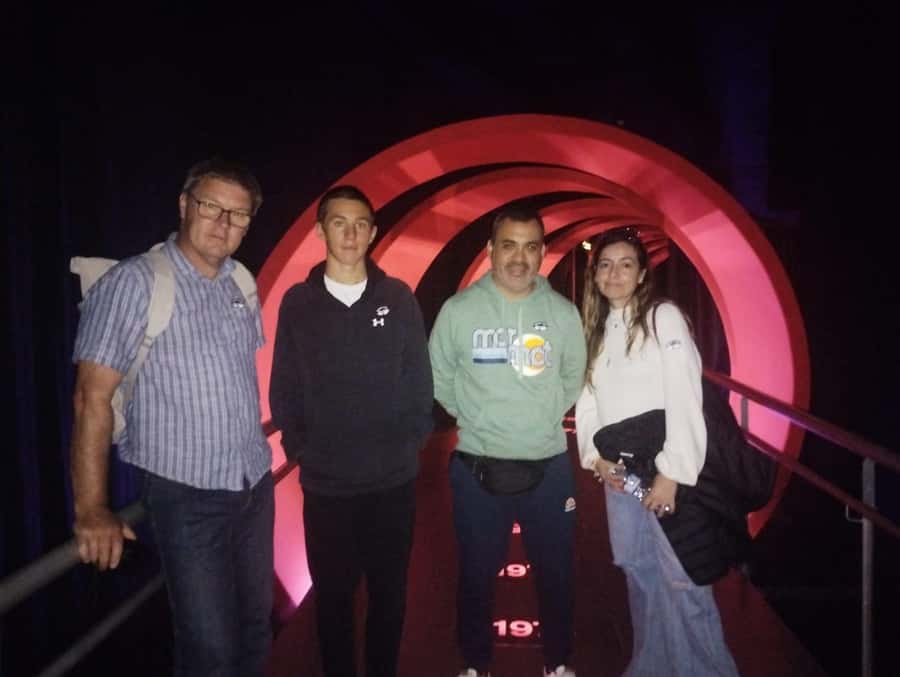
Let’s talk value in plain terms. The price is $117 per person for a 2–3 hour private group tour, and it includes skip-the-line access, tickets, museum entrance, stadium entry, and access to the tunnel and visitors’ changing room (when available). It also includes a snack and souvenires.
That matters because some stadium tours charge extra for entry and don’t include small essentials. Here, the snack and souvenirs mean you’re not budgeting for minor add-ons on the spot. It’s also helpful if you’re traveling with kids or someone who gets impatient waiting for food.
That said, I’d keep one practical eye open. One unhappy booking mentioned the snack didn’t arrive even though it was part of what they expected, and the guide setup didn’t match what they had been promised. You can’t prevent every hiccup, but you can protect yourself by confirming the details with the operator before you go—especially the snack expectation and that you’ll have the live private guide.
Guides in real life: the difference a private guide can make
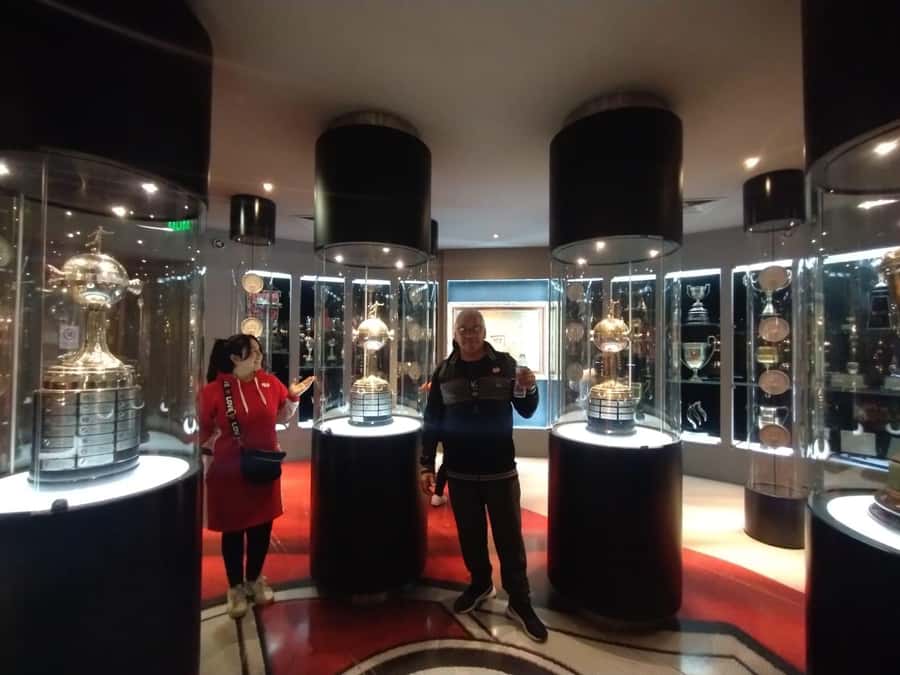
This is a live guided experience with English, Portuguese, and Spanish options. The big win here is that it’s a private group, so you’re not stuck with a “single script for everyone” approach.
One guide named Juan was specifically praised for being excellent—clear explanations, good attitude, and making the time feel worthwhile. Even when the tour structure is fixed, your guide’s style changes the experience. With a private guide, you get faster clarification. You can ask why a certain title mattered, or how the rivalry shaped the club’s identity, without waiting your turn.
Price and logistics: when this tour is a smart buy
For $117, you’re paying for three things: access, context, and private guidance.
- Access: skip-the-line entry plus tickets to the museum and stadium.
- Context: a guided history that connects the trophies, the rivalry, and major national moments.
- Private time: a guide who can adjust to your pace, rather than rushing you through photo stops.
If you’re the kind of visitor who likes to understand what you’re seeing, this price can feel fair. If you only want quick sightseeing, you may find this tour feels like more guided time than you want. But for many people, football has a “secret language,” and the guide translates it.
Also remember: transfer in/out is not included. That doesn’t make the tour bad; it just means your day plan matters. Decide how you’ll get to the River Plate Museum meeting point and build in extra time for navigating local streets.
What to bring so your tour day stays comfortable
You’ll be moving between museum and stadium zones, often with outdoor exposure. Bring comfortable shoes—you’ll thank yourself after the first walk. Also pack sunglasses, a sun hat, and sunscreen. If you’re using sunscreen, go for biodegradable sunscreen as requested.
For identification, bring your passport or an ID card. It’s the kind of basic requirement that can save you from delays at check-in.
One more note from the rules: alcohol and drugs are not allowed. Keep your day clean and focus on the tour.
Who this tour suits best (and who should adjust expectations)
This fits best if you:
- like learning the story behind famous sports places,
- want stadium access without battling crowds,
- enjoy museums when they’re tied to something you care about (like football titles and rivalries),
- travel with limited time and want a focused 2–3 hour plan.
It may be less ideal if:
- you only want the stadium exterior and don’t care about museum context,
- you’re very strict about getting the tunnel and changing room every time (access can shift due to events and upkeep).
The tour’s value comes from understanding the club, not just chasing restricted areas.
Should you book the River Plate Stadium and Museum guided tour?
Yes—if you want more than a photo loop. This tour earns its money through skip-the-line access, a private guide, and a museum-to-stadium flow that explains why River Plate matters. The included tickets, stadium areas (including the tunnel and visitors’ changing room when available), plus snack and souvenirs turn it into a compact matchday-style experience.
Book with confidence if you’re coming for history, atmosphere, and guided clarity. Just go in with flexible expectations about the tunnel/changing rooms if there’s a match, concert, or maintenance work, and plan your own transport to the museum meeting point.
FAQ
How long is the River Plate Stadium and Museum guided tour?
It lasts 2 to 3 hours.
Where is the meeting point for the tour?
Meet at the main entrance of the River Plate Museum.
What’s included in the $117 per person price?
It includes skip the line access, tickets, museum entrance, stadium access, single tunnel and visitors’ changing room (subject to availability), plus a snack and souvenirs.
Does the tour include skip-the-line service?
Yes. You skip the line through a separate entrance.
Which areas of the stadium do we visit?
You’ll visit the museum, the stadium, the single tunnel, and the visitors’ changing room. Access to the tunnel and changing rooms may change due to events or maintenance.
Is a snack included?
Yes. A snack is included.
Are transfers in and out included?
No. Transfer in/out is not included.
What languages are the live guides available in?
The guide is available in English, Portuguese, and Spanish.
Is the tour wheelchair accessible?
Yes, it is wheelchair accessible.
What are the payment and cancellation options?
You can reserve now and pay later. Free cancellation is available up to 24 hours in advance for a full refund.