REVIEW · BUENOS AIRES
Classic City Tour of Buenos Aires: Neighborhoods and Emblems
Book on GetYourGuide →Operated by Gray Line Argentina · Bookable on GetYourGuide
Buenos Aires feels huge, until you ride it. This 4-hour classic city tour strings together Recoleta, Retiro, San Nicolás, Montserrat, San Telmo, and La Boca, plus the big-name emblems like the Obelisk and Plaza de Mayo. I especially like the guided order it gives you, so the city starts making sense fast.
Two things I really like are how often you get out for short looks on foot, and how the stops are chosen for contrast. You’ll see the formal grandeur around Casa Rosada, then shift gears to the colorful feel of Caminito, with photo stops built in.
One consideration: the logistics can run behind schedule. Pickup can take longer than you expect, and you’ll finish with drop-off points around central sights rather than a guaranteed return to your exact hotel.
In This Review
- Key Points You’ll Feel During the Tour
- A Fast Map of Buenos Aires: Recoleta, Retiro, San Nicolás, Montserrat
- Plaza de Mayo and the Obelisk: Buenos Aires at Full Volume
- Casa Rosada to Teatro Colón: Where Architecture Does the Talking
- San Telmo’s Narrow Streets: A Different Buenos Aires Rhythm
- La Boca and Caminito: Color, Street Life, and Quick Time for Photos
- Puerto Madero’s Modern Contrast: Why It’s Included
- Guide Quality and the Language Reality in Buenos Aires
- Pickup and Drop-Off Reality: Plan for Central Convenience
- Price and Value: Is $45 Worth It?
- Who This Tour Fits Best
- Should You Book This Neighborhood and Emblems Tour?
- FAQ
- How long is the Classic City Tour of Buenos Aires?
- What language is the tour guide?
- Is hotel pickup included, and where does it work?
- Where will I be dropped off at the end of the tour?
- What photo stops are included?
- Is food included in the price?
Key Points You’ll Feel During the Tour
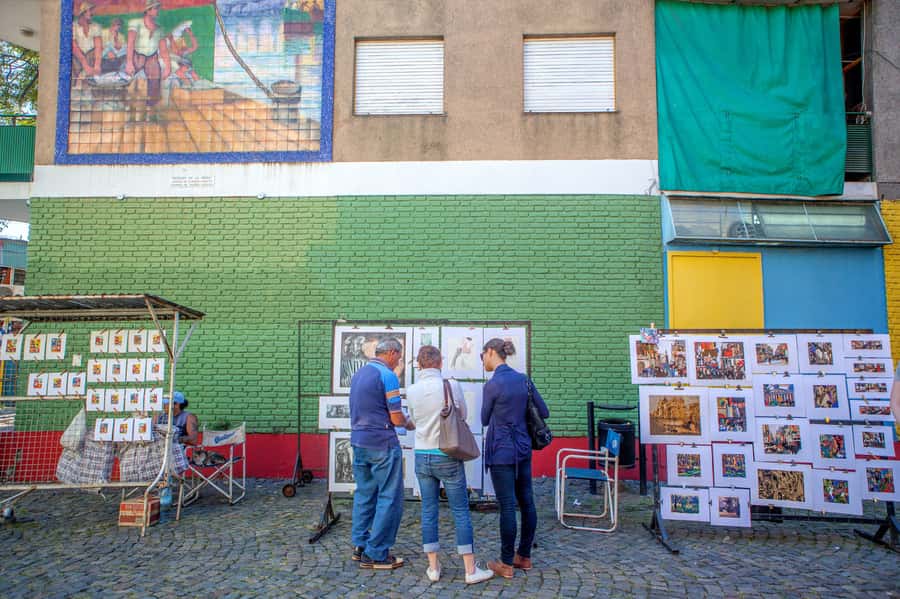
- Neighborhood contrast on purpose: Recoleta’s elegance to La Boca’s street color in one half-day
- Icon overload done smart: Obelisk, Plaza de Mayo, Casa Rosada, and more are grouped efficiently
- Two planned photo stops: Plaza de Mayo and Caminito, both around 20 minutes
- Guides can mix language needs: the tour is Spanish, but many guides adapt when someone needs English support
- Drop-off is central, not hotel-specific: Florida Street, Galerías Pacífico, or the Obelisco
A Fast Map of Buenos Aires: Recoleta, Retiro, San Nicolás, Montserrat
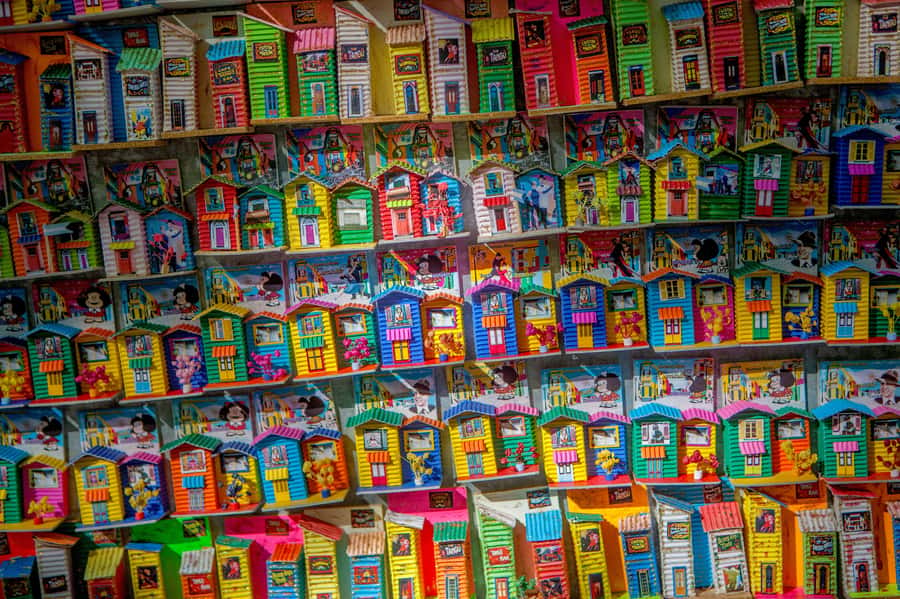
If you only have one half-day in Buenos Aires, this tour is built for that reality. You start with a panoramic approach—main avenues, landmark corridors, and the feel of each district—then you get just enough time to connect names to places. It’s the kind of orientation that makes the rest of your trip easier, because you can later point to a neighborhood and know what you’re looking at.
Recoleta is a strong first hit. The area gives you that elegant, Paris-of-South-America vibe people talk about, with refined streets and serious architecture. There’s also a good chance you’ll get time tied to Recoleta Cemetery; if it’s included and you want to find Eva Perón’s grave, ask for directions. The cemetery layout can be tricky to navigate on your own, so a quick pointer saves time and frustration.
Then the tour moves through Retiro and the administrative/urban core. San Nicolás and Montserrat help you understand how Buenos Aires works: broad avenues and civic spaces, where old government buildings and major cultural sites sit in the middle of daily life. You’ll likely drive past or near Teatro Colón as part of the big emblem run, which matters because it’s one of those landmarks that changes your mental picture of the city the moment you see it.
What I like here is the pacing. You’re not stuck in one type of neighborhood. You’re building a mental map: where elegance lives, where power lives, and where the city becomes louder and more street-level.
You can also read our reviews of more city tours in Buenos Aires


Plaza de Mayo and the Obelisk: Buenos Aires at Full Volume
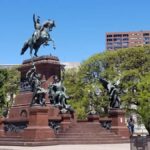
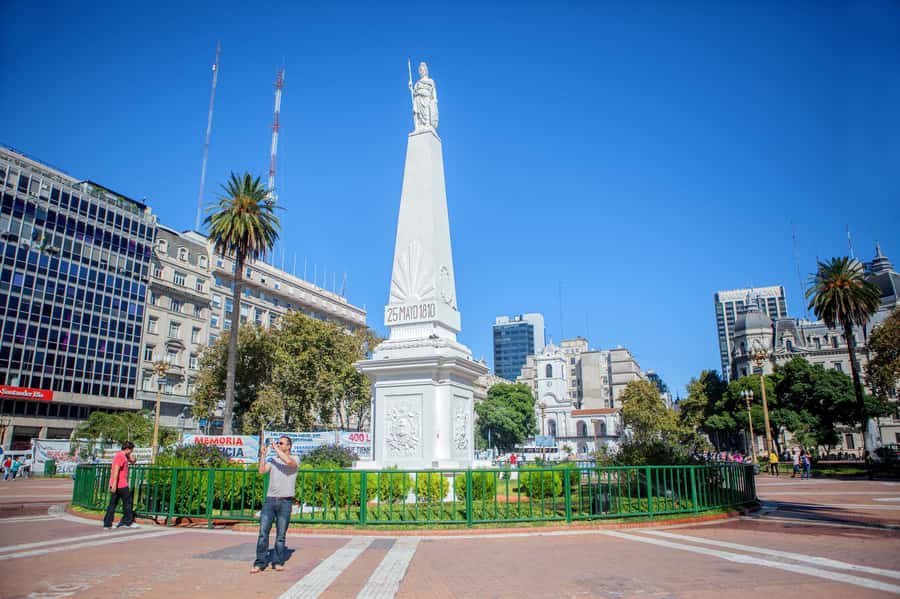
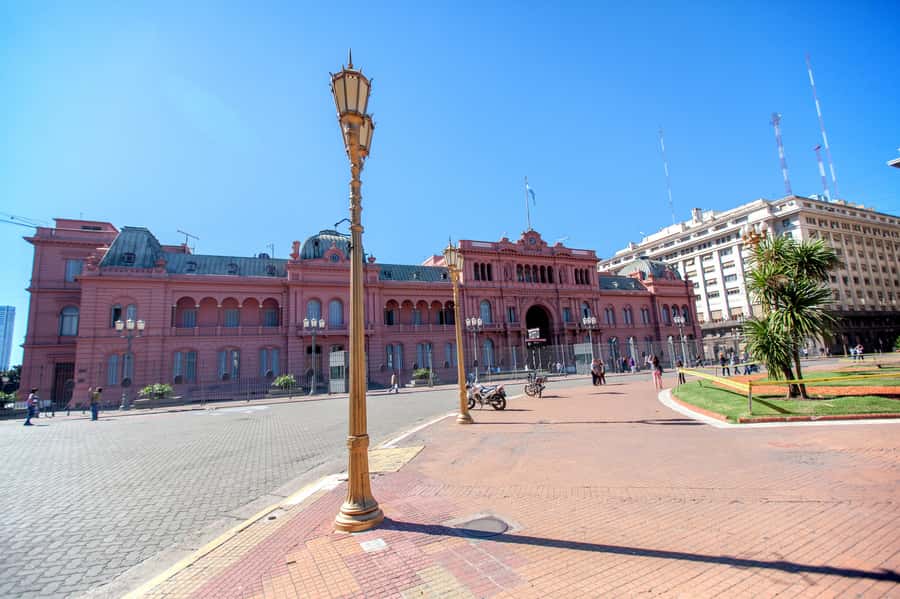
The emotional center of the tour is Plaza de Mayo and the surrounding landmarks, and you actually get a dedicated photo stop there (about 20 minutes). This is the civic heart of the city—huge open space, major buildings ringing it, and constant political and cultural weight. Even if you’re not into history lectures, you’ll understand why this square is such a big deal just by seeing the scale and the architecture.
You’ll see the Obelisk, Buenos Aires’s most recognizable symbol, and you’ll connect it to the broader city structure. It’s not just a monument; it’s a marker for where people meet and where the city visually focuses. The same idea applies to Casa Rosada, the National Government seat, and the surrounding public buildings: you’re learning where authority is placed in the urban plan.
Around the square, you’ll also encounter key architectural stops. The tour includes the Metropolitan Cathedral and the Cabildo, which pulls you toward the colonial-era story of Buenos Aires. This is one of the best parts for first-time visitors because it links eras: you can look at a modern city setting and still grasp the older layers underneath.
One practical tip: at Plaza de Mayo, use the time to get both your overview photos and one or two tighter shots of the façades. When you later return on your own, it’s the close details—stonework, entrances, symmetry—that make the place stick.
Casa Rosada to Teatro Colón: Where Architecture Does the Talking
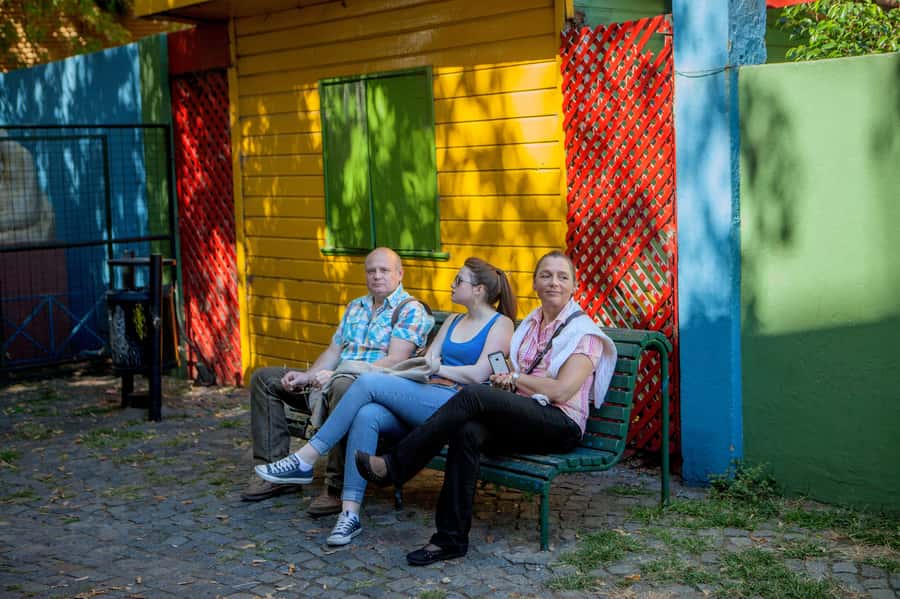
This tour covers a lot of visual texture, and it’s not all politics and squares. Part of the route includes Teatro Colón, one of the world’s most prestigious opera houses. If opera isn’t your thing, don’t worry—you still get the value. Teatro Colón is a landmark that shows you Buenos Aires’s ambition and taste, and it helps explain why people associate the city with high culture.
The tour also includes a stop tied to Alvear Avenue’s palaces. These buildings are the other side of Buenos Aires: not the government center, but the wealthy residential and grand-street story. You’ll notice how style changes as you move through areas—colors, street widths, and building scale all shift. That’s the whole point of doing this as a single tour instead of random wandering.
And yes, there’s a little bit of charm in the way guides frame it. Many guides do strong commentary in Spanish, and some are able to support English speakers, especially when the group mix demands it. Names you may hear include Macarena and Mercedes, and on other runs you might get guides like Elba or Sophia. You’ll often find the best experience comes from a guide who can keep the group moving while still sharing real context, not just a list of monuments.
San Telmo’s Narrow Streets: A Different Buenos Aires Rhythm
San Telmo is where the city starts feeling more like street life than civic spectacle. The tour includes San Telmo and aims you toward the narrow lanes and historic character of the neighborhood. You don’t get a long independent wandering time here, but you do get something more important: a sense of tempo. The streets look older, and the scale changes how you walk and look.
This district also connects well to the tour’s overall promise: Buenos Aires contrasts. It’s one thing to see a landmark; it’s another to see the everyday streets that surround it. San Telmo helps you understand how different neighborhoods can sit near each other while still feeling completely separate.
If you’re the type who likes to photograph textures—doorways, street corners, and small architectural details—San Telmo is a good place to keep an eye on. Use your short moments wisely: move a little, scan for angles, and get at least one photo that shows the street depth.
La Boca and Caminito: Color, Street Life, and Quick Time for Photos
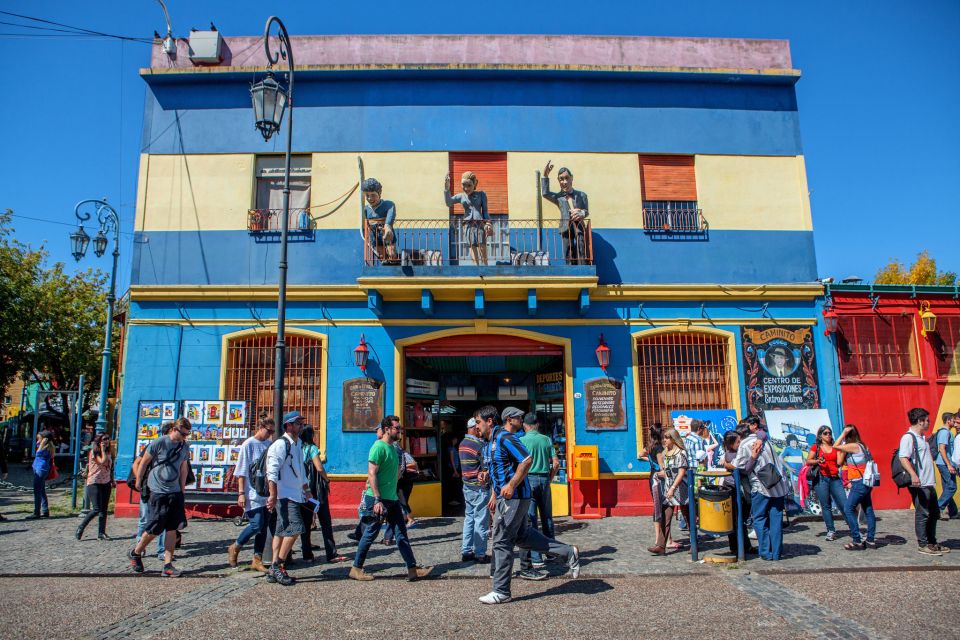
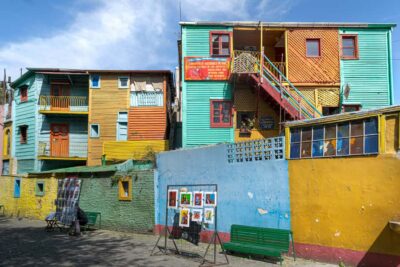
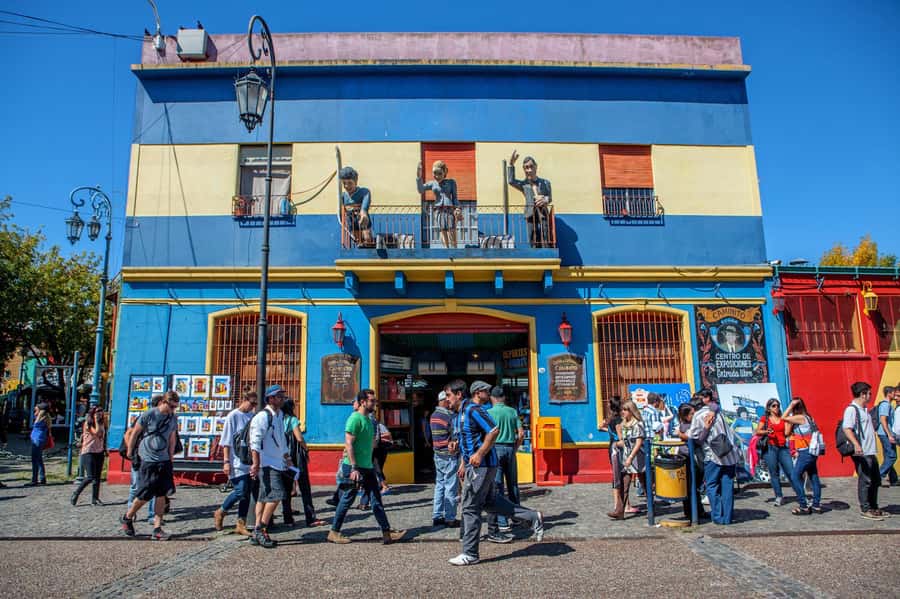
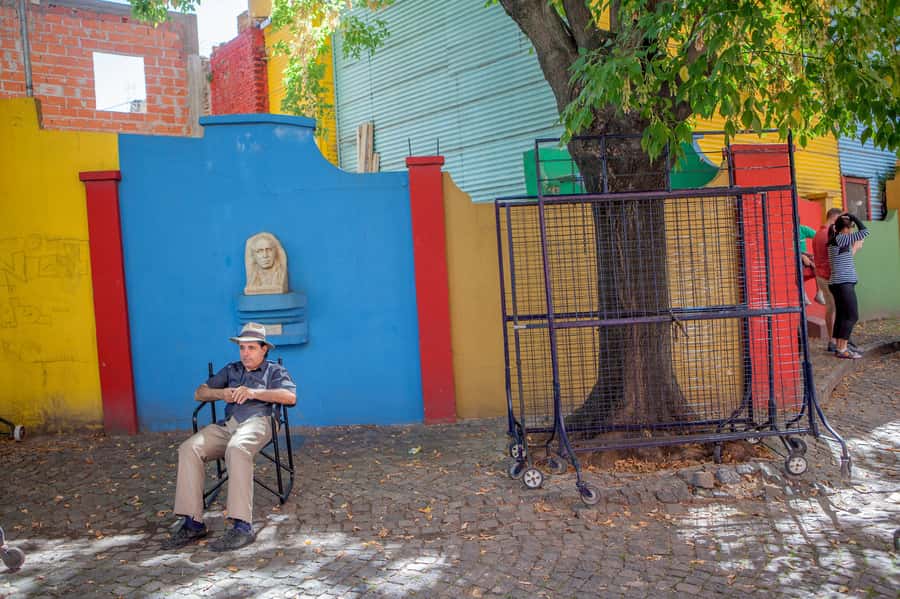
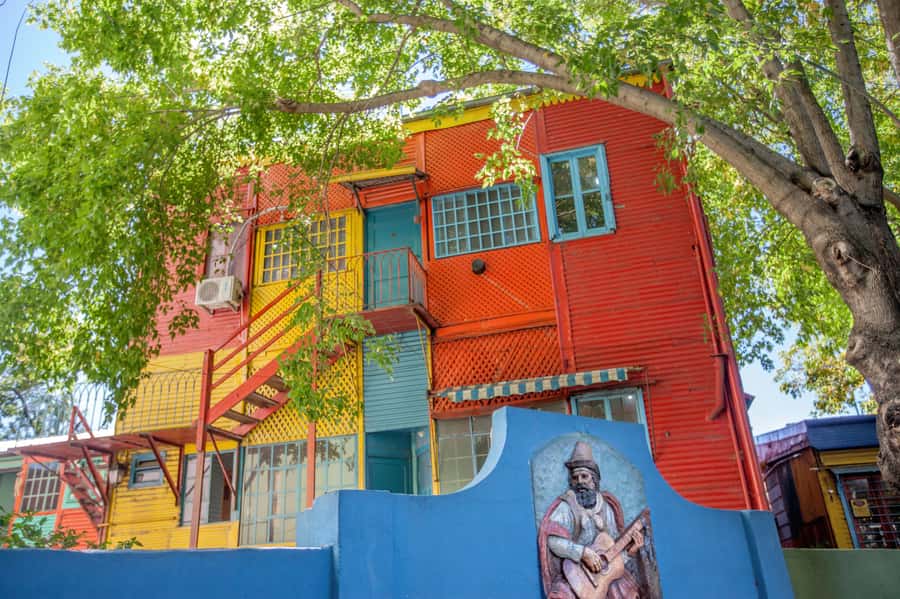
La Boca is the star for many visitors, and the tour makes sure you hit it. Caminito is one of the most emblematic stretches in the city, with colorful façades that look like they were designed for postcards. You get a planned photo stop here for around 20 minutes, which is enough time to capture the classic angles without turning it into a long, exhausting detour.
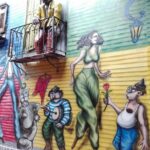
Caminito also gives you a useful reality check. Street scenes can look tourist-heavy on first glance, but the visual culture is genuinely distinctive—bright colors, compact streets, and a rhythm of small businesses and performance-style energy. Even if you’ve seen pictures already, being there helps you understand how much of Buenos Aires identity is about neighborhood character, not only monuments.
One small practical note: bring comfortable shoes. The sidewalks can be uneven, and you may walk a bit more than you expect within the time window. If you’re planning dinner afterward, consider staying in the area and extending your evening, because the tour’s time here is intentionally short.

Puerto Madero’s Modern Contrast: Why It’s Included
Puerto Madero is the modern counterweight to older Buenos Aires. The tour includes it as a recycled area, and that’s exactly what you should look for: repurposed urban space and waterfront-style development. This section of the tour helps you see how Buenos Aires keeps reinventing itself instead of freezing in the past.
What makes this worth including is contrast. After civic squares and historic neighborhoods, Puerto Madero feels like a different city mood. It’s cleaner, more structured, and easier to read visually, which makes it a good way to decompress before the tour ends.
If you like skyline views and wide open areas, Puerto Madero is also where you can naturally get good photos without sprinting. Take your time and make a few shots from different angles—then compare that with the narrow street vibe from San Telmo and La Boca. That comparison is one of the hidden benefits of this “neighborhoods and emblems” format.
Guide Quality and the Language Reality in Buenos Aires
The tour’s official guide language is Spanish. That’s not a deal-breaker if you’re comfortable with Spanish basics, but it matters if you rely on full English. The good news from real-world experience is that many guides handle mixed groups well and can explain clearly even when someone needs English support.
You might notice this in how commentary is delivered. Some guides blend languages or translate key points on the fly. Names like Macarena and Mercedes come up for strong guidance, and Sophia and Elba show up as well for friendly, clear explanations. You’ll get the most out of the tour if you’re willing to listen actively and ask a quick question when you don’t catch something.
Also, the tour can include enough walking time to help you connect the story to what you’re seeing. If the guide offers brief moments to explore, use them. Stand back for one overview photo, then move closer for details. That simple rhythm helps you avoid “photo burnout” while still learning what to look for next time.
Pickup and Drop-Off Reality: Plan for Central Convenience
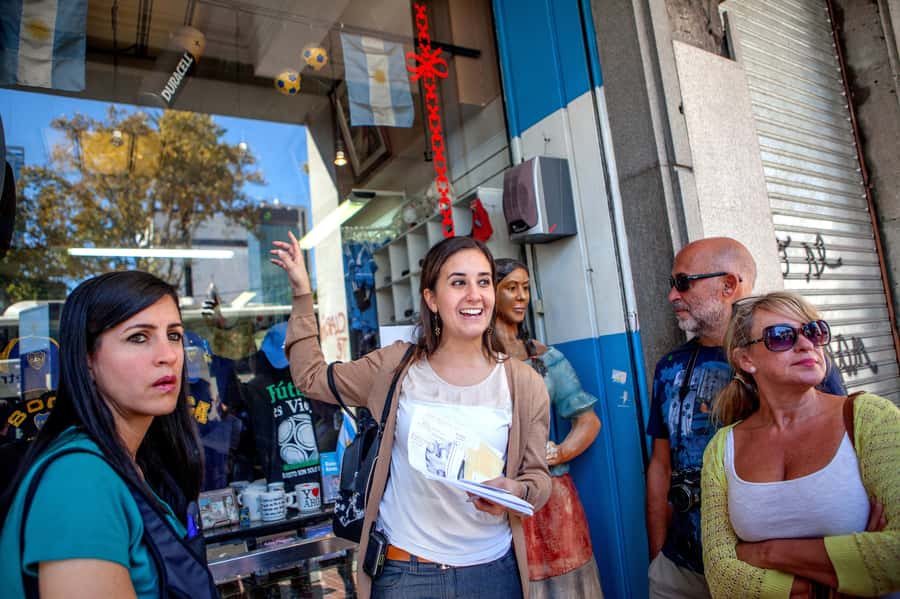
This tour includes pickup from centrally located hotels, but it does not include pickups from hostels, aparthotels, or private homes. Some hotels—Palermo included in the tour’s exclusion note—may not be part of the pickup itinerary. If your hotel isn’t eligible, you’ll be told the nearest hotel pickup point, and you’ll need to wait in the lobby there at the agreed time.
Timing is the other part of this equation. Pickup can run late compared to what you first expect, so I’d build in buffer time. If you have another plan right after the tour, give yourself extra space. The tour ends with drop-off at Florida Street, Galerías Pacífico, or the Obelisco, and you’re not necessarily returned to your exact hotel.
For most visitors, those drop-off points are actually helpful. They’re central, and you can continue on foot or by transit from there. Still, it’s smart to plan your end-of-day route before you board the bus, not after.
Price and Value: Is $45 Worth It?
At $45 per person for about 4 hours, this tour is priced like an efficient orientation plus landmark access, not a slow, in-depth walking day. The value comes from three things you get bundled together:
- Transport and guided structure: You’re moving across multiple districts without having to coordinate transit on your own.
- Photo stops at key sights: Plaza de Mayo and Caminito aren’t just driven past; you get a short window to actually shoot and look.
- Hotel pickup from central areas: When your hotel qualifies, it removes the biggest hassle for a first day in Buenos Aires.
What’s not included is also part of the math. Food and beverages aren’t part of the price, so plan a meal before or after. If you’re doing this on a first visit, think of it as a planning tool: you’re spending money to save time figuring out where you want to return.
If you’re a solo traveler, the tour format can be a good trade. The bus group gives you social energy and guide context, but the short on-foot time still lets you experience each place directly. If you’re traveling with people who want a deeper museum-style day, then you might want something more focused than this.
Who This Tour Fits Best
This is a great fit if you want:
- A first pass at Buenos Aires landmarks and neighborhoods
- A quick sense of the city layout so you don’t feel lost later
- A mix of civic architecture and street-level culture without planning multiple half-days
It’s less ideal if you need:
- A long, slow visit to one place (like a deep cemetery visit or extended walking)
- Perfect Spanish-free navigation (the tour guide is Spanish)
- A guaranteed return drop to your exact hotel
One more nuance: some tour runs may not include every optional-feeling stop at the exact depth you expect. For example, there’s been feedback about Recoleta Cemetery not being seen even when it’s associated with the Recoleta portion. So if a specific site matters a lot to you, keep expectations flexible and be ready to do a return trip on your own.
Should You Book This Neighborhood and Emblems Tour?
Book it if you want to get oriented fast and you like the idea of seeing Buenos Aires through both big symbols and real neighborhood texture. The $45 price makes sense when you treat it as a guided starter set: you’ll leave knowing what to revisit, where to walk next, and which neighborhoods match your style.
Skip—or add a different tour—if your main goal is one deep experience, like a long architectural tour, a full cemetery visit, or a museum-heavy day. This one is efficient and visual, not slow and detailed.
If you’re short on time, one half-day like this can save you days of guesswork. Just show up with comfortable shoes, a little patience for pickup timing, and a plan for where you’ll go after drop-off.
FAQ
How long is the Classic City Tour of Buenos Aires?
The tour lasts 4 hours.
What language is the tour guide?
The live tour guide speaks Spanish.
Is hotel pickup included, and where does it work?
Pickup is included from centrally located hotels. There is no pickup from hostels, aparthotels, or private homes. Some hotels, including those in Palermo, may not be included in the pickup itinerary; if so, you’ll be told the nearest hotel to wait at.
Where will I be dropped off at the end of the tour?
You’ll be dropped off at Florida Street, Galerías Pacífico, or at the Obelisco.
What photo stops are included?
There are two photo stops of about 20 minutes each, in Plaza de Mayo and in Caminito.
Is food included in the price?
No. Food, beverages, and other services not specified are not included.