REVIEW · BUENOS AIRES
La Boca, a collective creation: Port, immigrants, arts and football
Book on Viator →Operated by La Otra Buenos Aires Tours · Bookable on Viator
La Boca can feel like a postcard, but this tour treats it like a neighborhood with a pulse. You’ll start at Caminito, then walk into the less-touristy streets to connect the dots between immigrant roots, local art, and the city’s obsession with football.
I love that the whole experience is built around social history, not rote facts. Two standout parts for me are the focus on La Boca’s immigrant origins and the way the guide ties street art to the people who made the neighborhood.
One thing to consider: Bombonera is a quick stop from the outside, and stadium entry isn’t included, so if you were hoping for a longer or inside tour, you’ll want to plan for that separately.
In This Review
- Key highlights you’ll care about
- La Boca through a social-history lens, not Wikipedia
- Starting at Caminito: the famous street, explained
- Plazoleta Bomberos Voluntarios de La Boca and the meaning behind the art
- La Bombonera finish: football you can feel from outside
- The bakery stop: a small moment with big local feel
- Who leads the walk, and why it matters
- Walking pace, timing, and what to wear
- Price and value: why $65 can make sense here
- Practical meeting point: start clean, end in the right place
- Should you book this La Boca social-history walk?
- FAQ
- How much does the tour cost?
- How long is the experience?
- Where do I meet the guide, and where does it end?
- Is there a mobile ticket?
- Is entry to Caminito included?
- Is Bombonera entry included?
- What group size should I expect?
- Does this tour depend on weather?
- Is free cancellation available?
Key highlights you’ll care about
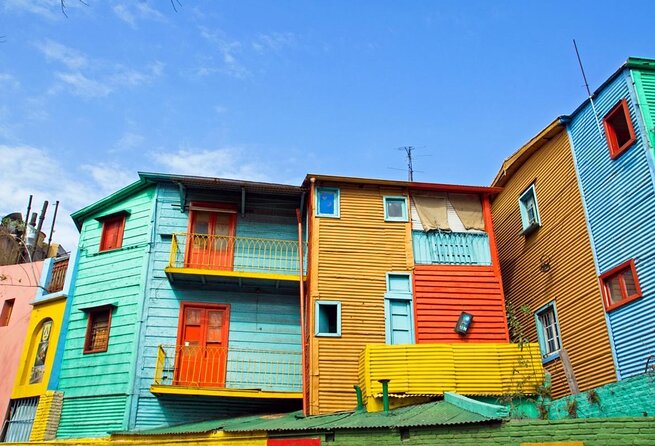
- Social history over sightseeing: you’ll learn why La Boca looks the way it does, and how that links to immigration and working-class life.
- Caminito first, then the quiet streets: famous stop at the start, then you move on before the crowds take over your brain.
- Street art with context: you’ll spend time at Plazoleta Bomberos Voluntarios de La Boca to understand the neighborhood’s art style.
- Football culture near the finish: the tour ends close to Estadio Alberto J. Armando (La Bombonera).
- A real food break: you’ll visit a famous bakery to try local pastries.
- Small group size: capped at 12 travelers, which makes Q&A and street-level walking easier.
La Boca through a social-history lens, not Wikipedia
La Boca is famous for its color, its chaos, and its football energy. This tour keeps that charm, but swaps the usual script for something more useful: why the neighborhood exists the way it does, and how immigrants, working life, art, and football all shaped it.
Instead of treating La Boca like a museum, you’ll walk at street level and connect stories to what you’re seeing. The result is a neighborhood tour that feels human, not scripted. And at a price point like $65 for around 2 hours, you’re paying for interpretation and pacing, not a pile of entry fees.
The walking format also helps. You start at the headline sight (Caminito), then you get the “so what?”—the background that makes the art and the attitudes click—before you finish by Bombonera, where the football atmosphere does most of the convincing.
You can also read our reviews of more tours and experiences in Buenos Aires.


Starting at Caminito: the famous street, explained
You’ll begin in Caminito, one of the most recognized streets in Argentina. It’s free to access, and it’s the obvious starting point for a reason: it gives you quick visual orientation before you head into streets that most visitors never bother to see.
What makes this first stop more than a photo-op is the framing. You’re not just looking at houses and murals; you’re learning how the neighborhood’s identity grew through immigrant communities and the kinds of materials, jobs, and customs people brought with them. Even if you’ve seen images of Caminito before, this kind of context changes how you read the scenery.
Short stop length also matters. You only spend about 15 minutes here, which keeps the tour from turning into a slow shuffle through the busiest part of the neighborhood. It’s enough time to orient yourself, then you move on.
Plazoleta Bomberos Voluntarios de La Boca and the meaning behind the art
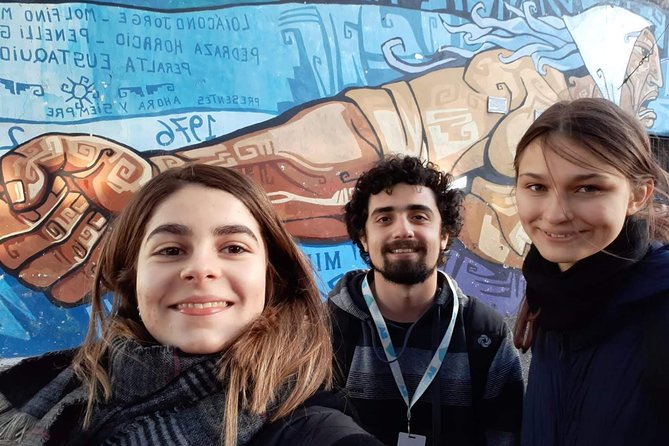
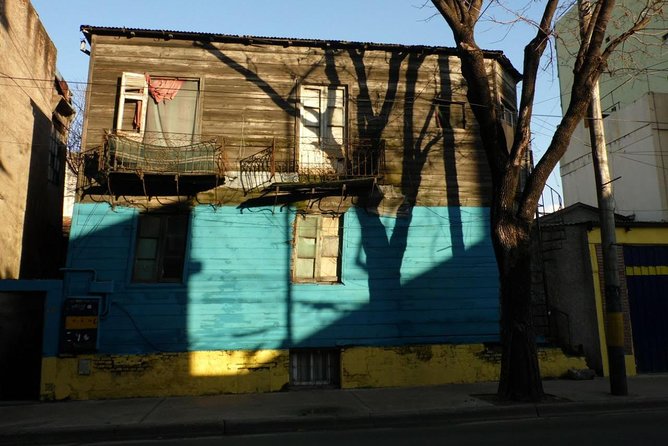
After Caminito, you’ll shift into the quieter rhythm of La Boca. One of the key stops is the Plazoleta Bomberos Voluntarios de La Boca, where you’ll focus on the area’s distinct street art and the neighborhood style that goes with it.
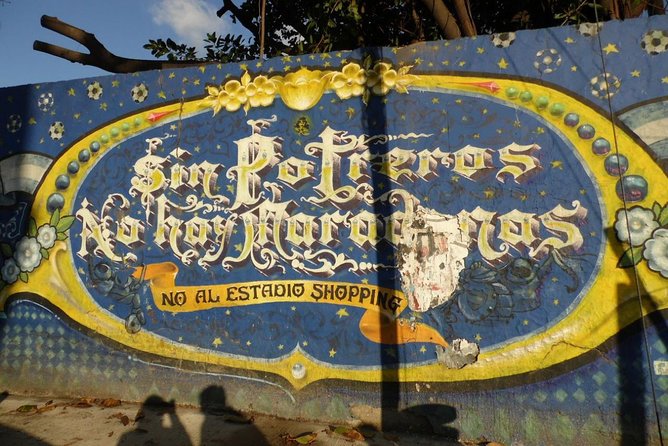
This is the part I think you’ll remember, because it teaches you how to look. La Boca’s art style isn’t just decoration—it’s tied to community identity and the immigrant-and-worker story that shaped the blocks. Once you understand that, the murals and painted facades start to feel like language instead of background.
You’ll spend about 15 minutes here, which is a sweet spot. Long enough for explanation and questions, short enough that you’re not stuck watching paint dry while the city moves on. If you like street art and want more than “it’s colorful,” this stop gives you the why.
La Bombonera finish: football you can feel from outside
The tour ends next to Estadio Alberto J. Armando (La Bombonera), one of the most famous football stadiums in the world. You’ll get a brief 10-minute visit focused on the atmosphere and the cultural gravity of the place.
Important practical note: stadium admission isn’t included. So you’ll likely get the exterior view and the area around it, not a full match-day style stadium visit. That’s still worthwhile, because La Boca is football-shaped. The neighborhood energy makes sense once you’re standing near Bombonera, even without going inside.
This finish also works well for planning your next step. Since the tour wraps close to the stadium area, you can decide how you want to continue—linger for photos, grab a meal nearby, or line up other stadium-related plans if you’re after something more than the quick look this tour offers.
The bakery stop: a small moment with big local feel
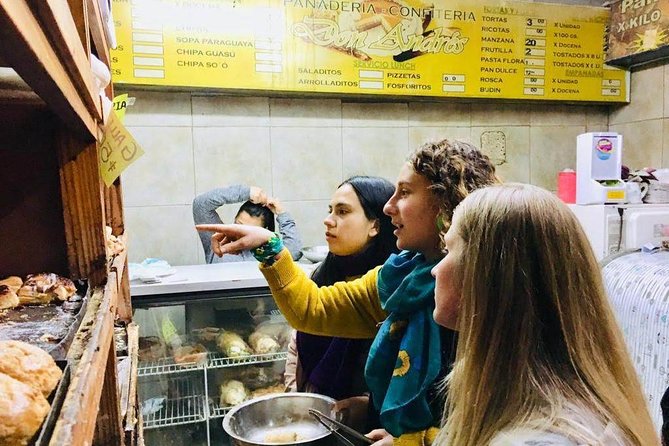
One of my favorite parts of this tour concept is the inclusion of food. You’ll visit one of La Boca’s famous bakeries and get a chance to try local pastries during the walk.
This isn’t a giant restaurant detour. It’s a short break that gives you a taste of neighborhood life and helps the tour feel grounded. If you’ve ever done “culture tours” where everything is talk and no bite, you’ll appreciate this one—especially because La Boca’s identity comes from everyday routines as much as from murals and stadiums.
If you have dietary restrictions, it’s worth asking in advance or checking on-site when you arrive, since the tour doesn’t list specific items. Otherwise, this is the kind of food stop that turns a good neighborhood walk into a day you actually remember.

Who leads the walk, and why it matters
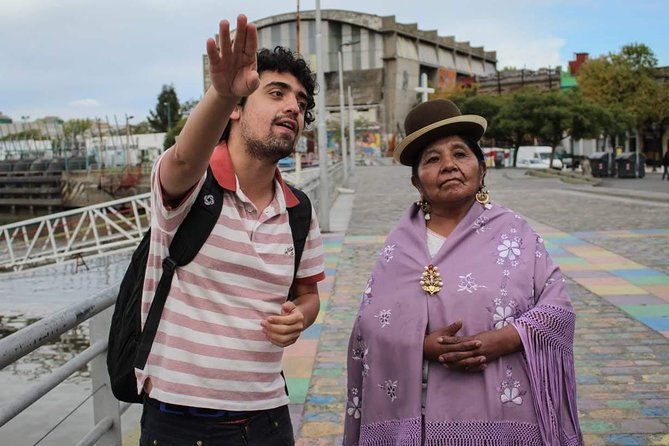
A tour like this lives and dies on the guide’s ability to connect details. The strongest praise here is how the leadership tells the story in a way that goes beyond surface facts. In particular, the guide Nico is highlighted for providing context that feels personal and practical, not just historical recitation.
What you want from a guide in La Boca is honesty about the past and clarity about the neighborhood today. This tour’s approach focuses on the problems of the past and the present, which helps you understand that La Boca isn’t only about color. It’s also about realities that residents have dealt with for generations.
Smaller groups help too. With a maximum of 12 travelers, the guide can keep the pace human and handle questions as you walk instead of rushing everyone through.
Walking pace, timing, and what to wear
With a duration of about 2 hours, this is not a slow amble. It’s a compact walk that takes you through the key emotional beats of La Boca: famous street, street art area, bakery break, and the stadium finish.
So plan your day around steady movement. You’ll be outside for most of the tour, and you’ll be changing blocks and street surfaces. Bring comfortable shoes that can handle uneven sidewalks and short bursts of uneven pavement.
Also, this experience needs good weather. If conditions are poor, it may be rescheduled or you’ll get a full refund. That’s a fair trade for a street-focused neighborhood tour where the whole experience depends on walking comfortably.
Price and value: why $65 can make sense here
At $65 for about 2 hours, this tour is priced like an interpretation-led walking experience, not an all-in ticket bundle. That matters because you’re paying for story, pacing, and access to local context—not for a museum-type ticket lineup.
You’ll notice the balance of included versus not included:
- Caminito access is free.
- Bombonera admission isn’t included, so you’re not getting stuck paying a stadium fee you didn’t plan for.
- The bakery stop is built in, so you’re not left guessing where to get food once the tour is done.
The small group size (up to 12) also improves value. You’ll get more back-and-forth than on a giant bus-and-20-people-walk tour. If you care about understanding a neighborhood and not just collecting stamps, this is the kind of price that can feel fair.
Practical meeting point: start clean, end in the right place
The tour’s start is at La Vuelta de Rocha, Av. Don Pedro de Mendoza 1859, C1169AAC. You’ll end at Dr. del Valle Iberlucea 437, C1160ABE, right by La Bombonera.
That end location is a big deal. Many walking tours drop you somewhere you then have to navigate for the rest of your day. Here, you’re finishing where your next activity options already make sense, especially if you’re thinking about football sights, nearby meals, or just soaking up the stadium area energy a bit longer.
You’ll also be close to public transportation, which is helpful since La Boca is the kind of neighborhood you’ll often pair with other plans.
Should you book this La Boca social-history walk?
Book it if you want La Boca with context—immigration roots, art meaning, and football as more than background noise. This tour is ideal when you’re tired of “checklist tours” that repeat the same basic facts and leave you wondering why the place feels the way it does.
Skip it or plan differently if your top priority is an inside stadium visit. The stop by Bombonera is brief, and admission isn’t included. You’ll still get the cultural payoff from being there, but it won’t replace a full stadium tour.
Also, if you’re visiting during iffy weather, keep flexibility in mind, since the experience depends on good conditions. The good news: it’s designed as a straightforward walk, so once weather cooperates, you’ll get a lot of story in a short, manageable time.
FAQ
How much does the tour cost?
The tour costs $65.
How long is the experience?
It lasts about 2 hours.
Where do I meet the guide, and where does it end?
You start at La Vuelta de Rocha, Av. Don Pedro de Mendoza 1859, C1169AAC and the tour ends at Dr. del Valle Iberlucea 437, C1160ABE, next to La Bombonera.
Is there a mobile ticket?
Yes, the tour uses a mobile ticket.
Is entry to Caminito included?
Yes—Caminito admission ticket is free.
Is Bombonera entry included?
No. You’ll see the stadium, but admission to Estadio Alberto J. Armando (La Bombonera) is not included.
What group size should I expect?
The tour has a maximum of 12 travelers.
Does this tour depend on weather?
Yes. The experience requires good weather. If it’s canceled due to poor weather, you’ll be offered a different date or a full refund.
Is free cancellation available?
Yes. You can cancel for a full refund up to 24 hours before the experience’s start time. After that window, changes aren’t accepted and you won’t get a refund.