REVIEW · BUENOS AIRES
BA: Empanadas and Alfajores Cooking Experience in Palermo
Book on Viator →Operated by Signature Tours · Bookable on Viator
Fold empanadas like locals in Palermo. This hands-on class in Buenos Aires teaches you how to make empanadas and alfajores step by step, guided by a native host, with mate and neighborhood charm. I love that it’s small (up to 10 people), so you’re not just watching. I also like the meat-or-vegan choice, so the whole family can cook together. One thing to consider: it’s real cooking with chopping and shaping, so kids may need help with sharp knives.
You spend the time doing the work, from preparing filling to shaping the pockets and assembling the cookies while things cool. The best part is the little “this is how we do it” details you get while folding—like how the form can differ depending on the filling. I especially appreciate that you’re not left with vague tips; you get practical guidance you can repeat at home. A possible drawback is that quality can vary by session and chef, and a few people noted bland flavor or a more hands-on/watch-heavy balance.
In This Review
- Key Highlights in Plain English
- Palermo Empanadas and Alfajores: Why This Class Feels Like Buenos Aires Food Culture
- The 2.5-Hour Flow: What You’ll Do From First Prep to Final Bite
- Starting out: meet your host and get the plan
- Empanada work: prep, cook, fill, fold
- Alfajores section: bake, assemble, and don’t crush the cookies
- Hands-On Empanada Shaping: The Technique You’ll Remember
- Meat vs Vegan: How the Class Keeps Everyone Cooking Together
- Alfajores and Dulce de Leche: Dessert Skills Without the Guesswork
- Mate Tea, Wine, and the Stories That Make It More Than Food
- Price and Value: Is $49 Worth It for 2.5 Hours in Palermo?
- Who Should Book This Cooking Class (and Who Might Want to Think Twice)
- Practical Tips Before You Go to Gorriti 4882
- Should You Book This Palermo Empanadas and Alfajores Class?
- FAQ
- What dishes will I make in this class?
- Can I choose a meat or vegan option?
- How long is the experience?
- How many people are in the group?
- What’s included in the price?
- Is transportation included?
- Can I get a refund if I cancel?
Key Highlights in Plain English
- Up to 10 people means real attention while you cook.
- Meat or vegan empanadas so everyone can participate.
- Hands-on empanada shaping includes the tricks for different fillings.
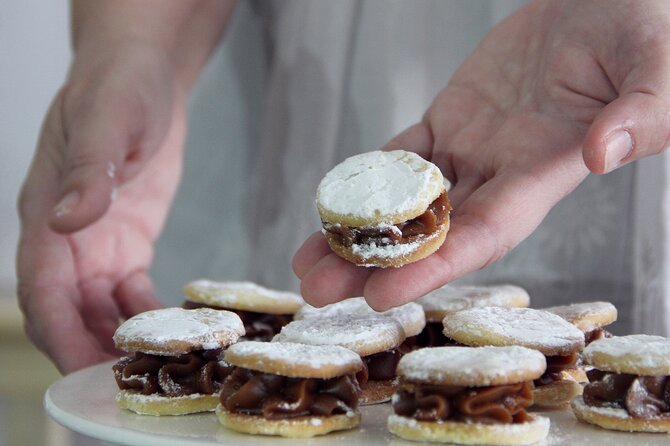
- Dulce de leche alfajores with clear assembly steps for fragile cookies.
- Mate tea (and sometimes wine) keeps the Argentina vibe going.
- Recipes shared afterward helps you recreate the dishes at home.
Palermo Empanadas and Alfajores: Why This Class Feels Like Buenos Aires Food Culture
Buenos Aires has plenty of food tours, but this one is built around the kitchen. You show up in Palermo and end up making two of Argentina’s best-known snacks: empanadas and alfajores. The focus isn’t just eating. It’s learning the technique—how people actually assemble and season these foods so they hold together and taste right.
What makes it work is the mix of structure and personality. You’re guided through each stage, but you still get to put your hands on the process. One review summed it up well: this isn’t just sightseeing. It’s how locals pass down skills at the kitchen table, plus a few family stories that explain why certain steps matter.
And because it’s up to 10 people, you’re not stuck in a line. You can ask questions, get corrected on the fold, and actually taste the results you helped make.
You can also read our reviews of more cooking classes in Buenos Aires
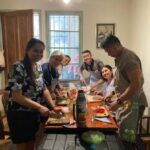
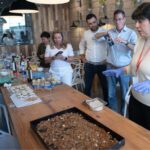

The 2.5-Hour Flow: What You’ll Do From First Prep to Final Bite
This experience runs about 2 hours 30 minutes. That time is long enough to feel productive, but not so long that you’re exhausted before dessert. Expect a steady rhythm: intro, prep, cooking steps, shaping, baking/assembling, then eating together.
Starting out: meet your host and get the plan
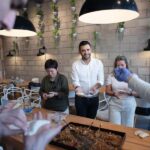
You meet at Gorriti 4882 (C1414BJN), right in Palermo. From there, your native host or chef sets expectations and divides attention where it matters most: ingredient prep, filling choices, and the folding method for the empanadas. You also get the cultural context as you go, not in one giant lecture.
Empanada work: prep, cook, fill, fold
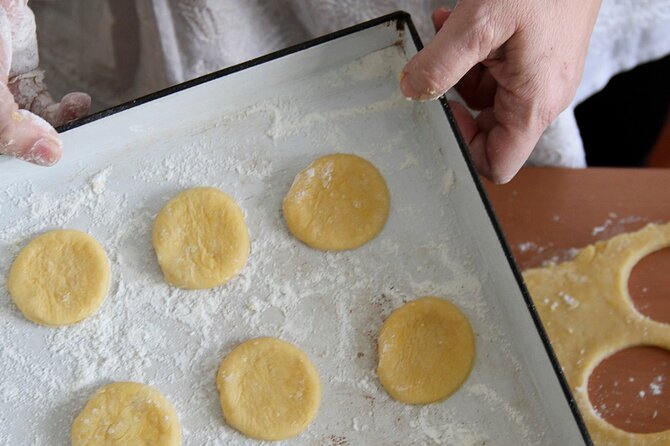
Empanadas are the star of the first half. The class covers how to prepare them and how to handle the filling. Depending on the session, you may chop and cook ingredients for the filling on the stove, and you’ll almost certainly help with assembly and shaping. Some groups may use premade empanada shells, but you still learn the key part: filling, sealing, and getting the fold right.
The practical goal here is simple: you want empanadas that don’t leak and don’t fall apart when you bite. Reviews highlight how the method changes with filling. Beef empanadas can be shaped differently than lentil/vegan ones. That’s a detail that sounds small until you’re holding the dough.
Alfajores section: bake, assemble, and don’t crush the cookies
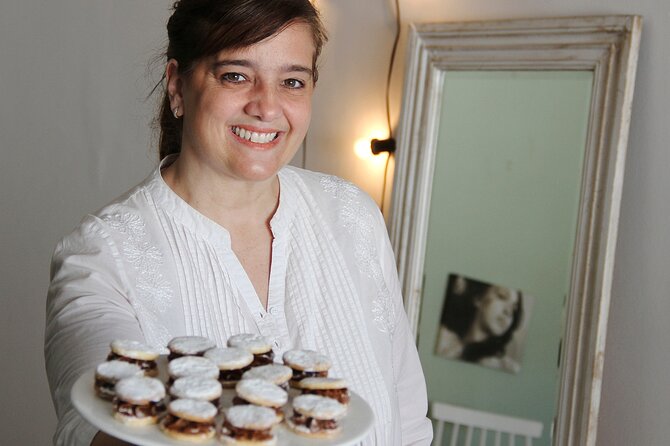
While the empanada filling cools, you move to alfajores. This is where you learn a different kind of skill: cookie handling. One review noted that the cookies are fragile, so you have to top and assemble without pressing too hard. Then you work with the dulce de leche filling—mix, bake/finish, assemble, and roll (often with coconut, depending on the session).
By the end, you’re sitting down with the food you made, with mate tea and local context woven in through the process.



Hands-On Empanada Shaping: The Technique You’ll Remember
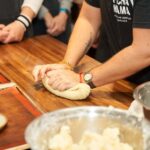
Empanadas might look like a “simple pastry,” but the craft is in the folding and sealing. This class puts that front and center. You learn how to shape empanadas based on what’s inside, and you get guidance you can actually practice again.
Here are the technique points that stand out from the experience design and how it’s taught:
- Folding and shaping have rules, not just vibes. You’re taught what a correct seal and edge look like.
- Different fillings can mean different shaping, so you learn the concept of “standard for this version,” not one single generic fold.
- You get feedback live, which matters. If yours isn’t sealing, the host can show you what to fix right away.
One delightful detail from a chef-host story: people learn these things in family kitchens, with little “inside jokes” and tricks. For example, there was mention of learning with an abuela, including a method to keep the filling from being eaten early. It’s funny, but it also explains why folding and sealing are treated like a skill worth protecting.
If you care about doing things properly, this is one of the best parts of the class.
Meat vs Vegan: How the Class Keeps Everyone Cooking Together
A lot of cooking classes offer a vegan option. This one makes the choice part of the core experience. You can go with meat or go vegan (including a lentil-style option mentioned in reviews). That means you’re not just swapping ingredients. You’re learning how the empanada changes with the filling.
This matters for two reasons:
- You’ll make your own version, not just eat something separate.
- You learn variation, which is the real point of cultural food.
Reviews mention that lentil empanadas are shaped differently than beef ones, and that detail is the kind you can take home. You’ll also see how seasoning and filling texture affect the final pastry, even if the cookie-cutter “empanada look” is the same at first glance.
For families, it also reduces tension. Everyone is working at the same stations with the same instructor energy.
Alfajores and Dulce de Leche: Dessert Skills Without the Guesswork
Alfajores are Argentina’s sweet calling card: cookies with creamy dulce de leche in the middle. In this class, you don’t just assemble and hope. You’re guided through the steps so you understand what matters.
The main focus points:
- Mix and bake steps are part of the process, not an afterthought.
- Dulce de leche assembly is taught with practical guidance so it spreads and stays where it should.
- Handling is important because the cookies can be delicate. Don’t press or you risk cracking.
Some sessions top alfajores and roll them in coconut. A review mentioned that process specifically: dulce de leche on top, then coconut rolling. Even if your exact version differs, the lesson stays the same—gentle handling and clean assembly make all the difference.
If you love baking but hate complicated recipes, this is the sweet spot: structured instructions with a tangible outcome.
Mate Tea, Wine, and the Stories That Make It More Than Food
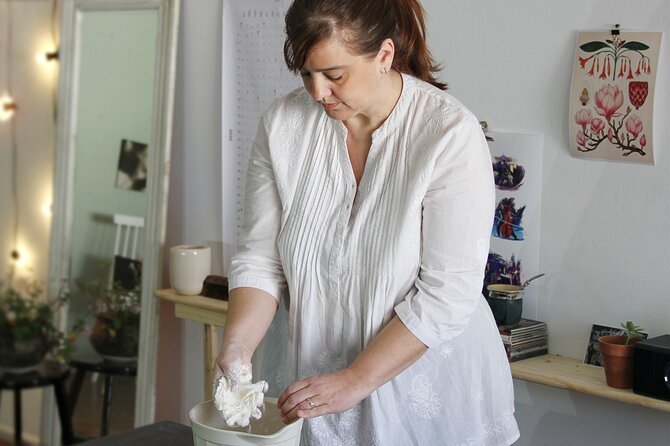
Argentina’s flavors aren’t only in the oven. They’re in the ritual. This class includes tea, and mate is specifically called out as the traditional infusion you’ll have during the experience.
A few reviews also mention wine being served during the cooking. That doesn’t change the core program, but it does explain why some people remember it as a more relaxed, longer afternoon vibe than a strict cooking workshop.
What you’ll likely hear from the host goes beyond food technique. Expect cultural insights tied to dishes and habits—how these snacks fit into daily life, and how family traditions shape the way empanadas and alfajores are prepared. Names that have appeared in guiding roles include Chef Valentino, Tomas, Carolina, Catalina, and Cata. Whoever you get, the goal is the same: translate kitchen knowledge into your hands.
If you’re the type who asks questions while cooking, this class rewards you.
Price and Value: Is $49 Worth It for 2.5 Hours in Palermo?
At $49 per person for about 2 hours 30 minutes, you’re paying for three things you can’t easily recreate on your own: guided technique, hands-on shaping, and a built-in meal.
Here’s the value logic I’d use to decide:
- Small group (max 10) reduces the “one instructor for twenty people” problem.
- You make two dishes, not one: empanadas plus alfajores, and you eat what you make.
- Tools and ingredients are included, which matters because buying all the pantry items and specialty ingredients costs more than you think.
- You get recipes afterward (a review specifically mentioned recipes shared via WhatsApp), which turns the class into an ongoing benefit, not a one-day memory.
What could lower perceived value? If you’re expecting heavy cooking from scratch every minute, note that some sessions may involve premade empanada shells and lighter chopping than you’d imagine. One review also criticized a session where the taste felt plain and another where coffee/tea wasn’t provided as expected. Those are exceptions, but they’re worth acknowledging.
Overall, though, the consistent rating (4.9) and high recommendation rate point to strong value when you want real technique and a fun afternoon.
Who Should Book This Cooking Class (and Who Might Want to Think Twice)
This class fits best if you want:
- A family-friendly activity with clear steps and a social kitchen feel.
- Beginner support. Reviews describe the class as beginner-friendly while still giving real technique.
- A food experience that teaches you how to do the trick part, like folding and sealing empanadas.
It’s especially good for kids around the 10+ range if they’re comfortable with guidance. One review noted that cutting and chopping with sharp knives is part of the experience, so parents should plan to supervise and help.
Think twice if:
- You dislike cooking tasks entirely and want mostly a tasting format.
- You’re very sensitive to oil usage. One reviewer mentioned needing large amounts of sunflower oil and flagged it as a concern.
Practical Tips Before You Go to Gorriti 4882
Here are the details that make your time smoother once you’re in Palermo:
- Wear clothes you don’t mind getting flour or dough on. You’ll be handling pastry.
- Bring the mindset of a workshop, not a lecture. The best results come when you practice the fold.
- Help kids with knife work. It’s part of the experience for some prep stages.
- When handling alfajores, go gentle. Cookies can be fragile during topping and assembly.
- Ask about filling and shaping differences early. If you’re making both meat and vegan versions, the host can guide you on the right technique.
If your chef is Tomas, one review mentioned he’s also an artisan aperitivo maker specializing in vermouths and fernets. If that’s your session, it can be worth asking about his other experiences while you’re there.
Should You Book This Palermo Empanadas and Alfajores Class?
If your goal is to leave Buenos Aires with more than photos, this is a strong pick. You get the hand skills you can repeat: empanada shaping (including how it can vary by filling) and alfajores assembled with dulce de leche. The small group size is a big deal for families and for anyone who likes questions.
I’d recommend booking if you want a fun, practical afternoon in Palermo and you’re excited to cook alongside locals rather than just watch. I’d hold off only if you strongly prefer a low-cooking format or you have specific concerns about oil use and want extra certainty.
If that sounds like you, go. It’s one of those meals that turns into a party trick back home.
FAQ
What dishes will I make in this class?
You’ll learn to make Argentinian empanadas and alfajores filled with creamy dulce de leche.
Can I choose a meat or vegan option?
Yes. The class offers a choice between meat and vegan options for the empanadas.
How long is the experience?
It lasts about 2 hours 30 minutes.
How many people are in the group?
The class has a maximum of 10 travelers.
What’s included in the price?
Ingredients for the empanadas and alfajores, a professional native host, coffee and/or tea (including mate), and cooking tools are included.
Is transportation included?
No. Transportation is not included.
Can I get a refund if I cancel?
Yes. There is free cancellation, and you can cancel up to 24 hours in advance for a full refund.