REVIEW · BUENOS AIRES
Pachamama – Argentine Cooking Experience in Buenos Aires
Book on GetYourGuide →Operated by Pachamama - Argentine Cooking Experience · Bookable on GetYourGuide
Buenos Aires tastes better when you cook. This Argentine class puts you at the counter with a chef, from mate and picada to making four dishes, then it all lands with Mendoza Durigutti wine at a long table meal. I like that it mixes technique with culture (you learn what you’re eating and why it matters), and I like that the whole session feels like a real home-style meal, not a demo where you watch and leave.
The one thing to consider is the pace and workflow. The group is small, capped at 10, so you’ll often work in shared steps and take turns rather than cooking everything solo, even though you do cook from scratch with your own hands under guidance from the team (including host Franco).
In This Review
- Key points (quick hits)
- A 3-hour Argentine cooking session with a homey Buenos Aires feel
- Where the day starts: picada, preserves, pickles, and Argentine food context
- Chipa and sauce: learning comfort-food technique (and a few flavor shortcuts)
- Beef empanadas and chimichurri: hands-on shaping and the sauce that ties it together
- Humita stew gratin: the corn comfort dish that feels like Argentina’s hug
- Flamed dulce de leche crepes with ice cream and limoncello
- Wine pairing with Durigutti (and why the menu is paced right)
- Dietary needs, adaptations, and the practical reality of cooking for different bodies
- Recipes in PDF and photos you can actually use later
- Price and value: what $75 buys you in Buenos Aires
- Who should book this cooking experience (and who might want a different style)
- Book it: the best-case scenario for your Buenos Aires food trip
- FAQ
- How long is the Pachamama Argentine Cooking Experience?
- How many people are in the group?
- What’s included in the menu and drinks?
- Which recipes do you cook?
- Is hotel pickup and drop-off included?
- Can the class accommodate dietary restrictions?
- Is the experience wheelchair accessible?
Key points (quick hits)
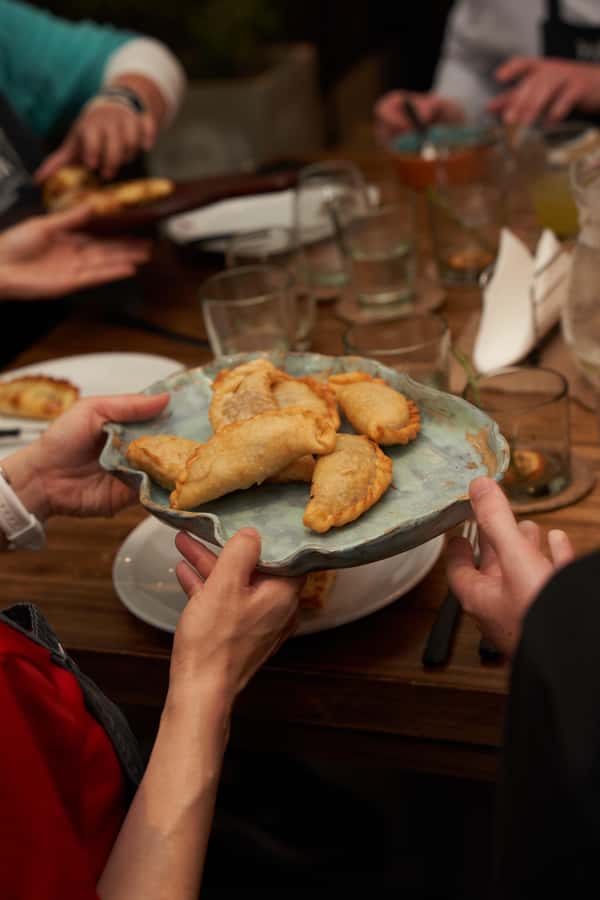
- 4 hands-on recipes: chipa, beef empanadas with chimichurri, humita stew gratin, and flamed dulce de leche crepes
- A 5-step menu with pairings using Durigutti wines from Mendoza, plus vermouth, water, and homemade lemonade
- Culture talk that matches the food: mate, chimichurri, empanadas, and the origins behind the dishes
- Small-group format limited to 10 participants (capacity up to 14), with work done in coordinated turns
- Dietary flexibility: vegetarian, gluten-free, and lactose-free adaptations are available
- Take-home materials: recipe books in PDF via QR code and class photos for your trip memories
A 3-hour Argentine cooking session with a homey Buenos Aires feel
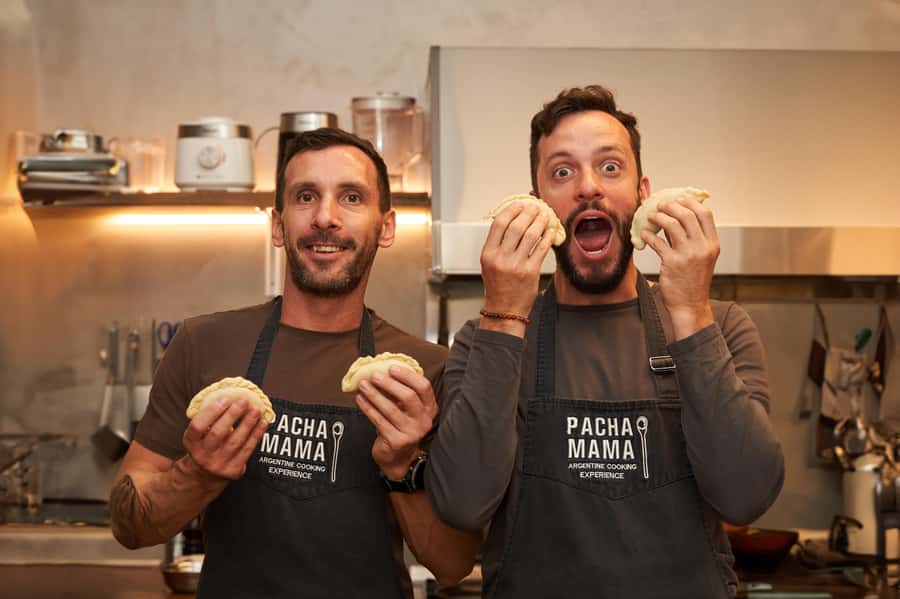
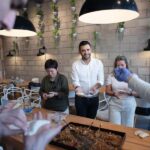
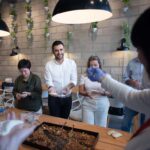
This experience is built for people who want more than a tasting. The setting is described as cozy and home-like, and that matters because cooking is physical. You roll up your sleeves, you pass ingredients, and you get comfortable asking questions without feeling put on the spot.
Timing is straightforward. Plan on about 3 hours. For private groups, it can be adapted to 2.5 hours. There’s no hotel pickup or drop-off, so factor in a simple ride to the meeting point you’re given when you book.
Group size also affects your quality of attention. It’s listed as “small group,” limited to 10 participants, with a stated capacity of up to 14. Either way, you should expect interaction and step-by-step guidance rather than a chaotic kitchen line.
If you’re thinking about language, instruction is in English. For private groups, it can be held in Spanish. And it’s wheelchair accessible, so the experience is designed to be physically workable for more than one kind of mobility.
You can also read our reviews of more cooking classes in Buenos Aires

Where the day starts: picada, preserves, pickles, and Argentine food context
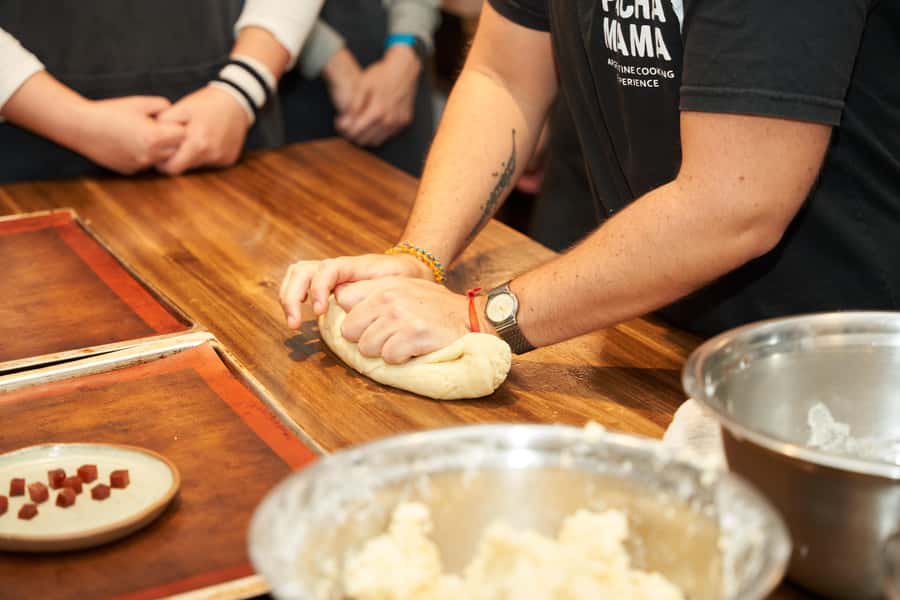
The session begins before you touch dough. You start with a welcome homemade picada—think local bread plus homemade preserves and pickles—paired with drinks like vermouth (including a vermouth cocktail) and other options like water and homemade lemonade.
Then you get the “why” behind the meal. The flow is part history lesson, part practical food talk. You’ll learn about Argentine cuisine through what you’re about to cook and eat—things like mate and the flavor profile of chimichurri. It’s the kind of context that helps you taste more actively. Instead of eating chimichurri as a sauce, you understand where it fits in the Argentine table.
This opening also sets expectations for the cooking portion. You’ll learn early that this isn’t about speed. It’s about learning enough that you can cook the dishes again later without needing the chef next to you.
Chipa and sauce: learning comfort-food technique (and a few flavor shortcuts)
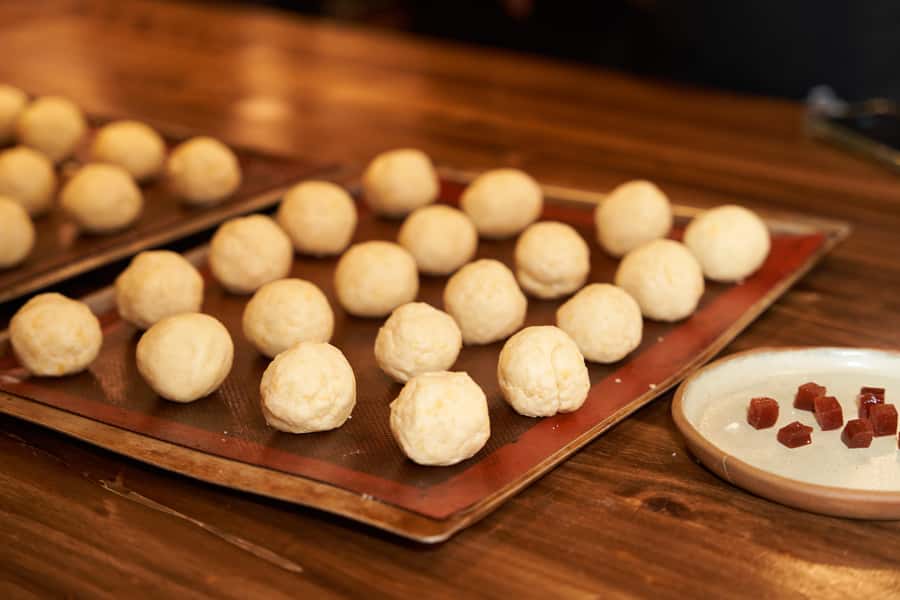
One of the first recipes you’ll be working on is chipá with BBQ sauce and a fermented spicy sauce. Even if you’ve never made it before, you’ll likely appreciate the structure of this menu: snack first, then hand-on savory recipes, then dessert.
Chipá is a big part of Argentine and Paraguayan street-food culture, and what you’re learning here is process. The class format gives you a chance to handle ingredients yourself. That hands-on element is the difference between loving a meal and being able to reproduce it.
The sauces matter too. BBQ sauce is familiar comfort, but the fermented spicy sauce is where you’ll notice the Argentine palate leans into tang and complexity. When you taste both with what you’ve made, you start understanding balance: salt, heat, acid, and smoke. That’s a skill you’ll use again when you cook at home.
You’ll also get the rhythm right away: you’re not just cranking through steps. You’re learning what to look for—texture, aroma, and how the dish changes while it cooks.
Beef empanadas and chimichurri: hands-on shaping and the sauce that ties it together
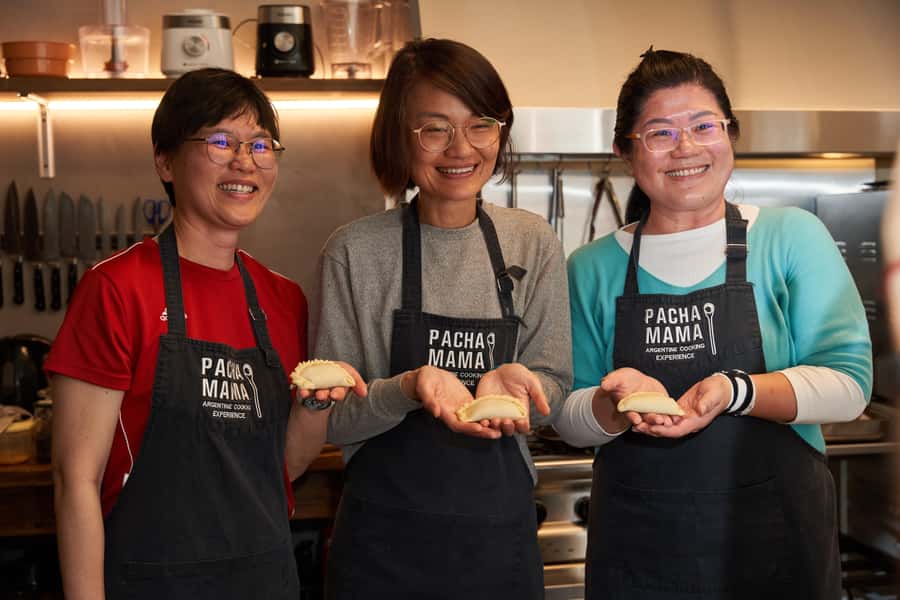
Then comes one of the most iconic plates in the Argentine repertoire: beef empanadas with chimichurri. The empanada part is tactile work. You’re shaping and assembling, and that’s exactly what you want from a cooking class.
Chimichurri is the other half of the lesson. It’s not just a condiment you drizzle. It’s a flavor system—herbs, garlic, vinegar or citrusy tang, and a peppery bite. The best part is that when you taste chimichurri next to what you made, you can tell how much it affects the overall experience. It’s often the “finishing move” that makes a simple bite feel fully Argentine.
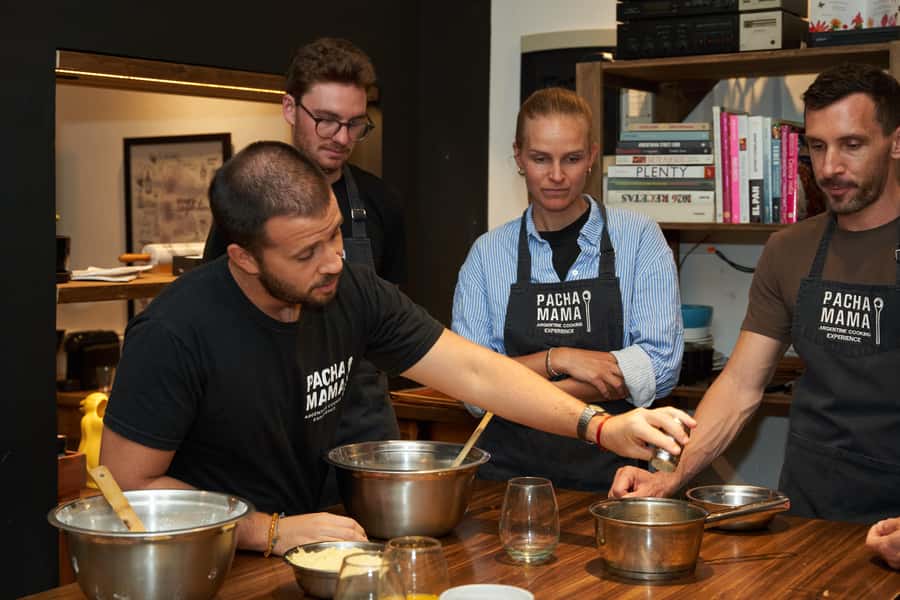
One practical note based on the way the class is run: you may not single-handedly produce every last detail of every dish start to finish. The format works in coordinated steps, with people taking turns assisting. That’s not a deal-breaker. In fact, it’s part of why group cooking tends to feel friendly and fast-paced rather than intimidating.
You’ll leave empanada section not only knowing what to do, but also knowing what to pay attention to if your result isn’t right. That’s the real win.
Humita stew gratin: the corn comfort dish that feels like Argentina’s hug
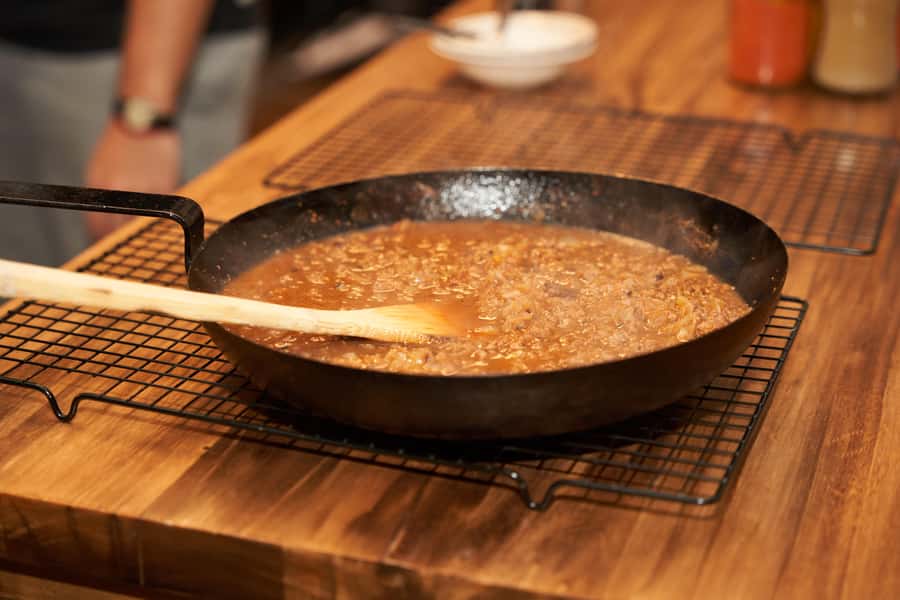
Next up is humita stew gratin. Humita is corn-centered comfort food, and in a gratin it comes with a baked, finished texture that makes the dish feel special without being fussy.
Corn-based cooking can be deceptively tricky. Overcook it and it turns flat. Undercook it and it doesn’t knit into a cohesive bite. This course is designed so you get a guided path from raw ingredients to finished comfort. You’re learning more than one “recipe.” You’re learning how to think about corn as a base—sweet, savory, and starchy all at the same time.
The gratin element adds the final layer: a baked top that changes the mouthfeel. That matters because Argentine cuisine often does well with texture shifts—juicy filling, crisp or browned edges, and sauces that bring everything together.
When you taste humita gratin after the meat dishes, it also gives you the menu balance: you get hearty and then you get comforting and then you move on to dessert without feeling stuffed.

Flamed dulce de leche crepes with ice cream and limoncello
Dessert is flamed dulce de leche crepes with ice cream and homemade limoncello. This is where the evening turns celebratory. Dulce de leche is caramel-like and deeply Argentine, and the fact that it’s paired with crepes gives it a softer delivery than spoonable dulce alone.
The limoncello piece is key. Limoncello brings brightness and a lemony snap that cuts through the richness. So instead of dessert becoming a sugar block, it lands as a more complete flavor arc.
The flamed element is also a nice way to remember the showmanship side of cooking. Even if you’re not the one holding the heat source, you’ll understand what makes the flavors change when you apply heat at the right moment.
And yes, you’ll be eating what you made at a shared table after the cooking portion, in an intimate, cozy setting designed for conversation.
Wine pairing with Durigutti (and why the menu is paced right)
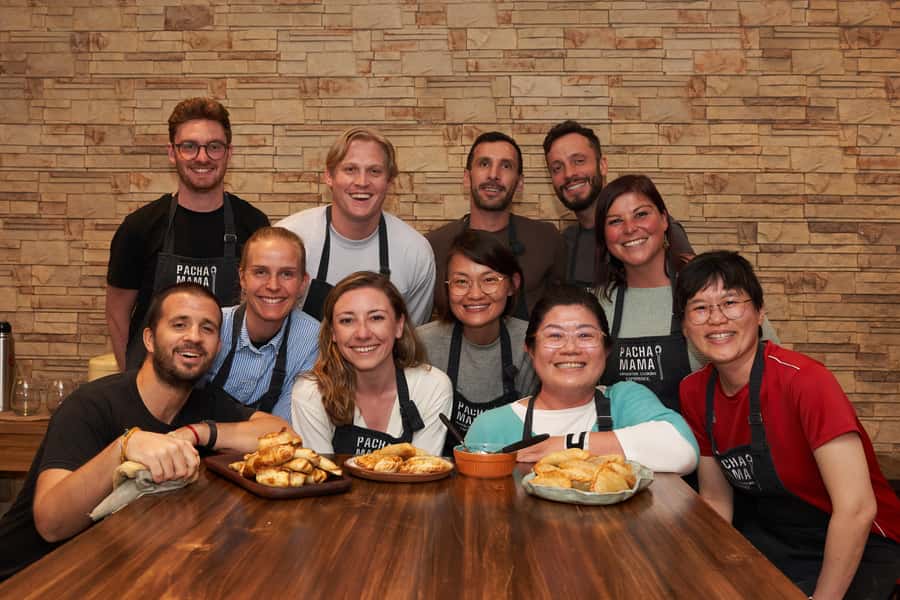
One of the most practical reasons this experience feels worth the money is the way it pairs food with drink. The menu is described as a 5-step menu paired with Durigutti wines, specifically from Mendoza. You also get other beverages included in the experience: vermouth, water, and homemade lemonade.
Wine pairing isn’t just a bonus here. It changes how you taste. When a chef pairs wine to each course, you start noticing how flavors work together: fat, salt, herbs, and sweetness. Argentine food leans into bold herbs and hearty fillings, so pairing is especially helpful for keeping your palate fresh between courses.
The schedule is also paced in a way that makes sense. You start with picada (easy, sociable). You move into hands-on savory cooking (focus time). Then you finish with dessert that feels like a payoff rather than a random end.
It’s also a social setup. You cook, you eat together, and you sit around the table at the end. That shared meal format helps you make the most of the “why” part of the lesson.
Dietary needs, adaptations, and the practical reality of cooking for different bodies
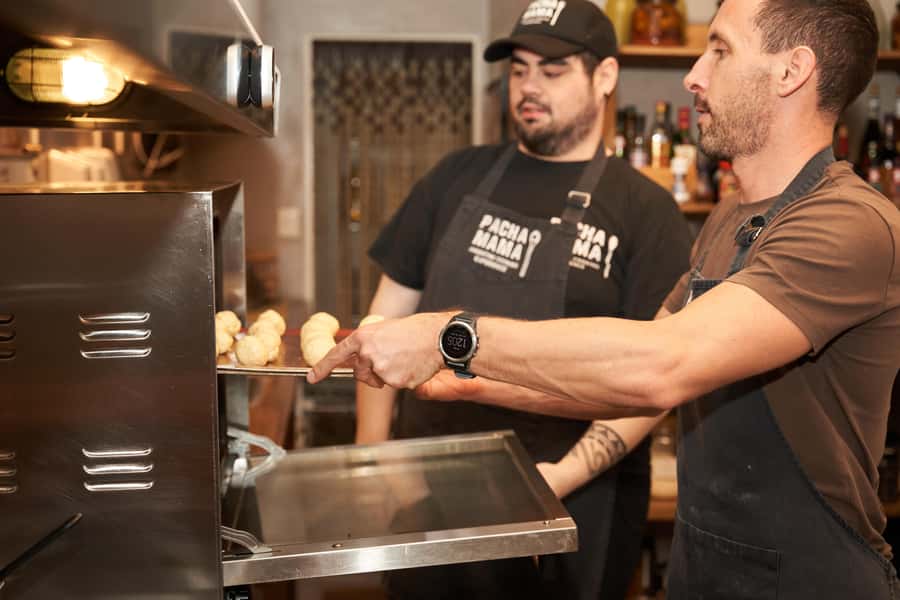
If you have dietary restrictions, this is one of the more reassuring cooking classes in Buenos Aires. It’s stated that the experience can be adapted to vegetarian, gluten-free, and lactose-free needs.
That doesn’t automatically mean every menu item becomes identical. But it does mean the chef is prepared to work around common constraints. You won’t have to simply watch other people eat.
It also helps that the menu includes a mix of dishes—corn-based comfort, savory pastries, and dessert with dairy alternatives possibly swapped as needed. With a menu like this, there’s usually more flexibility than with a single-style tasting.
A good cooking class should let you participate without becoming a spectator. The class structure is set up to keep you involved, not sidelined.
Recipes in PDF and photos you can actually use later
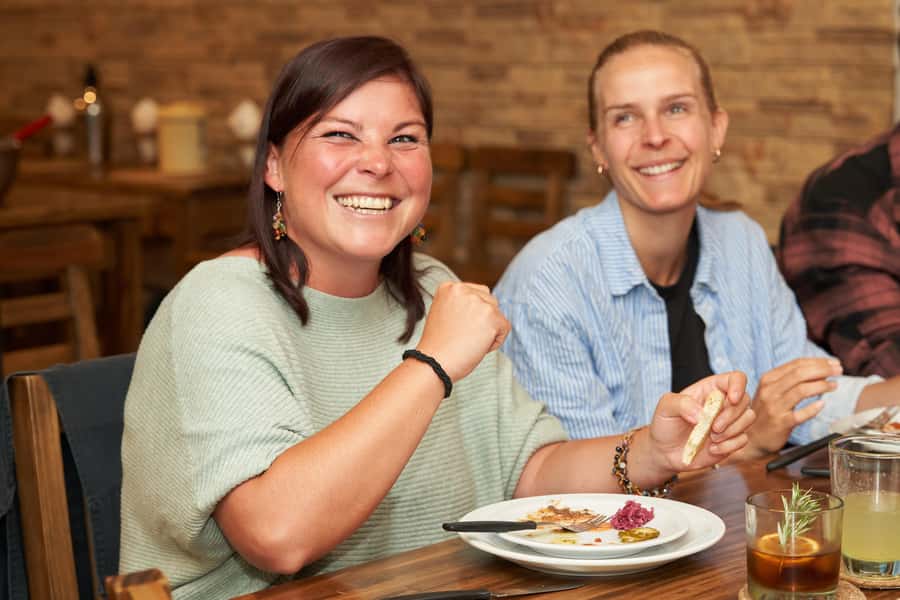
A small detail that ends up mattering: you get recipe books in PDF format via QR code, plus class pictures for trip memories. That’s not just nostalgia. It’s what turns the experience into something you can repeat at home.
I like that the recipes are delivered digitally. You can screenshot your favorites, print what you need, and keep them in your cooking folder without carrying paperwork around Buenos Aires.
Also, the class includes local recommendations and class-related recipe tips. That helps if you’re staying in the city for more days and want to keep building your food tour, beyond just this kitchen session.
Price and value: what $75 buys you in Buenos Aires
The price is $75 per person for a 3-hour experience, including instruction and a fairly substantial food program. What you’re really paying for is time with a professional chef plus the ability to make multiple dishes yourself.
This is not just a tasting. You’re cooking four different recipes from scratch with your hands. You’re also getting a welcome picada, plus the full five-step menu. On top of that, you get drinks and pairing (including Durigutti wines), and you walk away with digital recipes.
Is it pricey? Compared to a simple lunch, yes. Compared to other Buenos Aires food experiences that only feed you a plate or two, it’s competitive because your money buys both food and the skill transfer.
In plain terms: you’re paying for a guided meal you can recreate. That’s the value.
Who should book this cooking experience (and who might want a different style)
This is a great fit if you want:
- A hands-on Argentine cooking class with real participation
- A menu that includes iconic foods like chimichurri, empanadas, and dulce de leche
- A small group setting where the chef can keep things organized and fun
- A meal paired with Mendoza Durigutti wine and other included drinks
It may be less ideal if you hate group cooking workflow. Even though you cook from scratch, you may be sharing steps and taking turns rather than doing every motion alone. The class is designed for friendly teamwork, not solo mastery.
Language-wise, it’s built for English speakers. If you want Spanish-only instruction, you’ll need to confirm that option for your booking.
Book it: the best-case scenario for your Buenos Aires food trip
If your goal is to take home more than memories, this is a strong booking. You get a structured Argentine meal, you learn four recipes by hand, and you get a chef-led context that makes the food feel more meaningful.
I’d especially recommend it if you’re the type who wants to understand sauces like chimichurri, not just taste them. The way the menu is arranged makes that learning easy, because you taste what you just worked on almost immediately.
If you’re short on time, check the duration and your schedule. Otherwise, plan on spending your late afternoon or early evening cooking, eating, and leaving with recipes you can actually use.
FAQ
How long is the Pachamama Argentine Cooking Experience?
It lasts about 3 hours. For private groups, it can be adapted to about 2.5 hours.
How many people are in the group?
It’s a small-group experience limited to 10 participants.
What’s included in the menu and drinks?
You get a 5-step menu paired with Mendoza Durigutti wines (plus vermouth, water, and homemade lemonade). The included food includes a welcome picada, chipá with BBQ sauce and fermented spicy sauce, beef empanadas with chimichurri sauce, humita stew gratin, and flamed dulce de leche crepes with ice cream and homemade limoncello. A vermouth cocktail is also included.
Which recipes do you cook?
The experience includes hands-on cooking from scratch of four recipes: chipá, beef empanadas (with chimichurri sauce served with them), humita stew gratin, and flamed dulce de leche crepes.
Is hotel pickup and drop-off included?
No, hotel pickup and drop-off are not included.
Can the class accommodate dietary restrictions?
Yes. It can be adapted for vegetarian, gluten-free, and lactose-free diets.
Is the experience wheelchair accessible?
Yes, the experience is listed as wheelchair accessible.