REVIEW · BUENOS AIRES
Buenos Aires: Empanada & Alfajor Cooking Lesson in Palermo
Book on GetYourGuide →Operated by Signaturetours · Bookable on GetYourGuide
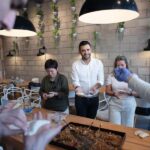
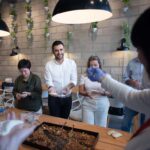
You can smell Argentina before you even start cooking. This Palermo-based class is a hands-on lesson in the two foods most people hunt for once they land in Buenos Aires: empanadas and alfajores. I love that you’re not just watching—you’re folding, mixing, baking, and assembling with an instructor who keeps things friendly and clear.
Two things I especially like: you get real technique for the how, not just the what, and you eat what you make while learning the culture behind it. You might also notice the guides here often get singled out by name—Carolina, Tomas, Catalina, Paulina, and Layla show up in the feedback for clear steps and lots of patience. One possible drawback: the “everyone cooks all the way through” level can vary, since a few people felt some portions were more demo than fully hands-on.
In This Review
- Key reasons this class works
- Palermo’s empanada lesson: why this format feels so local
- Meeting point reality check (and what to do about it)
- Step 1: Empanadas—filling, folding, and the hands-on part
- Meat or vegan empanadas: you’re not stuck with one idea
- Step 2: Alfajores—mix, bake, then build the sandwich
- The mate tea and cultural chat that make the lesson stick
- What happens after you cook: eating, talking, and enjoying the results
- How to measure value: $49 for 150 minutes of real technique
- Who should book this class (and who might hesitate)
- Practical tips for your best results (even before you arrive)
- Should you book this Palermo cooking class?
- FAQ
- How long is the cooking lesson?
- What will I cook during the class?
- Are there meat and vegan options?
- Is mate tea included?
- What languages are the guides able to teach in?
- Where is the meeting point?
- Do I need hotel pickup and drop-off?
- Does the experience run in bad weather?
Key reasons this class works
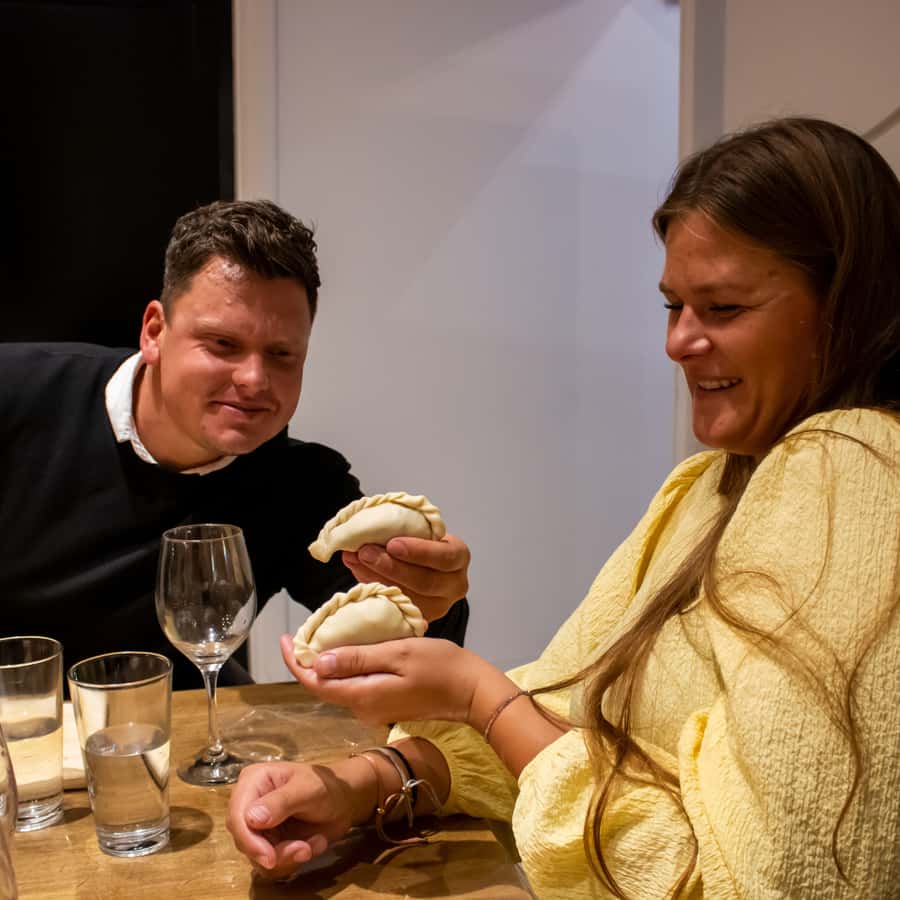
- You cook both classics: empanadas first, then dulce de leche alfajores.
- Meat or vegan options are available, so the menu doesn’t force one style.
- Mate tea is included, plus cultural context while you work.
- Small-group energy shows up in reviews, with instructors keeping people engaged.
- Food quantity gets praised, with plenty to eat after the prep.
- You leave with recipes you can actually repeat at home.
Palermo’s empanada lesson: why this format feels so local
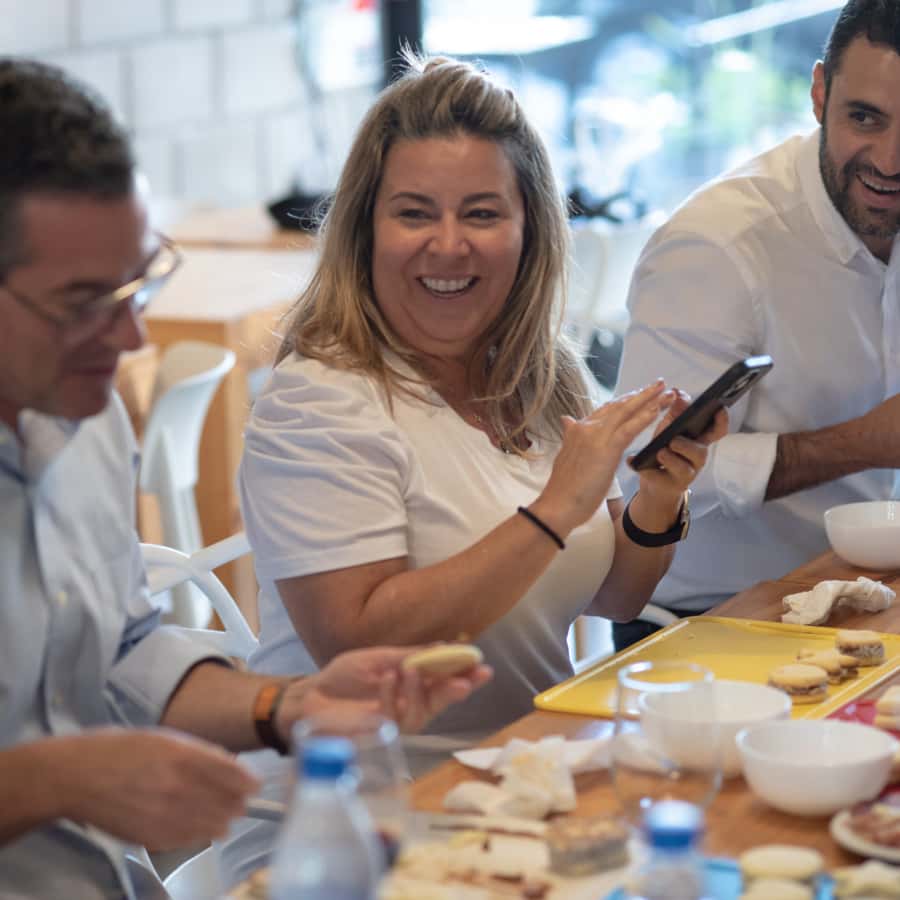
Buenos Aires makes it easy to eat well. The hard part is learning why things taste the way they do. This is why a cooking class beats a food tour for me: it turns Argentine comfort food into something you can recreate.
In Palermo, you’ll get the best of both worlds. You’re in a lively neighborhood that’s easy to reach on your own, and the activity itself is grounded in everyday Argentine routines: shared food, casual conversation, and those small details (folding technique, dough texture) that separate “good” from “this tastes right.”
At roughly 150 minutes, it’s long enough to teach real steps and still short enough that it doesn’t feel like your whole day disappears.
You can also read our reviews of more cooking classes in Buenos Aires

Meeting point reality check (and what to do about it)
You’ll meet at Gorriti 4882 in Palermo, and the “know before you go” note lists Gorriti 4886. That means the address number can differ depending on how the host labels the spot.
Do this:
- Check your booking confirmation for the exact number to use on arrival.
- Give yourself a few extra minutes so you’re not doing last-second phone math on a busy street.
Also, there’s no hotel pickup and drop-off, so plan to get there under your own steam (taxi, rideshare, or transit if that’s your style).
Step 1: Empanadas—filling, folding, and the hands-on part
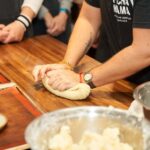
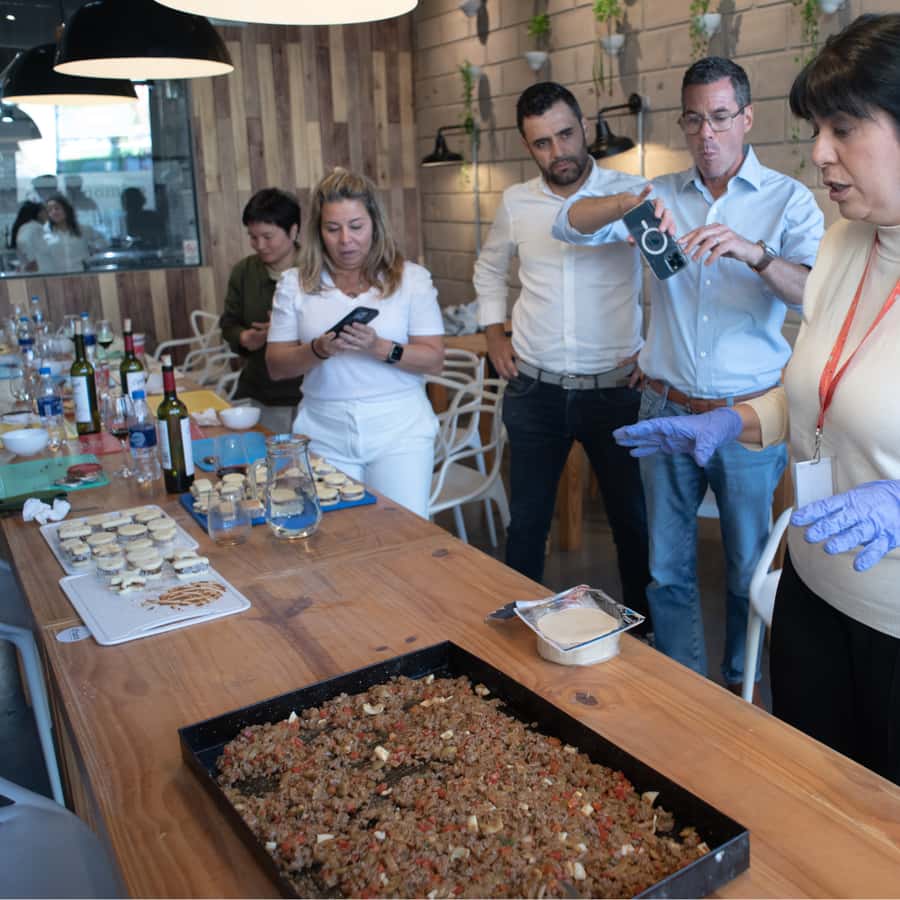
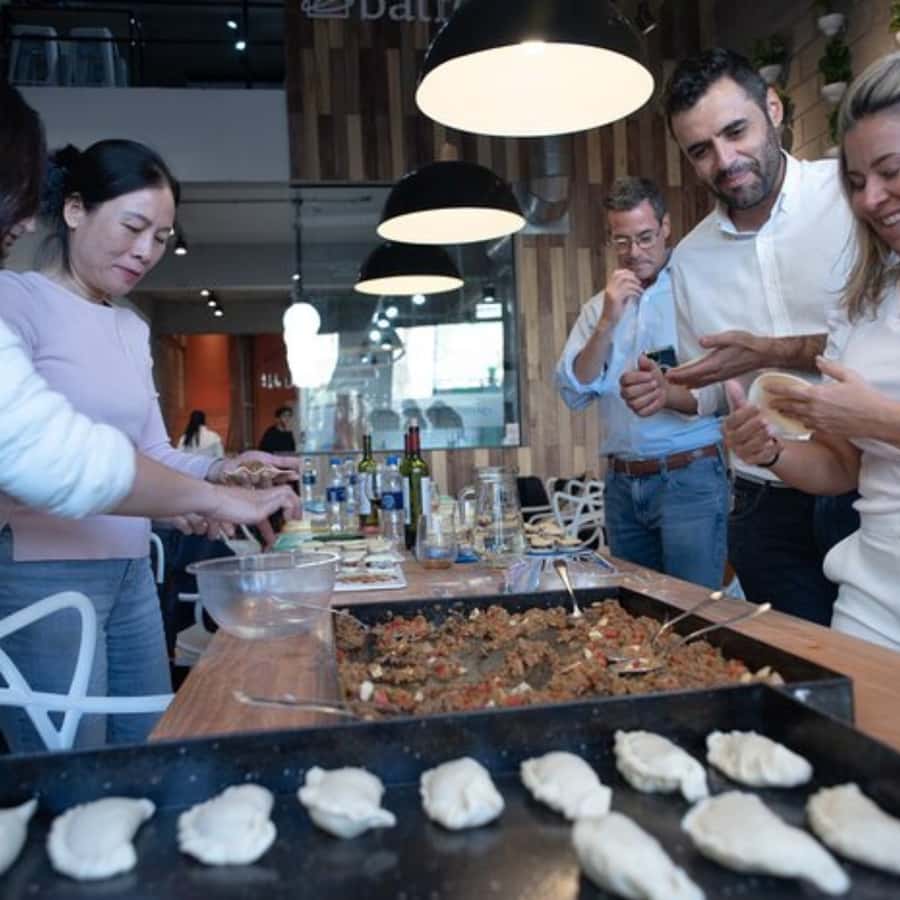
Empanadas are Argentina’s fast comfort. They’re also a small craft project. This class starts with the building blocks, led by a native instructor, so you learn the steps in sequence rather than as a random list of ingredients.
Here’s what you can expect during the empanada portion:
- Your host shows you how to prepare Argentine empanadas, one of the country’s most important dishes.
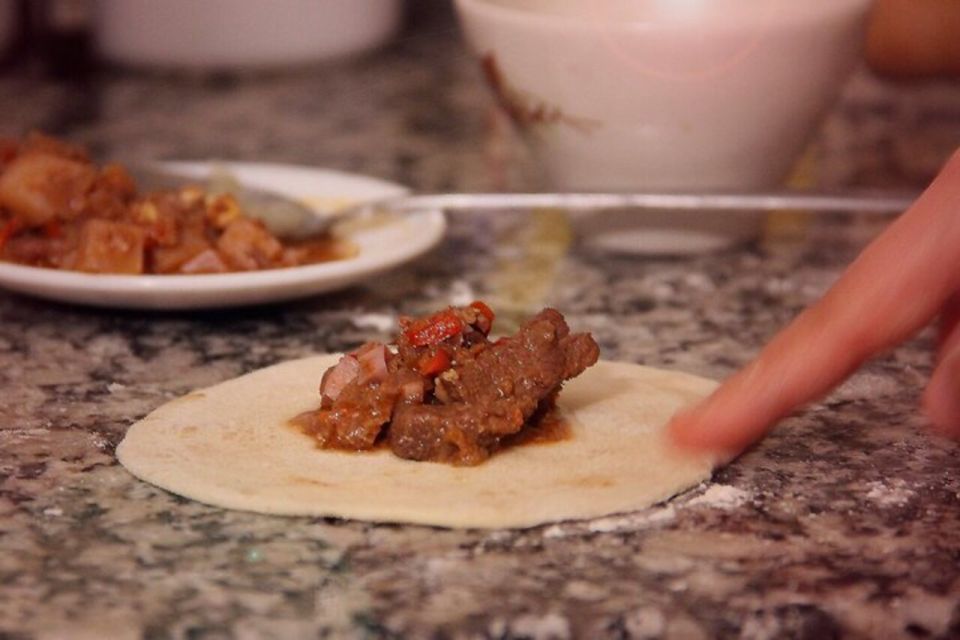
- You’ll work with the filling and dough components, then assemble your own empanadas.
- You’ll focus on practical technique—especially the folding, which is where most people’s first empanadas tend to look… homemade.
Folding matters because it affects sealing, texture, and how the filling stays put while cooking. If you’ve ever tried to make empanadas at home and they either open or look messy, this is the part where a live guide earns their money.
One detail that shows up in feedback: some classes include a comparison between store-bought dough and freshly made dough. Even if your session doesn’t emphasize that, the general takeaway is consistent—knowing what changes in dough feel and handling makes a huge difference later.
Meat or vegan empanadas: you’re not stuck with one idea
The class offers meat or vegan options. That’s a big deal, because empanada filling styles can become a letdown when the “veg option” is just a swapped ingredient without technique.
What you want from a good veg-friendly experience:
- Clear guidance so you’re still learning the folding and assembly, not just substituting a filling.
- Enough time to work at your pace without feeling rushed.
In the feedback, the emphasis is less on a specific vegan recipe and more on the instructor’s patience and step-by-step teaching. That’s the real value. You’re learning the method, not just copying one filling.
Step 2: Alfajores—mix, bake, then build the sandwich
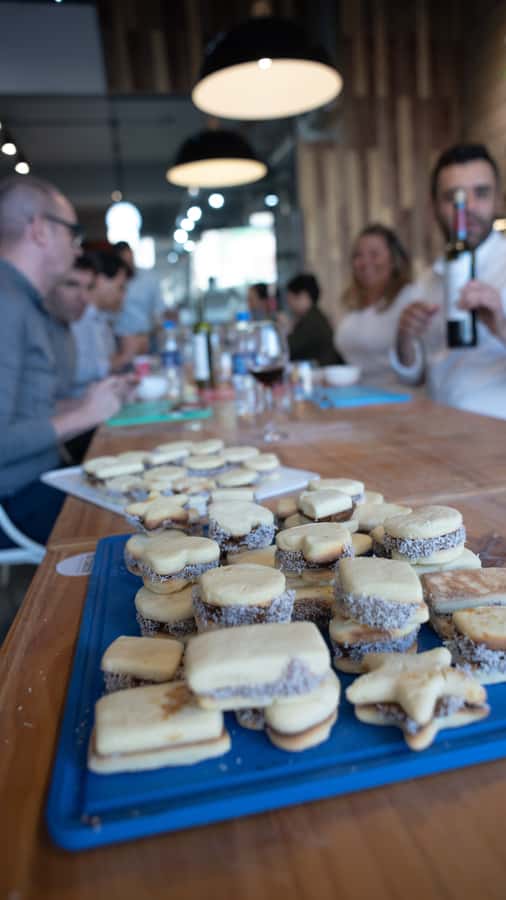
Then comes the fun part: dulce de leche alfajores. These are the cookies that basically define Argentina’s sweet tooth.
During this portion, you’ll:
- Mix the ingredients for the cookie base.
- Bake them (so you understand the timing and the “look” of doneness).
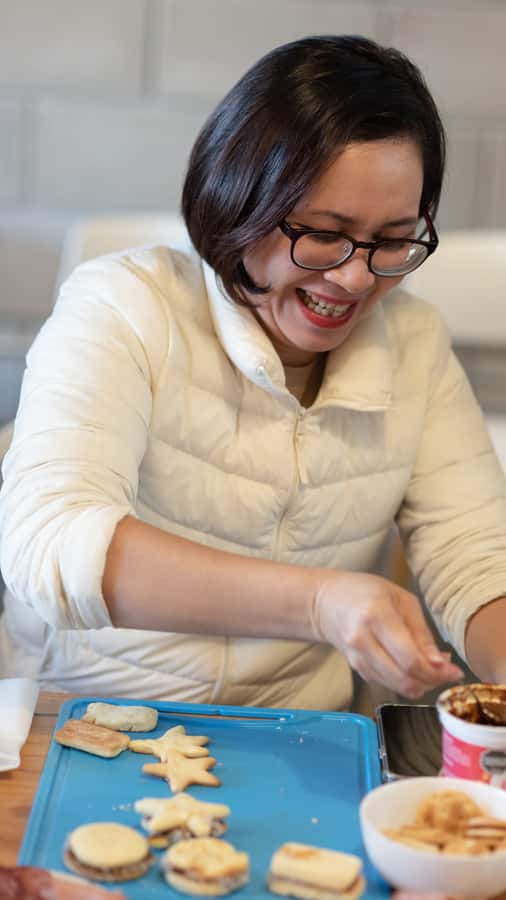
- Assemble the alfajores by filling and shaping them into the classic sandwich format.
The key skill is balance. Alfajores are simple on paper—cookies plus dulce de leche—but they’re picky in practice. Too much filling can make them messy. Not enough can make them feel dry. The instructor’s job is to guide your hands so the final result looks right and tastes like the real thing.
In feedback, people repeatedly mention how the alfajores turned out delicious and how easy the instructions felt. You’ll likely leave not just with a cookie in hand, but with enough confidence to attempt it at home without turning your kitchen into a sweet stress test.
You can also read our reviews of more tours and experiences in Buenos Aires




The mate tea and cultural chat that make the lesson stick
Food classes can drift into pure cooking mode. Here, mate tea is included, along with cultural insights while you work.
Why that matters:
- It turns what you’re doing into context. When you understand the social rhythm—sharing, snacking, conversation—the dishes start to feel less like “recipes” and more like culture.
- It also makes the session more comfortable, especially if you’re cooking with kids or you don’t speak Spanish fluently.
This is where the instructor personality comes through. Names like Carolina, Catalina, Tomas, and Paulina get highlighted for being engaging and good with questions, which matters because you’ll probably want to know small things like what to aim for in dough consistency or how to avoid common sticking points.
Some reviews also mention wine during the meal. The main fact you can rely on from the activity details is mate tea included; if wine shows up in your specific session, treat it as a bonus, not the core event.
What happens after you cook: eating, talking, and enjoying the results
The structure is designed so you don’t just cook and leave. You’ll enjoy local food from what you prepare, which is a huge part of the value.
What you’re looking for in that “after” phase:
- You get to taste your food while it’s still fresh and warm.
- You can ask the instructor follow-up questions and learn why something worked.
- The group vibe usually shifts from busy cooking to relaxed eating.
A common praise point is that the class provides enough food—so you don’t feel like you’re grazing on tiny samples. People also mention sitting down to chat after, which makes it feel less like a workshop and more like a shared meal with teaching.
How to measure value: $49 for 150 minutes of real technique
At about $49 per person for 150 minutes, this isn’t just a “pay to taste” experience. You’re paying for:
- Ingredients for both empanadas and alfajores,
- A local instructor who guides technique,
- Mate tea during the class,
- And the time to actually cook, bake, and assemble.
If you’ve ever tried to recreate Argentine specialties at home from vague internet recipes, you know how quickly costs add up: ingredients, trial runs, and the time sink. This class compresses the learning curve into one focused session.
Also, the consistency in feedback matters. When multiple instructors get named for patience and step-by-step clarity, it suggests the quality isn’t random. That’s part of the value you’re buying.
Who should book this class (and who might hesitate)
This experience is especially good if you:
- Want practical recipes you can repeat, not just photos and facts.
- Travel with kids or teens. People mention it working well for a wide range of ages, and the format stays active.
- Have dietary needs. The availability of vegan options makes it easier to plan.
- Like learning through doing—folding, mixing, baking—so you remember the details.
A possible mismatch:
- If you hate any kind of hands-on mess or you want a strict “watch the expert” style, you might find the timing shifts less predictable. One comment specifically pointed out that some parts felt more demo-like than fully hands-on.
Practical tips for your best results (even before you arrive)
You’ll get more out of this class if you come with the right mindset:
- Wear comfy clothes you don’t mind getting splatter-prone.
- Expect to touch dough and filling. That’s the point.
- Ask questions early if you’re unsure about folding or how you’re meant to handle the dough.
If you want to replicate empanadas and alfajores later, focus on technique cues you can observe:
- Dough handling and how it feels,
- How the edges seal,
- Cookie doneness and texture,
- How the filling-to-cookie ratio looks after assembly.
In other words: don’t just aim for a pretty final plate. Aim for the steps that create that plate.
Should you book this Palermo cooking class?
If your goal is a genuine Argentine food skill session, I’d say this is a solid booking. You’re getting two iconic recipes in one sitting, the teaching style gets praised for patience and clear instructions, and the class includes mate tea plus time to eat what you make.
I’d book it particularly if you want a family-friendly activity that still feels real and not like a bland tourist show.
The only reason to hesitate is if you prefer a purely observational experience. Otherwise, for the price and the time, it’s one of those “you’ll still be thinking about it when you’re back home” types of days.
FAQ
How long is the cooking lesson?
The experience lasts 150 minutes.
What will I cook during the class?
You’ll make Argentine empanadas and dulce de leche alfajores.
Are there meat and vegan options?
Yes. The empanadas can be made with meat or vegan options.
Is mate tea included?
Yes. Mate tea is included.
What languages are the guides able to teach in?
The live tour guide offers instruction in English, Spanish, and Portuguese.
Where is the meeting point?
The listing gives Gorriti 4882, Palermo, and the know-before-you-go note lists Gorriti 4886. Check your confirmation for the exact number.
Do I need hotel pickup and drop-off?
No. Hotel pickup and drop-off are not included.
Does the experience run in bad weather?
Yes. It happens even if it rains or shines.