REVIEW · BUENOS AIRES
Secret Food Tour: Buenos Aires
Book on GetYourGuide →Operated by Essor · Bookable on GetYourGuide
Argentina tastes better on foot. The Secret Food Tour: Buenos Aires is a focused 3-hour stroll through Palermo’s different faces, built around Argentina’s flavors and the stories that shaped them. I like that you get a real mix of tastes, not just one or two stops, and I like that you’re not stuck staring at menus while someone narrates. Instead, you walk, eat, and learn how food connects to neighborhoods, migration, and everyday Porteño culture.
Here’s what to consider: you’ll be on your feet for a good chunk of the tour, and the plan can run a bit long or shift based on weather and local availability. If you’re very sensitive to walking time or have special dietary needs, it’s worth confirming what can be accommodated before you book.
Still, if you want a straightforward way to get your bearings fast in Palermo while sampling classics like parrilla steak, choripán, and alfajor, this tour is easy to recommend.
In This Review
- Key things to know before you go
- Palermo is the real star of this Buenos Aires food tour
- Meeting at 1810 Cocina Regional Palermo and the first taste moment
- The Secret Dish and the Italian ancestry story (62.2%)
- Parrilla steak with chimichurri: the stop that anchors the whole tour
- Old Palermo and Plaza Inmigrantes de Armenia: food influenced by migration
- The quick Eva Perón toast and a monument tied to dictatorship-era history
- Palermo Soho choripán: where the award-winning sandwich earns its fame
- Alfajor finale: the handmade dessert with 99% sourced ingredients
- What’s actually included (and how it changes the value of $95)
- Timing, pace, and where you’ll feel it walking
- What kind of traveler should book this Palermo food walk?
- Should you book the Secret Food Tour: Buenos Aires?
- FAQ
- How long is the Secret Food Tour: Buenos Aires?
- Where do I meet the guide?
- Is the tour in English?
- What food is included during the tour?
- Does the itinerary ever change?
- How big is the group?
- What if I have dietary needs?
Key things to know before you go
- Small group (up to 10) keeps the pace friendly and the guide’s attention on you
- Palermo routing covers Palermo Soho plus Old Palermo, so you see multiple neighborhood vibes
- A “Secret Dish” kicks things off, and it’s always something you don’t get on a standard menu
- Multiple tastings and drinks are included: cheesecake, steak with chimichurri, empanadas, choripán, alfajor, plus water, Basque cider, and yerba mate
- English live guide (you’ll spot them with an orange umbrella) makes the stories easy to follow
Palermo is the real star of this Buenos Aires food tour
Palermo is the largest neighborhood of Buenos Aires, and that matters because it covers distinct micro-areas with different textures. This tour is designed to move through that variety, including Palermo Soho and Old Palermo, so you don’t just “see Palermo,” you learn how it’s organized and why it feels different street to street.
What I like about this approach is that it turns a food tour into a neighborhood tour. You’re not collecting random bites; you’re building a mental map of where certain foods, influences, and traditions show up in daily life.
You can also read our reviews of more food & drink experiences in Buenos Aires

Meeting at 1810 Cocina Regional Palermo and the first taste moment
You meet in front of the main entrance of 1810 Cocina Regional Palermo, at Julián Álvarez 1998 (C1425DHB). Your guide will have an orange umbrella and a big smile, so you can spot them quickly and get moving without the usual Buenos Aires “where are you?” chaos.
Most tours start with logistics and then food. This one starts with the food story right away: they unveil the tour’s Secret Dish as a celebration of Argentina’s indigenous heritage and cultural legacy that continues today. Even if your Spanish is basic, the point comes through clearly: the guide connects what you taste to why the food exists in the first place.
The Secret Dish and the Italian ancestry story (62.2%)
One of the most useful parts of the tour is how it frames Argentina’s food without going too academic. You’ll hear a specific statistic: 62.2% of the country traces ancestry back to Italy. The guide uses that to explain how Italian heritage shows up in gastronomy and everyday preferences.
Why this is valuable: it gives you a lens you can use after the tour. When you later notice pasta-like flavors, café culture, or the way certain baked goods are discussed, you’ll know what you’re looking at.
If you’re the kind of traveler who likes to understand the “why” behind taste, you’ll appreciate this setup. If you just want food with minimal story, you still get context without feeling stuck in a lecture.
Parrilla steak with chimichurri: the stop that anchors the whole tour
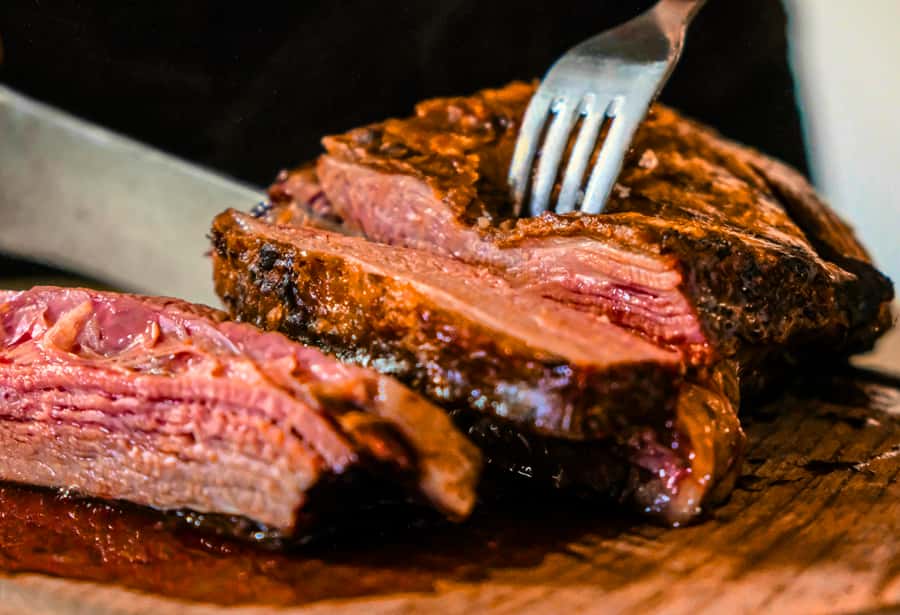
Then comes the iconic Argentina moment: an Argentine barbecue (parrilla) with fire-grilled steak and chimichurri. This is the kind of tasting that instantly makes the tour feel worth it, because it’s a classic you can’t always nail on your own as a first-time visitor.
What you get matters here:
- Fire-grilled steak
- Chimichurri on the side or alongside
- A guide explaining how the flavors fit into Porteño eating
A quick practical note: arrive hungry and don’t over-order extra snacks beforehand. With multiple tastings included, your appetite is your best tool.
Old Palermo and Plaza Inmigrantes de Armenia: food influenced by migration
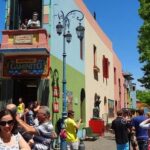
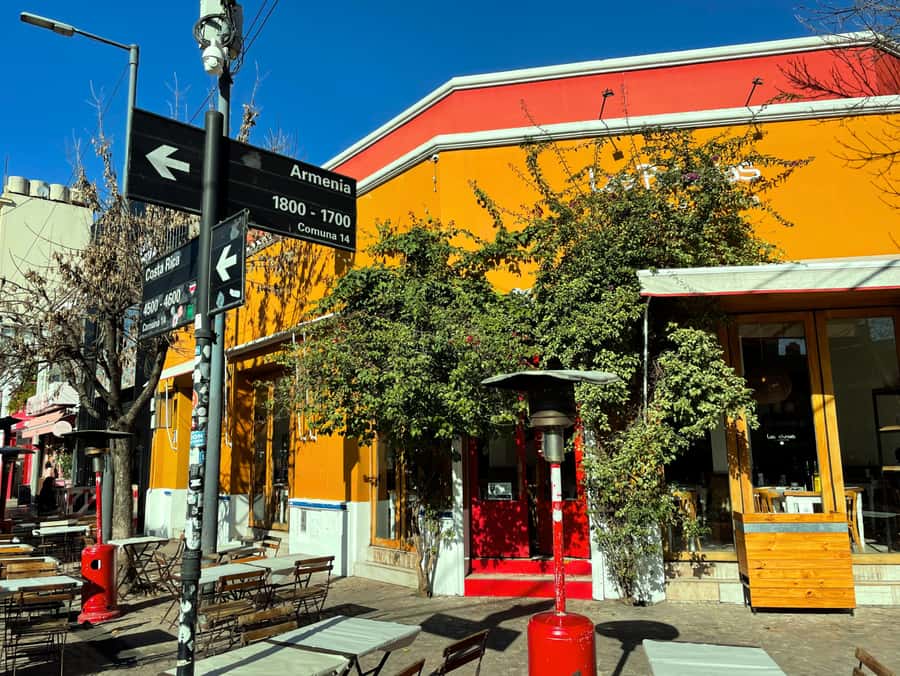
Next you’ll walk around one of the hottest gastronomic spots in Old Palermo: Plaza Inmigrantes de Armenia. The guide uses the location to talk about international influences on the city, which is where Buenos Aires gets really interesting for food lovers.
This stop is less about a single “one and done” bite and more about learning how a neighborhood becomes a food crossroads. You’ll connect the dots between immigration, markets, and the way cuisines blend into what locals consider normal.
If you enjoy street-level history, you’ll like how this portion keeps the narrative tied to places you can see. You’re standing where the stories happened, not reading about them somewhere far away.
You can also read our reviews of more tours and experiences in Buenos Aires

The quick Eva Perón toast and a monument tied to dictatorship-era history
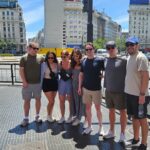
On the way, the group makes a quick pit stop to raise a toast to Eva Perón. It’s short, but it adds a human, cultural thread that goes beyond food.
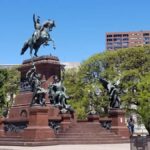
Then you’ll stop at a monument paying homage to fighters against the Argentine dictatorship and learn about Jorge Rafael Videla. This is the most serious moment on the tour, and it’s handled as a place-based lesson.
A balanced way to think about it: you’re not turning this into a history tour, but you are learning why Buenos Aires celebrates certain figures and memorializes certain events. That context helps you understand why food culture and civic culture run together in Latin American cities.
Palermo Soho choripán: where the award-winning sandwich earns its fame
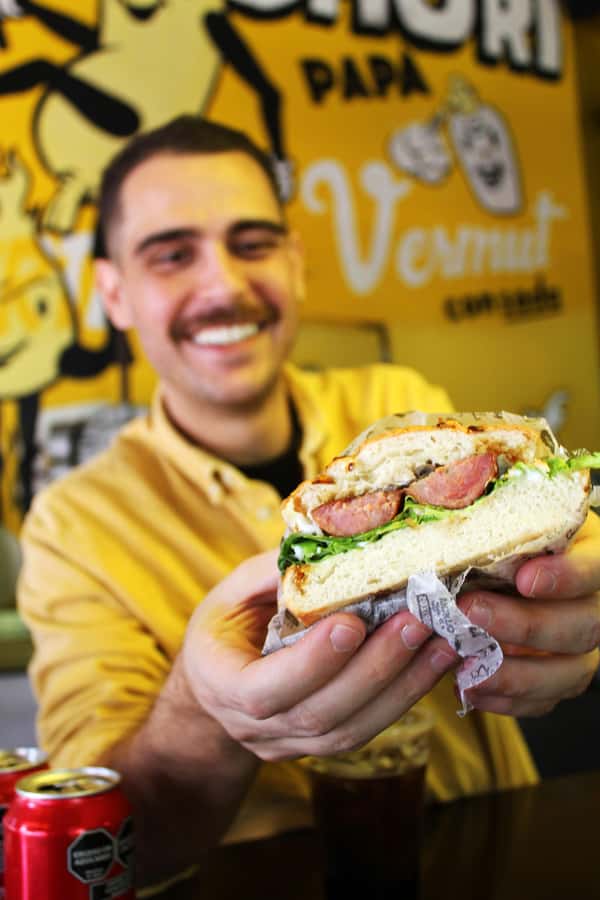
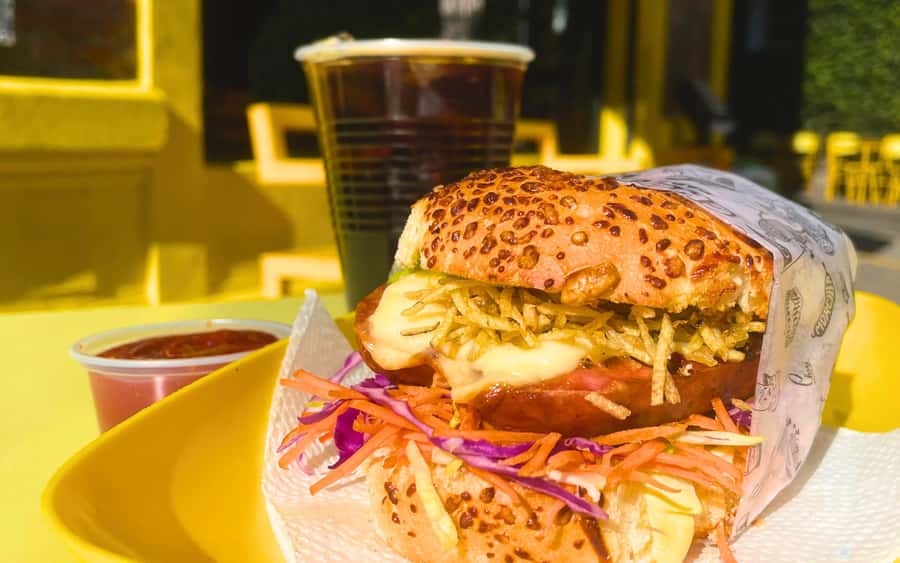
When the tour moves into Palermo Soho, the pace shifts into street-follower mode. You’ll stop at a venue known for choripán that’s been awarded worldwide. The guide frames why it’s such an enduring icon: simple ingredients, high impact, and the kind of sandwich that fits both daily life and celebrations.
Why this stop is smart on a tour like this: choripán is easy to recognize, but it’s harder to get the best version without local guidance. This is one of those foods where technique and timing matter, and the guide’s job is to get you to a place that nails it.
If you like savory snacks, this is the moment you’ll be hoping comes before dessert—because choripán is the perfect bridge between meat-forward Argentina and the sweet finale.
Alfajor finale: the handmade dessert with 99% sourced ingredients
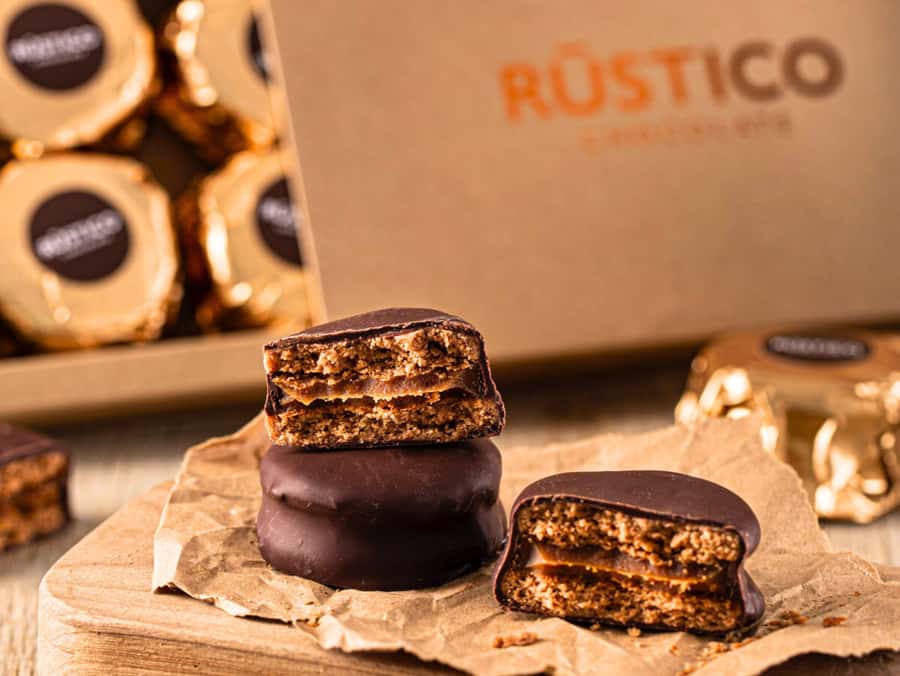
To finish, you’ll indulge in Argentina’s most famous dessert: a hand-made alfajor. The tour notes that it uses 99% of its ingredients sourced from across Argentina and crafted by local chocolatiers.
That’s a useful detail because it tells you the tour isn’t just about quantity. They’re building an arc: savory first, then sweet, with a finale that feels tied to local production rather than imported sweetness.
Also, if you like pairing desserts with the right drink, this is where your included beverages pay off. You’ll have already had chances to try Basque cider and yerba mate, plus water—so the finale doesn’t land in a flavor void.
What’s actually included (and how it changes the value of $95)
At $95 per person for about 3 hours, the value comes from what’s in the meal plan, not just the walking component. Here’s what you’re getting as part of the tour:
- Argentine cheesecake
- Fire-grilled steak with chimichurri
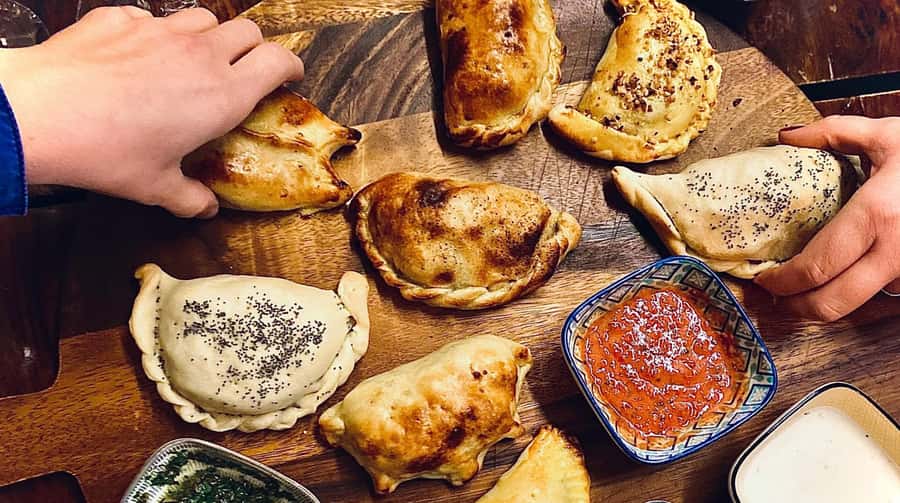
- Special empanadas
- Worldwide award-winning choripán
- Hand-made alfajores
- The tour’s Secret Dish
- Water
- Basque cider
- Yerba mate
That combination matters because Buenos Aires dining can add up fast. When a tour bundles multiple items—plus drinks—it turns a “food curiosity day” into something more predictable. For me, that predictability is a big part of why this price works: you know you’ll leave with a full sampling, not just a couple of bites and a photo.
One more practical note: itineraries can change based on availability, weather, and other circumstances. That can be annoying, but it’s also realistic in a city where a specific venue might shift day to day. The key is that you still get the same overall structure: savory classics, then dessert, guided by local context.
Timing, pace, and where you’ll feel it walking
The tour is designed around a 3-hour window. Still, it can run 15–30 minutes longer, so plan your next stop with a little breathing room.
Since it’s a walking tour, the best preparation is simple: wear comfortable shoes and keep your layers ready. Palermo streets can be changeable throughout the day, and the tour can adjust if weather or venue access requires it.
Small group helps here. With a limit of 10 participants, you’re less likely to get stretched out or lose the narrative. The guide can keep the group together through streets and transitions between neighborhoods.
What kind of traveler should book this Palermo food walk?
This tour is a strong fit if:
- You’re visiting Buenos Aires for the first time and want fast neighborhood orientation
- You love tasting Argentina classics like parrilla steak, choripán, and alfajor
- You want local context without committing to a full-day museum-style itinerary
- You prefer English commentary and a guide who can answer questions on the spot
It’s also a good choice if you like the idea of learning while you eat. The tour’s stops include both food and key place-based moments, like the Eva Perón toast and the monument tied to the dictatorship-era history. That blend works well for travelers who don’t want only one type of experience.
Should you book the Secret Food Tour: Buenos Aires?
I’d book it if you want a well-fed, story-aware way to experience Palermo. The standout strength is that it pairs classic Argentine eating with neighborhood context, and it does it in a tight, manageable 3-hour format with a small group and an English guide you can follow easily.
You might choose something else if you’re avoiding walking or if you need a very specific dietary plan that you haven’t confirmed with the operator ahead of time. The tour is flexible with locations, but it can’t magically guarantee every substitution without checking first.
If your goal is simple—sample the city’s best-known foods in the right order, with a guide like Iago (or another orange-umbrella guide) who can explain what you’re tasting—this is a smart way to spend an afternoon.
FAQ
How long is the Secret Food Tour: Buenos Aires?
The tour lasts about 3 hours. Starting times vary, so you’ll want to check availability for the schedule that fits your day.
Where do I meet the guide?
Meet in front of the main entrance of 1810 Cocina Regional Palermo, at Julián Álvarez 1998, Buenos Aires.
Is the tour in English?
Yes, the live tour guide speaks English.
What food is included during the tour?
You’ll get tastings that include Argentine cheesecake, empanadas, fire-grilled steak with chimichurri, choripán, hand-made alfajores, plus a Secret Dish. Drinks included are water, Basque cider, and yerba mate.
Does the itinerary ever change?
Yes. The itinerary and menu can change based on location availability, weather, and other circumstances.
How big is the group?
This is a small group tour limited to up to 10 participants.
What if I have dietary needs?
If you have special dietary needs, contact the provider before booking to check whether they can accommodate you.