REVIEW · BUENOS AIRES
5hs Small Group City Tour of Buenos Aires with Street Food
Book on GetYourGuide →Operated by Signaturetours · Bookable on GetYourGuide
Buenos Aires can feel like a movie set. This small-group city overview uses a guided walk-through of the places that shaped porteños life, with an easy hotel pickup/drop-off setup. I love that the pace is tight enough to cover major sights, and I love that you can ask questions in real time because the group stays under 16 people. One possible drawback: if you hate “drive-by sightseeing,” note that some stops are brief, and a few icons may be seen more from the outside.
This is a smart way to orient yourself early in a trip. You get a guided route through political, cultural, and architectural Buenos Aires, plus an optional empanadas snack to make the food part of the tour feel natural, not like a random add-on. If you’re short on time, this format is efficient; if you want long hangs in one neighborhood, you may feel the schedule is a bit packed.
In This Review
- 5 Key Things You’ll Notice on This Buenos Aires Tour
- How This 3–5 Hour Format Works (And Why It’s Good Value)
- Hotel Pickup and Drop-Off: The Real Convenience Win
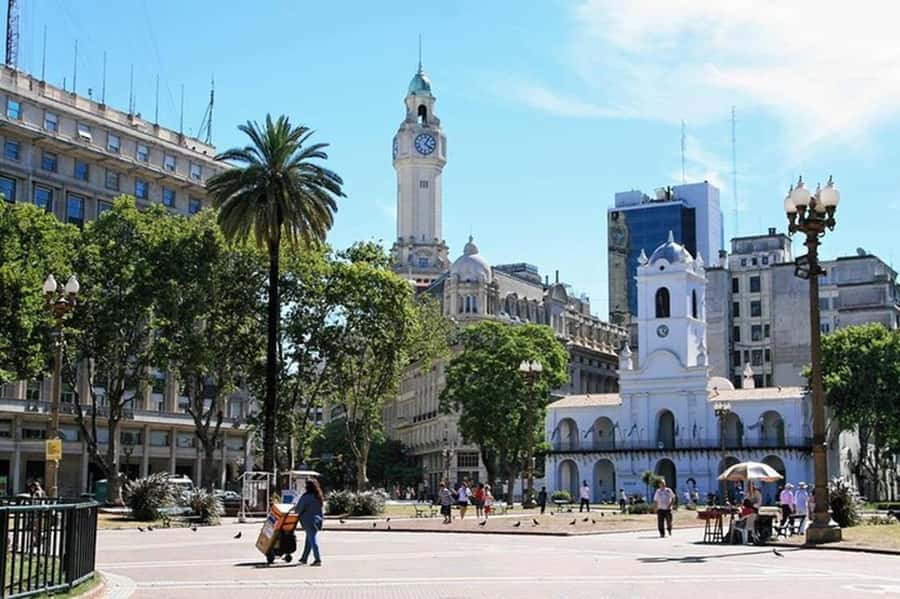
- Plaza de Mayo: The Political Heartbeat (And a Quick Orientation)
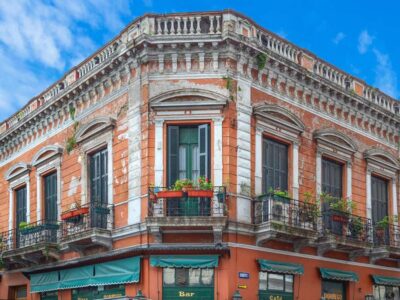
- San Telmo: A Tiny Taste of Old Streets
- Caminito in La Boca: History Meets Street Life and Food
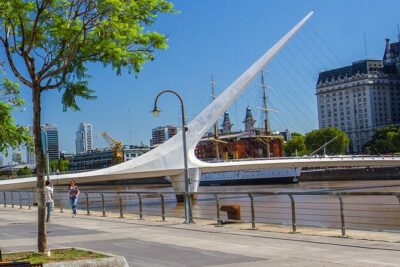
- Puerto Madero: Modern Lines, Old Port Energy
- Teatro Colón: The Icon You Recognize Instantly
- Retiro and Recoleta: Two Different Styles of Buenos Aires
- El Ateneo Grand Splendid: A Theater That Became a Bookstore
- Floralis Genérica and Facultad de Derecho (UBA): Modern Symbols with a Purpose
- What the Guide Adds (Especially With a Small Group)
- Timing Tips: How to Get the Most From Brief Stops
- Who This Tour Fits Best (And Who Might Prefer Something Else)
- Should You Book This Buenos Aires City Tour With Street Food?
5 Key Things You’ll Notice on This Buenos Aires Tour
- Under-16 small group means more chances to ask questions and get direct answers from your guide
- Hotel pickup and drop-off saves time and keeps the day simple, especially on first visits
- A history-led route connects landmarks to how the city developed over time
- La Boca street-food moment fits into the Caminito area, with an optional empanada snack
- English, Portuguese, and Spanish support keeps the tour accessible across language preferences
How This 3–5 Hour Format Works (And Why It’s Good Value)
At $38 per person, you’re paying for three things that add up fast in Buenos Aires: a guided storyline, smart route planning, and transportation that starts and ends at your hotel. The duration is listed as 3–5 hours, which usually means you’ll be active and moving, not sitting all day. That’s exactly what you want for a first or second day when your goal is to get your bearings.
The group size matters more than you might think. With no more than 16 people, the guide can actually respond to your interests instead of talking at you for hours. I also like that the tour offers multiple pickup areas across Buenos Aires, so you’re less likely to spend your morning crisscrossing the city just to meet a driver.
Where value can dip: the itinerary includes several landmarks with limited stop times. If you’re the type who wants to linger, take photos for 20 minutes, and read every plaque, plan to follow up later on your own.
You can also read our reviews of more food & drink experiences in Buenos Aires



Hotel Pickup and Drop-Off: The Real Convenience Win
The tour offers pickup from six areas: San Telmo, Recoleta, Palermo, Puerto Madero, Retiro, and Monserrat. Drop-off mirrors this with options including Puerto Madero, Palermo, Monserrat, San Telmo, Recoleta, and Retiro. Practically, this means you can choose a neighborhood where you’re already staying and avoid the hassle of finding a meeting point you might not yet understand.
Two small practical points:
- Your exact pickup time is communicated the day before, so keep your plans flexible around that window.
- There are luggage limits: oversized luggage and large bags aren’t allowed, and you can’t bring food or drinks in the vehicle. If you’re traveling light, this is a non-issue. If not, pack down.
Plaza de Mayo: The Political Heartbeat (And a Quick Orientation)
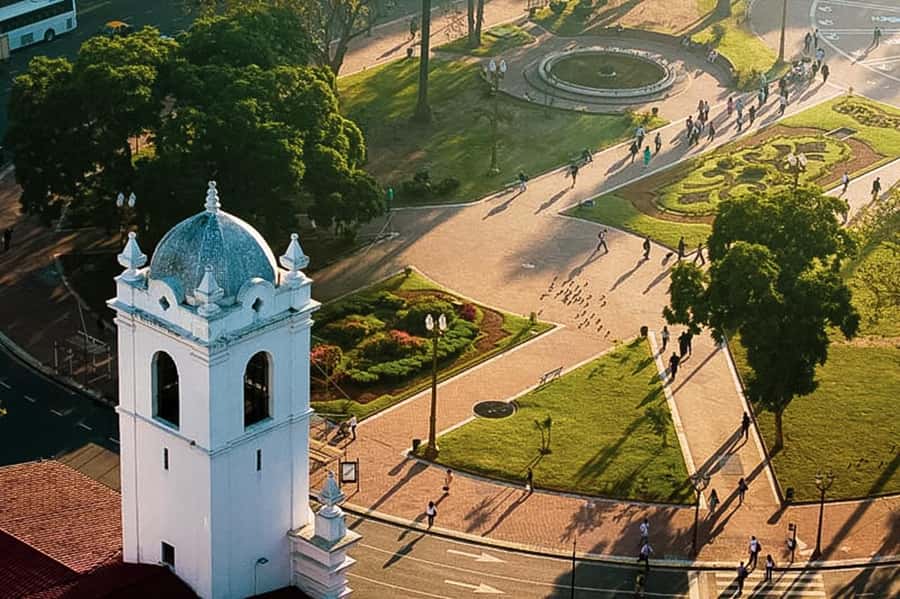
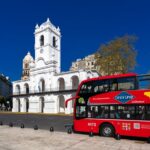
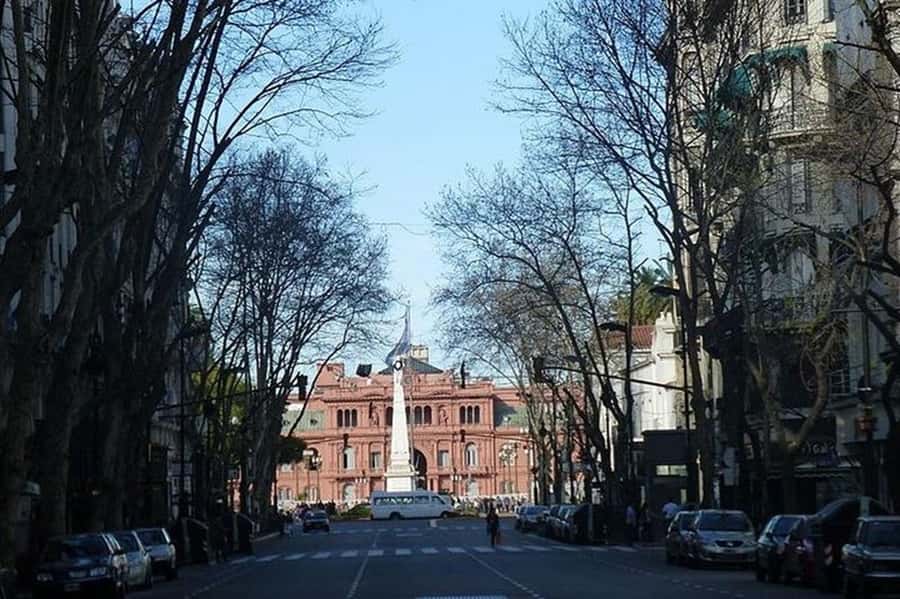
The tour begins with Plaza de Mayo for about 20 minutes. This is one of those places you can’t fully appreciate until you know what it represents. Even with a shorter stop, you’ll get the basic orientation: why the square matters, how it became a symbol, and how the city’s public life grew around it.
A quick stop works best if your goal is context. If you want the full museum-level understanding, you’ll still need an additional visit later. But for “what am I looking at and why does everyone gather here,” 20 minutes is often the sweet spot.
San Telmo: A Tiny Taste of Old Streets
Next is San Telmo, with a stop around 5 minutes. That’s short, but San Telmo’s reputation is big, so think of this as a preview. You’ll get the sense of how the neighborhood fits into the city’s older layers, which makes it easier to choose where to spend more time later.
If you’re a photo person, bring your camera ready. Even short stops can work well when you know you’ll return for a longer exploration.
Caminito in La Boca: History Meets Street Life and Food
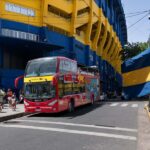
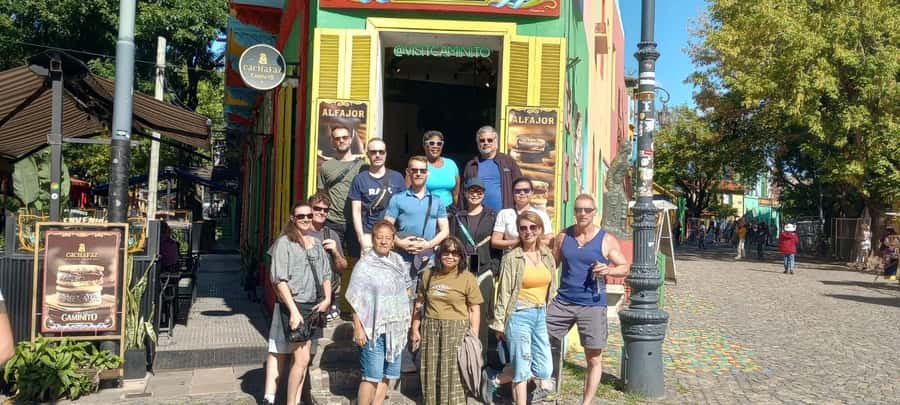
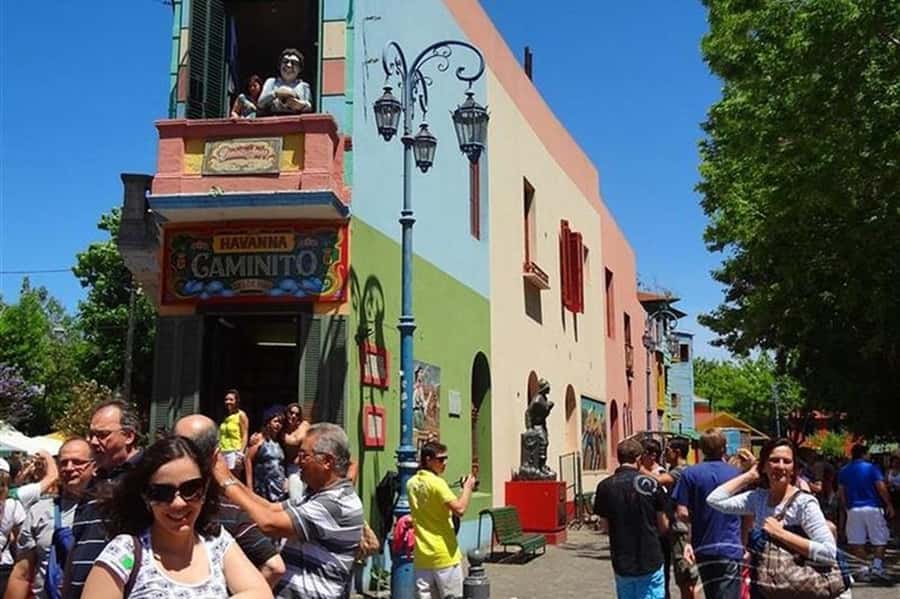
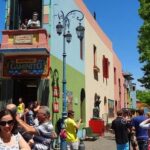
The tour then reaches Caminito for about 20 minutes. Caminito is in La Boca, and this is where the street-food vibe tends to show up in the tour experience. The tour description specifically suggests an optional empanadas snack, and the area is known for casual, street-level eating during sightseeing time.
This is one of the most practical parts of the day:
- Food happens naturally while you’re already in the neighborhood.
- You get to taste something local without needing to plan a restaurant.
- It adds a sensory break from constant landmark viewing.
One consideration: the tour doesn’t include food and drinks by default. If you skip the optional snack, you’ll want to handle anything you eat separately (the tour itself notes that food and drinks aren’t included).
You can also read our reviews of more tours and experiences in Buenos Aires




Puerto Madero: Modern Lines, Old Port Energy
The itinerary continues to Puerto Madero, with guided sightseeing time included. This area is often where people notice how Buenos Aires has changed its image. Even if you don’t go super deep here, the contrast between older neighborhoods and the newer waterfront development helps the history storyline land.
If you like architecture and city planning, Puerto Madero is a solid “pause and observe” segment. If you’re mainly chasing traditional tango-and-colonial vibes, you may still appreciate it as part of the city’s evolution.
Teatro Colón: The Icon You Recognize Instantly
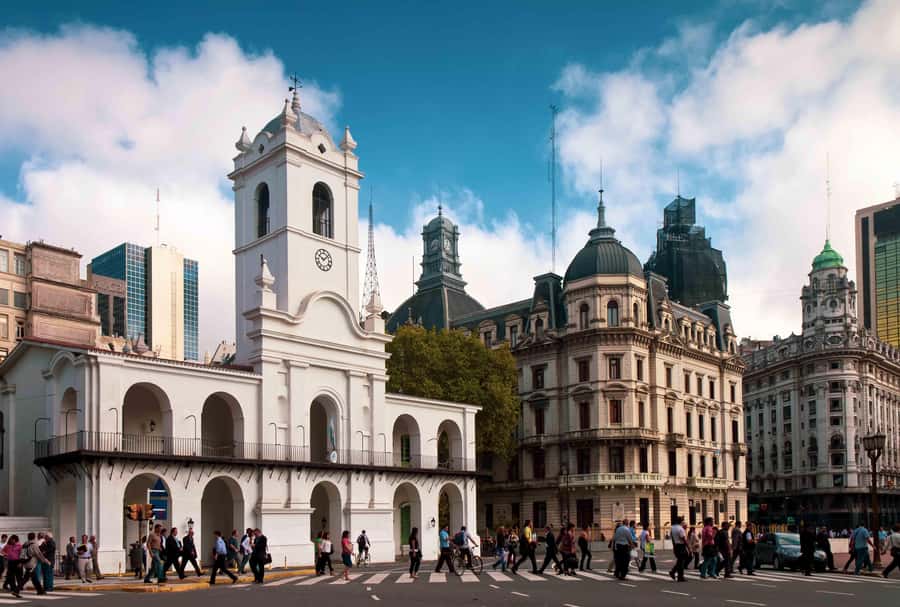
You’ll visit Teatro Colón as part of the guided route, with sightseeing included. Even people who don’t know much about opera tend to recognize Colón because it’s a major landmark in Buenos Aires. The guide’s job here is important: they’ll connect what you see to why this theater became such a cultural landmark.
Stop time can feel brief in a tour like this, so use it to orient yourself. If you want an interior view, you’ll likely need a separate plan later.
Retiro and Recoleta: Two Different Styles of Buenos Aires
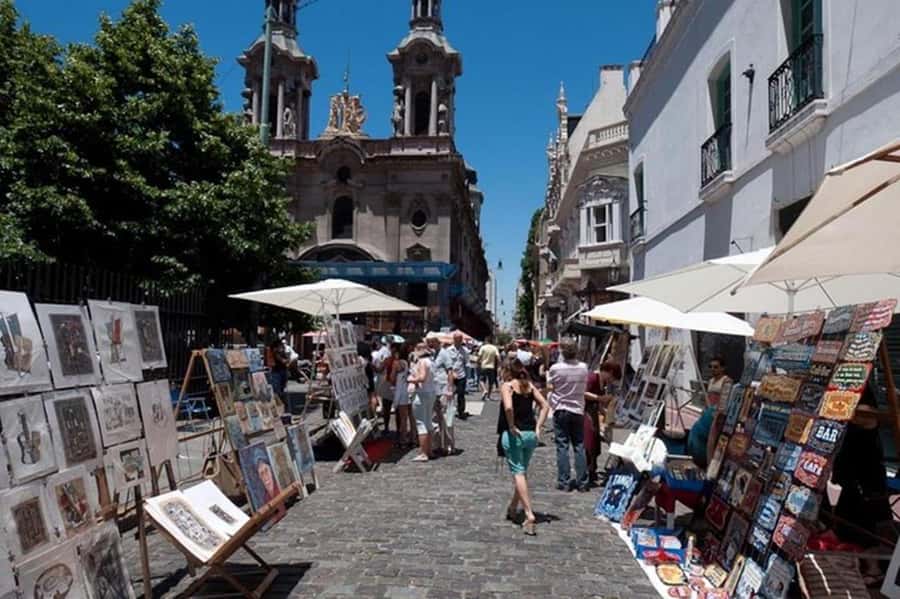
After Puerto Madero, the tour includes Retiro Buenos Aires for guided sightseeing. Retiro gives you that “city in motion” feeling, a place tied to transport and the way Buenos Aires moves people around.
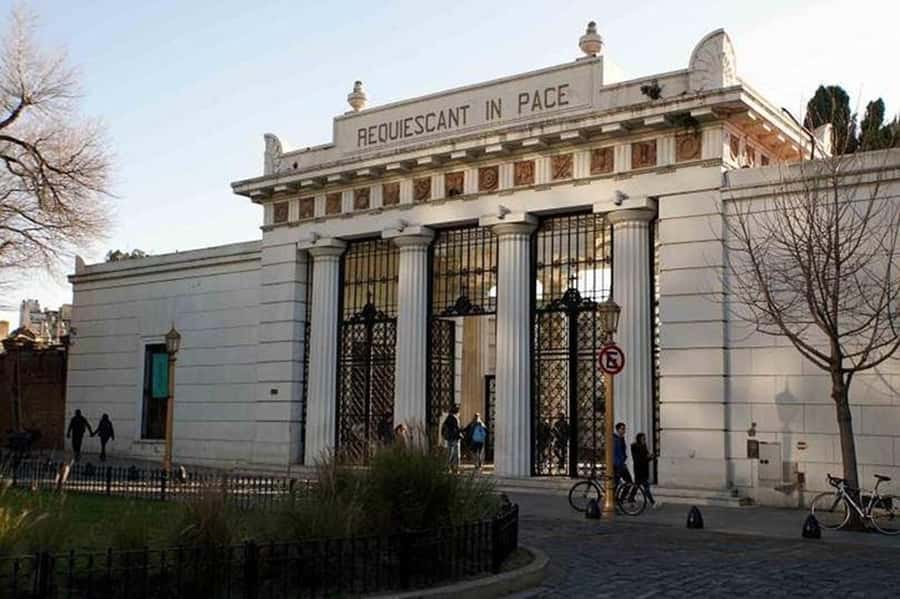
Then comes Recoleta (about 15 minutes). Recoleta often pulls visitors in with its elegant streets and major sights, and even a 15-minute stop can give you the first impression you need: what kind of neighborhood you’re stepping into and which streets feel most worthwhile to revisit.
If cemeteries are on your list, a note for planning: the tour information says cemetery entry tickets aren’t included. So you’ll want to budget time and separate tickets if you want that full Recoleta experience.
El Ateneo Grand Splendid: A Theater That Became a Bookstore
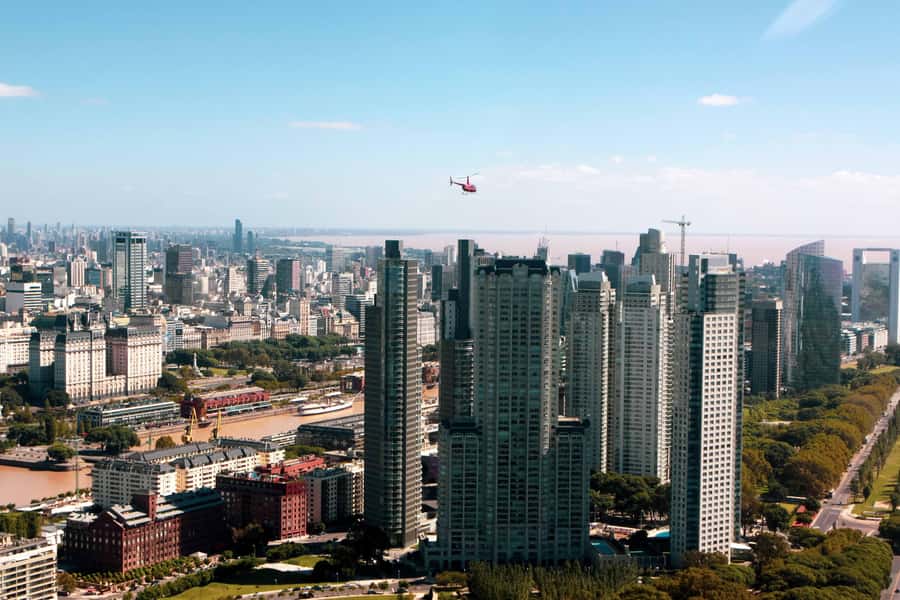
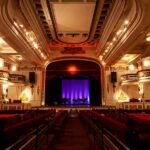
One of the standout stops on the route is El Ateneo Grand Splendid, with sightseeing time around 30 minutes. This is the kind of place you remember because it’s unusual: a classic venue repurposed into something everyday tourists can experience without a ticketed performance.
For me, this is where the tour earns extra goodwill. You’re not just seeing another facade. You’re seeing a working public space with character, and it’s a natural place to slow down, look around, and absorb the atmosphere.
Floralis Genérica and Facultad de Derecho (UBA): Modern Symbols with a Purpose
The itinerary includes Floralis Genérica for about 15 minutes. It’s a striking contemporary landmark, and this stop helps balance the older political and cultural sights earlier in the day.
Then you visit Facultad de Derecho (UBA) for about 15 minutes. University buildings in big cities often carry social meaning, and the guide’s explanations help you see it beyond a pretty exterior. Even when a stop is short, it’s usually enough to understand what role the institution plays in Buenos Aires life.
What the Guide Adds (Especially With a Small Group)
This tour is built around an experienced guide leading the history thread and managing questions. That matters because Buenos Aires history can feel abstract until someone ties it to real streets and landmarks.
You also have language options: live tour guide in English, Portuguese, and Spanish. One of the nicest practical parts of a small-group tour is that language switching is easier to manage. If you’re traveling with a mixed-language group, the structure helps everyone stay included.
If you want to maximize your payoff, go in with at least two questions ready. For example:
- What neighborhood should I explore longer based on today’s stops?
- Which landmark is worth an interior visit, and which is better viewed from the street?
The tour format is designed for that kind of back-and-forth.
Timing Tips: How to Get the Most From Brief Stops
Because the route includes several “see it, understand it, move on” moments, you should aim to treat this as orientation rather than a final visit list.
Here’s how to handle the shorter segments without feeling rushed:
- Plan your must-do follow-ups for after the tour, not during it.
- Take a quick photo, then listen for the guide’s “why it matters” explanation.
- If the day is rainy or hot, dress for quick movement. This tour still covers multiple areas.
One small detail to keep in mind: stop durations vary. Some moments are 5 minutes, some are 30. Your energy will matter as much as the route.
Who This Tour Fits Best (And Who Might Prefer Something Else)
This tour is a strong match for:
- First-time visitors who want a history-based overview with minimal logistics
- Travelers who like guided context but don’t want to plan a route alone
- Anyone staying in neighborhoods like Recoleta, Palermo, San Telmo, Puerto Madero, Retiro, or Monserrat who wants hotel pickup
It may be less ideal if:
- You hate short stops and prefer to linger in one neighborhood
- You’re hoping for lots of interior access and long museum time
- You want a full cemetery-focused outing (since cemetery entry tickets aren’t included)
Should You Book This Buenos Aires City Tour With Street Food?
I’d book this tour if you want a guided first pass at Buenos Aires that’s efficient, friendly, and easy to build on. The combination of hotel pickup/drop-off, small group size, and a route that ties landmarks to how the city developed gives you real momentum for the rest of your trip. The optional empanadas snack adds a street-level taste moment right where you’re already sightseeing.
Pass on it only if your ideal day is slow and deep in one place. In that case, you might get more from a neighborhood-focused walk with longer time blocks.
If you’re trying to decide, here’s the simple test: if you want the city’s major landmarks plus practical context in a few hours, this is a good use of your time in Buenos Aires.