REVIEW · BUENOS AIRES
Buenos Aires: Puerto Madero Tour For Small Groups
Book on GetYourGuide →Operated by daddiescuriosos · Bookable on GetYourGuide
Puerto Madero feels more alive than you expect. On this small-group guided walk, you’ll get big Buenos Aires skyline views and then switch gears to wildlife and birdwatching at the ecological reserve with a guide named Miguel. If you like blending photos with real context, this one works fast.
What I liked most was the way Miguel connects the modern, glassy port edges with the older dock world—English-brick warehouse details, historic ships, and the tango symbolism of the bridges. I also love that the tour has enough time outdoors to actually enjoy the reserve instead of just snapping a couple of photos and leaving.
One thing to plan for: you’re on your feet for a few hours, in sun and open areas. This tour is not suitable for wheelchair users, and it’s also not recommended for children under 10—so wear comfy shoes and bring water.
In This Review
- Key things to know before you go
- Starting at Fragata Presidente Sarmiento: where the docks story begins
- Old port warehouses and English bricks: the dock that still works
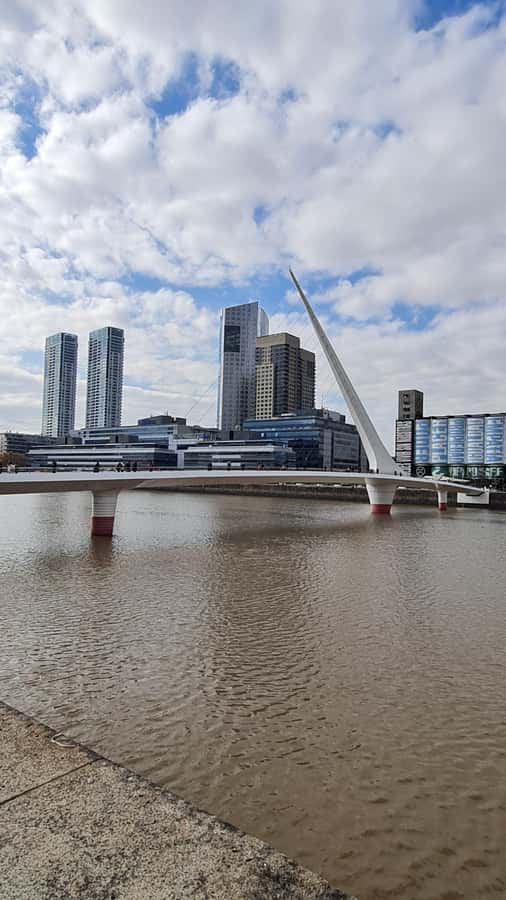
- Puente de la Mujer: Tango culture in a bridge-shaped photo moment
- Sarmiento Frigate: a museum you enjoy from the outside
- Puerto Madero panoramas: modern towers versus old machinery
- Reserva Ecológica: birdwatching and wildlife with city views
- Fountain of the Nereids (Lola Mora): art you can spot on the move
- Museo de la Cárcova: the tour’s last learning moment
- Price and timing: is $20 good value for 3.5 hours on foot?
- What it feels like in a small-group walk (and what you should do beforehand)
- Who should book this Puerto Madero tour—and who should skip it
- Should you book? My honest take
- FAQ
- FAQ
- Where does the tour start?
- How long is the tour?
- What language is the tour guided in?
- What do you do at the Sarmiento Frigate?
- How much time is spent in the ecological reserve?
- Is there a focus on wildlife or birdwatching?
- What’s included in the experience?
- What should I bring?
- Who is this tour not suitable for?
- Can I cancel and get a refund?
Key things to know before you go
- Miguel’s guided pacing: you’ll get context as you walk, not just a string of photo stops.
- Puerto Madero history in plain sight: English-brick warehouses are still part of the scene, now with restaurants and UCA nearby.
- Tango symbolism at Puente de la Mujer: you’ll know what you’re looking at before you take your shots.
- Sarmiento Frigate is viewed, not entered: great for photos and story, but don’t expect an inside visit.
- 1.5 hours at Reserva Ecológica: enough time for birdwatching and city-view breaks.
- A strong finish at Museo de la Cárcova: your last stop adds art to the mix before you call it a day.
Starting at Fragata Presidente Sarmiento: where the docks story begins
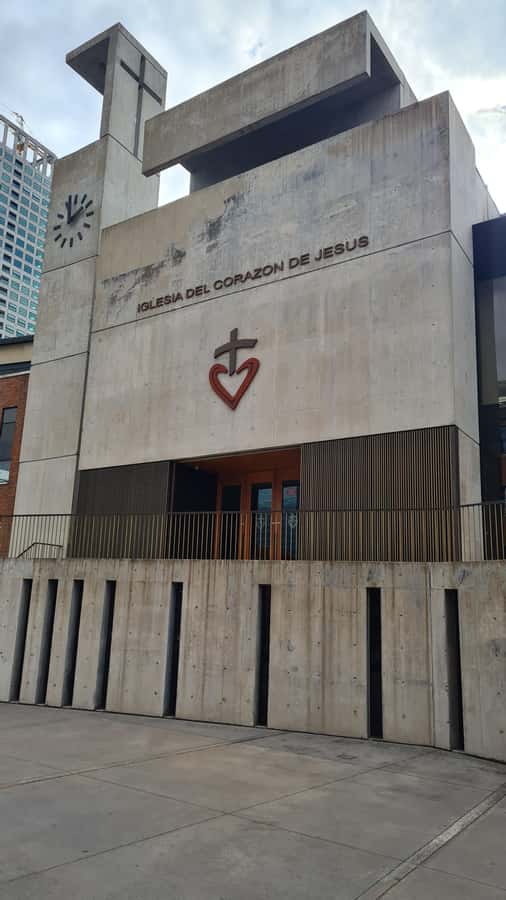
Your tour starts at Buque Museo Fragata A.R.A. Presidente Sarmiento, which is a perfect opening move because it immediately places you in the port’s naval and training heritage. Even if you’ve never thought about Buenos Aires as a city shaped by ships, this is where the connection starts to click.
Miguel is waiting at the meeting point, and that matters. In places like Puerto Madero, it’s easy to get distracted by the photogenic skyline and forget to look for the layers underneath. A guide keeps you pointed in the right direction from the first minutes.
You’ll get a short guided moment by the ship before moving on. The vibe is relaxed, and the pacing keeps you from feeling rushed between stops—useful if you like to linger for photos.
You can also read our reviews of more tours and experiences in Buenos Aires.

Old port warehouses and English bricks: the dock that still works
Puerto Madero isn’t just “new and pretty.” The best part is how the old port infrastructure stays visible while the area repurposes itself.
As you walk, you’ll pass old port warehouses built with English bricks. Today they’re home to major restaurants, and nearby sits the Pontifical Catholic University of Argentina (UCA). This is the kind of detail you miss when you only take skyline pictures from the waterfront. The buildings give you texture: old materials, old layout, and a modern neighborhood built on top.
If you’re the sort of traveler who likes seeing how cities reuse what they already have, you’ll appreciate this segment. It’s not just decoration. It’s the living proof that “history” is often just what survived.
Puente de la Mujer: Tango culture in a bridge-shaped photo moment
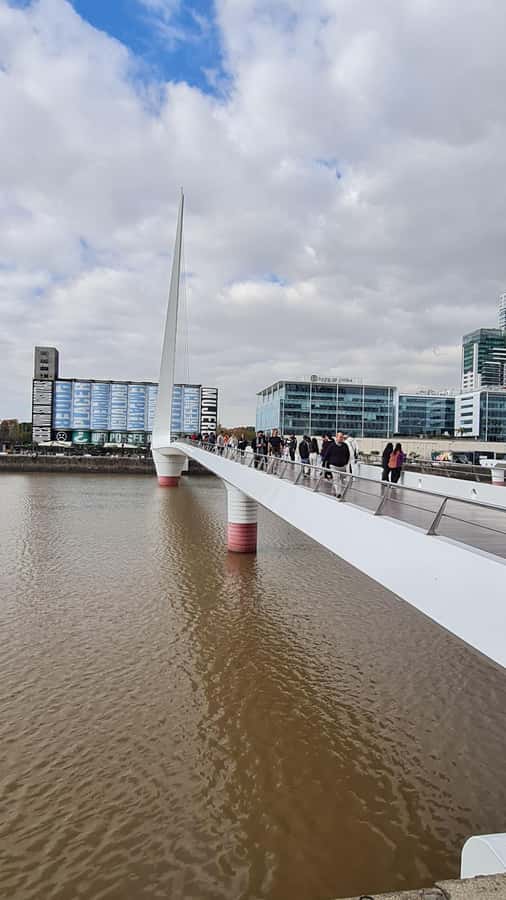
Next up is the Puente de la Mujer (Women’s Bridge). You’ll stop for photos and get guided context before you move on. The big idea here is that the bridge is not only a design object—it represents tango culture, so it helps to understand what the symbol is trying to communicate.
This is a great stop for two reasons:
- It’s a classic Puerto Madero shot that looks good from multiple angles.
- Knowing the tango connection turns the bridge from a “cool landmark” into a story you can repeat.
Tip: have your phone ready, but also take 30 seconds to watch how people photograph it. The bridge has angles that make it easier to frame with the skyline behind you.
Sarmiento Frigate: a museum you enjoy from the outside
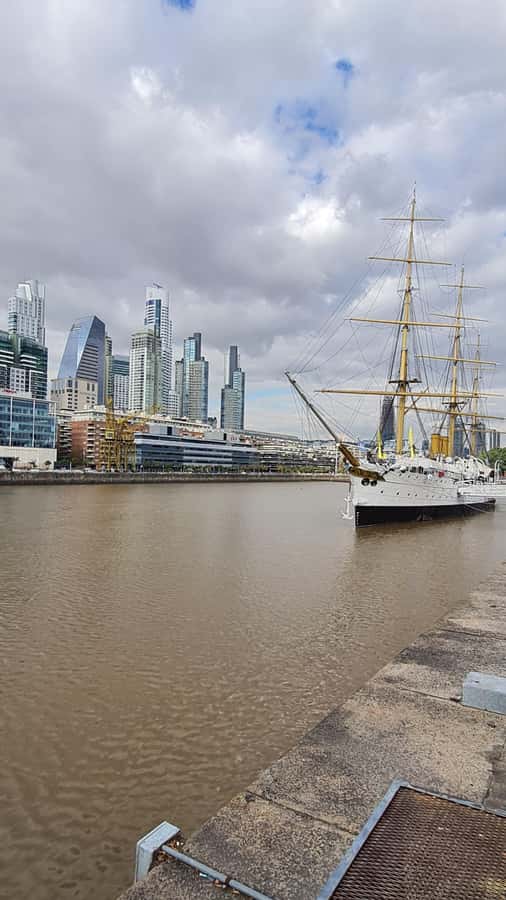
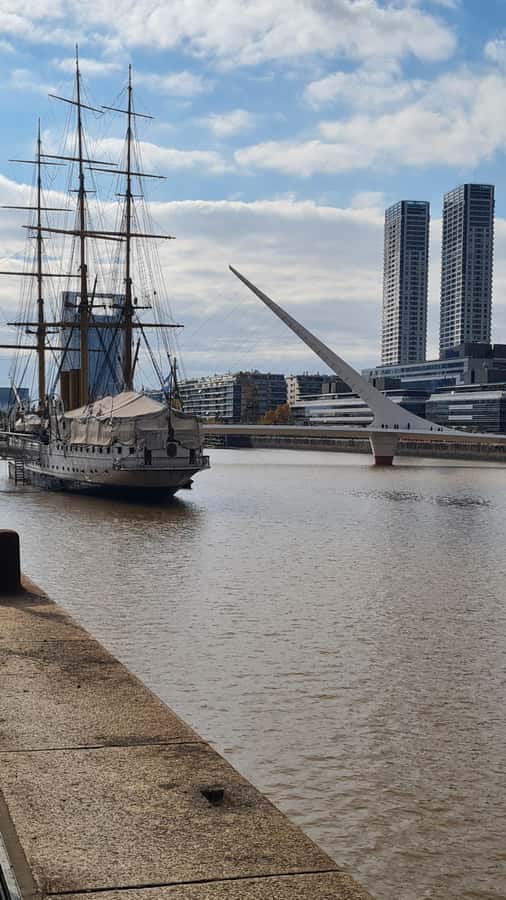
You’ll see the Sarmiento Frigate, a former Argentine Navy training ship for midshipmen. It’s now a museum, but here’s the catch: the tour does not plan to enter.
That’s not a deal-breaker—it’s actually part of the tour’s value. You get the significance of the ship and still keep momentum for the rest of the walk. If you like port areas and ships, the outside view can still be powerful, especially with the waterfront setting doing the work.
If you’re hoping for a long museum session inside the ship, you might feel a little teased. This experience is built more around outdoor viewing and city context than ticketed museum time.
Puerto Madero panoramas: modern towers versus old machinery
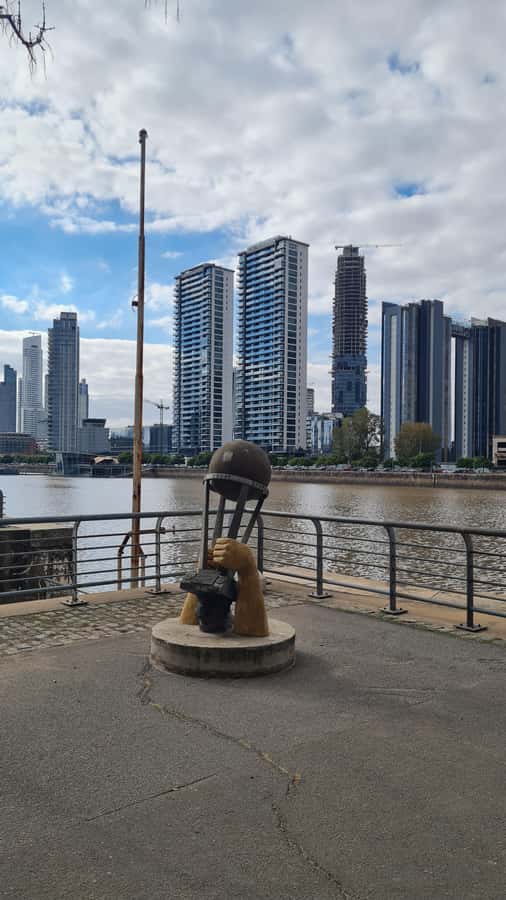
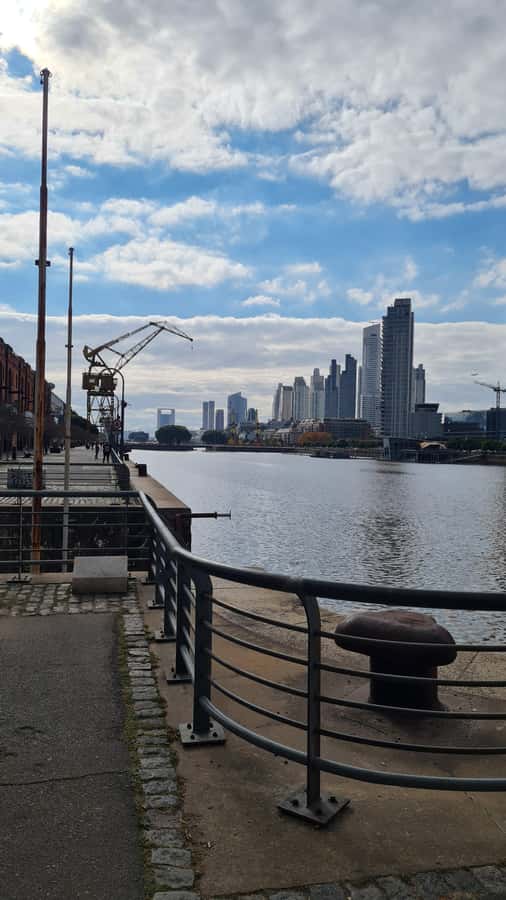
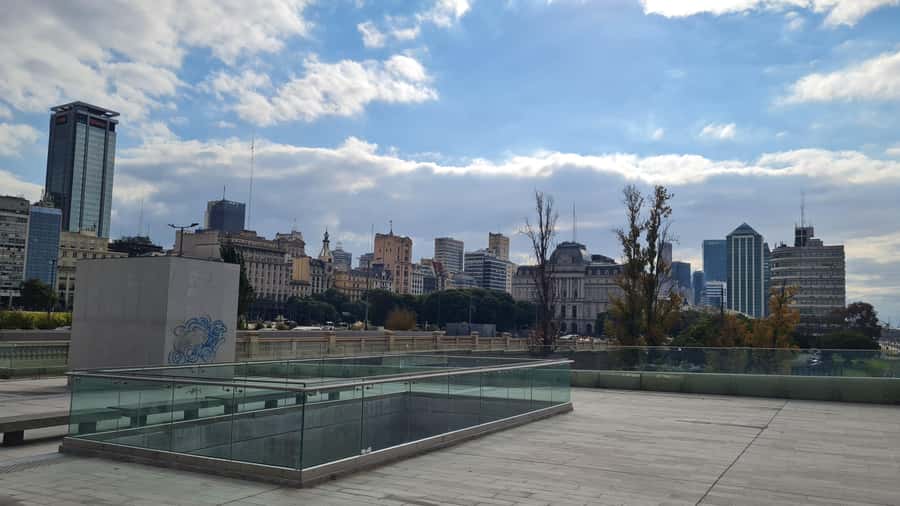
One of the tour’s strengths is how it leans into contrast. As you move through Puerto Madero, you’ll get panoramic views of the city’s tallest and most modern buildings, then look back toward the older port structures and the machinery that once supported shipping.
That back-and-forth is a smart way to understand Buenos Aires. Cities can feel like they’re either “old” or “new,” but Puerto Madero shows both at once. The modern skyline gives you scale. The old dock details give you meaning.
Photo lovers will have fun here, but even if you don’t do much photography, it helps you orient yourself. You start to recognize the neighborhood’s layout—where the water lines are, where the bridges pull everything together, and where the streets shift from historic to contemporary.

Reserva Ecológica: birdwatching and wildlife with city views
Now for the payoff: the Reserva Ecológica. You’ll arrive by photo stop, then you’ll actually spend time there—about 1.5 hours includes a visit, guided touring, sightseeing, and walking.
This is the moment when Puerto Madero stops being only a pretty neighborhood and becomes a nature pause inside a major city. You’ll get stunning city views while also having the chance for birdwatching and seeing various animal species.
Practical reality check: birdwatching takes patience. You don’t need to become an expert on day one, but it helps to slow down when your guide points things out. Wear the hat. Drink water during the breaks instead of waiting until you feel drained.
Also, since you’re walking in an outdoor reserve, you’ll want sun protection. Bring sunscreen and plan for bright light—this part of the tour is not “shade and museums.”
Fountain of the Nereids (Lola Mora): art you can spot on the move
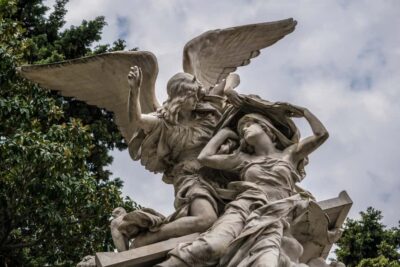
On the way out, you’ll admire the Fuente de las Nereidas, created by Argentine sculptor Lola Mora. This is one of those stops that feels quick, but it adds something important to the tour: art placed in public space, not trapped behind glass.
Lola Mora is a name you’ll recognize if you’ve looked into Argentine art before, and even if you haven’t, the fountain gives you a landmark that breaks up the port-and-ecology rhythm. It’s also visually memorable, which makes it a good final photo anchor before your last stop.
Museo de la Cárcova: the tour’s last learning moment
Your tour ends at Museo de la Cárcova. You’ll visit for about 20 minutes with guided context.
This ending makes sense. After docks, bridges, ship heritage, skyline contrasts, and nature watching, art is a calm way to land. You’re not expected to read everything on your own. The short guided visit helps you focus on what’s relevant.
If you’re the type who likes to keep learning, this finale is satisfying. If you prefer long museum hours, you may wish the museum time was longer—but the rest of the tour already gives you a full Buenos Aires neighborhood experience.
Price and timing: is $20 good value for 3.5 hours on foot?
At $20 per person for about 210 minutes with a live guide, this is strong value—especially for a guided walk that mixes several high-interest areas in one go. You’re not just moving along a single waterfront strip. You’re hitting:
- the dock heritage zone,
- a major bridge tied to tango culture,
- the ship museum from the outside,
- the ecological reserve (the longest segment),
- and a museum stop to finish.
You also get a 10-minute pause for restroom needs, which matters more than it sounds when you’re outdoors and on schedule.
What you’re paying for isn’t only “time.” It’s the guided context that helps you make sense of what you’re seeing—like why the bridge matters, what the dock warehouses represent, and what you should pay attention to in the reserve.
What it feels like in a small-group walk (and what you should do beforehand)
Because this is a walking-focused tour, the best results come from a few simple choices on your side.
Bring:
- comfortable shoes (non-negotiable)
- hat (the reserve and open waterfront areas can feel exposed)
- sunscreen and water
You’ll also move at a pace where you can pause for photos, but you shouldn’t expect a slow stroll where you’re fully in control of every minute. If you like structured wandering, you’ll enjoy it.
Language is Spanish. If you’re comfortable with basic Spanish—or you just want the overall story even with limited understanding—you’ll still get value from the visuals and Miguel’s explanations.
Who should book this Puerto Madero tour—and who should skip it
This tour is a great fit if:
- you want Puerto Madero without turning it into a self-guided puzzle,
- you like a mix of city views, docks, and one real nature chunk (the reserve),
- you care about seeing what landmarks mean, not only what they look like.
You should skip or rethink if:
- you need wheelchair access (this one is not suitable for wheelchair users),
- you’re traveling with kids under 10,
- or you want long museum time inside the Sarmiento ship (this tour is designed around viewing, not entry).
Should you book? My honest take
I’d book this if your goal is a well-organized taste of Puerto Madero, with one big nature break and enough landmark variety to keep you interested from start to finish. The guide named Miguel is a major reason why—his explanations turn ordinary photo stops into something you actually remember.
Book it if you’re comfortable walking and you want a practical day plan: port heritage, tango-themed architecture, wildlife time, then art to close.
Don’t book it if you’re expecting a long, indoor museum-heavy itinerary or full accessibility support. This experience is outdoors-first and pace-led.
FAQ
FAQ
Where does the tour start?
The meeting point is Buque Museo Fragata A.R.A. Presidente Sarmiento. Your guide, Miguel, will be waiting there.
How long is the tour?
The total duration is 210 minutes (about 3.5 hours), including a 10-minute restroom pause.
What language is the tour guided in?
The live tour guide speaks Spanish.
What do you do at the Sarmiento Frigate?
You’ll see the Sarmiento Frigate and get guided sightseeing context, but the tour does not plan to enter the museum.
How much time is spent in the ecological reserve?
You’ll spend about 1.5 hours at Reserva Ecológica, including a guided visit and walking time.
Is there a focus on wildlife or birdwatching?
Yes. The ecological reserve stop includes opportunities for birdwatching and you may see various animal species.
What’s included in the experience?
It includes a three-hour guided walking tour with a 10-minute pause for restroom use, plus the scheduled sightseeing stops.
What should I bring?
Bring comfortable shoes, a hat, sunscreen, and water.
Who is this tour not suitable for?
It’s not suitable for children under 10 and wheelchair users.
Can I cancel and get a refund?
Yes. You can cancel up to 24 hours in advance for a full refund.