REVIEW · BUENOS AIRES
La Boca Out off the Beaten Track
Book on GetYourGuide →Operated by Paola De Luca tuguiaenba · Bookable on GetYourGuide
La Boca has stories you can’t Instagram. What I love is getting the local angle from Paola De Luca and the hands-on access to places most visitors skip, like Argentina’s Volunteer Fire Department station and an old conventillo. One thing to consider: you’re walking in a lively neighborhood for about 150 minutes, and there are some limits on what you can bring/wear.
This isn’t a “look and leave” loop. You’ll start near the harbor and train area, hear how waves of immigrants shaped the streets, then move through art, faith, and daily-life spaces right up to Caminito.
A bonus: the tour ends with coffee in a notable café dating to 1882. It’s a small touch, but it helps the whole morning/afternoon feel less like sightseeing and more like understanding the barrio.
In This Review
- Key highlights worth planning for
- Where this La Boca tour fits (and why it feels different)
- Starting point: the harbor-and-rail feeling of immigrant Buenos Aires
- Inside the conventillo: how housing became culture
- The Volunteer Fire Department: mutual aid before tourist branding
- Murals that tell social issues, not just color
- Two local icons: Boca Juniors and the Salesian Church
- Caminito at the end: tango mood and fileteado details
- Coffee in a café dating to 1882
- Price and value: is $35 worth 150 minutes?
- What can limit your comfort (a fair heads-up)
- Who this tour is best for
- Final verdict: should you book La Boca Out off the Beaten Track?
- FAQ
- Where does the tour start?
- Where does the tour end?
- How long is the experience?
- How much does it cost?
- What language options are available?
- What’s included in the ticket price?
- What is not included?
- Is it a small group?
- Are there any restrictions on the tour?
Key highlights worth planning for
- Paola De Luca’s La Boca perspective from someone who grew up there and tells it like lived experience
- Argentina’s first volunteer fire station stop, tied to local self-help history
- Inside a corrugated-metal conventillo that once housed immigrants and now functions as a cultural space
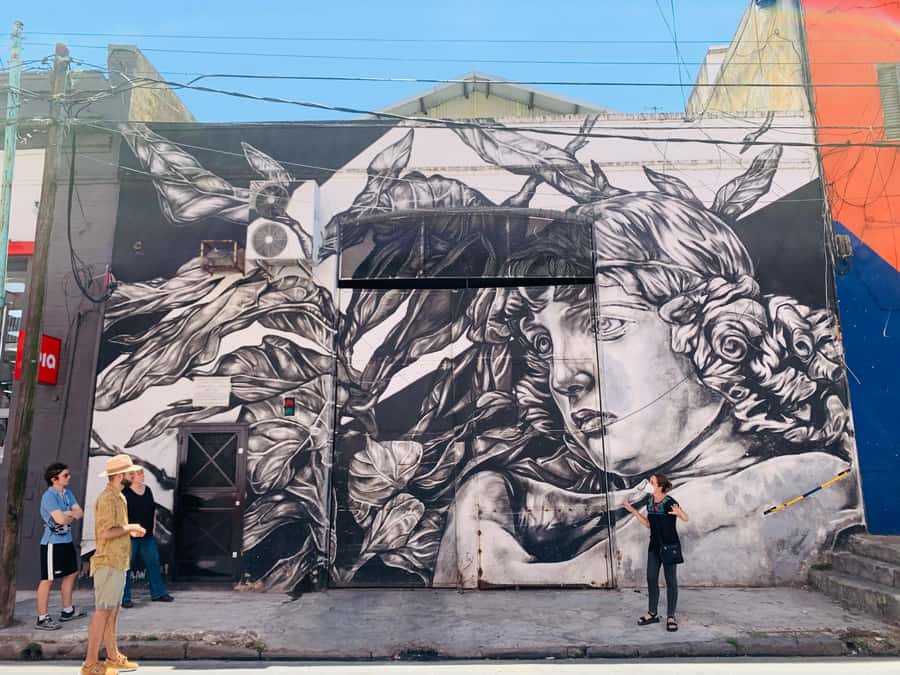
- Murals with social meaning, not just colorful paint
- Caminito time for tango energy and fileteado details
- Coffee included at the end, plus optional add-on interest around the Quinquela Martín museum
Where this La Boca tour fits (and why it feels different)
La Boca can look like a postcard from far away. The tango, the bright façades, the souvenir shops—it’s all there. But this tour aims at a different goal: to explain how La Boca works, and why its art and architecture carry real social weight.
I like that the tour builds from the big picture to the specific scenes. You start around the harbor zone and the train station area where immigrants arrived, so the neighborhood’s energy makes sense. Then you move into spaces that were designed for survival and community—like the conventillo—and places that handled protection and mutual aid—like the volunteer fire department.
The group stays small (up to 10). That matters here. In a place with lots to look at, a crowded group can turn everything into quick photo stops. A smaller size keeps the pace human, and it also makes it easier to ask questions. The guide runs in Spanish and English, so you won’t have to feel like you’re missing context.
You can also read our reviews of more tours and experiences in Buenos Aires.

Starting point: the harbor-and-rail feeling of immigrant Buenos Aires
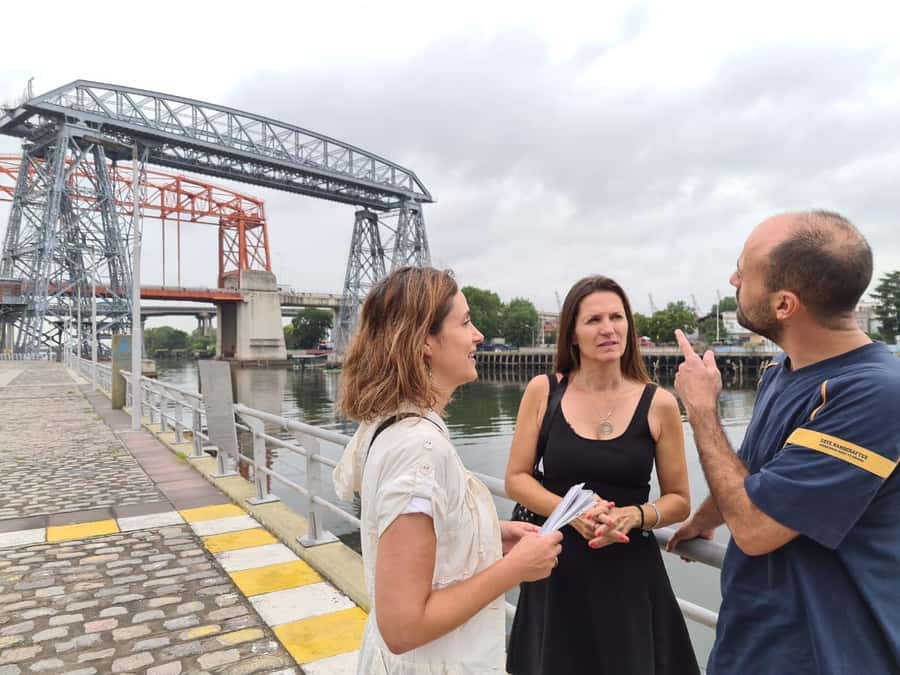
The tour meets at the corner of Martín Rodríguez and Avenida Don Pedro de Mendoza in La Boca. From there, you head into the neighborhood’s maritime and rail world—harbor views, warehouses, and the train station area where large numbers of immigrants arrived.
Even if you’ve read Buenos Aires history before, this stop changes how it lands in your head. You can see why arrival points shaped neighborhoods so strongly: people came through, found work, found shelter, and then turned the area into a living community. La Boca’s streets are colorful, yes, but they’re also layered with migration and adaptation.
Practical note: this early stretch is where you’ll want good walking shoes. It’s an urban neighborhood walk, and the route is not built around wheel-on comfort. If you use an electric wheelchair, this activity states that electric wheelchairs are not allowed, so plan accordingly.
Inside the conventillo: how housing became culture
One of the most memorable stops is getting inside a corrugated metal clad conventillo, a type of tenement house that once sheltered immigrants. Today, that same building hosts a cultural center.
This is the kind of stop that changes your understanding of the barrio fast. From the outside, people often think of La Boca as art and football and tango. Inside a conventillo, you see the practical side: crowded rooms, shared space, and the reality of immigrant life. Then you connect that to the fact that the building didn’t get erased—it got repurposed.
That matters for two reasons:
1) It’s easier to grasp why La Boca’s art feels personal and tied to everyday life.
2) It shows continuity. The barrio kept functioning, even as it transformed.
If you want to take photos, do it respectfully. The focus here is the building and what it represents, not turning the place into a backdrop.
The Volunteer Fire Department: mutual aid before tourist branding
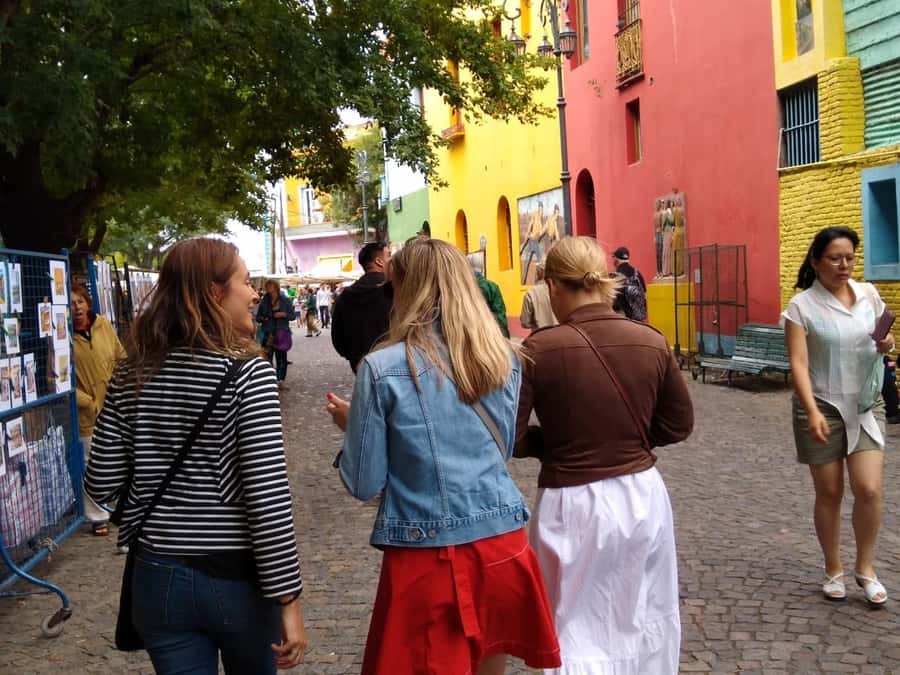
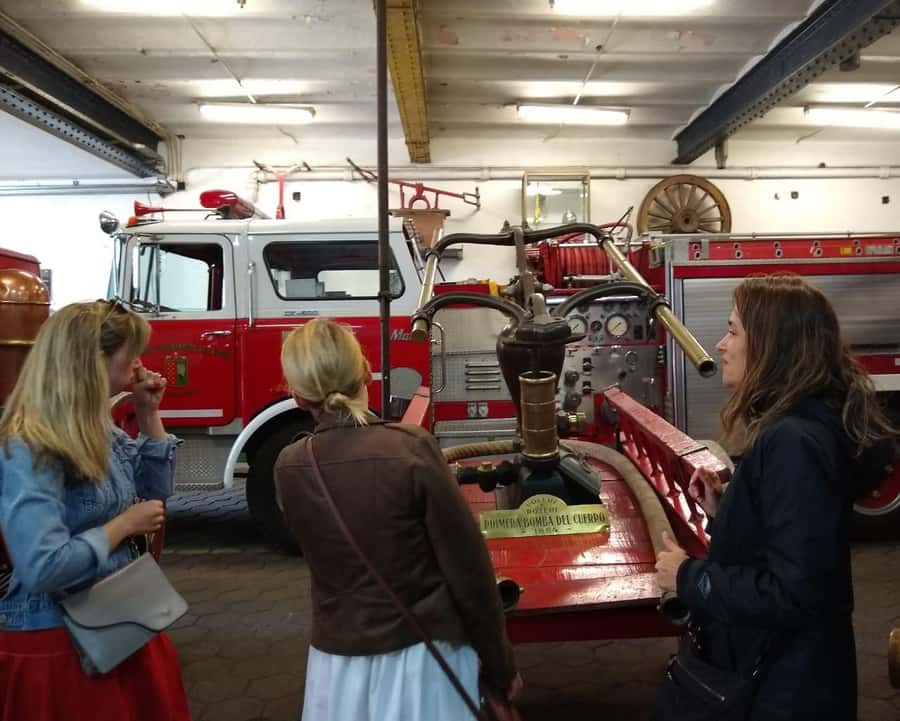
Next comes one of the tour’s most specific claims, and it’s also one of the most interesting: the first volunteer firefighter station created in all Argentina.
In a place like La Boca—formed by newcomers and people working in tough conditions—mutual aid wasn’t a slogan. It was the system. A volunteer fire department is an example of how communities organized themselves to handle risk and emergencies when the larger infrastructure wasn’t always there for them.
This stop pairs well with what you saw in the conventillo. Housing and safety tell the story from two angles: shelter and protection. Together, they explain how La Boca survived its own early pressures, then turned those pressures into community identity.
And here’s what I think you’ll appreciate most: the visit isn’t treated like trivia. It connects to the wider theme of rootless communities finding structure and support.
Murals that tell social issues, not just color
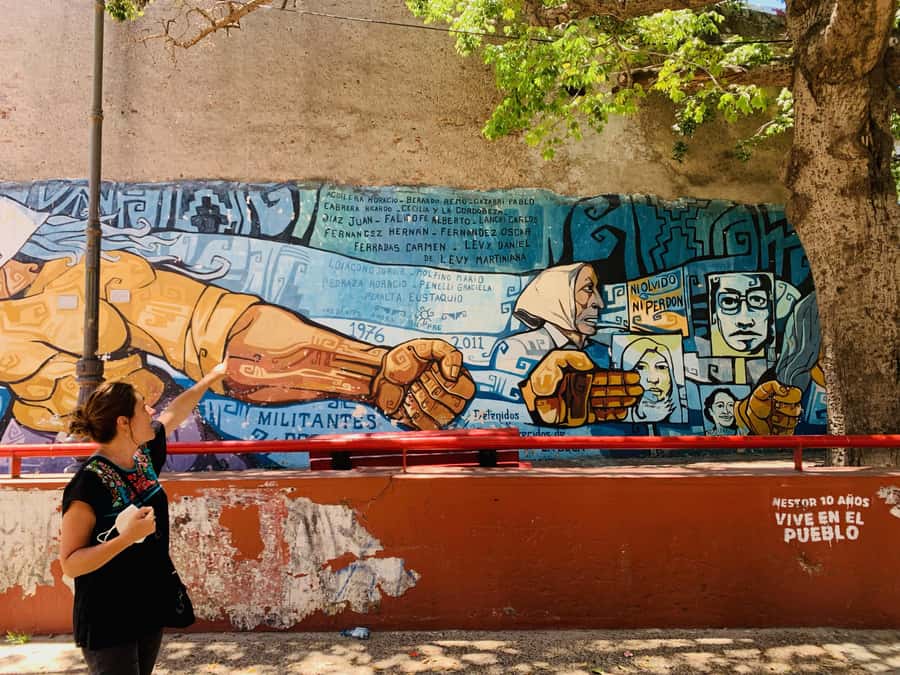
La Boca’s murals can look like pure decoration on a quick walk. The difference on this tour is that you get the background: the murals reflect different social issues, and they’re part of a larger Boca visual language.
You’ll also hear about the early 20th-century neighborhood edges—old buildings that hosted anarchist newspapers and bordellos. That might sound heavy, but it’s exactly the point: La Boca’s story includes radical politics, vice and survival, and the everyday negotiating of dignity.
This is where the local storytelling makes a real difference. The guide’s personal connection to La Boca helps you hear the neighborhood as something lived, not just something displayed.

Two local icons: Boca Juniors and the Salesian Church
This tour doesn’t ignore the famous stuff. You’ll get an outside look at the Boca Juniors Stadium and see how football becomes part of neighborhood identity—especially here, where the club’s roots run deep.
Then comes the other icon: religion at the Salesian Church. The key detail is how it functioned as a refuge for rootless communities. In other words, it wasn’t just a pretty church stop. It was a safety net.
What I like about this pairing is that it shows different kinds of belonging. Football offers shared passion and local pride. The church offers structure and refuge. Both become threads that hold people together when life is unstable.
If you’re a football fan, you’ll probably walk past the stadium and feel it more. If you’re not, you’ll still get the social logic behind why this neighborhood uses the stadium and the church as identity markers.
Caminito at the end: tango mood and fileteado details
You finish in Caminito, the area everyone recognizes. But you don’t just arrive at the tourist version and call it a day. You’ve already learned why La Boca looks the way it does, which changes how you read what’s in front of you.
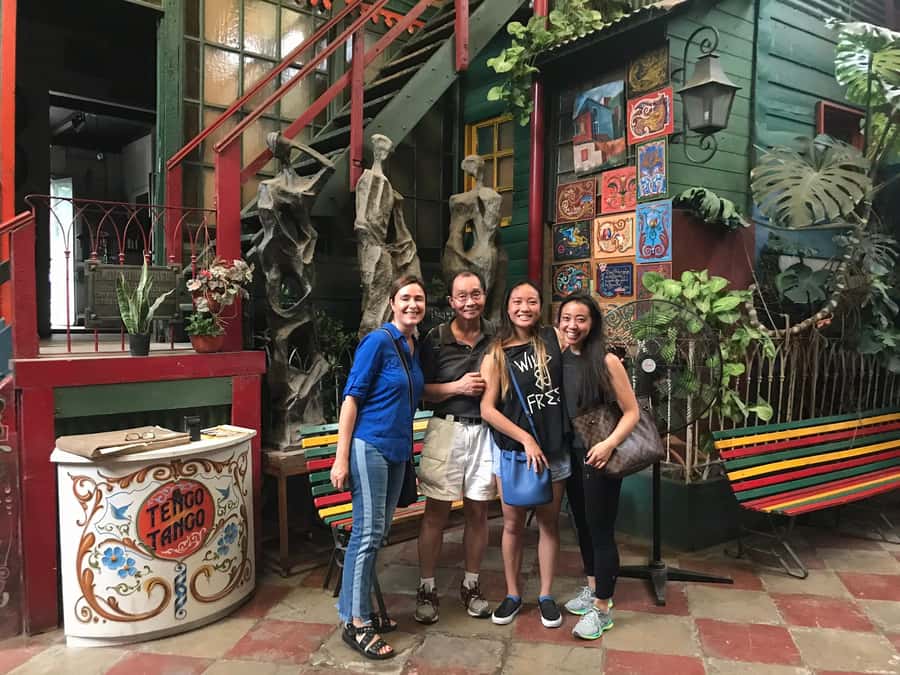
Caminito is where you’ll find tango energy and fileteado details in every corner—painted flourishes and lettering-style art that feels like it belongs to the street, not to a museum wall.
Even if you’ve been to Buenos Aires before, this is the part where the neighborhood’s visual language becomes obvious. You can spot patterns and themes you missed on first glance earlier in the walk.
One caution: because this is the final stop, it’s easy to get distracted by shops and photo angles. If you want the full value, slow down near the fileteado and look at the craft rather than only the colorful scene.
Coffee in a café dating to 1882
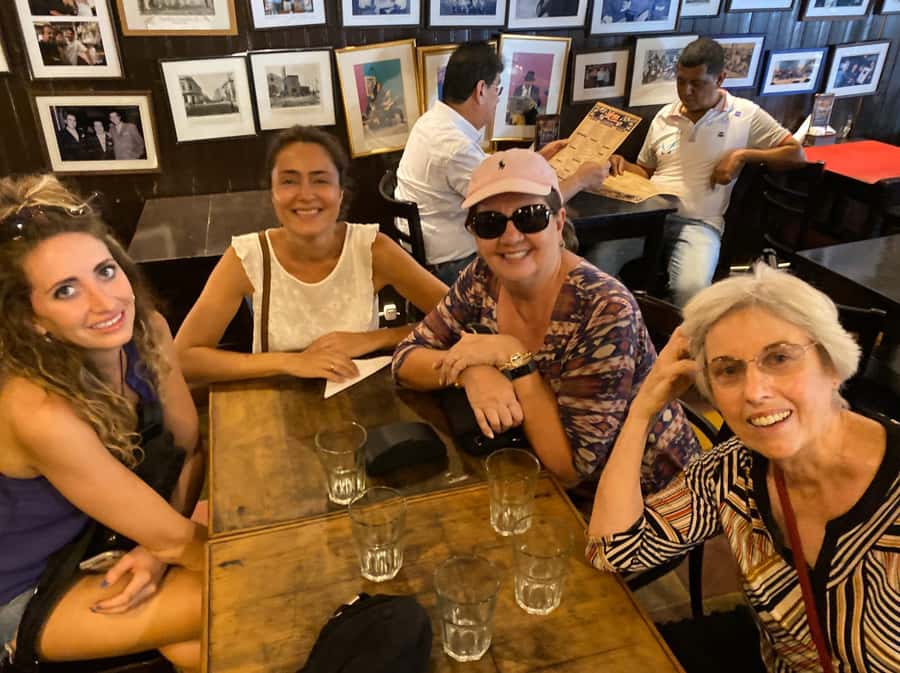
The tour includes coffee, served at the end in a notable café of 1882. It’s a simple inclusion, but it has two practical benefits.
First, it gives you a natural pause after walking and talking for about 150 minutes. Second, it keeps the experience grounded in daily life. This isn’t just “art on the street.” It ends the way a neighborhood outing often ends: with coffee and time to talk.
Price and value: is $35 worth 150 minutes?
At $35 per person for a 150-minute small-group guided experience, this tour is priced for solid value—especially because key elements are included. You get:
- Entrance to the volunteer firefighter station
- Entrance to the conventillo (the cultural center space inside the building)
- Coffee
You also get a guide who can explain context in both Spanish and English. The quality of guiding shows in the consistent praise for Paola De Luca: her local perspective, her ability to connect personal experience with historical context, and how well she manages the group even during intense heat.
What you should factor in: lunch or snacks aren’t included. The tour doesn’t include food. So if you’re doing this as a major daytime activity, plan to eat before or after.
Also, there’s an optional interest tied to the Quinquela Martín Museum. Some part of the building connects to Benito Quinquela Martín (part of it was his home), but the ticket entrance for the museum is not included. So if that’s a must for you, budget extra time and money.
What can limit your comfort (a fair heads-up)
A few things to consider before you book:
- Walking time and neighborhood streets mean you need comfortable footwear.
- The tour isn’t suitable for people over 95 years (as stated by the operator).
- Restrictions apply: no alcohol and drugs, and jewelry isn’t allowed.
- Electric wheelchairs aren’t allowed.
Also, the tour includes indoor/outdoor transitions. If weather is extreme, go in with a plan: hat, sunglasses, and something to hydrate (even though water isn’t listed as included, you’ll likely want it for comfort).
Who this tour is best for
This one fits best if you:
- Love street art, but want the meaning behind it
- Want more than classic “Caminito photos”
- Prefer small-group guiding over mass-tour bus energy
- Care about how neighborhoods work socially—immigration, mutual aid, and identity
It’s also a great choice for history-curious travelers who don’t want a lecture. The stories connect to real places you can stand in.
If you’re only after the single most famous views with zero context, you might find it a bit slower or more story-forward than expected. But if you’re the type who enjoys learning why the walls look the way they do, you’ll likely feel satisfied.
Final verdict: should you book La Boca Out off the Beaten Track?
I’d book this tour if your goal is to understand La Boca, not just photograph it. The mix of inside access (conventillo and firefighter station), meaning-driven murals, and the local guide voice from Paola De Luca makes it feel like a guided walk with real depth.
Pass or rethink it if you can’t handle neighborhood walking, if you need accessibility accommodations beyond what’s allowed, or if you’re only interested in Caminito as a quick stop.
If you do book, go in with curiosity and a calm pace. This tour rewards attention—the kind that notices details like fileteado lettering and the social themes tucked into the murals.
FAQ
Where does the tour start?
The meeting point is the corner of Pedro de Mendoza and Martín Rodríguez in La Boca.
Where does the tour end?
The tour ends in Caminito.
How long is the experience?
The duration is 150 minutes.
How much does it cost?
The price is $35 per person.
What language options are available?
The live tour guide offers Spanish and English.
What’s included in the ticket price?
Entrance to the Firefighter Station, entrance to the Conventillo, and coffee are included.
What is not included?
Food is not included, and if you want to visit the Museum of Fine Arts of La Boca (Quinquela Martín Museum), the ticket entrance is not included.
Is it a small group?
Yes. The group is limited to 10 participants.
Are there any restrictions on the tour?
Jewelry, alcohol, and drugs are not allowed, and electric wheelchairs are not allowed. The activity is also not suitable for people over 95 years.