REVIEW · BUENOS AIRES
Jewish Sites Buenos Aires Private Walking and Car Tour
Book on GetYourGuide →Operated by ROSOTRAVEL Argentina · Bookable on GetYourGuide
Memory has an address in Buenos Aires. This private Jewish heritage tour turns big landmarks into a story you can follow—starting at Templo Libertad on Libertad Street and ending with the weighty remembrance at AMIA. I love the licensed, language-fluent private guide, and I love that the Salvador Kibrick Museum can be added for 3- and 4-hour options. The only real catch is that the 2- and 3-hour versions are a moderately paced walk with some uneven ground and steps, rain or shine.
What I like most is how the guide keeps the context clear, not just the facts. A guide such as Richard Shpuntoff has been praised for bringing Argentina’s Jewish story to life with personal and family details, and for connecting history to today’s political climate. Expect topics that are moving and serious, including WWII-era aftermath and modern tragedy.
The tour comes in three lengths, so you can match your energy level. Choose 2 hours for a focused introduction, 3 hours if you want museum entry, or 4 hours if you’d rather add comfort and extra memorial stops by private car. One more note up front: synagogue entry isn’t included, so you’ll mainly see major buildings from the outside.
In This Review
- Key things I think you’ll care about
- Walking Libertad Street toward Templo Libertad
- The Holocaust Museum stop: Argentina’s role, not just Europe
- Ending at AMIA with remembrance and context
- Salvador Kibrick Museum entry (3- and 4-hour options)
- The 4-hour route adds private car comfort and key memorials
- How the private guide changes the whole experience
- Price value: what $129 buys you in Buenos Aires
- Meeting point, pacing, and what to wear
- Should you book this Jewish heritage Buenos Aires tour?
- FAQ
- Which sites are part of the 2-hour private tour?
- What extra do I get with the 3-hour option?
- What extra do I get with the 4-hour option?
- Is entry to synagogues included?
- Do I need my passport or ID for the Kibrick Museum?
- Is pickup from my accommodation included?
- How long is the walking portion and what should I wear?
- What languages are available for the guide?
Key things I think you’ll care about

- Templo Libertad gets context, not just a photo stop
- Holocaust Museum time is guided with Argentina-specific perspective
- AMIA is handled with care, tying 1994 to lasting impact
- Salvador Kibrick Museum entry is included only on 3- and 4-hour tours
- 4-hour option adds private car comfort and extra sites
- Small private group size (1–25) helps your questions actually land
Walking Libertad Street toward Templo Libertad
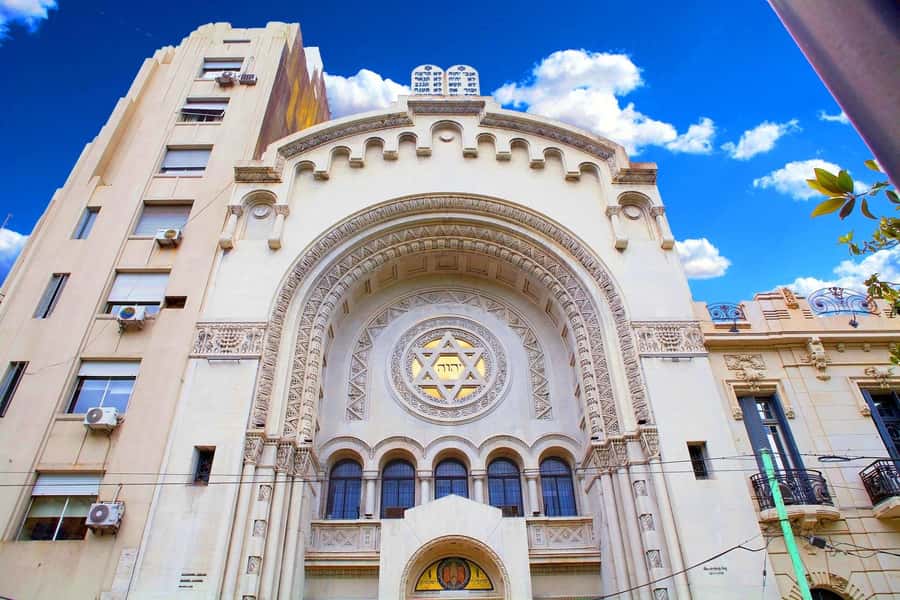
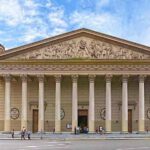
Libertad Street is where the tour starts to feel real. You’ll head to Templo Libertad, described as Argentina’s first synagogue, and you’ll get help spotting what matters on the façade—plus the bigger story of early Jewish roots in Argentina. Even better: your guide doesn’t treat it like a museum label. They connect architecture and location to community life and identity.
In the 2-hour plan, you’ll also pass by the Museo Judío de Buenos Aires from nearby streets. It’s not framed as a quick drive-by. You’ll hear how immigration and integration show up in collections and architecture, and why this area became a meaningful center for Jewish Buenos Aires.
Two practical details to keep you comfortable:
- Synagogue entry isn’t included, so come ready to learn from what you can see outside.
- This part works best if you’re curious. If you ask questions—about names, dates, or what terms mean—you’ll get the most out of the stop.
If you want an experience that’s more than just sightseeing buildings, this opening phase is where it sets the tone.
You can also read our reviews of more private tours in Buenos Aires
The Holocaust Museum stop: Argentina’s role, not just Europe
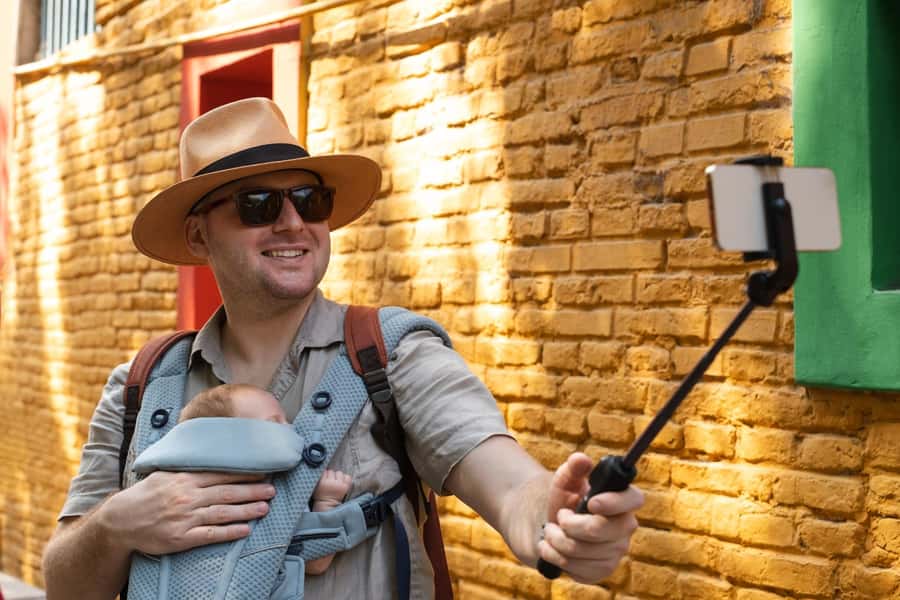
After the Libertad Street area, the tour moves to the Buenos Aires Holocaust Museum. The guide’s job here is to explain Argentina’s role during and after WWII, and to highlight survivors who rebuilt their lives in the city. It’s an emotionally heavy segment, but it’s also grounded in how people carried on.
I like this approach because it avoids the usual “distant tragedy” feeling. You’re not only hearing what happened. You’re hearing how it shaped Argentina’s Jewish community and how remembrance takes shape locally—through stories, institutions, and a new reality after the war.
What to do to make this part land well:
- Bring a calm pace in your head. This isn’t the moment to rush for the next stop.
- If you’re sensitive to heavy topics, plan your day accordingly. This tour packs seriousness into a short time window.
Also, check how you handle museum environments in general. The tour info you have clearly covers the Kibrick Museum entry rules, but it doesn’t list the Holocaust Museum ticket details. So treat the Holocaust Museum portion as a guided visit, and expect that entry conditions could depend on the museum’s own process that day.
Ending at AMIA with remembrance and context
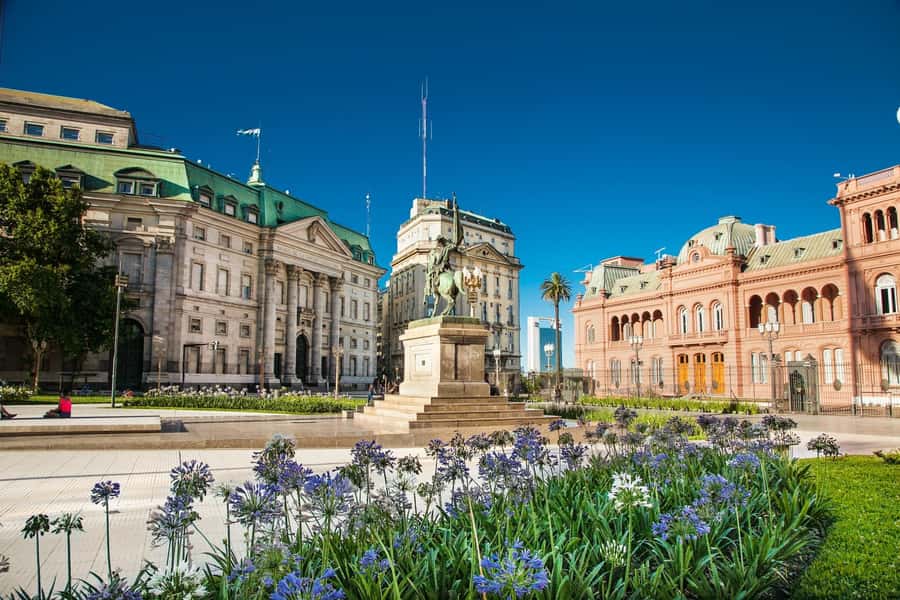
The final stretch of the 2-hour plan culminates at AMIA (Asociación Mutual Israelita Argentina). This is not a casual wrap-up stop. Your guide reflects on the 1994 bombing—described as one of the darkest moments in Argentine-Jewish history—and explains how it changed the community and even the wider national conversation.
I find AMIA especially important because it sits at the intersection of identity and public life. The tour frames AMIA as a symbol of both cultural unity and tragedy. You’re not just learning the headline. You’re learning why remembrance belongs in the everyday city, not only in textbooks.
A tip that helps: if you’re unsure what questions to ask, ask one simple one—How did the community respond afterward? Guides can usually connect the bombing to broader themes of security, solidarity, and memory. And because this is a private experience, you won’t be competing with a crowd.
Salvador Kibrick Museum entry (3- and 4-hour options)
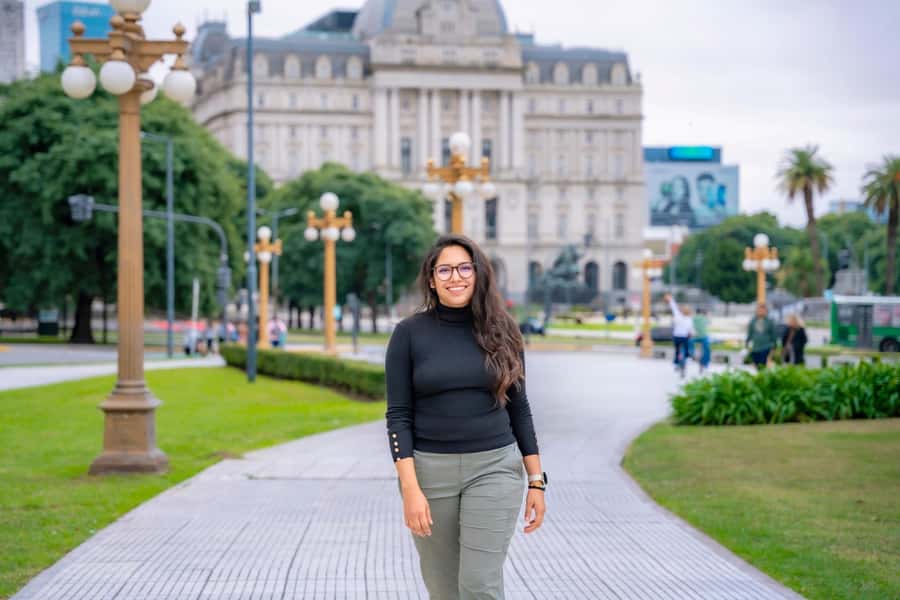
If you choose the 3-hour (or 4-hour) version, you add entry to the Museo Judío de Buenos Aires Dr. Salvador Kibrick. This museum isn’t described as a single-exhibit stop. It’s presented as a collection-driven visit, with ritual objects, photographs, and historical documents.
That matters. Objects and documents slow you down—in the best way. Instead of learning only from dates and names, you see the kind of material evidence that helps you understand daily life, faith practice, and community memory.
Security rules are part of this museum experience:
- For foreigners, you must present your original passport.
- For Argentinian citizens, you must present your original national identity card.
Don’t pack these in a way that makes you panic later. Keep them in the easiest pocket or bag compartment so you can hand over the document smoothly.
Also, remember timing. The 2-hour option doesn’t include Kibrick Museum entry, so if museum time is a priority, don’t assume you’ll get it later. Choose the 3- or 4-hour format.
The 4-hour route adds private car comfort and key memorials
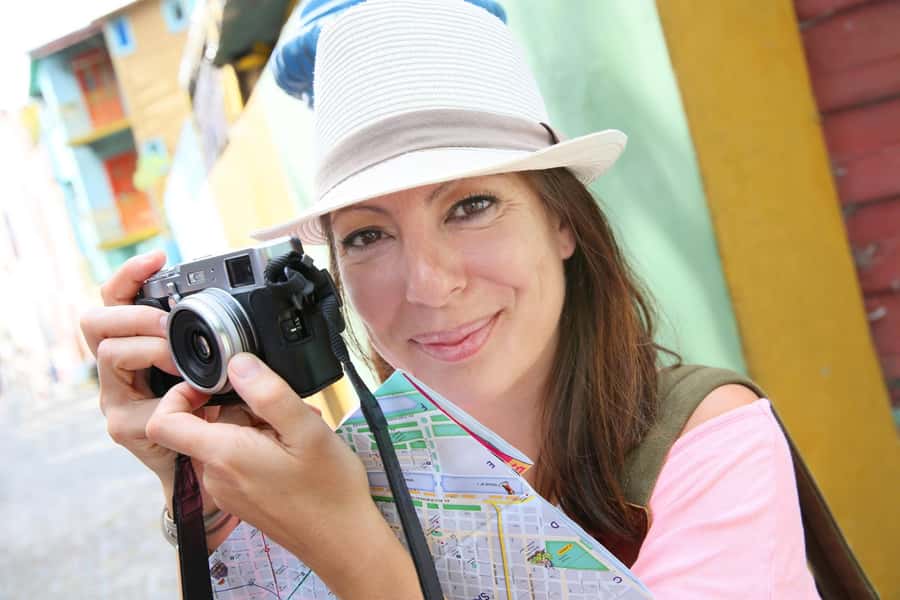
The 4-hour tour is the one for comfort and extra context. Here, you get private transportation, and the plan expands with additional stops beyond the core walking area.
Besides the earlier Jewish heritage sites, the 4-hour route includes:
- Plaza Libertad, described as a quiet square with architectural surroundings tied to the area’s identity.
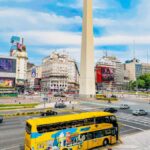
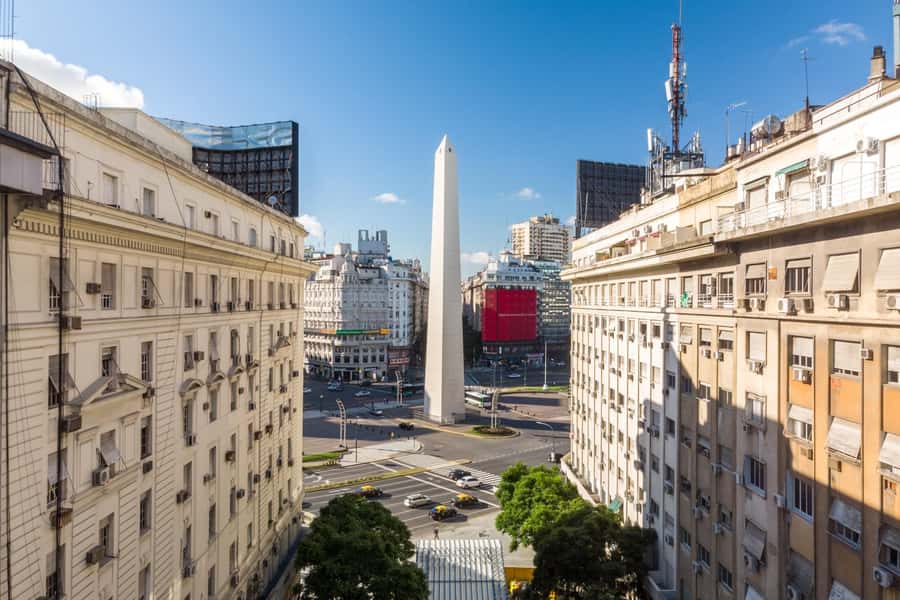
- 9 de Julio Avenue, famous as one of the widest boulevards in the world, used here as a powerful urban backdrop.
- Israeli Embassy Memorial, a solemn site commemorating the 1992 attack.
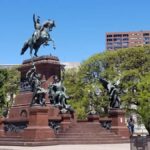
- Plaza General San Martín, a stately public space connected to Argentina’s military and immigrant history.
This is a smart upgrade if you:
- Prefer fewer long stretches on your feet.
- Want to connect multiple remembrance points across different years.
- Appreciate how city geography shapes memory—wide boulevards, plazas, and memorial sites each tell part of the story.
One small consideration: because this option includes more stops, you’ll be out longer. If you’re booking a short Buenos Aires stay, the 2-hour version may be the better fit for time.

How the private guide changes the whole experience
This tour is built around a licensed private guide, fluent in your chosen language (English, Spanish, French, Italian, or Portuguese). That language piece matters more than it sounds, especially with subjects like WWII aftermath and the AMIA bombing. Clear wording helps you connect the dots instead of translating in your head.
Small group size is another practical advantage: the plan limits groups to 1–25 guests per guide. In real terms, that means you’re more likely to get direct answers and follow-up questions, not just a monologue.
If you want to get the best result, do two things:
- Tell the guide what you care about (Jewish Buenos Aires, WWII-era aftermath, modern memory, architecture). Your guide can adjust the pace to match your interests.
- Ask at least one “why does this matter here” question. These guides tend to explain not only what happened, but why Buenos Aires became part of the larger story.
If you’re booking because you want respect and substance, this is the part that makes it work.
Price value: what $129 buys you in Buenos Aires

At $129 per person for a 2–4 hour experience, the value comes from the combination: a private licensed guide plus meaningful stops tied to Jewish heritage and modern remembrance. A self-guided walk can’t do the same job for you in the same time, especially when you want historical context and thoughtful transitions between sites.
How the value shifts by option:
- 2-hour: you’re paying mainly for the guided route through core landmarks and the guided stop at the Holocaust Museum and AMIA.
- 3-hour: you add entry to the Salvador Kibrick Museum, which can justify the upgrade if you want objects, photos, and documents.
- 4-hour: you’re also adding private car transport (plus extra stops and memorial sites), and that added comfort is part of what you’re paying for.
Food and drinks aren’t included, so plan a simple break afterward if you need one. Also, synagogue entry isn’t included, so you’re buying context and access to stories rather than a checklist of indoor visits.
For me, this is the kind of tour where the price is less about sites and more about interpretation. When the subject is heavy, the difference between a good guide and a random audio guide is night-and-day.
Meeting point, pacing, and what to wear
You’ll meet your guide in front of Hotel Presidente, Cerrito 850, C1010 Cdad. Autónoma de Buenos Aires, Argentina. Don’t enter the hotel—this is only a meeting point, and staff there aren’t informed about the tour.
For the walking portions:
- The 2-hour and 3-hour options cover about 25–30 minutes on foot.
- The surface may be uneven, with some steps.
- The tour runs rain or shine.
So yes, wear comfortable shoes. Buenos Aires sidewalks can be deceptively uneven, and museum-day comfort beats fashion every time.
Weather note: since it’s rain or shine, bring a light layer or something waterproof if you expect wet weather. You don’t want to spend the early part of the tour thinking about your soaked socks.
Should you book this Jewish heritage Buenos Aires tour?
Book it if you want a respectful, guided route through Jewish Buenos Aires that connects architecture, WWII-era aftermath, and modern remembrance at AMIA. I’d also book the 3-hour or 4-hour option if museum entry is important to you—because the Salvador Kibrick Museum is where you get tangible ritual objects, photographs, and documents, not just talking points.
Skip or reconsider if you’re mainly after quick sightseeing and indoor stop-checking. Synagogue entry isn’t included, and the tour includes serious subject matter. Also, if you strongly prefer private door-to-door pickup, note that accommodation pickup and drop-off are only included in the 4-hour option.
One last decision helper: if you’re the kind of person who likes to ask why places matter, this private format is a great fit. If you’re more focused on speed and minimal conversation, you might find the tone heavier than you want.
FAQ
Which sites are part of the 2-hour private tour?
The 2-hour plan focuses on the old Jewish quarter walk, including Templo Libertad on Libertad Street, a pass near the Museo Judío de Buenos Aires area, the Buenos Aires Holocaust Museum, and culminates at AMIA.
What extra do I get with the 3-hour option?
The 3-hour option adds entry to the Museo Judío de Buenos Aires Dr. Salvador Kibrick.
What extra do I get with the 4-hour option?
The 4-hour option includes museum entry and adds private transportation plus additional stops, including Plaza Libertad, 9 de Julio Avenue, the Israeli Embassy Memorial, and Plaza General San Martín.
Is entry to synagogues included?
No. Entry to synagogues is not included, so you’ll typically see key synagogues from outside.
Do I need my passport or ID for the Kibrick Museum?
Yes. For security reasons, foreigners must present the original passport, and Argentinian citizens must present their original national identity card.
Is pickup from my accommodation included?
Pickup and drop-off at your accommodation are included only with the 4-hour option. The 2-hour and 3-hour options do not include this.
How long is the walking portion and what should I wear?
For the 2-hour and 3-hour options, expect about 25–30 minutes of walking, with some uneven surfaces or steps. Wear comfortable shoes and be prepared for varying weather.
What languages are available for the guide?
The live private guide is available in English, Spanish, French, Italian, and Portuguese.