REVIEW · BUENOS AIRES
Palermo SoHo for curious people
Book on GetYourGuide →Operated by Social&Cultural · Bookable on GetYourGuide
SoHo in Buenos Aires has secrets. This two-hour, anthropology-style walking tour treats Palermo SoHo like a living case study, not a postcard. You’ll start near the amphitheater at Distrito Arcos by the Montagne store, then finish at Plaza Serrano, with a guide who keeps you talking and thinking.
I love two things right away. First, it’s a serious, people-first look at gentrification in Palermo SoHo—why it changes streets, shops, and even the local “logic” of money. Second, the tour’s built around immigration history you can actually see in the neighborhood, from community spaces to names and passages you’d probably walk past without a second glance.
One drawback to plan for: this isn’t a quiet stroll. You’ll want to be comfortable asking questions, chatting with the guide, and keeping up the walking pace for the full 2 hours.
In This Review
- Key things you’ll notice on this Palermo SoHo walk
- Enter Palermo SoHo like an anthropologist
- Price and what $25 gets you in practice
- Route reality: Distrito Arcos to Plaza Serrano, piece by piece
- Montagne and Puente Pacífico: the tour starts with movement
- Polo Científico Tecnológico: where present-day change gets its backstory
- Pasaje Emilio Zola: walking a passage is like reading a paragraph
- PROSVITA (Ukrainian culture association): immigration isn’t only in museums
- El Preferido de Palermo, Don Julio, Klub Polaco: quick hits with big questions
- ACILBA: the neighborhood’s institutional side
- Plaza Inmigrantes de Armenia: a lesser-known anchor point
- Helados Italia break: your one planned reset
- Pasaje Russel and the SoHo name story
- Gentrification, money, and the questions you’ll keep asking
- Language, groups, and how to get the most out of it
- Who this tour is for (and who might not love it)
- Should you book Palermo SoHo for curious people?
- FAQ
- How long is the Palermo SoHo walking tour?
- What does it cost?
- Where do I meet the guide?
- Where does the tour end?
- Is the tour guided by a real person?
- What languages are available?
- Is it wheelchair accessible?
- What kind of group is it?
- Is it refundable if my plans change?
Key things you’ll notice on this Palermo SoHo walk
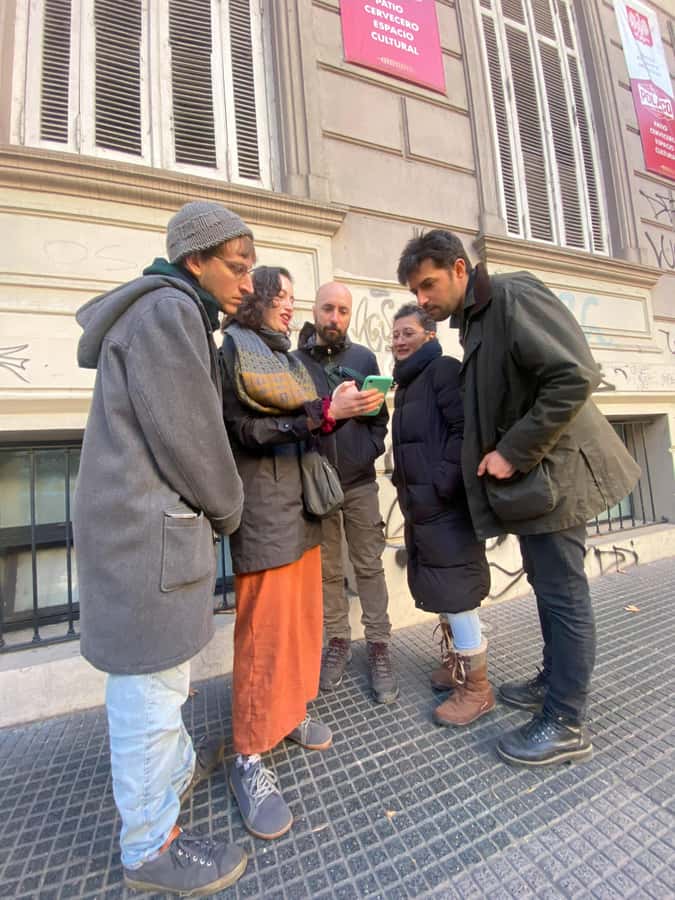
- Anthropologist-led style: you’ll discuss, not just listen
- Real-world gentrification questions tied to real estate and the Argentine peso
- Immigration history in plain sight through community locations and street names
- Transit origin clues: you’ll connect the neighborhood story to trains and trams
- Short stops, clear takeaways: quick visits plus one practical break for ice cream
Enter Palermo SoHo like an anthropologist
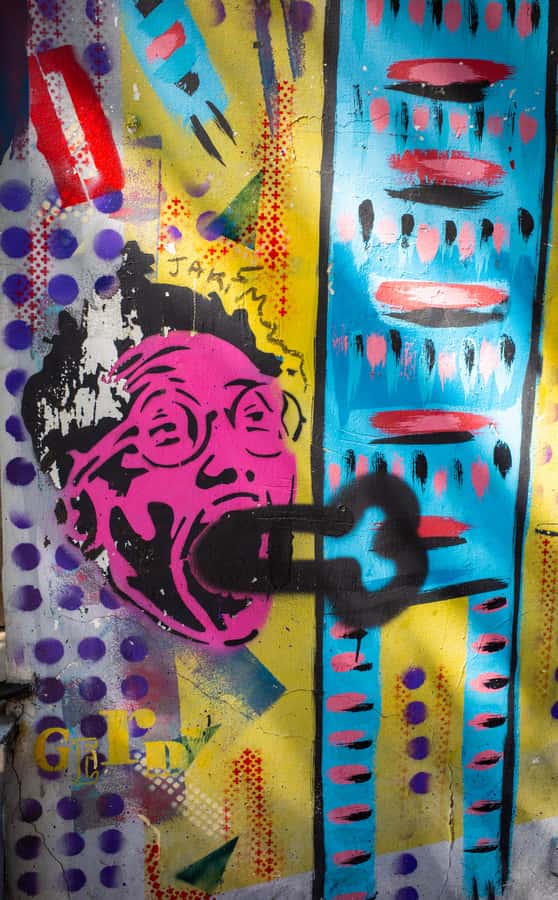
Palermo SoHo is famous for its stylish facades and trendy cafés. But this tour flips the angle. Instead of treating the neighborhood as an Instagram backdrop, you’ll treat it like a social system: who arrived first, who benefited later, and who gets pushed out when the “cool” factor ramps up.
The guide (a university degree profile) runs the walk in Spanish, French, or English, and the best part is the interaction. You’re not stuck absorbing facts like a museum audio track. You’ll get nudged into asking your own questions—good ones, the kind that make you look at a street corner and wonder what’s behind it.
You can also read our reviews of more tours and experiences in Buenos Aires.

Price and what $25 gets you in practice
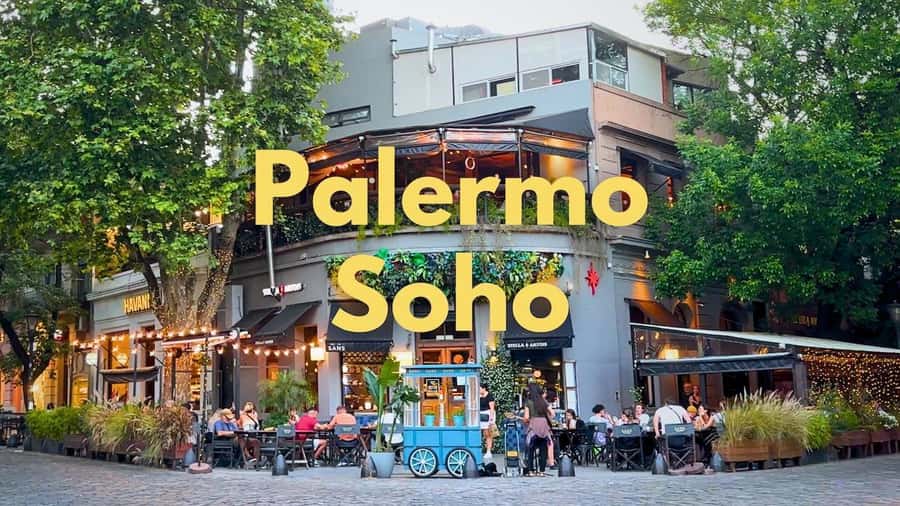
At $25 per person for a 2-hour guided walking experience, the value feels unusually solid for Buenos Aires. This isn’t just someone pointing out buildings. You’re paying for discussion, explanations, and a route designed around the neighborhood’s themes: the shift from earlier inhabitants to today’s tourist-and-café version of Palermo SoHo.
You also get a guide who clearly knows how to connect the dots between culture and economics. The topics aren’t abstract: you’ll talk about real estate speculation and how it ties to the Argentine peso situation, including the idea of two exchange rates that can feel confusing unless someone explains the context.
Route reality: Distrito Arcos to Plaza Serrano, piece by piece
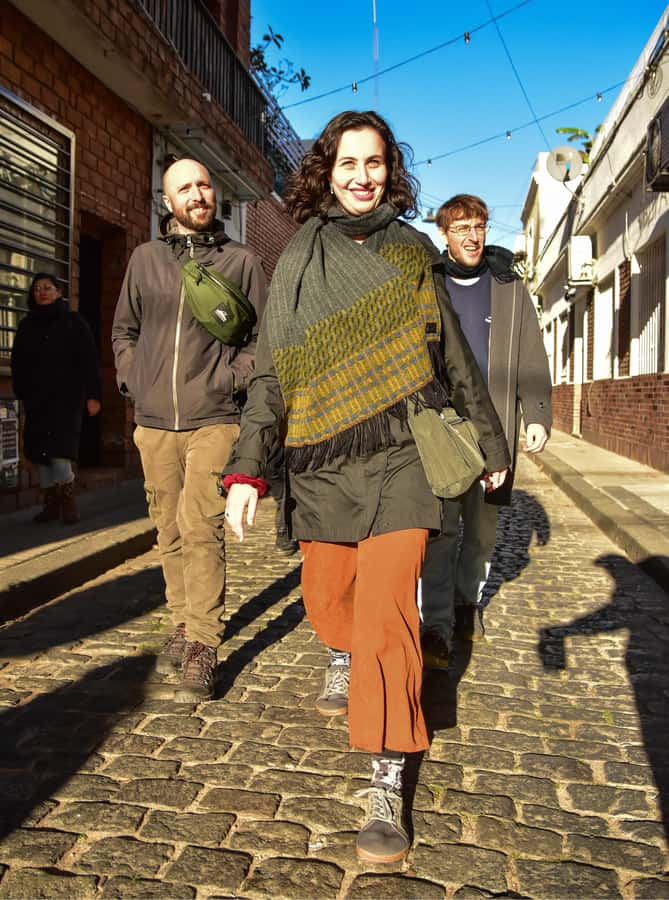
You meet at the amphitheater area of Distrito Arcos, right by the Montagne store. Then you head through a sequence of community spots, passages, and quick-interest stops, ending at Plaza Serrano—one of the best places to keep exploring after the tour.
The timing is tight but manageable: lots of stops are short (5–15 minutes), with a couple longer guided moments. That structure matters because Palermo SoHo can be visually overwhelming. Short segments help your brain stay focused: you learn the theme, you see the setting, then you move on.
Montagne and Puente Pacífico: the tour starts with movement
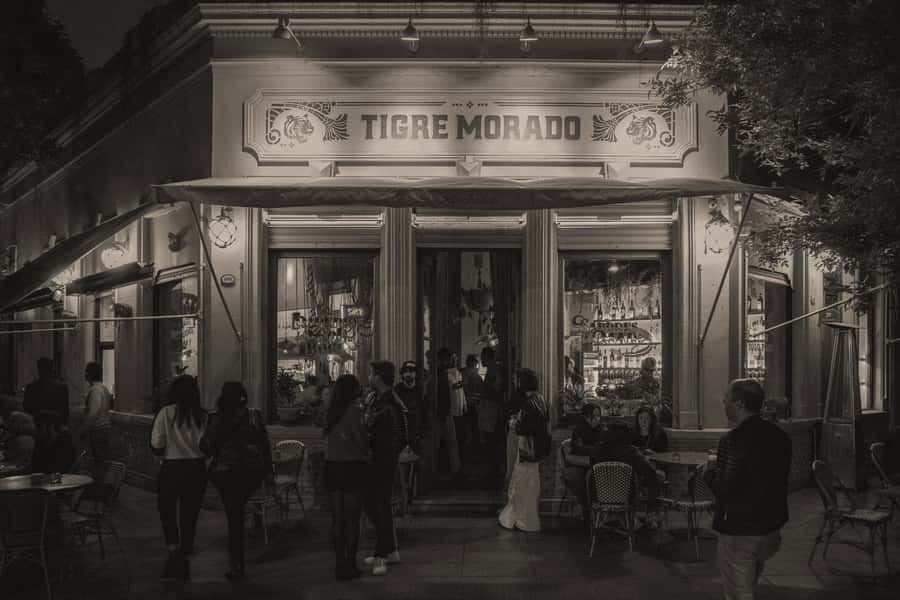
Right away, the walk leans into origins. Before you even get deep into the “SoHo” branding question, you’re asked to connect the neighborhood to the city’s earlier movement patterns.
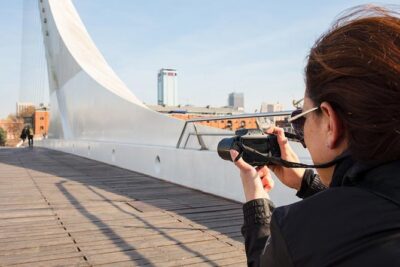
At Puente Pacífico (about 15 minutes), you get a guided look that pushes you to think about infrastructure and access. You’ll explore how trains and trams can relate to how areas develop over time. Even if you’re not a transit-history person, it helps you understand why neighborhoods don’t just appear out of nowhere. They grow where people can reach them.
Polo Científico Tecnológico: where present-day change gets its backstory
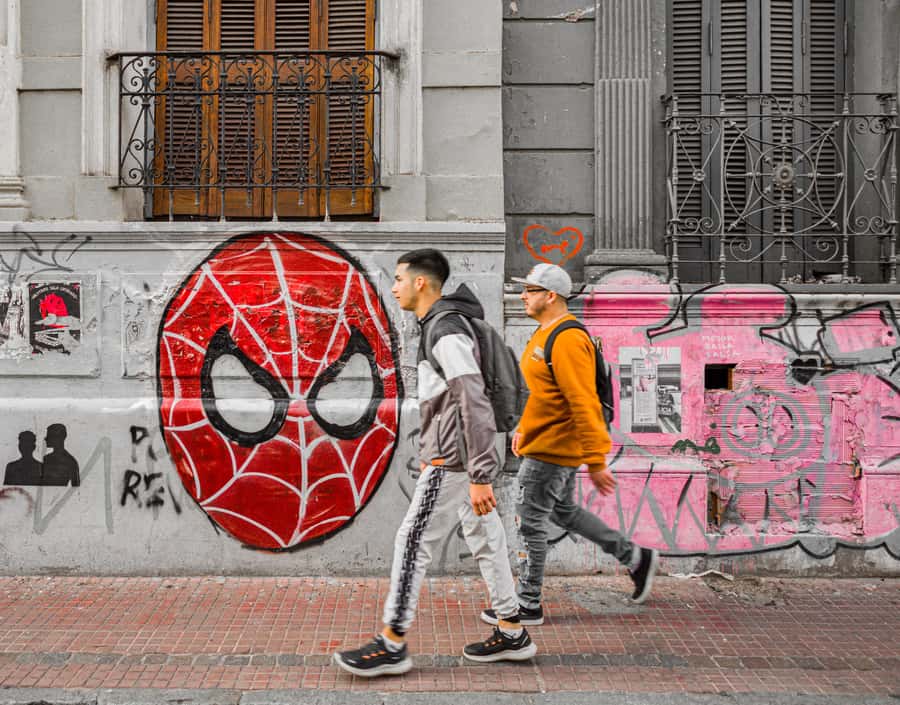
Next is Polo Científico Tecnológico (around 20 minutes). This is one of those stops where you get the “why now” angle. Palermo SoHo didn’t just become hip by accident. The tour frames neighborhoods like organisms: ideas, institutions, and investment reshape them in waves.
You’ll likely notice how the guide ties modern identity to earlier phases—how a place can shift in character while still carrying traces of its past. You’ll also get a lens for asking: who gets to enjoy the new version, and who pays the price?

Pasaje Emilio Zola: walking a passage is like reading a paragraph
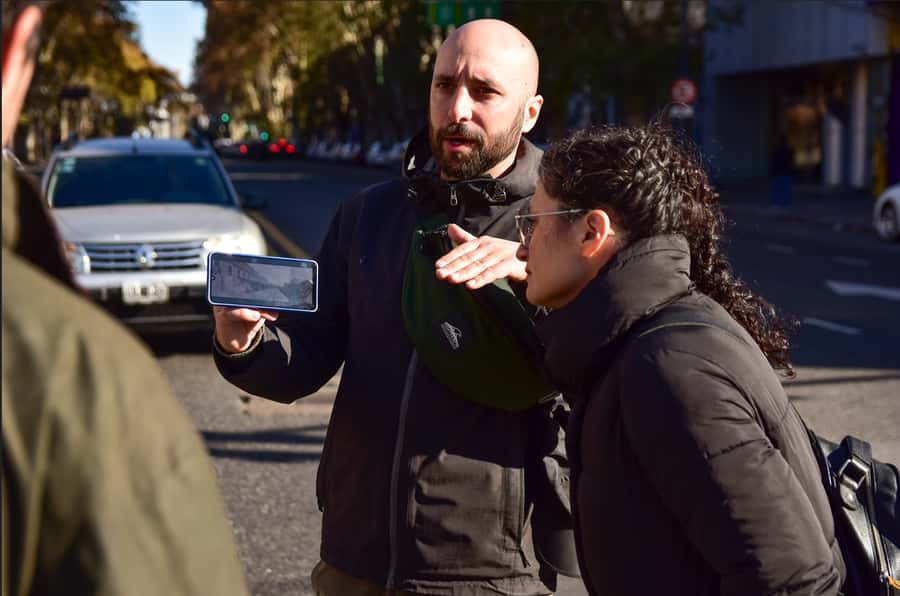
Then you hit Pasaje Emilio Zola (about 10 minutes). Passages in Buenos Aires can feel like secret shortcuts, but they’re also storytellers. This stop is less about “look how cute” and more about meaning: how the neighborhood’s layout and hidden corridors affect who uses the space.
You’ll get context for how the area became associated with the SoHo idea. The tour raises questions like when Palermo became “SoHo” and how it filled with tourists, chic bars and restaurants, and the current wave of food culture. That’s the kind of detail that makes the neighborhood feel less like a fashion trend and more like a deliberate rebrand.
PROSVITA (Ukrainian culture association): immigration isn’t only in museums
One of the most memorable parts is Asociación Ucrania de Cultura PROSVITA en la Republica Argentina (about 15 minutes). The stop includes the name you see associated with the Ukrainian community (including the Cyrillic-style lettering shown on-site).
This is where the tour does its best work: showing immigration history as something you can point to, not something you only learn from books. You’re guided through how community institutions leave fingerprints on neighborhoods—language, culture, meeting places, and the quiet continuity of people building life in a new country.
It’s also a good reminder that Palermo wasn’t always the neighborhood you see now. The tour helps you imagine first inhabitants and the early layers of settlement before the “chic” phase took over.
El Preferido de Palermo, Don Julio, Klub Polaco: quick hits with big questions
After the heavier context stops, the walk becomes fast and fun—short visits, short explanations, quick “why this exists here” moments.
You’ll spend about:
- 5 minutes at El Preferido de Palermo
- 5 minutes at Don Julio Parrilla
- 5 minutes at Klub Polaco
- a quick pass-by (about 3 minutes) at ACILBA
These stops can look like “just places.” But in this tour framework, each one is a clue. Food and nightlife are often the front edge of neighborhood change—where outsiders notice the shift first. The guide uses them to talk about what happens when tourist interest and local business trends start shaping the street economy.
If you’re the type who loves connecting culture to commerce, you’ll enjoy how these quick moments feed back into the bigger themes: who’s making money, how tastes change, and what kind of neighborhood identity gets sold.
ACILBA: the neighborhood’s institutional side
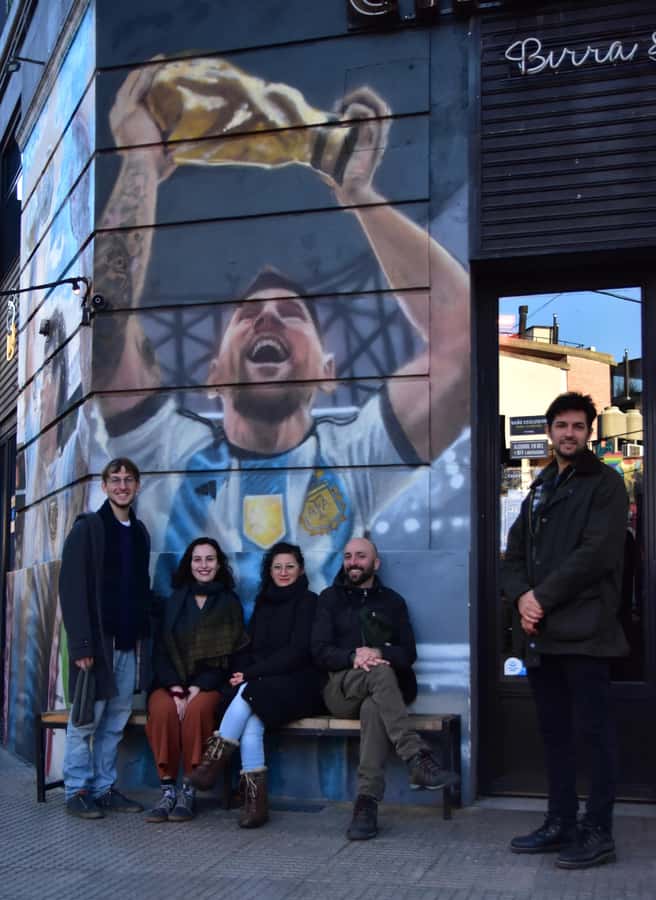
Even though ACILBA is mostly a pass-by (around 3 minutes), it’s not filler. It’s an institutional thread. The point isn’t to become an expert on the building. It’s to broaden your thinking: gentrification isn’t only landlords and cafés. It’s also shaped by organizations, economic pressure, and local decision-makers.
Plaza Inmigrantes de Armenia: a lesser-known anchor point
Next you reach Plaza Inmigrantes de Armenia (about 10 minutes) for a guided look. This is a strong stop for anyone who wants Palermo SoHo beyond the trendy surface.
Here the tour highlights how immigration history can function as public memory. A plaza name isn’t just a label—it’s a statement about who mattered enough to be remembered in the urban map. You’ll come away seeing the area less as a single identity (like “modern cool”) and more as layers of communities leaving traces over time.
Helados Italia break: your one planned reset
At Helados Italia you get a 15-minute break. This isn’t random. It’s your chance to cool down, recharge, and keep the day realistic.
It also helps you stay present. When you return to walking and talking, you’ll likely find it easier to connect what the guide explained earlier to what you see next—especially around the passages and the street texture that can blend together if you move too fast.
Pasaje Russel and the SoHo name story
Then you go to Pasaje Russel (about 10 minutes) before ending at Plaza Serrano.
This is where the tour’s big “SoHo” storyline really clicks. You’ll discuss the past, present, and future of the SoHo label in Buenos Aires—when it happened, how tourists and trend-driven businesses intensified the shift, and how the neighborhood keeps changing as new visitors and investors arrive.
One of the most useful discussion threads is economic context: you’ll talk about real estate speculation, the Argentine peso devaluation angle, and the oddity of what’s described as two exchange rates. Even if you don’t track currencies daily, the guide helps you understand why local pricing and investment decisions can snowball into neighborhood change.
Gentrification, money, and the questions you’ll keep asking
The tour doesn’t treat gentrification like a scary word. It treats it like a cause-and-effect system.
I like that you leave with sharper questions, not just opinions. For example:
- What changes first: the businesses, the rent, or the image?
- How does a neighborhood become a brand?
- How does currency instability influence real estate behavior?
- How do earlier communities still show up in the streets after the spotlight moves on?
That’s why the route works. You get visible anchors for invisible processes: passages for the “how the neighborhood grew,” community spaces for the “who was here,” and food/nightlife spots for the “how the new version spreads.”
And when the guide is good at tying it together—which, judging from the energy people bring up about Nico—it makes the conversation feel like a street-level class you actually want to attend.
Language, groups, and how to get the most out of it
The tour runs with a live guide in Spanish, French, or English, and it’s set up for private or small groups. That matters because discussion-based tours work best when you can actually hear each other and ask a follow-up.
If you want to maximize the experience, come ready with curiosity, not a rigid plan. You’ll do best if you:
- enjoy asking why questions
- don’t mind chatting on the move
- like learning from local perspective, not just facts
Who this tour is for (and who might not love it)
This tour is a great match if you want Palermo SoHo as a social story: culture, migration, money, and how trends reshape streets. It’s also ideal for first-timers in Buenos Aires who already know the big sights but want something more thoughtful and local.
You might skip it if you prefer a silent walk, minimal discussion, or you’re only interested in photo stops and quick restaurant recommendations. This experience rewards participation.
Should you book Palermo SoHo for curious people?
If you’re the type who hates tourist-surface explanations, I think yes. For $25 and a 2-hour time window, you get a guided, question-driven approach with clear themes: gentrification, immigration history, and how the neighborhood became associated with the SoHo identity. The itinerary is also designed so you’re not stuck wandering without a framework.
If you want a walking tour that feels like a conversation with a university-minded guide—one that ends near Plaza Serrano so you can keep exploring right after—this one fits nicely. Book it, bring questions, and leave ready to look at Palermo differently.
FAQ
How long is the Palermo SoHo walking tour?
The experience lasts 2 hours.
What does it cost?
It costs $25 per person.
Where do I meet the guide?
You meet by the amphitheater of Distrito Arcos, next to the Montagne store.
Where does the tour end?
It finishes at Plaza Serrano.
Is the tour guided by a real person?
Yes. It includes a live guide and guided walking/discussion.
What languages are available?
The guide offers Spanish, French, and English.
Is it wheelchair accessible?
Yes, it is wheelchair accessible.
What kind of group is it?
You can choose private or small groups.
Is it refundable if my plans change?
Free cancellation is available up to 24 hours in advance for a full refund, and you can reserve now and pay later.