REVIEW · BUENOS AIRES
Tango Lesson in Buenos Aires with professional dancers
Book on GetYourGuide →Operated by Milonga City · Bookable on GetYourGuide
Tango makes sense when a pro slows down. I like the one-hour private class with professional dancers, because it’s paced for beginners and you get direct feedback fast. I also like the setting: an antique-styled house with tango-specific halls where the instructors explain how the dance grew and why each space matters. The one consideration is simple: 1 hour is enough to get moving, but not enough to feel fluent without a bit of practice after.
You’ll be taught by a real tango couple, and the tone is friendly rather than intimidating. One instructor named Joana is singled out for being lovely and patient while guiding basics, which is exactly what you want when your brain is busy learning the embrace and timing at the same time. Instruction is available in English and Spanish, so you won’t have to guess what your partner is supposed to do.
In This Review
- Key points to know before you go
- Entering an antique Buenos Aires tango school (and why it matters)
- Meeting your instructors: ring the doorbell and get oriented
- The one-hour lesson: embrace, basic steps, and your first tango walk
- Watching live tango in the same school: see it, then try it
- Price and value: what $120 buys for up to two
- What to bring, what to expect, and who should skip it
- Booking approach: flexible plans and private transfers
- Should you book this tango lesson in Buenos Aires?
- FAQ
- How long is the tango lesson?
- Is it a private experience?
- What is the maximum group size?
- Do I need any prior dance knowledge?
- What languages are the instructors?
- Where do I meet the instructor?
- What should I wear or bring?
- Is anything not allowed during the lesson?
- Is live transfer available?
Key points to know before you go
- Professional dancer-led, private pacing: you’re not competing with a big group for attention.
- Antique tango house + special practice halls: the room itself helps explain how tango feels.
- You’ll learn fundamentals: embrace, basic steps, and a walk you can repeat.
- A live tango exhibition is part of it: you watch excellence right in the same school setting.
- No experience required: you start from zero and build from there.
Entering an antique Buenos Aires tango school (and why it matters)
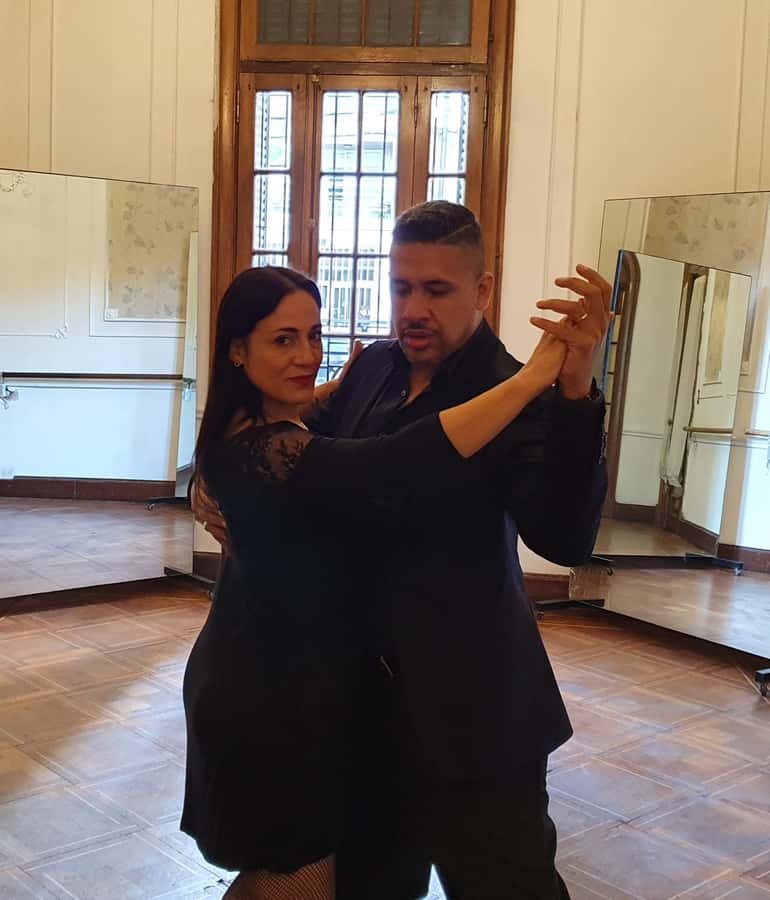
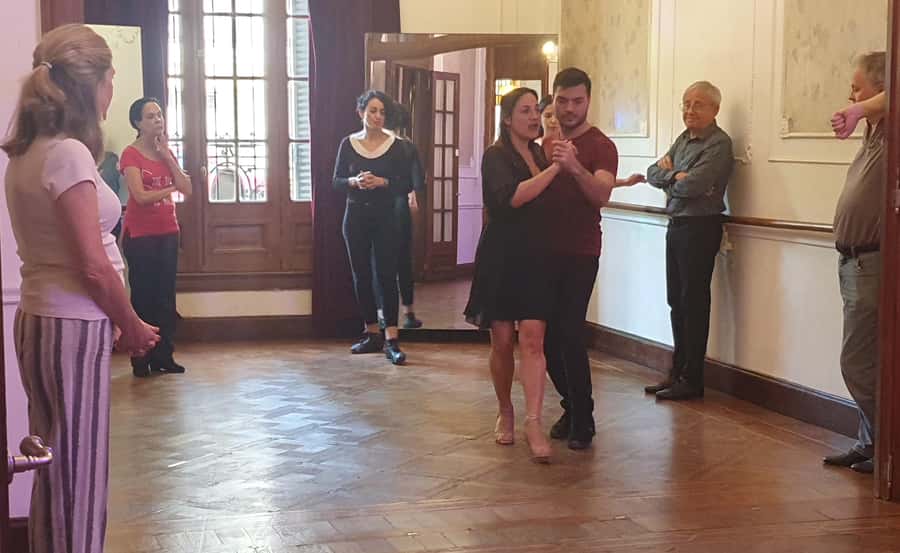
This experience isn’t staged in a generic studio. You meet at an old house that’s been adapted into a Tango School, the kind of place where you can sense that tango isn’t just a performance—it’s a living tradition. When you arrive, you’ll need to ring the doorbell to get the instructors to let you in, so plan a minute to settle your bearings before the lesson starts.
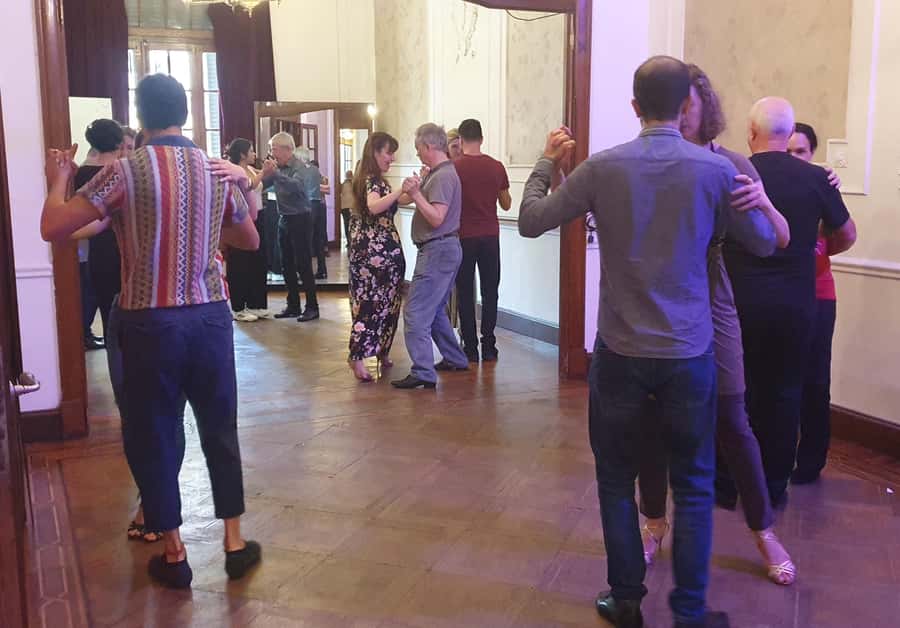
Inside, you’ll move through spaces designed for dance classes. Those “special halls” aren’t just for looks. They set the right mood and help you understand tango as something social and intimate, not a sport played at arm’s length. The experience also leans into this idea by talking about the history that lives in each tango hall, which helps the steps make emotional sense instead of feeling like a memorization task.
If you care about authenticity—actual tango spaces, not just a convenient activity—this is a big reason to choose this lesson.
You can also read our reviews of more tours and experiences in Buenos Aires


Meeting your instructors: ring the doorbell and get oriented
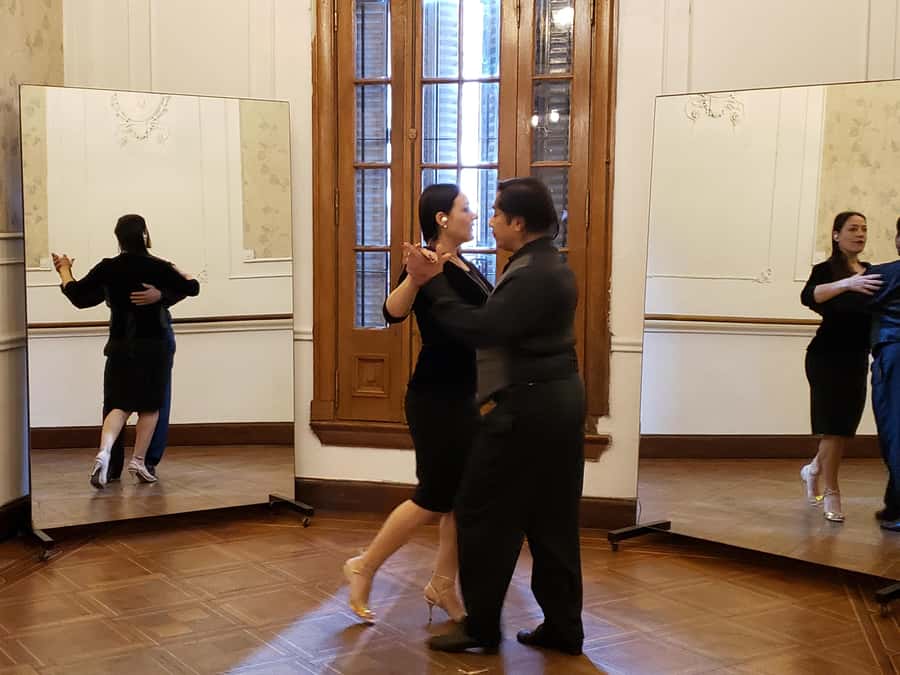
The meeting point is straightforward: you’ll see the Tango School from the outside (the old house), and you’ll ring the doorbell once you arrive. That’s the whole first step. After that, the lesson becomes hands-on and partner-focused.
Because it’s a private group, you’re not stuck “waiting your turn.” You can ask questions in the moment and adjust as you learn. The instructor language options (English, Spanish) also matter here. Tango teaching often includes body mechanics plus a few cultural references, and having the instructor explain in a language you’re comfortable with reduces confusion and frustration.
One practical tip: wear comfortable clothes and shoes you can pivot in. Tango doesn’t forgive slippery soles.
The one-hour lesson: embrace, basic steps, and your first tango walk
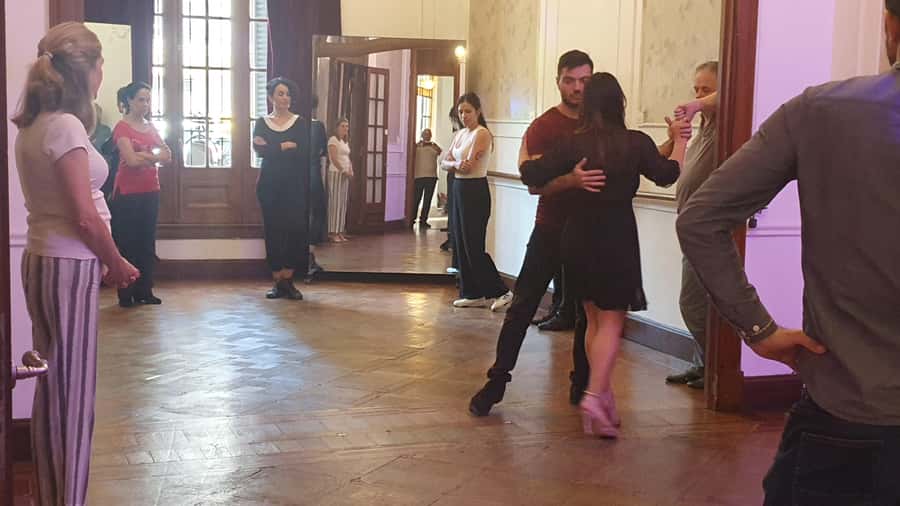
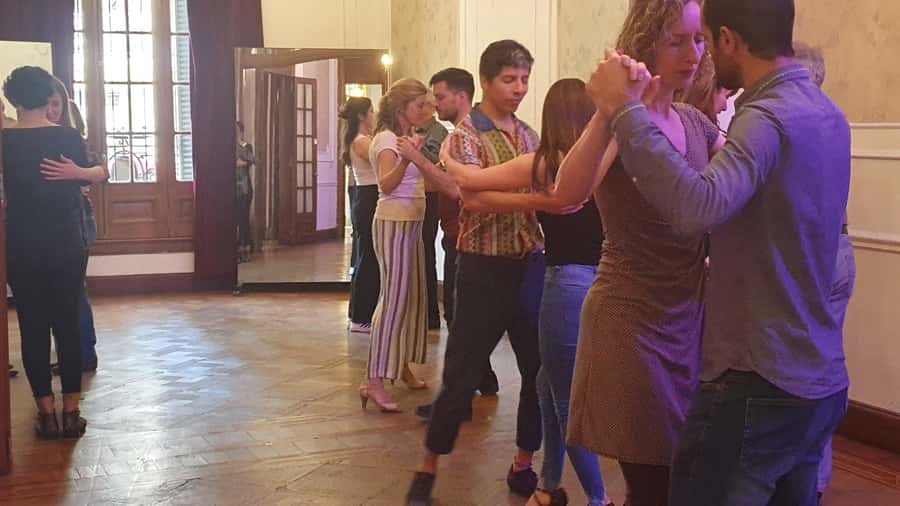
The core of the experience is one hour of private class taught by professional dancers. You’ll learn the basic steps in a way that’s meant to be simple and fun, not overly technical. The goal is for you to become a tango dancer in the sense that you can confidently do the basics with a partner.
Here’s what that looks like, piece by piece:
The embrace
The embrace is where most first-timers feel awkward. The instructors focus on the basic hold and the partner connection so you’re not just stepping around each other. Once you understand the embrace, everything gets easier because your movement has a center and a shared rhythm.
Basic steps
You’ll work on foundational steps that let you move without constantly thinking through every detail. The teaching style is built for beginners, so you’re not expected to show up knowing footwork patterns.
The walk with your partner
“Tango walk” sounds like a small thing, but it’s actually a big deal. It’s the bridge between doing steps and actually dancing. You’ll learn how to walk in tango style with your partner so the movement looks intentional, not accidental.
History as you learn
A nice touch is that the instructors tie the lesson to the space and its past. Learning a bit of history while you’re physically practicing helps you understand why tango movements feel the way they do. It turns the lesson from step-counting into something more meaningful.
This is where patience matters most. Joana, specifically, is praised for being patient while guiding people through the basics. That’s a strong sign you’ll have time to get things right instead of being rushed.
Watching live tango in the same school: see it, then try it
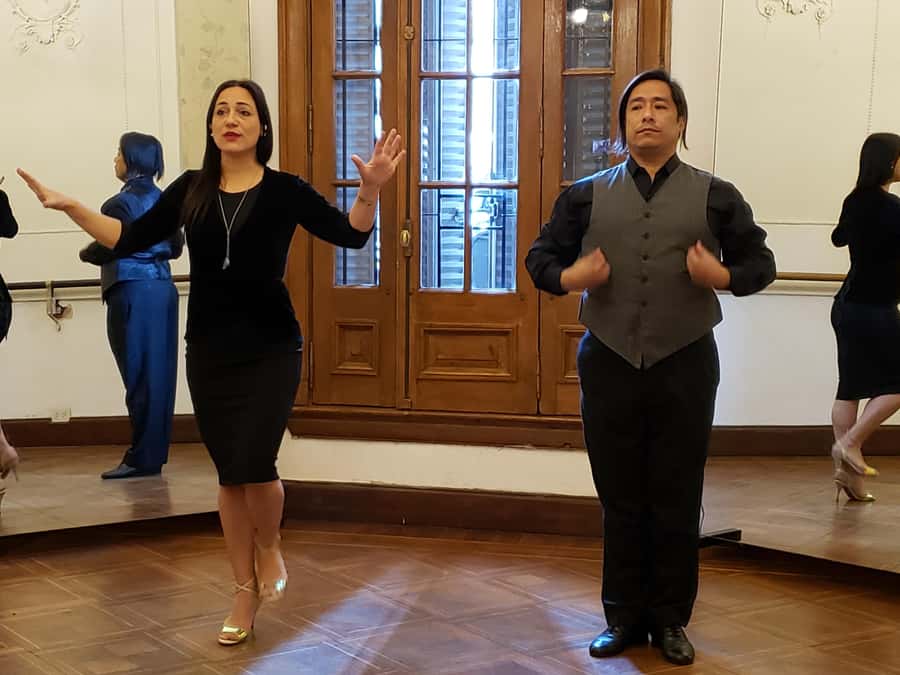
A lesson is helpful, but tango becomes real when you watch it performed well. This experience includes an amazing live tango exhibition in an authentic traditional Tango School in Buenos Aires, performed by one of the most important professional tango dancers connected with the event.
Why this is valuable: you get a visual target right in the same environment where you practiced. You can compare what you just learned—embrace, steps, and walking—with how professionals shape timing, connection, and expression.
Also, this exhibition adds a cultural layer to your night. Tango isn’t only something you do; it’s something you experience. The school setting helps keep that connection tight, because you’re not leaving the building to find the show.
Price and value: what $120 buys for up to two
The price is $120 per group, up to two people, for one hour. That sounds like a lot if you compare it to group classes, but the value math changes quickly once you consider what you’re actually paying for:
- Private time with professional dancers: you’re not competing for attention.
- Beginner-friendly pacing: no dance knowledge is required.
- Direct feedback: your partner connection and timing matter, so one-on-one guidance is worth it.
- Included instruction spaces plus a live exhibition: you’re getting more than just a quick demo.
If you’re coming as a pair, this can be a reasonable way to do “the full tango experience” without spending a whole evening figuring out where to go and what to watch. If you’re solo, it may still be worth it, especially if you want a guided start with zero uncertainty—but splitting with a partner is where it tends to feel most economical.
If you like structured experiences but still want something real, this hits the sweet spot.





What to bring, what to expect, and who should skip it
You don’t need prior dance training. You do need the basics covered for comfort and safety:
What to bring:
- Comfortable shoes
- Comfortable clothes
Not allowed:
- Alcohol and drugs
You’ll also want to be mentally ready for a partner-based activity. Tango teaching is physical, so your posture, balance, and the connection with your instructor matter. If you’re prone to frustration when learning something physical, give yourself permission to be slow at first. That first embrace usually feels strange for everyone.
Who it’s not suitable for (based on the experience rules):
- Children under 10
- People with mobility impairments, wheelchair users, or visually impaired people
- People with pre-existing medical conditions
- Hearing-impaired people
If any of those apply, it’s best to choose a different type of tango activity where accommodations are explicitly available.
Booking approach: flexible plans and private transfers
Two things make planning easier. First, the experience offers free cancellation up to 24 hours in advance for a full refund. Second, there’s a reserve now & pay later option, so you can lock in a spot without paying immediately.
If you want to reduce hassle in Buenos Aires, you can also add a private in-out transfer for an additional cost. That’s especially useful if you’re mixing this with other plans and don’t want to spend your evening timing buses or taxis.
Should you book this tango lesson in Buenos Aires?
Book it if you want a beginner-friendly start with professional dancers, you like learning in an authentic tango school setting, and you also want a live exhibition as part of the same experience. The private format is the real win here. You’ll get time to ask questions and adjust, and that makes tango feel learnable instead of mysterious.
Skip it or reconsider if 1 hour won’t meet your expectations. This lesson is for getting basics into your body, not becoming a performance-ready dancer overnight. Also, if accessibility or health needs are in play, check eligibility carefully first.
If you’re looking for a well-paced night in Buenos Aires—one that mixes fundamentals with real tango atmosphere—this is a strong choice.
FAQ
How long is the tango lesson?
The lesson lasts 1 hour.
Is it a private experience?
Yes. It’s a private group experience.
What is the maximum group size?
It’s up to 2 people per group.
Do I need any prior dance knowledge?
No dance knowledge is required.
What languages are the instructors?
The instructors speak English and Spanish.
Where do I meet the instructor?
You meet at the Tango School, an old house. You’ll need to ring the doorbell to meet your instructors.
What should I wear or bring?
Wear comfortable shoes and comfortable clothes.
Is anything not allowed during the lesson?
Alcohol and drugs are not allowed.
Is live transfer available?
Yes. A private in-out transfer is available for an additional cost.