REVIEW · BUENOS AIRES
Soccer Match in Buenos Aires with Transfers and Local Guide
Book on Viator →Operated by Tangol · Bookable on Viator
Ticket lines in Buenos Aires can be a lot. This is a game-day plan that keeps things orderly, with a bilingual local guide and hotel-to-stadium transfers plus your entrance ticket.
I like the focus on making sense of what you’re seeing once you reach the stands. You’ll also get a snack and bottled water to keep you comfortable from check-in through the final whistle.
One thing to plan for: entry rules can be strict. If your match is at River Plate, you’ll need a passport (not just a foreign ID), and there’s also a Face ID registration step before you go in.
In This Review
- Key things to know before you go
- Matchday in Buenos Aires, organized and passport-proof
- The start point: Tangol Tours on Defensa 831
- Stadium stops before kickoff: why you visit so many clubs
- River Plate at Estadio Monumental (Monumental and 1978)
- Independiente at Libertadores de America (Rey de Copas)
- San Lorenzo at Pedro Bidegain (creative fans and Pope Francis)
- Racing at Presidente Perón (the cheering never stops)
- Huracán at Tomás Adolfo Duco (tango and bohemian neighborhood)
- Vélez at José Amalfitani (world champion and 1978 host)
- Argentinos Juniors at Diego Armando Maradona (Maradona’s club)
- The match: what your guide helps you notice
- Food and water: the included snack and what still costs extra
- Safety, security, and the rules that can surprise you
- Transfers and timing: the value of not improvising
- Price and value: what $172 buys you in Buenos Aires
- Who this tour suits best
- Should you book this Buenos Aires matchday experience?
- FAQ
- Where does the tour meet?
- How long is the experience?
- What’s included in the price?
- Is food included?
- Do I need ID to enter the stadium?
- Are match dates and kickoff times fixed?
- Are cameras or outside food allowed?
- How many people are in the group?
- Can I cancel?
Key things to know before you go
- Bilingual guide who’s a football fan to translate the culture, not just the schedule
- Hotel pickup and drop-off so you’re not figuring out transport with a stadium crowd
- A short stadium tour before kickoff across multiple legendary Buenos Aires venues
- Snack and bottled water included so you start the match day on the right foot
- ID checks at the gate (River Plate has extra documentation requirements)
- Small group size (max 15) helps everyone stay together
Matchday in Buenos Aires, organized and passport-proof
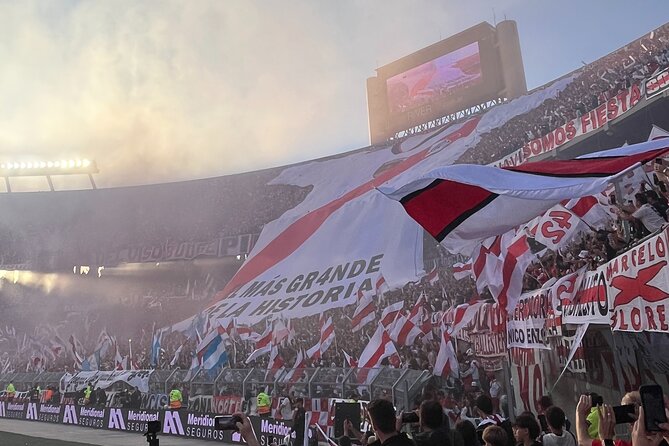
If you want the real Buenos Aires football atmosphere, this is the kind of tour that makes it feel possible for a short stay. The key is that it takes care of the hard parts that usually cause stress: getting your tickets sorted, getting you to the stadium at the right time, and having a guide who can explain the big picture while you’re standing in it.
From the start, you’re not just handed directions. You meet the team at Tangol Tours on Defensa 831, then you go as a group with a football guide to the match area. The experience runs about 4 hours, which is a smart length for people who want a night out without losing the whole evening to logistics.
The small-group feel also matters. With up to 15 travelers, it’s easier for the guide to keep track of the group in crowded streets, and it’s less chaotic than a large bus shuffle.
You can also read our reviews of more guided tours in Buenos Aires

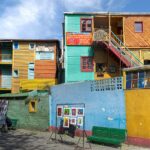
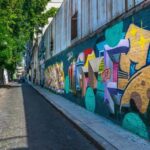
The start point: Tangol Tours on Defensa 831
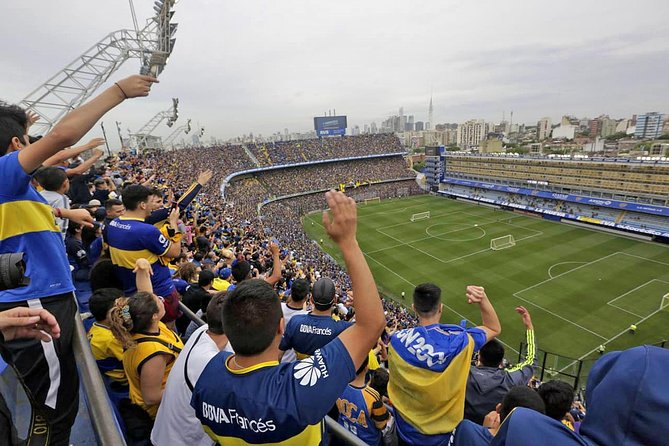
Your day begins at Defensa 831, at the Tangol Tours office. The tour time here is short, about 30 minutes, which usually means this stop is for check-in, ticket distribution, and getting everyone ready before you move.
This is also the moment when ID rules become real. You’ll need to present your passport or ID or driver’s license to enter the stadium. And for the River Plate option, it’s not the usual “any government ID works” situation—passport is specifically required, and foreign ID cards are not accepted.
Practical tip: bring only what you need. The tour recommends essential items like your phone and wallet. It’s one less headache when security is asking for documentation and you’re trying to keep your bag light.
Stadium stops before kickoff: why you visit so many clubs
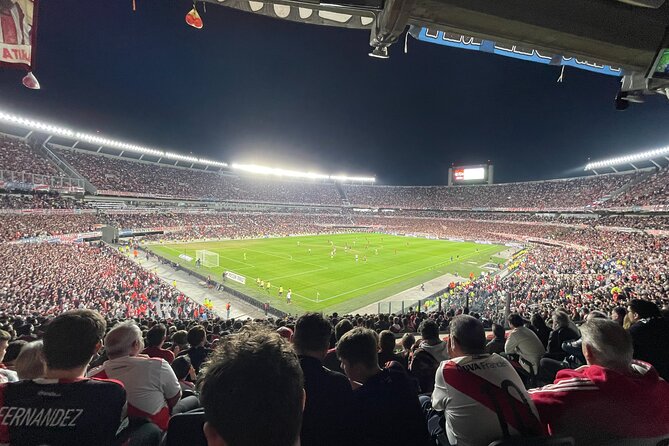
A big part of why this experience feels special is that it’s not only about the match. You also get short stops at major Buenos Aires stadiums tied to the clubs that define the city’s football identity.
Think of these as quick “this is what matters” moments—photo windows, street-level context, and just enough history to make the match make more sense. Each stop is timed at about 30 minutes, and admission is listed as free for the stadium viewpoints beyond the core ticketed entry.
Here’s how the venues help you understand the rivalry culture:
River Plate at Estadio Monumental (Monumental and 1978)
You’ll get a stop at Estadio Monumental de River Plate, often associated with Argentina’s 1978 World Cup success and with River Plate as one of the biggest names in the country. Even if your match night isn’t at the Monumental, it sets the tone for what “big club” looks like in Buenos Aires.
A note for expectations: this is a stadium visit, but it’s not the same as a full museum-style tour. You’re getting the fan context and the feel, then moving on.
Independiente at Libertadores de America (Rey de Copas)
Next up is Estadio Libertadores de America, linked to Independiente. The nickname Rey de Copas is part of why fans talk about this club with extra weight: it’s described as seven-time champion of America.
This kind of short history lesson is useful. When you’re later in the match environment, you’ll have something to attach to the chants and the pride—rather than just hearing noise and hoping it means something.

San Lorenzo at Pedro Bidegain (creative fans and Pope Francis)
At Estadio Pedro Bidegain, you’ll see San Lorenzo, described as the club known for the creativity of its fans and also for being the club of Pope Francis.
This is one of those details that lands well at the stadium. It reminds you that in Argentina, club identity isn’t only sports. It’s community, symbols, and stories passed around for generations.
Racing at Presidente Perón (the cheering never stops)
You’ll stop at Estadio Presidente Perón, tied to Racing. Here the highlight is fan behavior: the description notes that Racing supporters cheer for 90 minutes, regardless of result.
It’s a useful contrast to think about before the match. You can watch that mindset in real time once you’re seated.
Huracán at Tomás Adolfo Duco (tango and bohemian neighborhood)
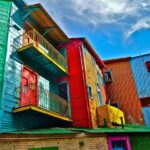
Then it’s Huracán at Tomás Adolfo Duco, described as a traditional club in a tango and bohemian neighborhood. That neighborhood identity matters. Buenos Aires clubs often carry the vibe of their districts.
If you’re the type who likes seeing how cities shape sports, these stops help you connect the dots fast.
Vélez at José Amalfitani (world champion and 1978 host)
Another stop is Estadio José Amalfitani, linked to Vélez. The tour describes Vélez as a world champion and export club, and also says the venue hosted the 1978 World Cup.
This is the kind of detail that makes stadiums feel less like random concrete boxes and more like stages used for major events.
Argentinos Juniors at Diego Armando Maradona (Maradona’s club)
Finally, you’ll reach Estadio Diego Armando Maradona, tied to Argentinos Juniors—the club where Maradona played. That name alone pulls people toward the sport’s deeper roots.
When you’re in the match, it helps to remember: Argentine football is talent development as much as it is star power. This stop gives you that context.
The match: what your guide helps you notice
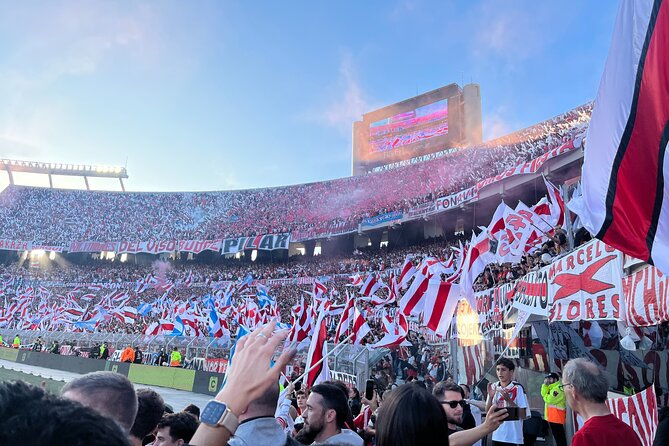
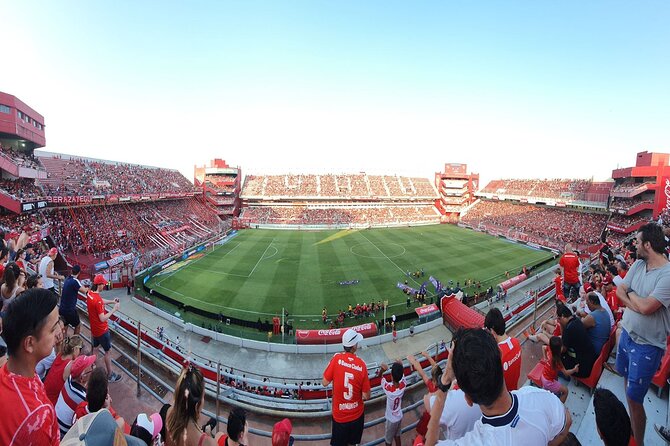
The whole point is the live football. Once you’re at the stadium, your guide helps you navigate entry and getting to your seats through the crowd. Then you settle in for one or more Buenos Aires first-division teams competing at a high level, with the stakes and energy you expect in Argentina.
During the match, you can plan on three things:
- You’ll be in a packed atmosphere where fans sing and chant for long stretches.
- You’ll see top-level athletic play—power, speed, and technique that looks almost unfair when it clicks.
- You’ll have time to understand the clubs and fan culture from your guide, who is there to connect the dots.
This is where the guide quality really shows. In the feedback, guides are praised for keeping groups together, explaining security expectations, and making people feel safe in a place that’s intimidating if you’ve never done it. Names that show up in the experience stories include Manuela, Gabi, Leandro, Andrés, Matteo, and Pablo—and the common thread is an organized, fan-focused approach.
If you want to sing along, you’ll likely get enough guidance to join in without feeling lost. Even when guides aren’t trying to force it, you’ll learn what matters and when.
Food and water: the included snack and what still costs extra
You’ll get bottled water included. The highlights also say there’s a snack included for a complete matchday.
In real stadium life, that’s still not the end of your spending. The match has stadium concessions, and those are typically own expense. Some guides also help with small snack needs in practical ways—one account describes the guide bringing cash to help cover snack purchases—so plan to have a little money just in case you want more than the basic included items.
If you’re traveling as a family, this matters. Kids get hungry fast, and having at least one snack covered means you can focus on the match instead of hunting for something halfway through.
Safety, security, and the rules that can surprise you
Argentina stadium security can be strict, and Buenos Aires has its own rhythm. The tour is designed around that reality, with guides who explain how to keep your possessions safe and how to handle the crowd.
A few rules you should treat as non-negotiable:
- You must present ID/passport at the stadium entrance.
- No professional cameras are allowed.
- No food or drinks can be brought into the stadium.
Then there’s the River Plate-specific twist. For the River Plate option, the tour notes that a passport is specifically required, and it also mentions Face ID registration to confirm attendance. The practical takeaway is simple: if you’re going for River Plate, do the paperwork steps early enough that you’re not panicking right before showtime.
In the best-case scenario, all of this is smooth because your guide is steering the process. In the worst-case scenario, strict documentation rules are where people get stuck. So treat that part seriously.
Transfers and timing: the value of not improvising
The biggest value of this tour isn’t only the match. It’s the fact that you don’t have to improvise transport in the middle of a crowd and a changing schedule.
You’re picked up at your hotel for the trip to the stadium area, then dropped back after the match. That door-to-door plan is especially helpful if you don’t want to fight transit lines while everyone else is also trying to get home.
You should also know that kickoff times and fixtures can change, and they’re confirmed the week before the game. The tour says that if the match date is rescheduled, you’ll be notified in advance.
That flexibility is normal in football everywhere, but it can affect your plans. One downside seen in feedback is that if a match gets reshuffled, ticket details can change. Even when the overall experience is still positive, you should expect that the final “where exactly you sit” might shift depending on what the league and stadium make possible.
Price and value: what $172 buys you in Buenos Aires
At $172 per person, you’re paying for more than a seat. You’re paying for a package: bilingual guide, transfers, an entrance ticket, and bottled water plus a snack. And you get a group size capped at 15, which helps with coordination.
So the value question becomes: would you otherwise spend money on separate tickets, separate transport, and extra time figuring things out? If yes, the package starts to make sense.
Still, it’s fair to recognize the main criticism that shows up: some people feel the overall price is high compared to what’s included inside the stadium (like limited included food/drink). That’s the tradeoff. You’re mostly buying logistics, local context, and stress-free entry, not a feast.
If you’re the type who plans to eat big at concessions anyway, the snack-water bundle is just a starter. If you prefer to keep costs controlled, it’s useful—just don’t expect a full meal included.
Who this tour suits best
This is a great fit if you want:
- a first match in Buenos Aires and you’d rather not tackle stadium logistics alone,
- a bilingual guide who can explain fan culture and security expectations,
- a structured 4-hour night that starts with pickup and ends back at your central hotel.
It’s also a good choice for couples and families, since guide support and group coordination help people feel safe and settled. That said, if you’re picky about guaranteeing a very specific stadium or ticket type no matter what, you should be aware that football fixtures can change and match arrangements can shift.
Should you book this Buenos Aires matchday experience?
If your main goal is to actually get into a Buenos Aires stadium and feel the match-day culture, I’d say yes, book it. The combination of hotel transfers, ticket handling, and a guide who can translate the experience is exactly what makes a first visit feel doable.
I’d hesitate only if:
- you’re relying on River Plate without having your passport and completing the Face ID registration properly,
- you’re uncomfortable with the idea of fixture changes and potential ticket adjustments if the match schedule shifts,
- you’re expecting a big included meal rather than a snack and water with concessions at your expense.
Bottom line: if you want a smooth, well-run night of Argentine football without spending your evening figuring out gates and transport, this is a strong option.
FAQ
Where does the tour meet?
You meet at Defensa 831, C1065 Cdad. Autónoma de Buenos Aires, Argentina.
How long is the experience?
It runs about 4 hours (approx.).
What’s included in the price?
The tour includes a bilingual guide, an entrance ticket, transfers to the stadium, and bottled water.
Is food included?
A snack is included for the matchday experience. Additional food and/or drinks are not included.
Do I need ID to enter the stadium?
Yes. You must present your ID or Passport or Drivers License to enter the stadium. For River Plate, a passport is required and foreign ID cards are not accepted.
Are match dates and kickoff times fixed?
No. Kickoff times and fixtures can change, and they’re confirmed the week before the game. If the selected match date is rescheduled, you’ll be notified in advance.
Are cameras or outside food allowed?
You can’t enter with food or drinks, and professional cameras are not allowed.
How many people are in the group?
The tour has a maximum of 15 travelers.
Can I cancel?
Yes. You can cancel for a full refund if you cancel at least 24 hours before the experience’s start time. Free cancellation is available up to that point.