REVIEW · BUENOS AIRES
Private Street Art Tour in Buenos Aires
Book on GetYourGuide →Operated by Guydeez · Bookable on GetYourGuide
Buenos Aires murals talk back. This private street art tour in the city’s neighborhoods lets you read the streets like a local, with a guide steering the walk and your interests shaping the route.
I really like two things here: the way your guide ties what you see to the wider Argentine setting, and the flexibility of a custom walking route that can focus on the walls, the area, or the ideas behind the art. In Palermo, that mix works especially well.
One drawback to plan for: since it’s mainly on foot, you’ll get the most from it if you enjoy street-level wandering. If you want a strict, checklist-style stop order, the pacing may feel a bit freer than you expect.
In This Review
- Key things I’d focus on before you go
- Palermo street art: why the city’s walls feel like culture
- How this private format works in the real world
- Your 3-hour walk: what you’ll actually be doing
- Stop type 1: Murals on building facades
- Stop type 2: Graffiti and small-format work in alleyways
- Stop type 3: Street installations in public spaces
- Wrap-up: recommendations you can use that same day
- What the guides add: stories that make art click
- Customization: how to make the tour match your taste
- Price and value: does $53 make sense for a 3-hour private tour?
- Practical planning: pace, language, and comfort
- Tips to get more than a photo: how I’d work with your guide
- Should you book this private street art tour in Buenos Aires?
- FAQ
- How long is the Private Street Art Tour in Buenos Aires?
- Is the tour private or shared?
- What languages are available for the live guide?
- Does the tour include transportation?
- What kinds of street art will we see?
- Is the tour wheelchair accessible?
Key things I’d focus on before you go
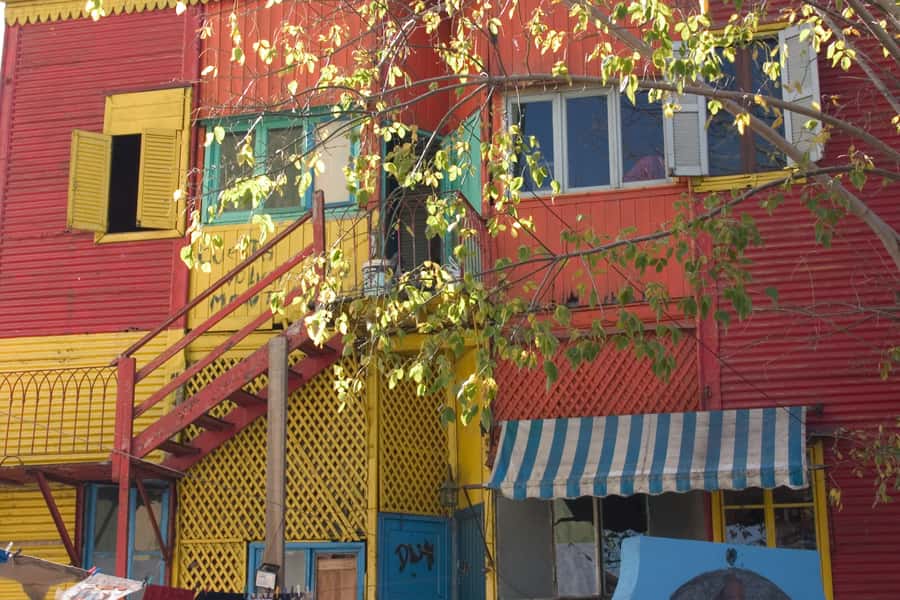
- Private and customizable: you set the tone, and your guide adjusts the route as you walk
- Palermo street art focus: guides like Emiliano often frame what you see through Palermo’s scene
- Murals, graffiti, and installations: you’re not stuck with one style of street art
- Multilingual, live guide: Spanish, English, French, and Italian are offered
- Hotel pickup if you’re in the city: easier start when you’re staying nearby
- Extra help beyond the walk: the team can help book tickets for other stops you want
Palermo street art: why the city’s walls feel like culture
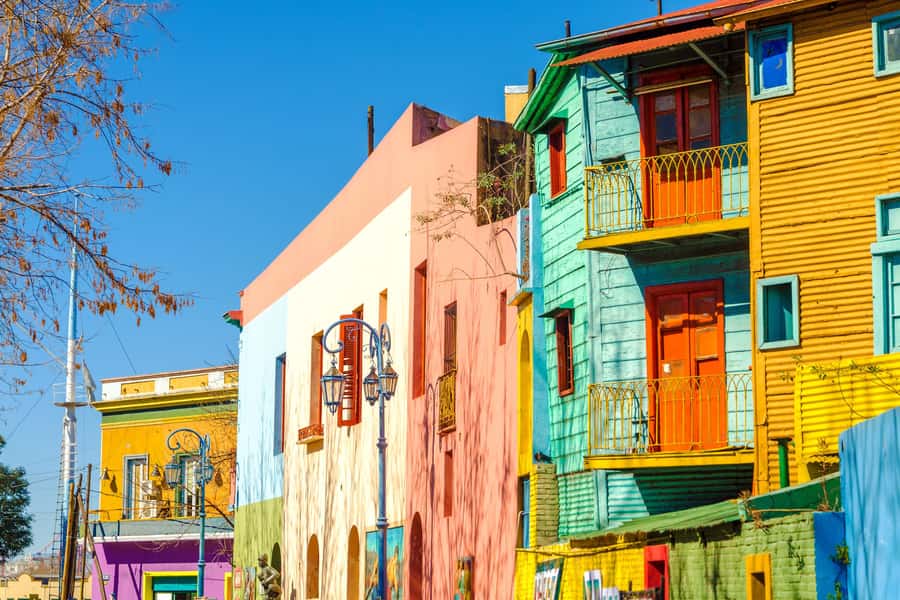
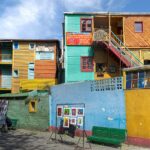
Buenos Aires has a way of turning ordinary streets into a conversation. On this tour, I like that the focus stays on real street art you can see and interpret right where it lives: murals on building faces, graffiti in alleyways, and installations in public spaces. You’re not just looking at images from a distance—you’re seeing how the art interacts with daily life in the neighborhood.
Palermo comes up again and again in this kind of experience, and that makes sense. It’s an area where you’ll often find walls layered with different eras and artistic moods. One review specifically praised a tour that connected the art you see to the wider story of Palermo. That’s the sweet spot: street art becomes more than decoration when someone helps you connect the dots—style, timing, and local culture.
Just keep in mind what you’re signing up for. This isn’t a gallery tour with labels, lighting, and a quiet room. You’re walking streets, reading texture and scale, and learning from a guide who points out what you might otherwise overlook.
You can also read our reviews of more private tours in Buenos Aires

How this private format works in the real world
This is a private group tour, not a big bus-style experience. Practically, that means your guide can slow down for the bits you care about and move faster through what you don’t. If you’re the type who wants to ask follow-up questions—how a mural was interpreted, why an artist uses a certain symbol, how the neighborhood context shapes what you see—this format makes that easy.
You also get the option of meeting at your accommodation if you’re staying in the city. That sounds small, but it really matters in Buenos Aires, where a lot of sightseeing involves navigating neighborhood blocks and figuring out how you’ll connect to your next place. Having someone meet you where you already are cuts friction from the start.
Another practical piece: this is a walking tour with public transport included when needed, except if you choose one of the options that changes transport. So you should expect a mix—mostly walking, with occasional transit to bridge between areas efficiently.
Your 3-hour walk: what you’ll actually be doing
The tour runs for 3 hours, and that time is used on a focused street-art route rather than long transfers. While the exact streets can be tailored to you, the art types are clear, and that helps you picture the experience.
Stop type 1: Murals on building facades
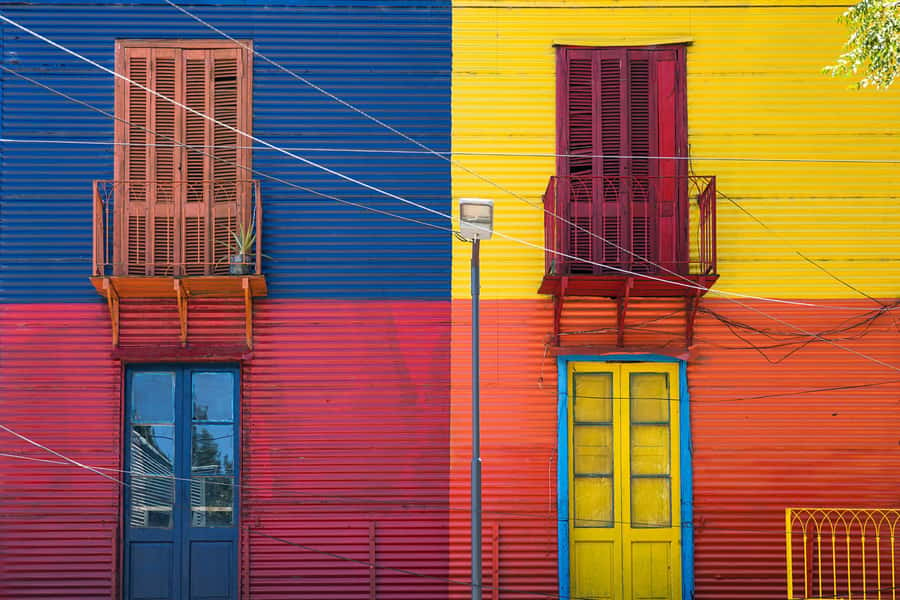
You’ll start building your visual vocabulary with large-scale murals on building exteriors. These are often easier to read at street level because the scale gives context. Your guide can point out details—style shifts, recurring themes, and how the artwork interacts with the architecture around it.
Stop type 2: Graffiti and small-format work in alleyways
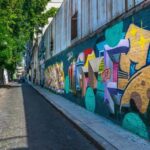
Then you shift to the tighter spaces: alleyways and corners where graffiti tends to be more personal, more layered, and sometimes more about attitude and immediacy than polished composition. This is where a local guide helps the most. A quick comment about the mindset behind a tag or the message behind a layered wall can change how you see it instantly.
You can also read our reviews of more tours and experiences in Buenos Aires
Stop type 3: Street installations in public spaces
As you move toward public areas, you’ll encounter street installations and art that often feels less like a single image and more like a statement placed in a real-life setting. These sections can be especially fun if you like art that interacts with the street rhythm—what people pass, pause, photograph, and ignore.
Wrap-up: recommendations you can use that same day
A lot of the value shows up at the end. One review highlighted that Emiliano didn’t just talk street art—he also shared food, culture, history, and even politics, football, and music in a way that felt natural. You’ll likely leave with suggestions for other sights and places to eat, which is great because you can turn the tour into a plan for the rest of your Buenos Aires days.
What the guides add: stories that make art click
The street art itself is the main event, but the guide is what turns photos into understanding.
Two guide examples from recent bookings stood out for different reasons. Emiliano was praised for being fun, engaging, and especially strong on art history context, with English described as excellent and easy to follow. Maria Laura was noted for showing the best frescos and teaching visitors about Argentine history in a way that felt friendly and direct.
So what does that mean for you? It means you’re likely to hear explanations that connect street art to:
- local identity and neighborhood culture
- how styles and themes reflect changing social moods
- how artists build meaning using color, symbols, and placement
Even if you’re not an art-history person, you can still get a lot out of this. Street art often communicates fast: tone, protest, humor, nostalgia, or survival themes. When your guide gives you a framework, you stop treating every mural like a random poster and start treating it like a message you can read.
Customization: how to make the tour match your taste
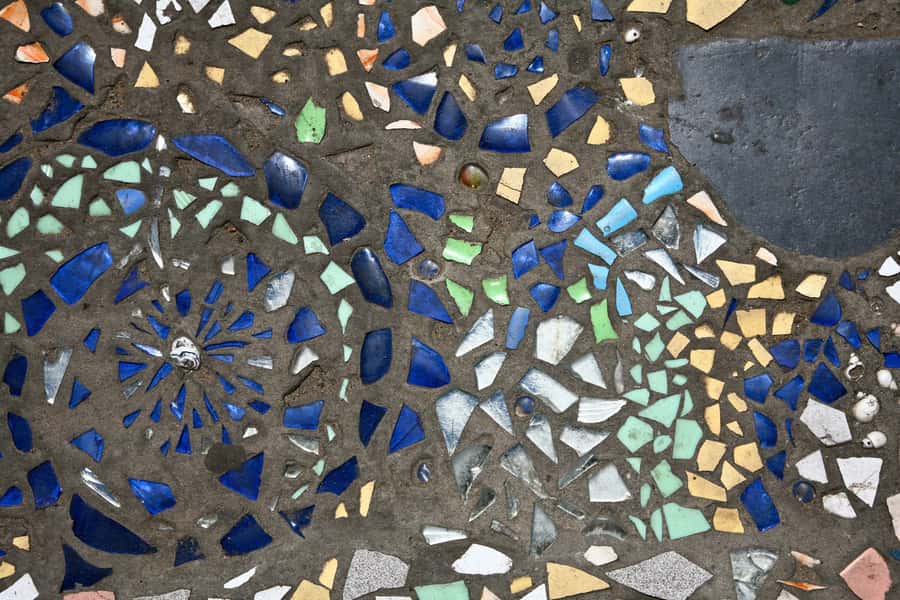
This tour is built to be customizable, and that’s a major reason it gets such strong ratings. You’re not locked into one fixed route that assumes you care about the same things every time.
A smart way to use customization is to decide what kind of listener you are. For example:
- If you like art as storytelling, ask for emphasis on murals with clear narrative or historical references.
- If you love the texture of street writing, ask to spend more time on alleyway graffiti and layered walls.
- If you prefer modern public statements, ask the guide to prioritize installations and how street art sits inside everyday routes.
Also, customization isn’t only about where you walk. It affects what you talk about while you walk. In one review, the guide turned the conversation into a broader Buenos Aires crash course—food, culture, history, politics, football, and music—so the art stayed connected to the lived city.
One balanced note: one booking rated the experience lower because it didn’t feel tightly focused on major destination points. That doesn’t mean it’s chaotic; it just suggests that if you want a more structured, headline-by-headline route, you should communicate that early so your guide can steer the walk accordingly.
Price and value: does $53 make sense for a 3-hour private tour?
At $53 per person for a 3-hour private walk, this is priced like a focused experience rather than a budget group event. For value, I look at three things: time, guide input, and what you can do with the information afterward.
Here’s the practical value case:
- You’re paying for guidance, not just for someone to point at art. Multiple reviews praised the guides for history context and for being engaging and thoughtful.
- You’re getting a local lens through a guide who knows the area and can tailor what you see to your interests.
- You’re walking with efficiency: hotel pickup if you’re in-city, plus walking and public transport when needed.
Also, included “help from our team to book the tickets for the desired visits” can add value if you’re building an itinerary and want help converting ideas into actual bookings.
The main cost consideration is the obvious one: it’s a private walking tour, so you should plan to truly use the 3 hours. If you’re too tired for active sightseeing or you only want a few quick photos, you may not feel the value as strongly.
Practical planning: pace, language, and comfort
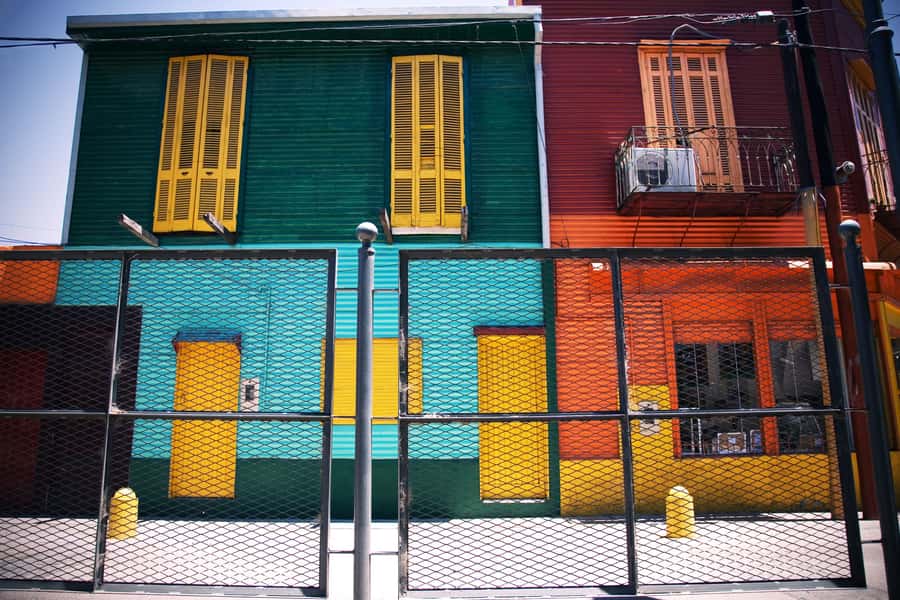
This tour runs with a live guide in Spanish, English, French, or Italian. That matters more than people think. When your guide can explain both art and context in a language you’re comfortable with, you’ll get more out of the details and you’ll enjoy the conversation instead of translating in your head.
It’s also described as wheelchair accessible, which is important if you want street art but need routes that can work for mobility limitations. Since the tour is a walking experience, confirm the exact on-the-ground setup with the operator when you book, especially if you use a wheelchair and need smoother surfaces.
As for comfort: bring shoes you can handle for a solid 3 hours of walking. Even if public transport is used at points, you’re still moving through the city streets and looking closely at murals and walls. A small thing that makes a big difference: bring a fully charged phone or camera, and keep space for slow moments where you’ll want to stop and take a close look.
Tips to get more than a photo: how I’d work with your guide
If you want your guide to steer you toward the best experience, come with a few question types ready. You don’t need to be an art critic. Just show interest.
Here are the kinds of questions that usually pay off on this kind of tour:
- Which murals are most connected to Palermo’s identity, and why?
- How does the artwork reflect broader Argentine life (culture, history, politics, sports)?
- Are there recurring symbols or color choices that help tie different pieces together?
- Which parts of the walk are best for photos, and which are best for understanding?
And here’s a simple mindset shift: don’t rush your eyes. Street art can be layered. One quick explanation can help you notice the next layer, the next meaning, and suddenly the wall stops being background.
Finally, use the wrap-up suggestions. If your guide offers places to eat or other sights to pair with the walk, say yes. A good street-art guide in Buenos Aires often has a feel for what fits together on the same day.
Should you book this private street art tour in Buenos Aires?
I’d book it if you want street art with context and conversation—not just a photo stop. The strongest reasons are the private format, the ability to customize, and the guide-driven storytelling. Reviews with guides like Emiliano and Maria Laura point to excellent communication and history-and-culture explanations, plus useful local recommendations afterward.
I’d think twice if you prefer a rigid itinerary with major fixed landmarks, or if you want a mostly passive experience. Since it’s a 3-hour walking tour, it rewards curiosity and comfort with street-level exploring.
If your goal is to understand Buenos Aires through its walls—especially through Palermo-style street art—this is a solid way to spend a few hours with a guide who can make the art legible. You’ll probably leave with more than images; you’ll leave with a way to read the city.
FAQ
How long is the Private Street Art Tour in Buenos Aires?
It lasts 3 hours.
Is the tour private or shared?
It is a private group.
What languages are available for the live guide?
The live guide is available in Spanish, English, French, and Italian.
Does the tour include transportation?
Hotel pickup is included if your accommodation is in the city. The experience is a walking tour, and public transport is included except if you select one of the options that changes transport.
What kinds of street art will we see?
You’ll see murals, graffiti, and street installations across building facades, alleyways, and public spaces.
Is the tour wheelchair accessible?
Yes, the tour is wheelchair accessible.