REVIEW · BUENOS AIRES
City Bike Tour in Palermo and Recoleta
Book on GetYourGuide →Operated by Gray Line Argentina · Bookable on GetYourGuide
Buenos Aires looks different at bike speed. You get an easy ride through Recoleta and the green spaces of Palermo, with big sights in a short 4 hours. I especially liked combining the cemetery stop with the outdoor time in Bosques de Palermo, including the Rosedal. The main thing to think about is that this ride is rated easy but still covers 13.4 km, and it is not suitable for kids under 16.
You’ll pedal (or use an e-bike) with a bilingual guide in Spanish and English, and the route is built to keep you moving without feeling rushed. You’ll start at Chile 1145, roll past iconic streets and viewpoints, then finish at Plaza de los dos Congresos near Argentina’s national legislature building. If you’re heat-sensitive, plan for sun and bring water, since the tour is mostly outdoors.
Key points to know before you go
- Recoleta Cemetery at bike-touring pace: you’ll have time to walk around and spot the different architecture and artwork
- Bosques de Palermo and the Rosedal: greenery and a lake setting with photo-worthy rose gardens
- Easy ride, steady sightseeing: 13.4 km over 4 hours, designed for comfort rather than athletic goals
- Bilingual guides (Spanish and English): named guides like Leila and Shanti are known for making it fun and clear
- Helmet + insurance included: practical extras that keep the experience smooth
- Stops are connected by key avenues: Avenida del Libertador sets the tone before you reach Recoleta
In This Review
- The payoff: why Palermo and Recoleta work so well on two wheels
- Starting at Chile 1145: getting oriented fast
- Plaza San Martín: the “gateway” moment for northern Buenos Aires
- Avenida del Libertador: riding a historic promenade-style avenue
- Recoleta: the cemetery stop that people come for
- Bosques de Palermo: the park break that changes the whole mood
- The ride back: Barrio Norte, Palermo, and downtown connections
- Plaza de los dos Congresos: the final landmark near the Chamber of Deputies
- Bike or e-bike: which one fits your style?
- Guides and the vibe: why names like Leila and Shanti matter
- Value check: $50 for 4 hours of iconic stops
- What to bring and how to plan your day
- Who this tour is best for (and who should pass)
- Should you book this City Bike Tour in Palermo and Recoleta?
The payoff: why Palermo and Recoleta work so well on two wheels
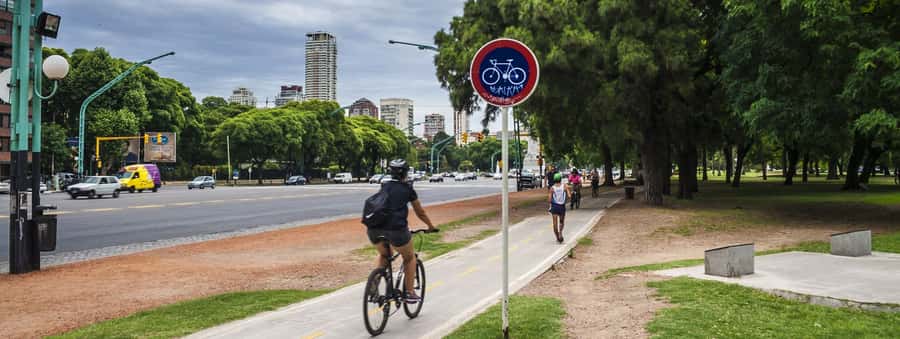
I like bike tours most when they do two jobs at once: you get transportation that feels natural, and you get sightseeing that you can’t easily stitch together on your own without lots of backtracking. This one nails that. You move between neighborhoods that are close on the map but far in “how it feels,” and you do it with a route that’s paced for a relaxed, scenic experience rather than a sprint.
What makes this route click is the contrast. Recoleta gives you a serious, iconic landmark experience, especially at the cemetery. Then you pivot to parks in Palermo, where the air changes and the scenery turns more open. It’s a nice mix for a half-day, and it helps you understand Buenos Aires as more than a list of famous photos.
You also have flexibility built in. You can explore by bike or e-bike, and either way you get the same rhythm of stops along the way. That matters because Buenos Aires has its own pace and traffic energy, and having an assisted option can make the ride feel smoother, especially if you’re not used to long city cycling.
Starting at Chile 1145: getting oriented fast
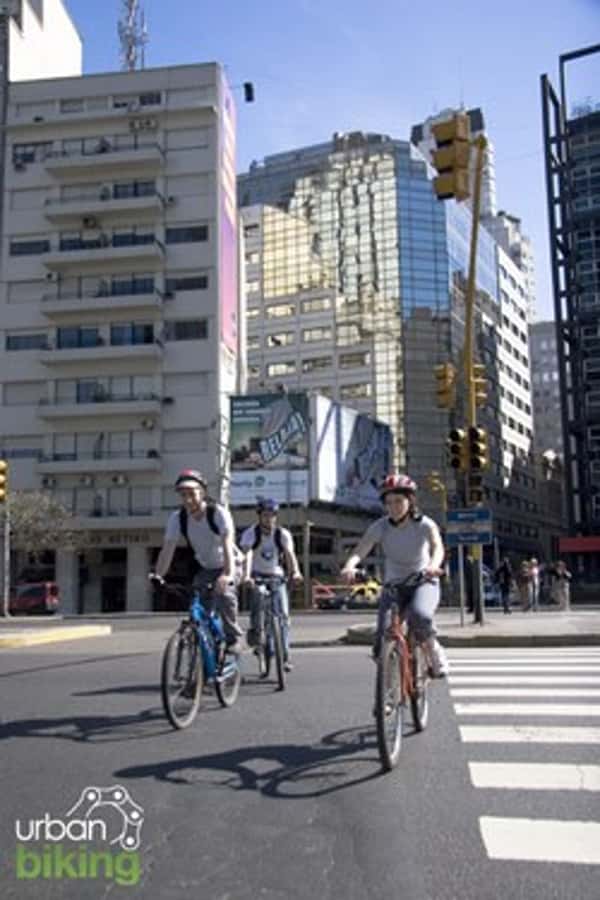
The tour starts at Chile 1145, and that’s a big part of why it feels easy to join. You’re not scrambling across town to meet in an obscure location. From there, the route heads toward major parks and elegant northern streets, so you spend your first minutes finding your footing rather than negotiating a complicated transit puzzle.
One practical note: meeting details can sometimes shift for operational reasons, and at least one rider reported confusion around start time and address timing. The best move is to double-check your confirmation message before you go, so you arrive at the right place at the right moment.
You can also read our reviews of more cycling tours in Buenos Aires
Plaza San Martín: the “gateway” moment for northern Buenos Aires
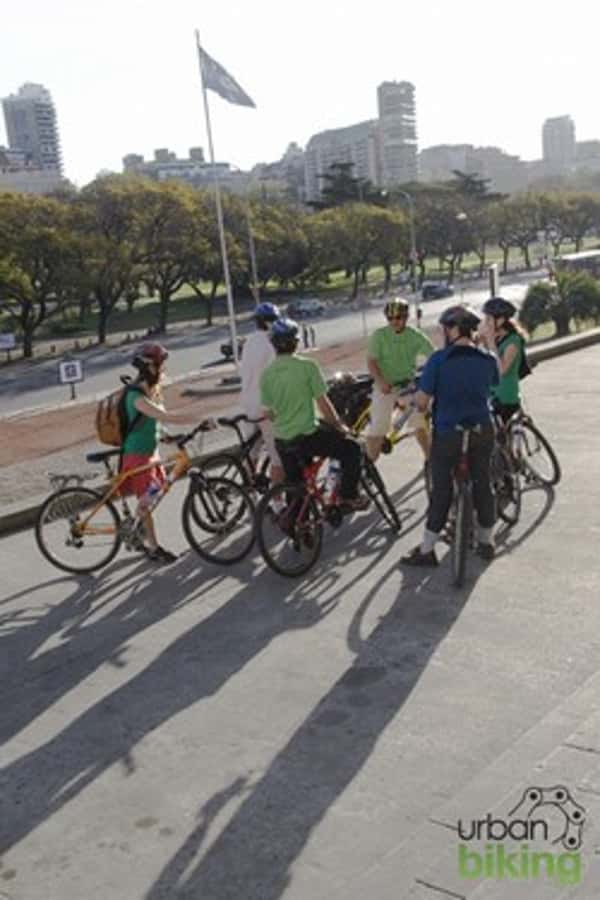
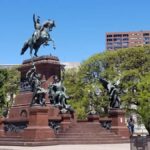
Your first major stop is Plaza San Martín, a key park in the history of Buenos Aires. Even if you don’t know the details yet, it’s a strong orientation point because it connects you to the city’s more formal, northern character. This is where the tour’s logic becomes clear: you’re not just moving from place to place; you’re tracing a story of how the city stretches out.
Here’s why you’ll like it: it sets the baseline for what’s coming next. You’re primed for wider avenues, grander architecture, and the calmer visual feel of neighborhoods like Recoleta and Barrio Norte. If you’re arriving in Buenos Aires for the first time, this early stop helps you get your bearings fast.
There’s also a small but real advantage to doing this at the start: the first stop gives you a chance to settle in before the ride gets more scenic and more photogenic.
Avenida del Libertador: riding a historic promenade-style avenue
After Plaza San Martín, you head along Avenida del Libertador, which used to function as the city’s first coastal promenade. That detail matters because it hints at why the avenue feels like more than just a road. It’s a corridor that shaped views, movement, and prestige as the city grew.
On a bike, you notice the feel of the avenue differently than you would in a bus or car. You’re close to the architecture and trees, and you can take in the “in-between” scenes that often disappear from standard walking routes. It’s one of those segments that turns travel time into sightseeing time.
Possible drawback? City cycling means you’ll spend some time in traffic-flow reality. The ride is rated easy and the day is structured to be comfortable, but you should still expect a bit of stopping-and-starting as you transition between areas.
Recoleta: the cemetery stop that people come for
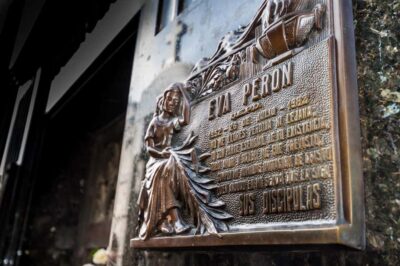
You’ll reach Recoleta, a neighborhood known for its layered past and for its standout landmark: the cemetery in the former farmhouse complex. This is one of the most famous cemeteries in the world, and the tour stop is built around that recognition. You won’t just see it from outside—you’ll have a short walk experience where the details do the work.
What makes the cemetery stop memorable is the variety you can spot up close: different architectural styles, statues, and stained-glass windows. Those are the kind of visual details that are hard to appreciate from a distant view or a quick photo. On a bike tour, you have just enough time to walk and look without feeling trapped in one single location all afternoon.
This is also where the history becomes personal in a visual way. People like to mention notable figures associated with the cemetery—former presidents, Nobel Prize winners, and Evita are all part of the story. Even if you’re not a history expert, the overall effect lands because it’s so tangible. You see how Buenos Aires remembers its prominent names.
One more tip if you’re doing this in hot weather: wear light clothing and plan to protect your face and eyes. The route includes outdoor segments beyond the cemetery, and sun can sneak up on you.
Bosques de Palermo: the park break that changes the whole mood
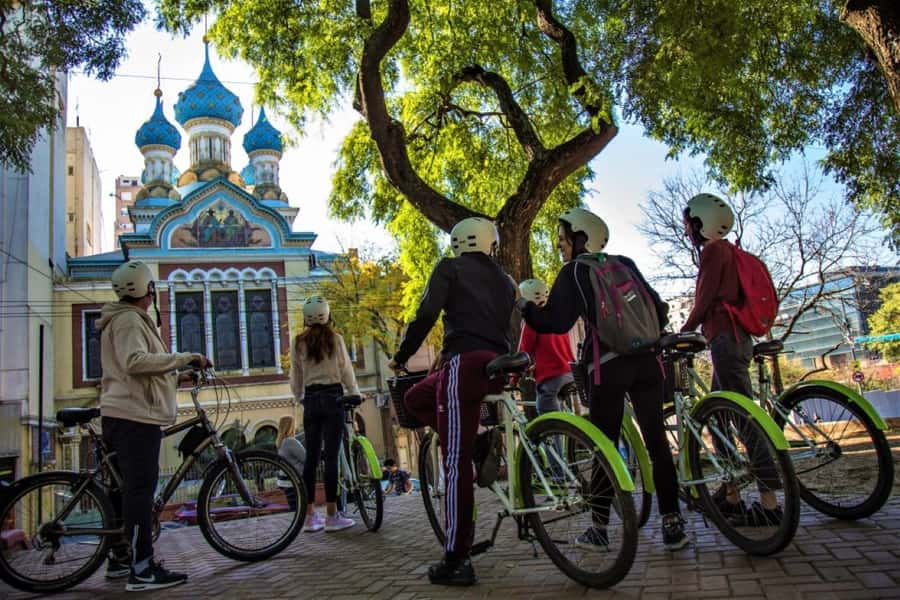
Next comes Bosques de Palermo, and this is the moment the tour becomes noticeably more outdoorsy. The park is known for its greenery and a lagoon, and it’s also a natural reset after Recoleta. If you’re the type who wants city sights but also wants breathing space, this stop is your payoff.
You’ll find the Rose Garden (Rosedal) inside the park, with thousands of roses and a lake backdrop that works extremely well for photos. Even if your camera roll is already full, you’ll probably want at least a few new shots here because the setting looks like a proper destination rather than a random city park.
Why this portion is valuable: it gives you a chance to slow down and enjoy Buenos Aires as a living outdoors city. On many sightseeing days, everything is pavement and monuments. Here, the tour gives you a greener, softer experience that helps you feel refreshed before heading back.
You can also read our reviews of more city tours in Buenos Aires
The ride back: Barrio Norte, Palermo, and downtown connections

On the return, you’ll pass through Barrio Norte, Palermo, and then toward downtown. The tour becomes interurban in this segment, meaning you’re traveling between zones instead of lingering at every corner.
I like this part because it turns the day into a loop you can mentally map. You start in one area, see the classic north-adjacent neighborhoods, and then watch the scenery transition back toward the city core. It’s useful if you want to plan the rest of your trip afterward, because you’ll understand where these places sit relative to each other.
If you’re someone who prefers long scenic rides without many breaks, you might find this return segment less “stop-and-stare” than the cemetery and the park. Still, it’s a practical way to connect neighborhoods without wasting time.
Plaza de los dos Congresos: the final landmark near the Chamber of Deputies
The tour ends at Plaza de los dos Congresos, where you’ll see the imposing building that houses the Chamber of Deputies. This finale works because it ties your ride back to national symbolism. You’re finishing not at another park bench, but at a civic anchor point that feels like a clear end to the route.
It’s a smart way to close the loop. After all the walking and garden viewing, you get one last big visual moment. And you still have the energy to head out afterward since the ride is structured to keep the end practical rather than dragging the tour much longer.
There’s also a nice detail about pacing: you’ll have about five minutes of pedaling left to get back to the venue, so it feels like an organized wrap rather than an open-ended ride.
Bike or e-bike: which one fits your style?
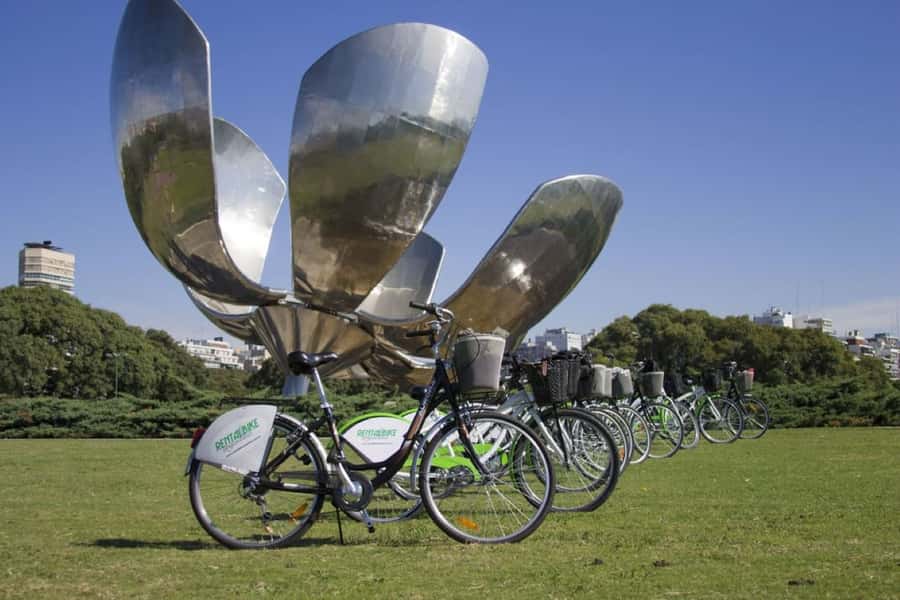
You can do this tour on a bike or an e-bike, and that choice can change how the day feels.
- If you’re comfortable cycling in cities, the regular bike option can feel like the most “hands-on” way to experience Buenos Aires street life.
- If you want to arrive with energy for sightseeing walks, or you’re not used to longer city rides, an e-bike can make the route more relaxed while still giving you the same destinations.
Since the difficulty is listed as easy, either option should be manageable for most adults who can ride and handle city conditions. Just remember the route covers 13.4 km, so bring water and plan for sun.
Guides and the vibe: why names like Leila and Shanti matter
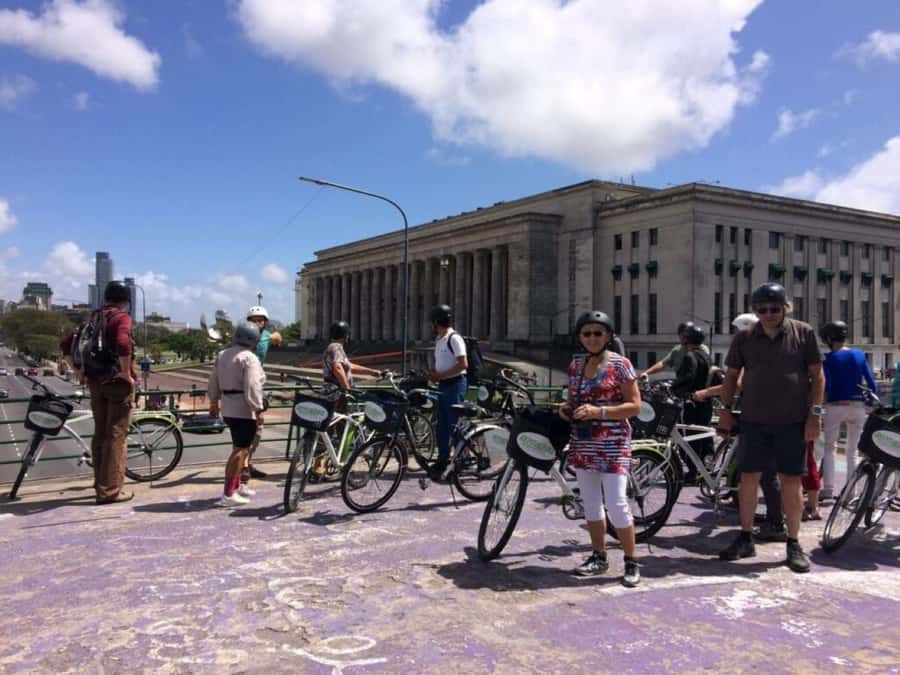
A big part of why this tour earns strong marks is the way guides handle pacing and explanations. Guides like Leila (sometimes listed as Leii) and Shanti are mentioned for making the visit fun and interesting. That’s not just a personality bonus. A good bilingual guide helps you connect what you’re seeing to why it matters, especially around the cemetery where details can be easy to miss if you’re rushing.
You should expect bilingual guiding in Spanish and English throughout, and you’ll feel the structure of the day: stops have a purpose, and you’re not left guessing where to look next. If you’ve ever done a self-guided day and realized you missed the best bits, a guide-led format like this can be a real time-saver.
Value check: $50 for 4 hours of iconic stops
At $50 per person, the value comes from what’s included and how much ground you cover.
You get:
- Bike or e-bike rental
- Helmet rental
- Bilingual guide (Spanish and English)
- Insurance coverage
What you don’t get includes food and drinks, and there’s no hotel pickup or drop-off. That means you’ll need to handle your own snack plan and get yourself to the meeting point. But the trade-off is you’re paying for the ride, the equipment, the guide time, and the built-in route logic.
For me, the best value question is simple: does it replace a mess of individual tickets and transit time? Here, you’re bundling multiple high-demand sights—Recoleta cemetery and the Palermo park area—into one easy, guided loop. That’s exactly where $50 starts to make sense.
What to bring and how to plan your day
This tour is rated easy, but you’ll still want to prepare like it’s a real outdoor morning or afternoon.
Bring:
- Water
Also consider:
- Light clothing for sun
- Sunscreen and sunglasses, since a lot of the day is outdoors
- A mindset that you’ll walk a short distance at the cemetery and look around before moving on
If you tend to run cold or don’t like glare, Buenos Aires weather can surprise you. The route is built for comfort, but protection from sun is still your responsibility.
Who this tour is best for (and who should pass)
This is a great fit if you want a structured way to see Palermo and Recoleta without spending your day in transit. It’s also a strong choice if you like scenery variety: cemetery details, then park greenery, then a civic landmark finish.
It’s not for kids under 16. The tour is also designed for people who can ride a bike for the equivalent of 13.4 km over a 4-hour window, even if it’s easy.
If you hate the idea of cycling through city streets at all, you might prefer a walking-only or bus-based format. But if you’re comfortable on two wheels, this route is a smart way to see more than you’d get on foot alone.
Should you book this City Bike Tour in Palermo and Recoleta?
Book it if you want an easy Buenos Aires bike experience that hits two major areas in one go. The combo of Recoleta cemetery and Bosques de Palermo with the Rosedal is exactly the kind of mix that makes a half-day tour worth it. With bike/e-bike options, included helmet rental, and a bilingual guide, it’s built for travelers who want both efficiency and atmosphere.
Skip it if you’re traveling with children under 16, or if you don’t want to spend time cycling at all. Also, if meeting-time/address details are stressful for you, do a quick check of your confirmation before you leave—some riders have noted confusion around scheduling changes.
If you’re an adult who wants a practical, scenic loop through iconic Buenos Aires neighborhoods, this one is a strong yes.