REVIEW · BUENOS AIRES
Buenos Aires Gastronomic Immersion Tour
Book on Viator →Operated by Experience Baires LLC · Bookable on Viator
Food in Buenos Aires hits different at night. This 3.5-hour food-and-walking tour takes you through classic spots and iconic bites, with a private guide keeping things moving and explain-y without turning it into a lecture. If you have a serious allergy or pork restriction, do extra confirmation up front—some travelers have run into menu timing or ingredient mismatches.
I love that the plan balances the fun stuff (tasting, markets, grilled meat, dessert) with context: how Argentinian flavors formed, and why certain dishes show up again and again. One caution: this is a shared-table style experience, so expect some social seating with strangers in at least parts of the meal.
In This Review
- Key points before you go
- The appeal: why this Buenos Aires food tour works
- Price and what you’re really paying for
- Timing and the evening flow: walking without feeling rushed
- Stop 1: Carlos Calvo and your traditional picada opener
- Stop 2: Bolívar 970 and the empanada moment
- Stop 3: a traditional parrilla dinner built around grilled beef
- Dessert and the final mood: finishing on a sweet note
- Drinks and included tastings: what you’ll likely have
- The guide factor: private attention without the lecture vibe
- Group size (max 30): social, but not chaotic
- Accessibility and practical comfort: plan your night
- Important consideration: allergies, pork restrictions, and confirmation
- The value question: who this tour fits best
- Should you book this Buenos Aires gastronomic tour?
- FAQ
- How long is the Buenos Aires gastronomic immersion tour?
- How much does the tour cost per person?
- What’s included in the food and drinks?
- Are there admission tickets required for the stops?
- Where do I start and end the tour?
- Is private transportation included?
- Is this tour limited to a certain group size?
- What happens if the weather is poor?
- Can I get a full refund if I cancel?
Key points before you go
- Classic picada start in Carlos Calvo: a traditional way to ease into the night with a drink and small plates
- Bolívar 970 empanadas in an iconic market: the kind of stop where you’ll understand why locals talk about pastry filling
- Parrilla dinner built around grilled beef: two hours of the steak-house rhythm, sides included
- Alcohol included: aperitifs plus wine, with water/soda for breaks
- Small-group feel (max 30): enough people for energy, not so many you disappear
The appeal: why this Buenos Aires food tour works
Buenos Aires is one of those cities where food isn’t just dinner—it’s the schedule. You’ll start in a neighborhood bar atmosphere, shift to a market bite, then land in a proper parrilla setup where the whole evening feels like it has a beat.
This tour is built for people who want more than a checklist of dishes. You get the story behind Argentinian cuisine—its influences and the way ingredients and technique made it into everyday meals. And because it’s a walking-and-tasting format, the food feels tied to the streets you’re actually on, not just a restaurant stop.
Best of all, the private guide format matters. You can ask questions, and you’re not stuck with canned explanations. In the past, guides like Fran and Jorge have been described as friendly and chatty, while Stephanie has been tied to a more structured, answer-when-asked approach. Either way, what you want is pacing—and this tour is clearly designed to keep you tasting while you learn.
You can also read our reviews of more tours and experiences in Buenos Aires.

Price and what you’re really paying for
At $113.52 per person for about 3.5 hours, the price looks reasonable only if you use what’s included. You’re not just paying for a couple of snacks. The food plan includes an Argentine-style menu for dinner, plus aperitifs and drinks (including wine), and additional tasting snacks along the way.
Also, you’re not buying your own entrance tickets—stops are marked as free for admission in the tour details. The missing piece is private transportation, which means you should expect to handle getting yourself to the start point and getting back at the end. For many people, that’s fine, because the tour is designed for an easy evening walk between neighborhoods.
If you tend to spend extra in Buenos Aires on drinks and a steak dinner, this can be a good deal. If you’re a light eater or you don’t drink, it may feel pricey—so be honest with yourself about how much you’ll actually eat.
Timing and the evening flow: walking without feeling rushed
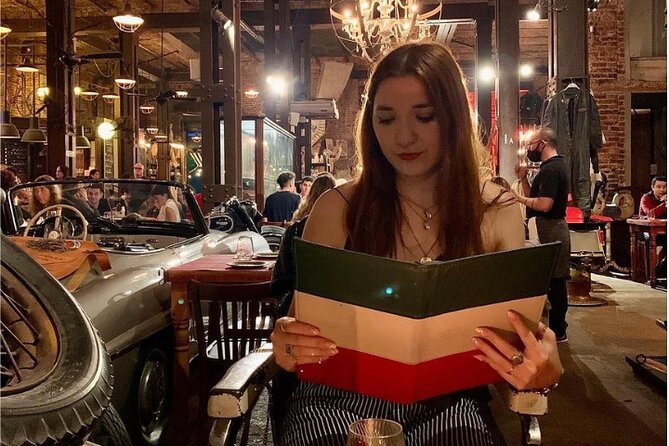
The tour runs for roughly 3 hours 30 minutes. It’s planned like a real evening out: you ease in, snack your way through markets and bar food, then settle into grilled-meat dinner time.
Even so, the schedule is a schedule. One negative experience noted a dessert stop that wasn’t ready and the group being rushed to finish. That’s the one “be realistic” part: if you’re picky about pacing, you may want to keep your expectations flexible and let the night stay what it is—a tasting route.
For comfort, wear shoes you can walk in. Also, plan to arrive early enough to start on time at the meeting point—late arrivals can cause the whole group’s flow to get awkward fast.
Stop 1: Carlos Calvo and your traditional picada opener
You begin at El Federal Bar (Carlos Calvo 599). This is a historic Buenos Aires bar start, and the first taste is a traditional Argentine picada. Think: small plates designed for sharing, meant to go with your first round of drinks.
Why this matters: picada is a Buenos Aires “welcome dish.” It’s not one big plated entrée that instantly locks you into a formal meal. It’s snack culture—meat-and-cheese style bites, plus the kind of bar energy that helps you start chatting and getting oriented.
This is also where the tour’s tone becomes clear. The guide talks while you eat. People share dishes. And you’re doing it in a place that feels like the city itself, not a food theme set.
Stop 2: Bolívar 970 and the empanada moment
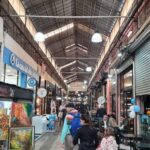
Next you head to Bolívar 970, described as one of the city’s most iconic markets. Here, you enjoy classic empanadas as your mid-route anchor.
This stop is popular for a reason. Empanadas aren’t just “snack food.” In Argentina, they’re a vehicle for flavors—seasoned fillings, dough texture, and the regional habits that shape how people expect them to taste. If you’ve only had empanadas elsewhere, this is a chance to learn what locals mean by classic.
One highly praised highlight from earlier groups was finding an especially good empanada setup, and a market stop with great flavor. Even when a guide’s commentary is light, the food itself tends to carry this part of the evening.

Stop 3: a traditional parrilla dinner built around grilled beef
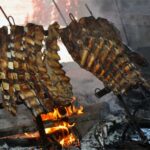
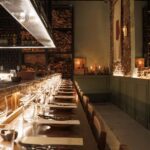
The final major savory stop is a parrilla dinner experience focused on classic grilled beef. You’re told this segment lasts around two hours, which gives you time to do it the right way: order, eat slowly, talk, refill drinks, and let the sides show up as part of the meal rather than as an afterthought.
Parrilla culture is a little different from many steak dinners. It’s not just “meat, then done.” It’s a social pacing. You’ll also benefit from the drink inclusion—aperitifs, wine, plus water or soda—so you’re not stuck buying beverages on top of the tour price.
If you care about texture and technique, grilled beef is where you’ll notice the difference between average and genuinely good. The sides matter too. One positive experience called out that the meat delivery was the star while the supporting dishes helped round out the plate.
Dessert and the final mood: finishing on a sweet note
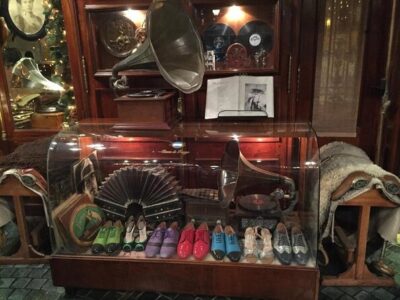
Dessert is part of the plan, and some groups have described it at a fascinating former antique store. That kind of setting gives your last bite a sense of place, not just a generic “dessert stop.”
Not every experience has matched that perfect vibe. A negative note said the dessert stop wasn’t ready and the group felt rushed to finish. So treat dessert as part of the evening energy, not as a guarantee of extra time. If dessert is your “main event,” go in with a little flexibility.
Drinks and included tastings: what you’ll likely have
The tour includes aperitifs, water and/or soda, and wine. That’s useful because it changes how you experience the flavors. In a tasting itinerary, drinks aren’t just for fun—they affect pace, how you perceive spice and salt, and whether you feel comfortable trying more than one bite.
You also get snacks including handmade items described as sausages traditional Argentine style, plus an Argentine-style dinner menu. Translation for your planning: this isn’t just one bite per stop. There’s enough food that you’ll likely be satisfied by the end, even if you don’t overdo alcohol.
If you’re driving or prefer non-alcohol options, the data doesn’t spell out alternatives beyond water/soda. So it’s worth asking in advance if your plan requires it.
The guide factor: private attention without the lecture vibe
In a walking food tour, your guide makes the difference between eating and understanding. Here, you have a private guide, which typically means you can ask follow-ups and steer questions toward what you actually care about: ingredients, restaurant culture, how markets function, or what to order next time.
You’ll see examples of guide styles in the past: Fran is associated with friendliness and a smooth flow from bar picada to market empanadas to dinner and dessert. Jorge is tied to a more high-energy vibe. Stephanie has been described as answering questions but not giving extra commentary unless prompted.
No matter who leads you, the best move is simple: ask one or two focused questions early. Like, what’s the difference between what you’d eat at home versus what tourists look for? Or what’s the most common thing you should try in Buenos Aires besides steak?
Group size (max 30): social, but not chaotic
The tour caps at a maximum of 30 travelers. That’s large enough for lively energy but small enough that you likely won’t feel like you’re in a train full of strangers.
Still, at least some parts can involve sharing plates with others, which has shown up as a complaint for some people. If that sounds uncomfortable, consider going in with the mindset that you’re trading a little personal space for the chance to taste a lot in an efficient time window.
If you’re more introverted, you can still manage it. Focus on the guide, the food, and the street walk. You’ll have plenty to look at without needing constant conversation.
Accessibility and practical comfort: plan your night
The tour is marked as near public transportation, which helps if you’re pairing it with other sights the same day. That said, the itinerary’s structure still depends on walking, timing between stops, and being present at the start point.
Also, service animals are allowed. Most travelers can participate, which suggests the walking pace is reasonable for a typical visitor group.
One more practical note: since the tour ends at Av. Caseros 445, you might want to map your next activity with that location in mind, so you’re not suddenly planning a long ride right after dinner.
Important consideration: allergies, pork restrictions, and confirmation
This is the biggest “do your homework” issue from the experiences shared. One person described being told in advance that no pork would be served, then encountering a primary offering that included pork at the first stop. Their evening also reportedly had timing problems that compounded frustration.
So here’s what I’d do if you have an allergy, a dietary restriction, or a religious restriction: confirm in writing, be specific about what you can’t eat, and ask what dishes might be involved at each stop. Don’t assume your request will be automatically matched to the same menu items every time.
If your diet is complex, consider sending a message to the operator before booking or immediately after you receive confirmation. It’s not paranoia. It’s meal safety.
The value question: who this tour fits best
This tour suits you if you want:
- A full evening meal structure, not just a quick tasting
- Classic Buenos Aires flavors like empanadas and parrilla beef
- A guide who gives context while you eat
- Included drinks that turn it into a real night out
It might not be the best fit if:
- You’re extremely sensitive to dietary mistakes and can’t tolerate risk
- You hate sharing food space with strangers
- You’re expecting slow, leisurely pacing at every stop
If you’re the kind of traveler who loves learning through eating—how markets work, why certain bites feel traditional—this hits the sweet spot.
Should you book this Buenos Aires gastronomic tour?
I’d book it if you want a classic Buenos Aires food evening with real meal portions, included drinks, and a guide-led route that connects market bites to parrilla dinner culture. The price makes sense when you treat it like dinner plus tastings, not like a snack sampler.
If you have a strict allergy or a pork restriction, I’d only book after double-confirming your requirements in writing and asking how they’ll handle it at each stop. Also, be ready for the reality that a walking tour has a schedule—so arriving on time and keeping expectations flexible helps a lot.
If that sounds like your style, you’ll likely have a fun, flavorful night with the kind of Argentinian classics that are easiest to appreciate once you’re eating them where they belong.
FAQ
How long is the Buenos Aires gastronomic immersion tour?
It’s listed as approximately 3 hours 30 minutes.
How much does the tour cost per person?
The price is $113.52 per person.
What’s included in the food and drinks?
The tour includes alcoholic beverages such as aperitifs and wine, plus water and/or soda drinks. It also includes snacks (including handmade traditional Argentine sausages) and an Argentine-style dinner menu.
Are there admission tickets required for the stops?
Admission is listed as free for the stops mentioned in the tour details.
Where do I start and end the tour?
The tour starts at El Federal Bar, Carlos Calvo 599, and ends at Av. Caseros 445.
Is private transportation included?
No, private transportation is not included.
Is this tour limited to a certain group size?
Yes. It has a maximum of 30 travelers.
What happens if the weather is poor?
The experience requires good weather. If it’s canceled due to poor weather, you’ll be offered a different date or a full refund.
Can I get a full refund if I cancel?
Yes. You can cancel up to 24 hours in advance for a full refund. If you cancel less than 24 hours before the start time, the amount paid is not refunded.