REVIEW · BUENOS AIRES
Buenos Aires: Panoramic Bus Tour
Book on GetYourGuide →Operated by Providence Viajes · Bookable on GetYourGuide
Buenos Aires looks best from a moving window. This 3-hour panoramic bus tour strings together the city’s oldest streets and its sleekest waterfront, with standout views of the Colón Theatre and the Obelisk from the road. I love the guided storyline that helps you read what you’re seeing, not just pass it by.
I also like the photo stops at Plaza de Mayo and Caminito, which give you actual time to frame the shots and learn what those places mean. The one caution: the schedule can feel tight, especially in a larger group where everyone needs to be back on time.
In This Review
- Key highlights at a glance
- Buenos Aires from the road: why this panoramic loop works
- The 3-hour route: from Retiro’s immigrant gateway to ending at Obelisco
- San Nicolás: Obelisk, Colón Theatre, and the center of the action
- Monserrat: Monuments, Plaza de Mayo, and the oldest neighborhood vibe
- San Telmo: old streets, Casco Histórico, and the tango atmosphere
- La Boca: Caminito, colorful tenements, and Boca Juniors pride
- Puerto Madero: modern waterfront, Puente de la Mujer, and the women-focused theme
- Retiro: the immigrant gateway you pass without realizing it
- Palermo and Recoleta: elegant streets, big parks, museums, and Recoleta Cemetery context
- Palermo: the largest neighborhood, parks, and art
- Recoleta: cemetery grandeur and museum-and-park stops
- Photo stops that are actually worth the time
- Price and logistics: does $55 make sense?
- Who should book this bus tour?
- The practical stuff you’ll want to know
- Should you book this panoramic bus tour?
- FAQ
- How long is the Buenos Aires Panoramic Bus Tour?
- How much does it cost?
- Is hotel pickup included?
- Where does the tour include photo stops?
- What neighborhoods are covered?
- Where does the tour finish?
- What language is the guide?
- What do I need to bring?
- Is the tour suitable for people with mobility impairments?
Key highlights at a glance
- Panoramic views of major icons like the Colón Theatre and the Obelisk
- Photo stops at Plaza de Mayo and Caminito for easy, memorable pictures
- Bilingual live guide in English, Portuguese, or Spanish
- Neighborhood sweep from Palermo and Recoleta to Monserrat, San Telmo, La Boca, and Puerto Madero
- A classic mix of old immigrant-era Buenos Aires and modern Puerto Madero contrast
Buenos Aires from the road: why this panoramic loop works
A bus tour isn’t fancy, but it can be smart—especially in Buenos Aires, where neighborhoods feel like separate worlds. In just three hours, you get a guided map of the city: historic power centers, immigrant-era streets, classic tango corners, and a very modern waterfront. If you’re short on time—or you’re still figuring out where things are—this format helps you get your bearings fast.
The tour is built around a “see it, then understand it” rhythm. You’re not just looking out a window; you’re learning what shaped each area: immigration waves, political heartbeats, creative neighborhoods, and the city’s current reinventions. The guide is certified and speaks multiple languages, so you’re not stuck guessing what you’re looking at.
You can also read our reviews of more tours and experiences in Buenos Aires.

The 3-hour route: from Retiro’s immigrant gateway to ending at Obelisco
The day moves in an organized arc through the city’s layers. You start with pickup that depends on where you’re staying (hotel pickup, or a nearby meeting point if you’re outside the pickup zone). Then the tour focuses on key “anchor” areas you’ll likely want to revisit later—either to explore on foot or to take better photos without the time pressure.
One practical win: the tour ends at the Obelisco area. That’s a central point where it’s easy to continue your day—grab a coffee, walk into Corrientes Avenue energy, or connect to other sights. If you’re the kind of traveler who likes a clean finish, this matters.
San Nicolás: Obelisk, Colón Theatre, and the center of the action
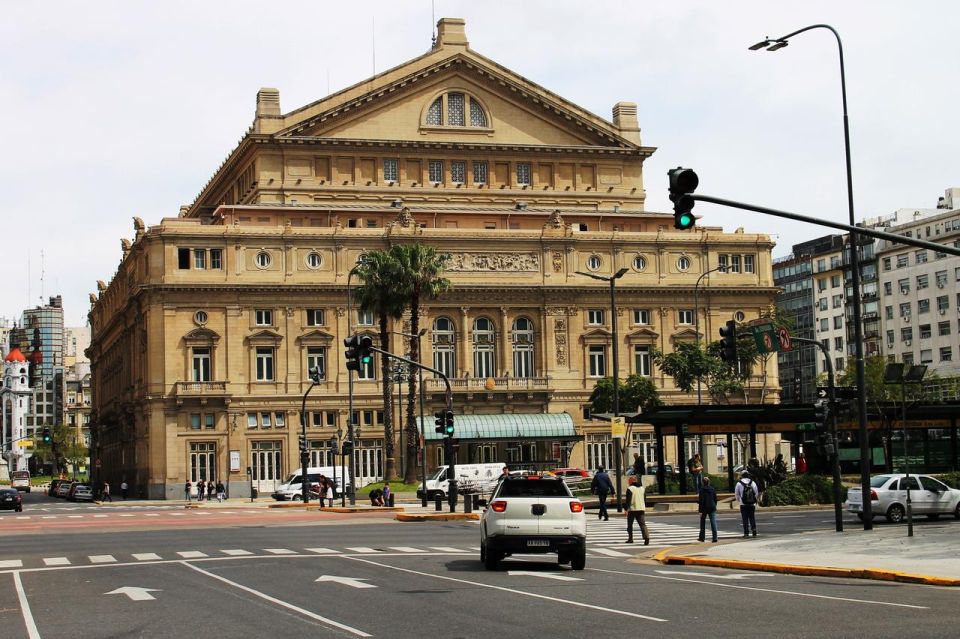
San Nicolás is the city’s most central vibe. This is where you get the classic Buenos Aires “big landmarks in one view” effect: the Obelisk, the Colón Theatre, and Avenida Corrientes, famously called the avenue that never sleeps for its theatrical and dining scene.
From the bus, you’ll get panoramic sightlines that help you understand scale—these aren’t small landmarks you stumble on by accident. You’ll also hear context about why this area became a focal point as Buenos Aires grew and reorganized around culture and commerce.
What to watch for from the road
- The way Corrientes Avenue feeds into nearby districts
- How the Obelisk and theatre area visually frame the city core
Possible drawback
If you’re hoping for a long photo session right next to the monuments, the bus-and-guide format gives you more “overview” than “deep look.” Your best photo time will be at the scheduled stops.
Monserrat: Monuments, Plaza de Mayo, and the oldest neighborhood vibe
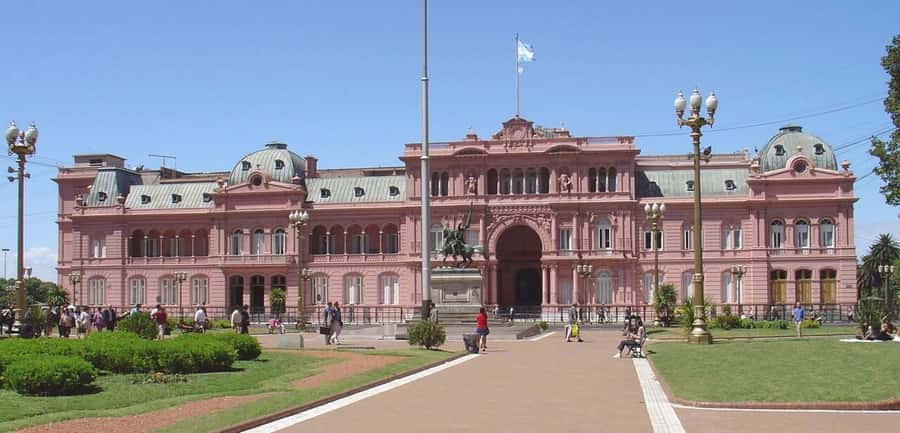
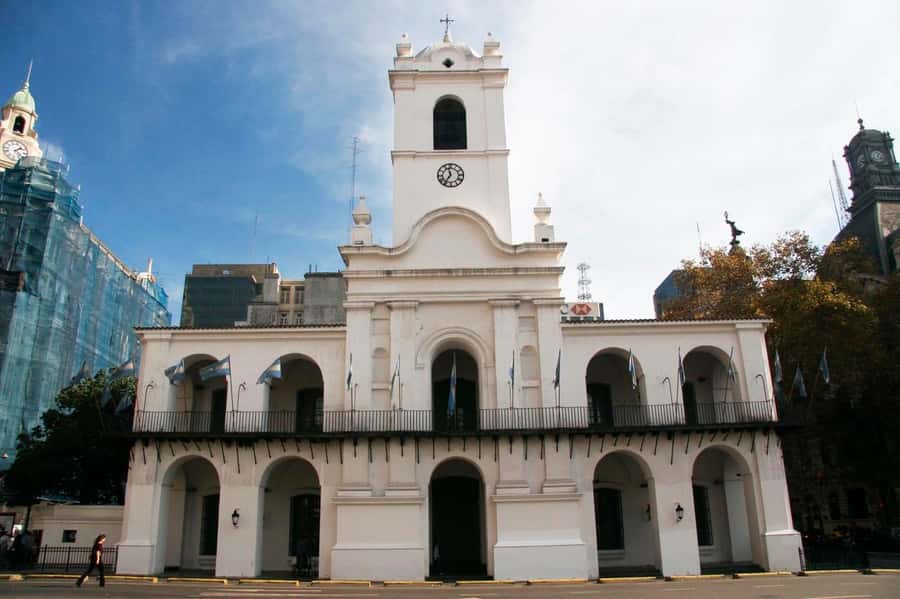
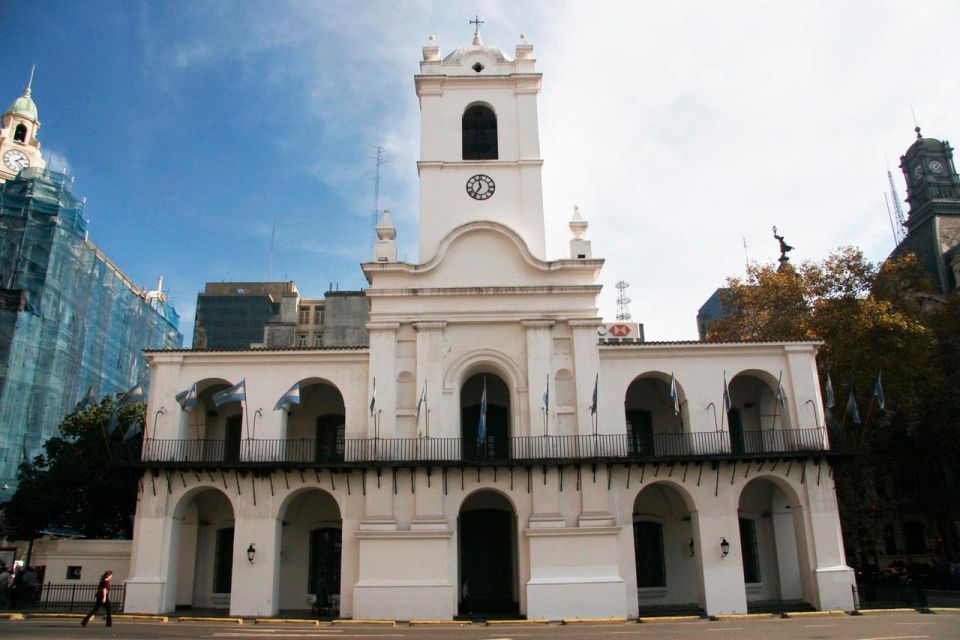
Monserrat is where the “Buenos Aires started here” feeling gets strongest. It’s described as the city’s oldest neighborhood, tied to the first Spanish settlers. In practice, it’s also where you’ll see the government-and-history cluster: Plaza de Mayo, the Cabildo, the Casa Rosada (Government House), the Cathedral, and Avenida de Mayo.
This is the part of the tour that feels like a guided lesson. You’re not just passing buildings—you’re learning why the space matters. Plaza de Mayo is the standout photo stop here, with a scheduled break that gives you a chance to step out and take pictures without rushing.
Why this stop is valuable
Even if you never go inside a single building, you’ll leave with a mental map of the political and symbolic heart of the city. That helps when you later read plaques, plan museums, or decide which neighborhoods match your travel style.
Photo-stop reality check
You’ll have time at Plaza de Mayo, but it’s still a group operation. Keep your camera ready and be quick with your shot selection so you don’t become the bottleneck.
San Telmo: old streets, Casco Histórico, and the tango atmosphere
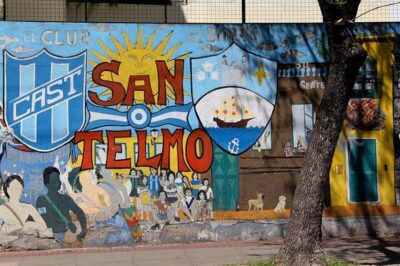
San Telmo is one of those neighborhoods that gives you “history in the air.” It’s known for being old and traditional, with the Casco Histórico and plenty of tango venues—often called tanguerías. On this tour, you’ll get a guided pass through key streets and parks, including Defensa Street and Lezama Park, plus the Casa Mínima.
What I like about including San Telmo in a bus tour is that you get orientation. Many travelers make the mistake of walking the “tango streets” without understanding what makes them distinct. Here, you’ll get that quick context: San Telmo isn’t only about performance—it’s also about the old urban fabric and immigrant-era legacy.
The good fit
If you like wandering, you can use this stop as a launching pad. San Telmo is the kind of place where, once you know roughly where the charm lives, you can return later with a plan.

La Boca: Caminito, colorful tenements, and Boca Juniors pride
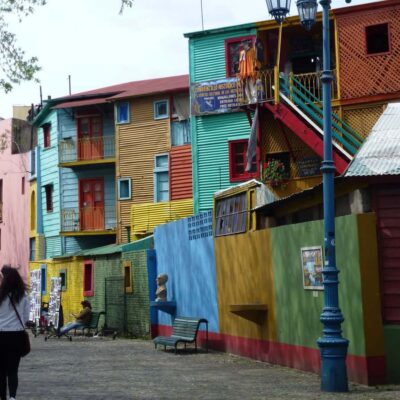
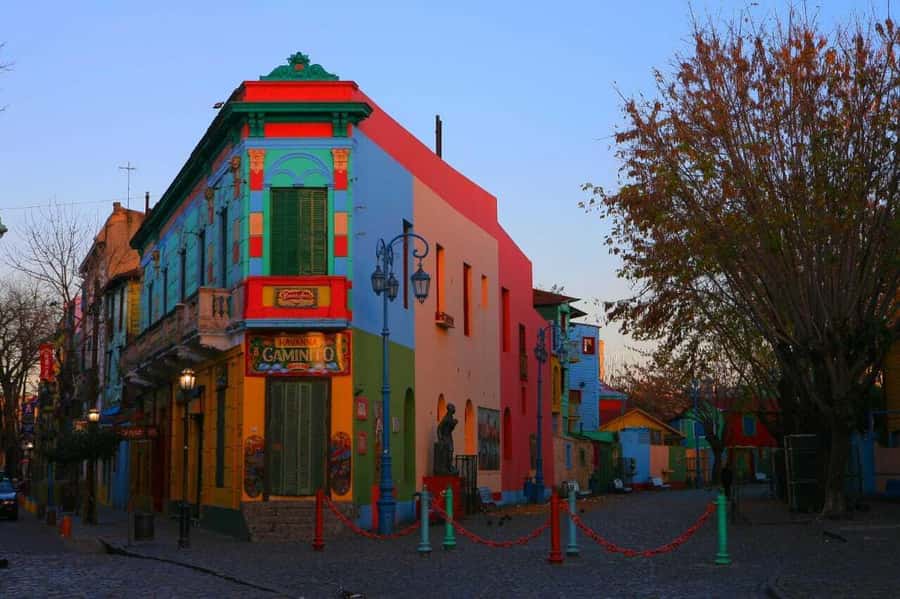
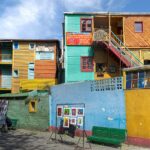
La Boca is the neighborhood most people recognize—yet the tour helps you understand why it looks the way it does. This area is famous for its colorful identity, and the guide connects it to immigration and working-class settlement patterns. The story is specific: immigrants chose La Boca for labor possibilities, then built homes using wood and sheet metal, and asked for leftover paint from shipyards to color the walls.
You’ll walk through the area around Caminito and the tenements, with the visit shaped by the neighborhood’s soccer passion for Boca Juniors. The tour includes a scheduled photo stop at Caminito plus guided time in the area (about a half hour at that location, so you’re not trapped staring at the same view forever).
What you’ll likely notice
- The density of color and texture compared to other districts
- How the neighborhood’s identity is tied to community pride, not just aesthetics
- The way soccer culture shows up in the streets and atmosphere
A practical tip
Bring something you can use for quick souvenir purchases (a small bag, a light wallet). La Boca is the kind of place where you’ll want to browse, but the time windows are designed for the whole group.
Puerto Madero: modern waterfront, Puente de la Mujer, and the women-focused theme
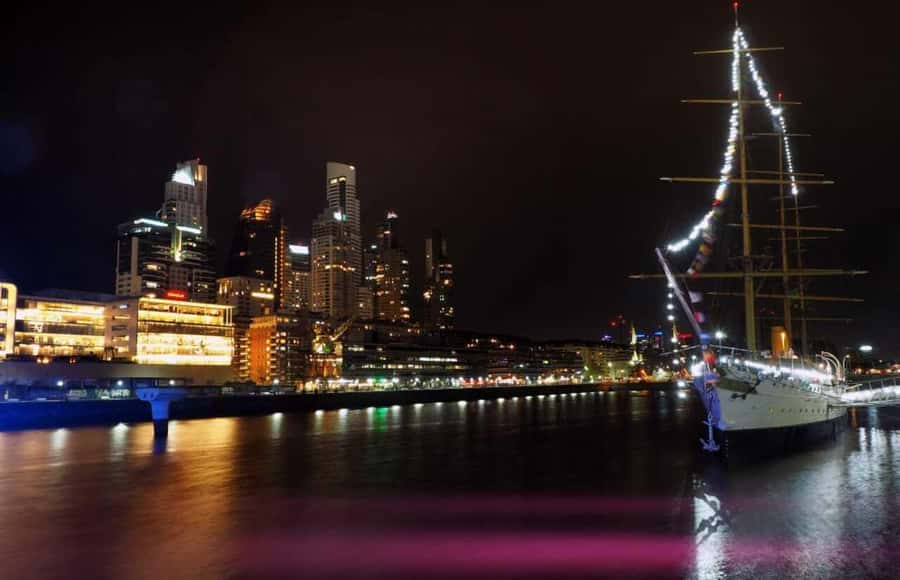
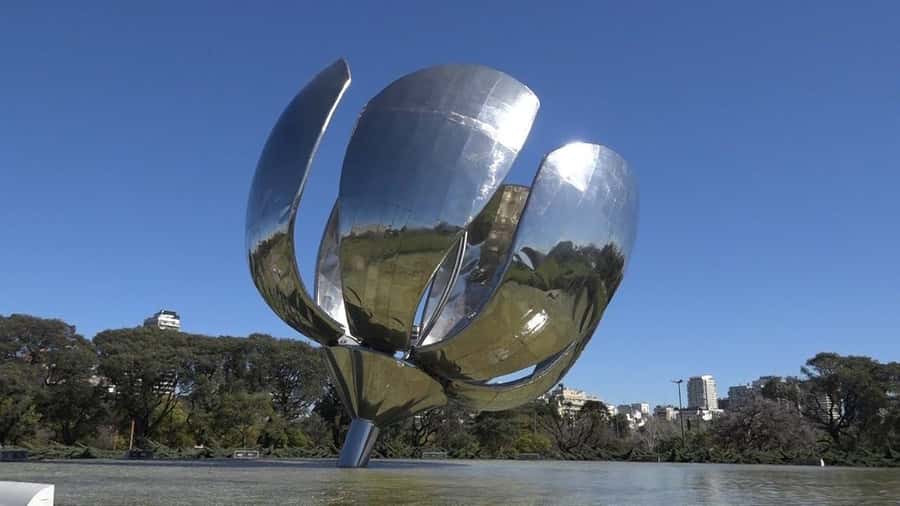
Then comes the contrast: Puerto Madero. This neighborhood is presented as one of the city’s most modern areas, including landmarks tied to Argentine women’s history. It also has a breezy waterfront feel, with the Puente de la Mujer (Women’s Bridge) and the Costanera Sur Ecological Reserve mentioned in the tour overview, along with the Tango Monument.
I like this stop because it breaks the “Buenos Aires = old buildings” assumption. You get proof that the city also invests in new design, new public spaces, and thematic memorials.
Why this matters
If you plan to photograph your trip, Puerto Madero gives you a different visual palette: sleek structures, water-adjacent views, and a more open feel than the older districts.
Retiro: the immigrant gateway you pass without realizing it
Retiro isn’t only a transit zone. On the tour, it’s described as both a financial and residential center and—crucially—a gateway for millions of immigrants between the nineteenth and twentieth centuries. You’ll also see places like Plaza San Martín, the pedestrian street Florida, and the train station area, plus monuments such as the Monumental Tower.
Even if you don’t step out of the bus here, you still get the “why this area feels the way it does” context. Retiro helps you understand Buenos Aires as a city of arrivals, not just a city of attractions.
Quick takeaway
When people talk about Buenos Aires culture, they’re often really talking about immigrant communities and the neighborhoods that formed around work, housing, and social life.
Palermo and Recoleta: elegant streets, big parks, museums, and Recoleta Cemetery context
As the tour shifts toward the more polished side of the city, Palermo and Recoleta give you different kinds of elegance.
Palermo: the largest neighborhood, parks, and art
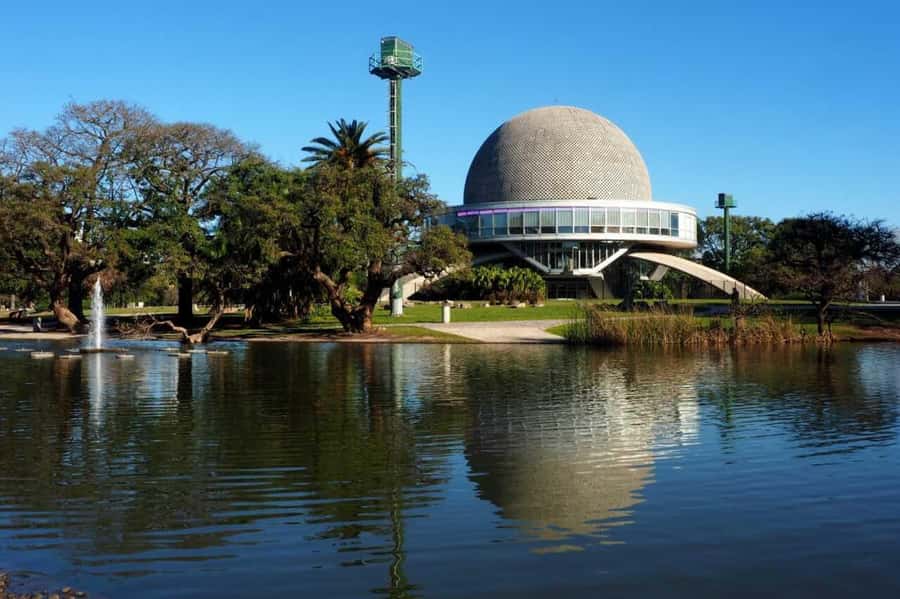
Palermo is the largest neighborhood in the city. You’ll pass Los Bosques de Palermo, the Galileo Galilei Planetarium, Plaza Italia, and the Malba Latin American Art Museum. The tour also highlights the Hippodrome. Even from the bus, you’ll get a sense that Palermo is where residents go for open space and cultural stops—not only for landmarks.
Recoleta: cemetery grandeur and museum-and-park stops
Recoleta is described as one of the most elegant neighborhoods, and the tour includes major pointers: the Recoleta Cemetery, the National Museum of Fine Arts, Carlos Thays Park, and the renowned Law School.
Recoleta Cemetery is a big reason people return. Even if you don’t go inside during this tour, the guided framing helps you understand why it’s such a destination. It also sets up the neighborhood’s overall mood: formal, refined, and built around major institutions.
Photo note
This is a great part of town for architectural and street photos, but again, don’t count on long stops. The bus tour is about overview, so treat it like the appetizer—then plan your second visit if something grabs you.
Photo stops that are actually worth the time
Two stops anchor the camera moments: Plaza de Mayo and Caminito.
- Plaza de Mayo (Monserrat): This is where political history and city symbolism meet. You’ll get a scheduled photo window, and the guide’s context makes your pictures feel meaningful, not just scenic.
- Caminito (La Boca): This is about color, street identity, and community stories tied to immigration and labor. It’s a quick hit of what La Boca is known for.
If you’re the type who takes 30 photos of the same corner, set yourself a limit here. Your time is shared with the group, and the tour moves as a unit.
Price and logistics: does $55 make sense?
At $55 per person for about three hours, this isn’t a bargain-bucket deal, but it can be good value if you’re doing Buenos Aires in a time-crunch or you want a structured orientation.
Here’s the value equation I’d use:
- You’re paying for a certified guide and panoramic route across multiple neighborhoods.
- You also get pickup (or a nearby meeting point) and two scheduled photo stops.
- The tour is short enough that it won’t “steal” most of your day.
Where the price can feel less worth it is if you hate group timing. One downside you should know: the bus tour format depends on everyone returning on schedule, and the visit windows can feel tight. You may also be in a vehicle with a larger group size (one note indicates around 30 people). That means less personal space and fewer chances to linger.
So I’d position this tour as:
- A smart first-day orientation
- A “preview” tour before you commit to more walking later
- A low-effort way to see a lot without studying transit routes
Who should book this bus tour?
This experience fits best if you:
- Want a fast, structured overview of Buenos Aires neighborhoods
- Enjoy history and culture explanations while you sightsee
- Prefer guided photo stops rather than navigating on your own
- Want an easy end point near Obelisco
It may not be ideal if you:
- Need a lot of time to roam on foot in one place
- Prefer flexible hop-on hop-off pacing
- Have mobility needs, since it’s not suitable for people with mobility impairments
The practical stuff you’ll want to know
Bring a passport or ID card; a copy is accepted. Wear shoes you can stand in during photo windows, especially in La Boca where streets may feel uneven.
Pickup works like this: if you booked with a hotel pickup option, the partner chooses the closest pickup point based on your hotel. If you aren’t at a hotel or you’re outside the pickup area, pickup may shift to a nearby hotel location, or you should select a meeting point option.
Should you book this panoramic bus tour?
I’d book it when you want an organized first look at Buenos Aires. The combination of major landmarks from the bus (Colón Theatre area and the Obelisk) plus two real photo stops (Plaza de Mayo and Caminito) makes it efficient. It’s also a good choice if you like learning why neighborhoods look the way they do, especially the immigration and working-class context that the guide ties to La Boca.
Skip it if your top priority is wandering without timing pressure. If you want maximum flexibility, you’ll probably prefer a more self-guided style of sightseeing.
If you’re somewhere in the middle—curious, time-limited, and open to a bus ride that sets you up for better exploring later—this tour is a solid use of three hours.
FAQ
How long is the Buenos Aires Panoramic Bus Tour?
It lasts about 3 hours.
How much does it cost?
The price is $55 per person.
Is hotel pickup included?
Yes. Pickup is included from your hotel or from meeting points, depending on your selected option and your location.
Where does the tour include photo stops?
There are photo stops at Plaza de Mayo and Caminito.
What neighborhoods are covered?
The tour covers neighborhoods including San Nicolás, Monserrat, San Telmo, La Boca, Puerto Madero, Retiro, Palermo, and Recoleta.
Where does the tour finish?
The tour finishes at Obelisco.
What language is the guide?
The live tour guide offers English, Portuguese, and Spanish.
What do I need to bring?
You should bring a passport or ID card (a copy is accepted).
Is the tour suitable for people with mobility impairments?
No, it is not suitable for people with mobility impairments.