REVIEW · BUENOS AIRES
SAN TELMO + CAMINITO THE LOCAL WALKING TOUR!
Book on GetYourGuide →Operated by Cachalote tours · Bookable on GetYourGuide
San Telmo hits your senses fast. You get a guided walk through Buenos Aires’ older streets and then a quick hop south to La Boca’s color-filled Caminito. I like that this tour is designed for real street time—narrow lanes, people living their day, and stories that connect the past to today.
What I love most is the pairing of San Telmo’s 16th-century origins with Caminito’s immigrant and tango roots. I also really enjoyed the mate ritual moment—Argentina’s tea culture explained in a practical, hands-on way, not just a quick mention.
One drawback to think about: you’ll be walking. Bring comfortable shoes and plan for a steady pace, especially if you’re sensitive to lots of steps or long time outdoors.
Key points to know before you go
- Meet at the Mafalda Statue and get your bearings fast in Buenos Aires
- Mate ritual demo included, so you experience the culture instead of just hearing about it
- San Telmo Market + empanada option for an easy local-food moment
- Caminito photo stops with a guided 1-hour loop, so you’re not just taking pictures
- End with café inside a conventillo, a historic housing style linked to the city’s waves of newcomers
In This Review
- From Mafalda to San Telmo: a smart start in the city’s oldest neighborhood
- San Telmo Market and mate: small food breaks with real cultural meaning
- Lezama Park and Plaza Dorrego: history you can walk through
- Churches and historic houses: seeing the neighborhood beyond the obvious
- Taking the bus to Caminito: where tango stories start at street level
- The final café inside a conventillo: a fitting last note
- Guide style and what you can expect from Sebastian and the group pace
- Price and value: is $35 worth it?
- Who this tour is best for (and who should skip it)
- Should you book this San Telmo + Caminito walking tour?
- FAQ
- What is the meeting point for this tour?
- How long is the tour?
- How much does it cost?
- What’s the group size?
- What languages are offered?
- Is mate included?
- Do I need to pay for bus tickets separately?
- Is lunch included?
- Is alcohol included or allowed during the tour?
- Who should avoid booking?
- What should I bring?
From Mafalda to San Telmo: a smart start in the city’s oldest neighborhood
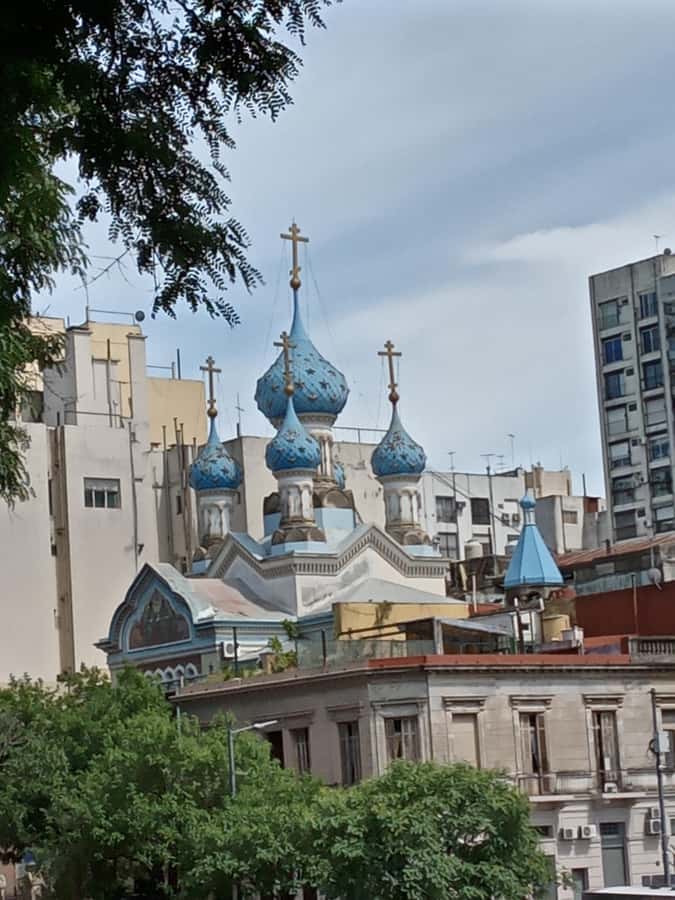
The tour begins at the Estatua de Mafalda, that famous bench from the cartoon. It’s a solid meeting point because it’s easy to spot and it immediately signals you’re in a neighborhood with character, not a sterile “tourist corridor.”
From there, the guide sets the tone with history and practical street-level context. San Telmo is described as the oldest neighborhood in Buenos Aires, tied to the city’s early founding era. The architecture you see is Spanish colonial in feel—some buildings are said to date back around 400 years. That contrast matters. Buenos Aires often gets packaged like Paris in people’s heads, but San Telmo reminds you the city also grew from older roots, older building styles, and older ways of living.
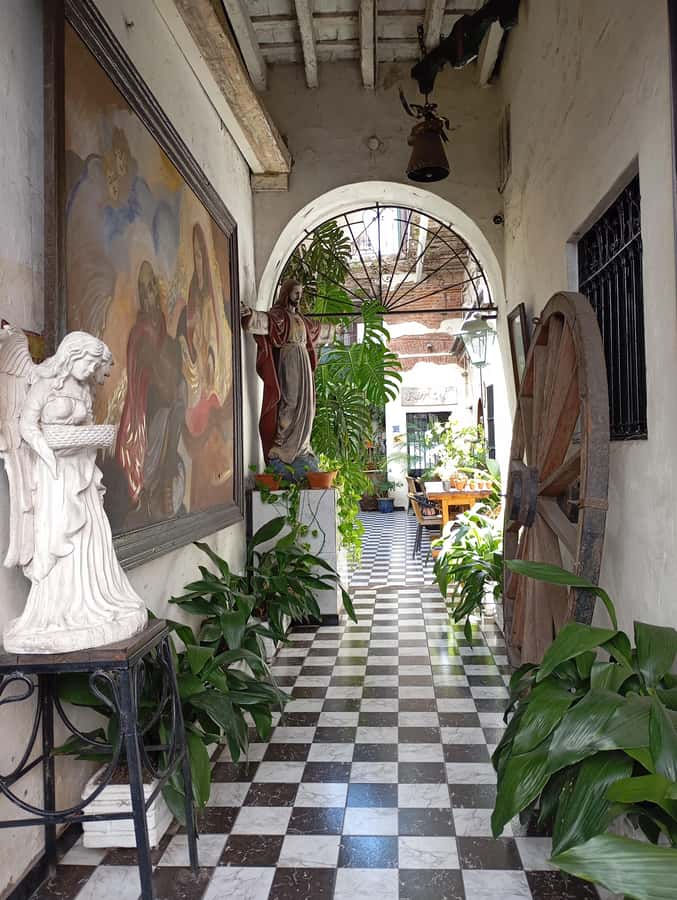
And yes, there’s color here too—just not the postcard kind. You’ll be walking narrow streets where daily life is part of the scenery. This is the kind of area where you get the sense that time isn’t a museum exhibit. It’s still operating.
San Telmo Market and mate: small food breaks with real cultural meaning
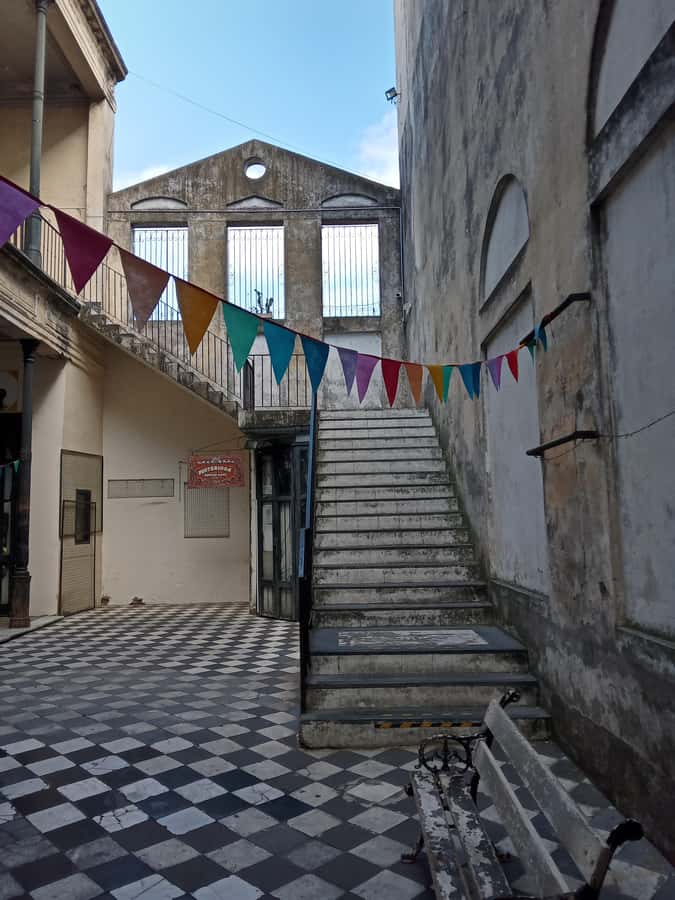
One of the best parts of this experience is that food and customs show up as part of the story, not as an afterthought. You spend time at the San Telmo Market, with guided context around what you’re seeing and where to look.
Even though lunch isn’t included, the market stop is a chance to eat if you want. A good example: you can grab empanadas in the market area during your time there. It’s a simple choice, but it works because it’s tied to the neighborhood you’re already exploring.
Then comes the included mate ritual demonstration. Mate is Argentina’s signature tea culture, and this tour treats it like something worth learning properly. You’ll see the preparation and ritual steps, which helps you understand why it’s social—this isn’t just about drinking something hot. It’s part of how people share a moment.
If you’ve never had mate before, I’d see the demonstration as your training wheels. You’ll leave knowing what’s going on when locals pass the bombilla and share the drink cycle.
You can also read our reviews of more walking tours in Buenos Aires

Lezama Park and Plaza Dorrego: history you can walk through
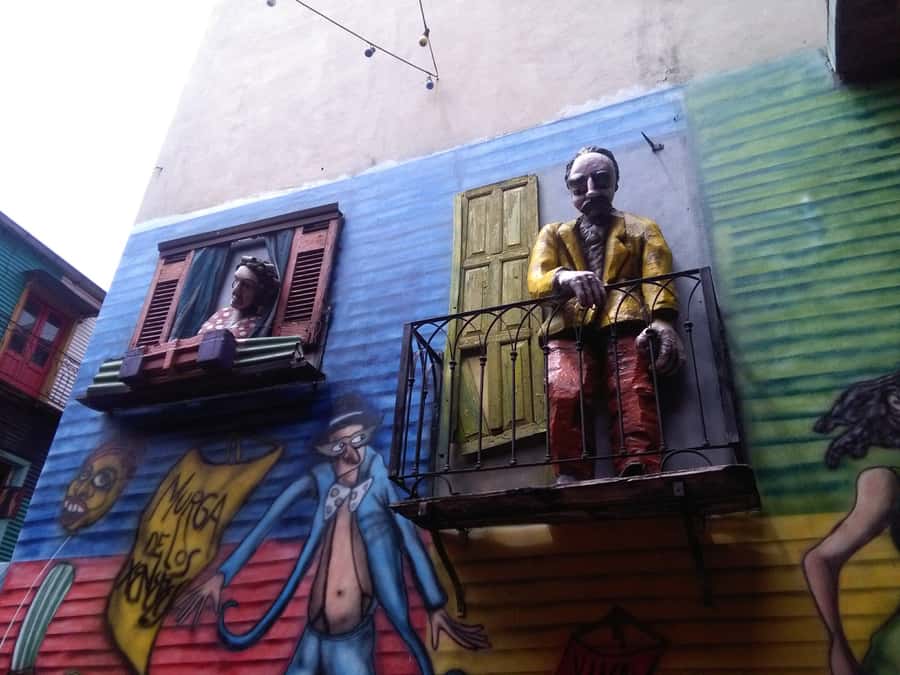
After the market, the route takes you toward Parque Lezama, with guided time and a walk. This is where the tour broadens from architecture and market life into broader Buenos Aires atmosphere. A park stop may sound like a break—but in a good tour, parks are for perspective.
From there you head to Plaza Dorrego for sightseeing and walking time. This area is a key piece of the San Telmo feel: open space near older streets, where you can look around and absorb how the neighborhood breathes. It’s also a good moment to reset your legs and get photos without feeling like you’re forcing it.
One thing I like about this structure is pacing. The tour doesn’t cram every second with “look here, read this, move on.” It strings together stops that each do a job—market culture, outdoor perspective, then back to the historic street vibe.
Possible consideration: if you’re the type who wants nonstop action, park and plaza stops may feel slower. But if you want to understand the place (not just rush past it), these breaks are actually helpful.
Churches and historic houses: seeing the neighborhood beyond the obvious
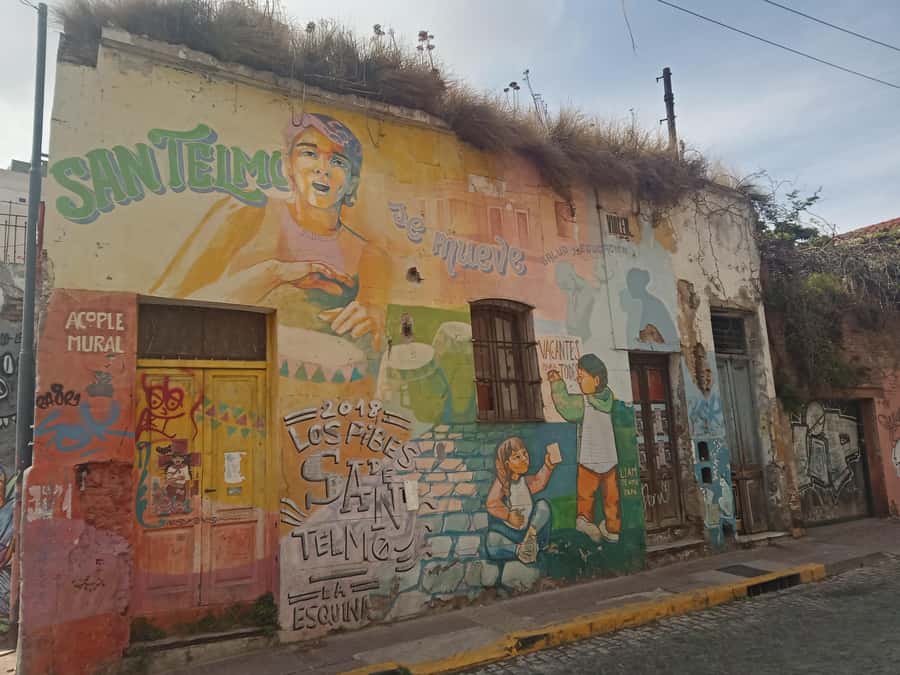
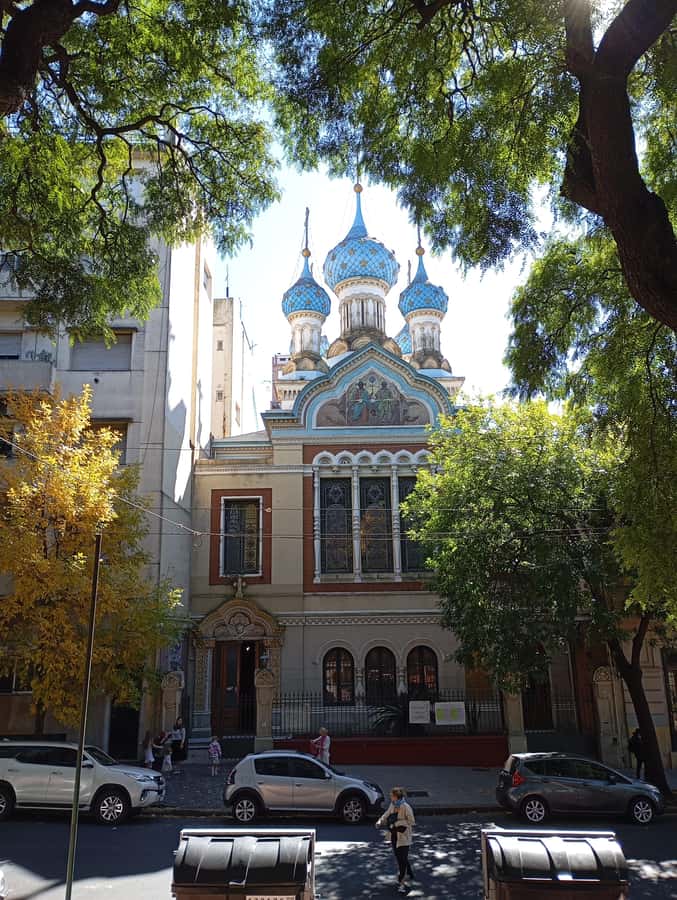
The itinerary includes time in the area where you can visit churches. It’s not framed as a museum tour; it’s more about noticing how religious buildings fit into the older street fabric of San Telmo.
You’ll also be pointed toward historic houses and palaces tucked into narrow lanes. The tour’s angle is clear: San Telmo is about living architecture and long-standing neighborhood identity. That’s why the colonial-style background keeps coming up—it’s the visual spine of the story.
If you’re the kind of traveler who likes to understand what you’re looking at, this is a strong match. The guide explains what to pay attention to, so you’re not just snapping random façades. You’re learning why these shapes and styles matter.
Taking the bus to Caminito: where tango stories start at street level

Then it’s time for the shift south, by bus to Caminito in La Boca. This isn’t the far-away “look, but don’t touch” version of the neighborhood. The tour gives you a photo stop and a guided 1-hour segment where you walk and learn while you take in the scene.
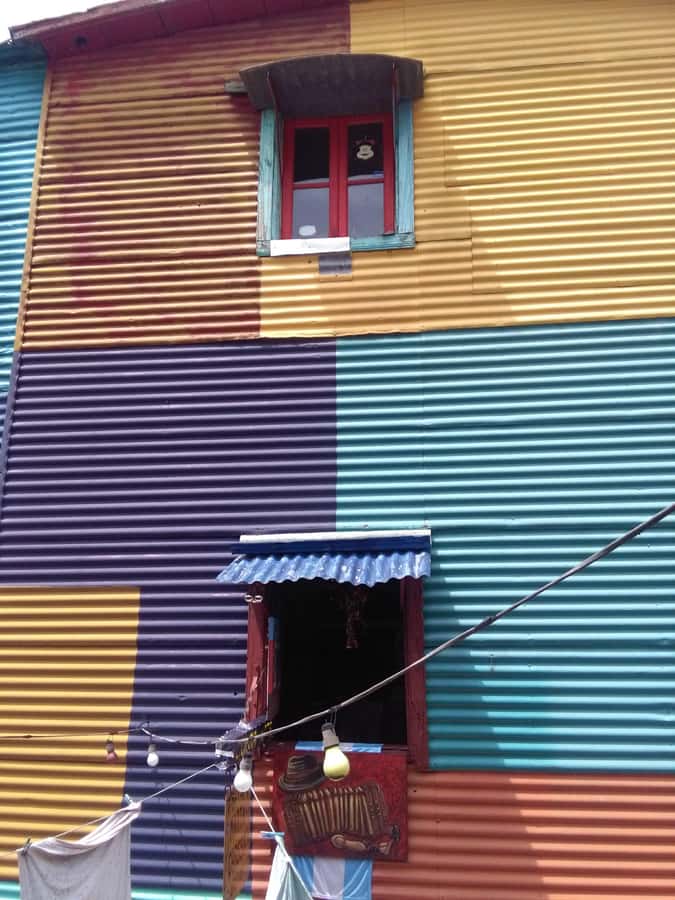
Caminito is famous for its blocks of color and tradition, and the tour connects that vibe to the area’s origins. The story you get here includes that tango is said to have been born in the late 1800s, and that European immigration helped shape the neighborhood. The tour specifically points to immigrants coming by ship from places including Italy, Spain, Portugal, and Poland—new dreams arriving in a new country.
That matters because Caminito becomes more than a wall of colorful buildings. It becomes a living snapshot of how migration and music culture can mix into street identity. You start seeing why the neighborhood feels the way it does: people came, communities formed, and art became part of daily life.
One practical note: Caminito is a photo magnet. You’ll have time to take pictures, but the guided walk helps you avoid the trap of standing in one place getting only the most obvious angles.
The final café inside a conventillo: a fitting last note
The tour ends with a café inside a conventillo. A conventillo is a historic housing style tied to how many newcomers lived as Buenos Aires grew. Ending here is a smart move because it turns the immigrant story from “background history” into something more tangible.
This last stop also gives you a calmer close after the bus-and-walk energy. And you’ll get indications on how to return to your place, which is underrated. Buenos Aires is big, and having a clear next step reduces that post-tour wander.



Guide style and what you can expect from Sebastian and the group pace
Your guide for this experience is often Sebastian, and the tone from his style is consistent: patient, clear explanations, and a real passion for being a porteño (someone from Buenos Aires). People like how he’s careful with historical topics and how his English is said to be excellent, making it easy to follow without strain.
He’s also described as practical in timing—like waiting for late arrivals if traffic delays happen. That kind of smooth handling matters in real life, because Buenos Aires traffic can be its own character.
Group size is small, limited to 10 participants. For me, that’s the sweet spot for a neighborhood walk. You can ask questions without feeling like you’re in a bus tour, but you still get the social buzz of other visitors around you.
Pace-wise, the walking is short-to-moderate across the itinerary, with guided segments and time to see specific places. The total structure is built around about 3 hours of street time across San Telmo and Caminito, with a bus ride between neighborhoods.
Price and value: is $35 worth it?

At $35 per person for about a half-day style experience, the value mostly comes from what’s included:
- A guide in English or Spanish
- Mate ritual demonstration
- Bus tickets
You’re also spending guided time in several focal stops: Mafalda Statue area, San Telmo Market, Parque Lezama, Plaza Dorrego, and Caminito with a long guided segment.
You do not get museums included, and food like lunch isn’t part of the package. But that’s also why the price feels reasonable. You can choose your own food stops—like empanadas at the market—without the tour pretending everyone wants the same lunch plan.
If you compare this to the cost of hopping between neighborhoods on your own with a guide for only part of the time, the included bus + guided storytelling is the core “payoff.” This tour is built for understanding, not just checking boxes.
Who this tour is best for (and who should skip it)
This is a great fit if you want:
- A guided walk that connects architecture, streets, and local customs
- Real neighborhood atmosphere in San Telmo plus the more outwardly colorful Caminito
- Included cultural content like the mate ritual
- A smaller-group vibe that keeps you moving while still giving you time to see and photograph
It may not be the best fit if:
- You need a mostly seated tour (this is walking-focused)
- You want guaranteed museum entries (not included)
- You’re traveling with very young kids (it’s not suitable for babies under 1 year)
- You prefer an easy stroll over uneven sidewalks and neighborhood streets (bring comfortable shoes and expect actual walking)
Should you book this San Telmo + Caminito walking tour?
Yes—if your goal is to understand Buenos Aires as more than one famous postcard. This tour gives you the older neighborhood logic of San Telmo—Spanish colonial style, long-rooted streets, market life—and then explains why Caminito became the tango-and-immigration stage it is today.
I’d book it especially if you like tours where the guide helps you see things: what to notice in the streets, why mate is a ritual, and how conventillo life connects to the city’s growth.
Skip it if you’re chasing a museum-heavy itinerary or you hate walking. Otherwise, for a small-group guided day of neighborhood stories, it’s a solid value.
FAQ
What is the meeting point for this tour?
You meet at the Mafalda Statue, the most famous bench from the Mafalda cartoon.
How long is the tour?
It’s listed as 1 day, and the walking route through San Telmo and Caminito is designed around about 3 hours, including guided segments and a bus ride.
How much does it cost?
The price is $35 per person.
What’s the group size?
It’s a small group limited to 10 participants.
What languages are offered?
The live tour guide speaks Spanish or English.
Is mate included?
Yes. Mate and a mate ritual demonstration are included.
Do I need to pay for bus tickets separately?
No. Bus tickets are included.
Is lunch included?
No. Lunch and most food are not included, though you can eat things like empanadas at the market during your free time there.
Is alcohol included or allowed during the tour?
Alcohol is not included, and the tour has rules not allowing alcohol.
Who should avoid booking?
It’s not suitable for babies under 1 year, and it’s not suitable for people over 70 years.
What should I bring?
Bring comfortable shoes, water, and comfortable clothes.