Tango gets real at a locals-only milonga. This private Buenos Aires night pairs a focused tango lesson with a guided trip to the milonga, where you sip Argentinian wine and watch tango the way people actually do it after dark. You also get the talking-points that make social tango make sense fast: codes, roles, and how to move with the room.
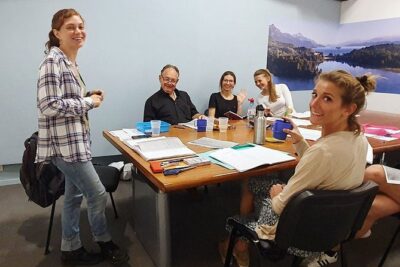
What I like most is the teaching style. With Rafael and Esther (and sometimes Andrea, depending on the guide), you work on practical basics aimed at real social dancing, including the kind of step practice that shows up in feedback like the ocho and closing mechanics. I also love the dinner-table vibe at the venue: you’re not stuck in the dark as a spectator—you’re at a table, you can mingle, and you get local context while live performers do their thing.
One consideration: it starts at 9:30 pm, so it’s not a before-dinner activity. Also, the milonga show quality can vary by night since live orchestra or dance performances depend on the schedule.
In This Review
- Key highlights you can plan around
- How the 9:30 pm lesson sets you up for social tango
- From studio to milonga: wine, table seating, and local conversation
- Tango codes explained: why this night feels more than a dance lesson
- Live orchestra nights, plus a real sense of atmosphere
- Price and what you get for $330 per person
- Safety and comfort: making a late-night plan that works
- What to wear and what to bring so you’re not thinking about it all night
- Who this tour fits best in Buenos Aires
- Should you book this private tango night?
- FAQ
- What time does the tour start?
- How long is the experience?
- Is this a private tour?
- Where is the meeting point?
- Does the tour include transportation?
- What’s included in the price?
- Are alcoholic beverages included?
- Is a live orchestra guaranteed?
- Do I need to tip?
- What is the cancellation policy?
Key highlights you can plan around
- A private lesson that targets improv in social tango, not just showy moves
- Wine included while you learn the milonga codes and watch real dancing
- Live tango orchestra or a dance performance on many nights, depending on the day
- English, Spanish, and Japanese support from a fluent guide
- Transportation to and from the milonga, so you can focus on the night instead of logistics
How the 9:30 pm lesson sets you up for social tango
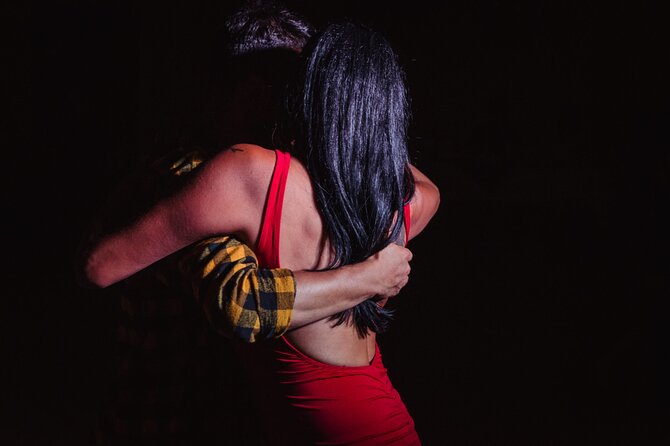
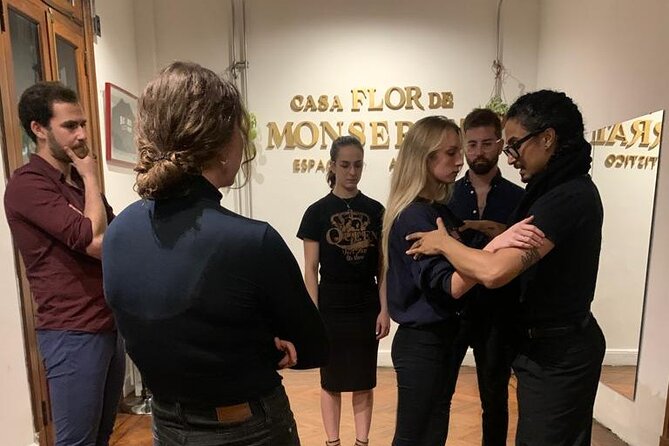
This is built around one smart idea: social tango rewards feel, timing, and clear communication. So the evening starts with an introductory lesson that gives you the fundamental tools and mechanics you’ll use on the dance floor. The goal isn’t to turn you into a performer in three hours. It’s to help you improvise with other dancers in a social context—where the music, the space, and the lead-follow dynamic matter as much as steps.
The teaching is practical. You’ll get structure for how to move, where your body weight should go, and what makes your partner’s experience easier or harder. In the feedback I’ve seen from people who were brand-new to tango, the hosts’ patience is a big part of why it works. If you’ve got two left feet, that doesn’t cancel the value here. The lesson is designed to give you something usable when you walk into the milonga.
Also, you’re not just learning steps in a vacuum. Your guides frame tango as a conversation with rules—what’s said with posture, how proximity works, and why certain choices are polite on the floor. That “why” turns tango from a list of moves into a social skill you can actually apply.
You can also read our reviews of more private tours in Buenos Aires

From studio to milonga: wine, table seating, and local conversation
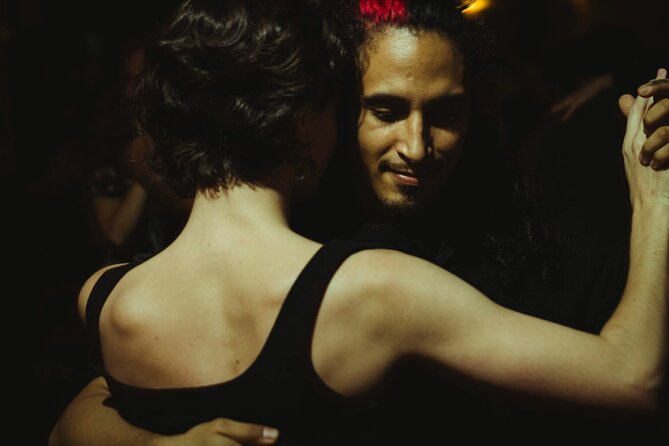
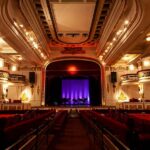
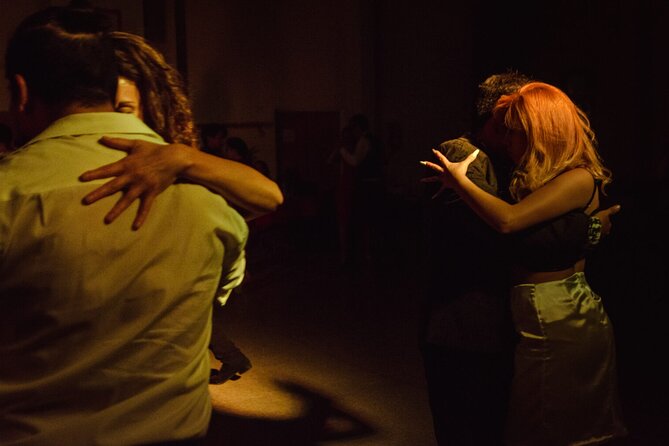
After the lesson, you’re transported to the milonga, and you’re treated as a guest rather than a drop-off tourist. The format is simple: you’ll sit at a table, sip Argentinian wine, and listen as your guide explains what you’re seeing. Then you mingle with locals and watch tango the way it unfolds in real time.
This table setup matters more than it sounds. Tango venues can feel intimidating if you only know the “tourist tango show” version of the art. Sitting up front and having your guide talk you through what’s happening gives you mental footing. You can watch for patterns—how dancers approach, how they transition, how a band and a dance company performance can shift the energy in the room.
And because the guides are local professional dancers, the conversation goes beyond trivia. You’ll hear about tango’s codes and perspectives from the inside: what people mean when they talk about the social side of tango, and how dancers read the room. That’s the kind of context you can’t easily pick up from a stage show, because a stage show is designed to entertain. A milonga is designed to dance.
One more practical thing: the tour is private, so it’s just your group. That keeps the night from feeling like a conveyor belt. You can ask questions, and your guide can adjust pacing when someone needs it.
Tango codes explained: why this night feels more than a dance lesson
A lot of tango experiences stop at instruction or at watching. This one adds a third layer: tango as a social system with its own logic. Your guides talk about the codes and perspectives that dancers use to navigate the floor. That includes the unspoken rules—how you approach, how you interpret leads and follows, and what etiquette looks like in motion.
If you’ve ever watched tango and thought, I don’t know what I’m seeing, that’s exactly where this helps. Tango has a language, and the milonga is where you hear it most clearly. When you understand the codes, the dancing becomes readable. You’ll still marvel at it, but you’ll also recognize cause and effect: why a pause works, why a turn lands, why certain closings feel complete.
You also get the cultural lens that makes the night feel grounded. Several people highlight that the hosts share real stories and details about daily tango life in Buenos Aires, not just romanticized history. That’s the difference between a performance and a lived scene.
Live orchestra nights, plus a real sense of atmosphere
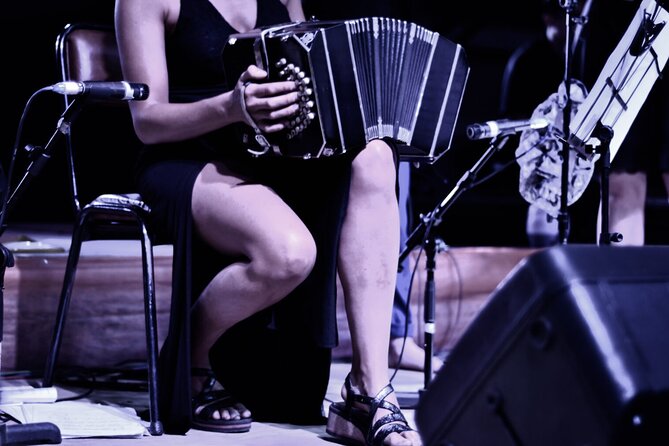
Depending on the day you book, you might get live tango orchestra music and/or a dance performance. That variability is part of what keeps tango nights alive here. One night it’s a band-led flow with singer and crowd energy; another night you may see a dance company segment that changes the tempo of the evening.
When live music is on, it hits differently. Recorded tracks can be steady; orchestras breathe. You’ll notice dancers reacting in real time to phrasing and dynamics. Your guide’s commentary can help you connect those moments to what dancers do with their bodies.
You should also expect that the milonga is a night out for adults. That means the vibe is about dancing, watching, and chatting—not a family-friendly parade. If you’re planning this with someone who wants a strict show-only experience, tell them ahead of time so you’re on the same page.
Price and what you get for $330 per person
At $330 per person for about three hours, this isn’t a budget add-on. But it can be strong value if you look at what’s included and what you’d likely pay for separately in Buenos Aires.
Here’s what the price covers:
- A private introductory tango lesson (not group class format)
- Transportation from the lesson to the milonga
- Argentinian wine included with alcoholic beverages
- All fees and taxes
- An English-speaking guide fluent in English, Spanish, and Japanese
When you break it down, you’re paying for access and coaching. The lesson gives you usable structure, then the milonga gives you a real-life stage to apply it. Add in the guide’s explanations—codes, perspective, what to look for—and you’re not just buying tickets. You’re buying someone to translate the scene.
Two practical notes on value:
1) The private setup is part of the price. If you’re traveling solo, couples-only, or with a small group, this can feel fair because you’re not competing with strangers for attention.
2) The wine inclusion is simple but meaningful. It helps set a relaxed tone, which matters at 9:30 pm when you’re about to walk into a dance venue.





Safety and comfort: making a late-night plan that works
This tour starts at 9:30 pm and ends back at the meeting point. Your starting point is listed at Honduras 3700, C1174 Cdad. Autónoma de Buenos Aires, and the exact meeting spot is shared once you book. It’s also described as near public transportation, which helps if you need an alternative route.
Comfort-wise, the best preparation is emotional, not complicated. The teaching is designed for beginners and most travelers can participate. Still, remember that you’ll be out late, and a milonga is an active social environment. Bring patience and go in curious.
One caution from the information you shared: there is at least one reported case where a guide didn’t show up and communication broke down until the next day. That’s rare, but it’s enough to justify a simple habit: keep your messaging app ready, confirm the meeting details promptly, and have a charged phone before you step out.
What to wear and what to bring so you’re not thinking about it all night
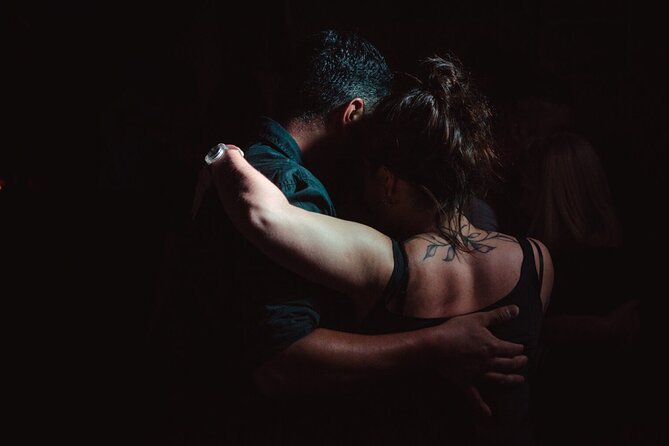
You’re doing two things: learning moves and then watching (and possibly dancing) in a milonga setting. You’ll be happier if you keep your outfit practical.
- Wear comfortable shoes with good grip. If you own tango shoes, bring them, since at least one guest used the night to test their new pair.
- Bring a light layer. Buenos Aires nights can shift, and you’ll be transitioning between a studio area and the venue.
- If you’re 18 or older, carry ID just in case. Alcoholic beverages are included, but they’re for 18+ only.
Who this tour fits best in Buenos Aires
This is ideal if you want more than a tango show. You’ll love it if you want:
- A guided first tango lesson you can understand quickly
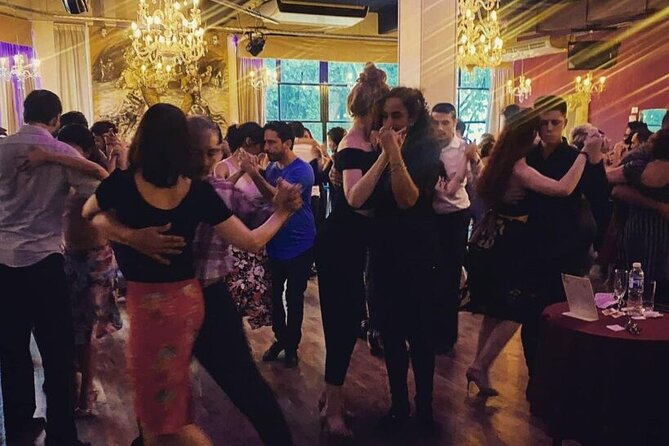
- A chance to watch how locals dance in a milonga setting
- Explanations that cover tango codes and the social side of the dance
- A private night with a guide who can talk to you in English (and also Spanish or Japanese)
It’s also a good fit for mixed experience levels. The hosts teach fundamentals, but the guidance is still valuable if you already know some steps. And because you’re at a table and getting context, you don’t need to be a “dancer type” to have a great time.
Should you book this private tango night?
I’d book it if your priority is a real Buenos Aires tango night with coaching and local context. The structure—lesson first, milonga second, wine and guided conversation throughout—solves the two biggest problems with tango tourism: not knowing what you’re looking at, and feeling lost in a venue where people already know the rules.
Skip it only if you want a purely spectator experience with zero interaction, or if late nights at 9:30 pm are a hard no for your group. And if you’re booking close to the date, do keep an eye on your confirmation details and make sure you have a working way to contact the guide.
If you’re curious about tango as a living social culture, this is the kind of night that tends to stick in your memory long after the music stops.
FAQ
What time does the tour start?
The tour starts at 9:30 pm.
How long is the experience?
It’s approximately 3 hours.
Is this a private tour?
Yes. It’s private, with only your group participating.
Where is the meeting point?
The start address is Honduras 3700, C1174 Cdad. Autónoma de Buenos Aires, Argentina. The exact meeting point is provided once you book.
Does the tour include transportation?
Yes. Transportation is included from the lesson to the milonga.
What’s included in the price?
The price includes the tango lesson, transportation, wine/alcoholic beverages (for 18+), all fees and taxes, and a guide who is fluent in English, Spanish, and Japanese.
Are alcoholic beverages included?
Yes. Alcoholic beverages include Argentinian wine, and they’re only for travelers who are 18 years old and above.
Is a live orchestra guaranteed?
No. Live tango orchestra or dance performances are dependent on the day you book, though live music and performances are likely.
Do I need to tip?
Tips are not included.
What is the cancellation policy?
Free cancellation is available up to 24 hours in advance for a full refund. If you cancel within 24 hours of the start time, it isn’t refunded.