REVIEW · BUENOS AIRES
Private Customizable City Tour of Buenos Aires
Book on Viator →Operated by Signature Tours · Bookable on Viator
Buenos Aires in three hours, with room to tweak. What makes this tour work is the private hotel pickup/drop-off plus a customizable route that lets your guide steer the day toward what you care about. One possible drawback: it’s a highlight tour, so you’ll likely want longer time later to go deep in your favorite neighborhoods.
I like that the pace stays human. You get short, focused walks—then you’re back in the car to cover distance without burning half your day in transit. And the guide element is a big deal here; in real bookings, people have been paired with hosts like Pablo, Leo, Miriam, Diego, and others who are praised for clear explanations and for adjusting the plan when plans change.
This is also the kind of tour that helps you choose the rest of your trip. If it’s your first day (or your only day), you’ll come away with a working map of Buenos Aires neighborhoods and what each one feels like—political center, immigrant docks, Sunday street market zone, and the grand cemetery district.
In This Review
- Key Things I’d Watch for on This Private Buenos Aires Tour
- Private Pickup and a Route You Control
- Plaza de Mayo: Where Buenos Aires Watches History
- San Telmo and Dorrego Square: Antique Shops and Tango Energy
- La Boca and Caminito: Colorful Houses with Real Working-Class Roots
- Puerto Madero and Retiro: Bay Views, Business-Era Contrast
- Florida Street, Train Station Sights, and the Kavanagh Views
- Recoleta Cemetery: Argentina’s Wealth-Era Architecture in Stone
- How Much Does It Cost, and Is It Worth It?
- Practical Tips for a Smooth 3-Hour Buenos Aires Orientation
- Should You Book This Private Buenos Aires City Tour?
- FAQ
- How long is the private customizable city tour in Buenos Aires?
- What does the tour cost?
- Is this tour private, and do I get hotel pickup and drop-off?
- Which areas and landmarks will we visit?
- Are admission tickets included for the stops?
- Can I cancel for free?
Key Things I’d Watch for on This Private Buenos Aires Tour
- Hotel pickup/drop-off: you start and end with minimal hassle, especially if you’re staying outside the center
- True customization: you can steer the order and emphasis based on your interests and pace
- Big sights, short walks: you’ll see a lot without turning the day into a stamina test
- Guide-led context: the day links architecture, politics, and everyday neighborhood life
- Kid-friendly, private format: only your group participates, so the vibe stays flexible
Private Pickup and a Route You Control
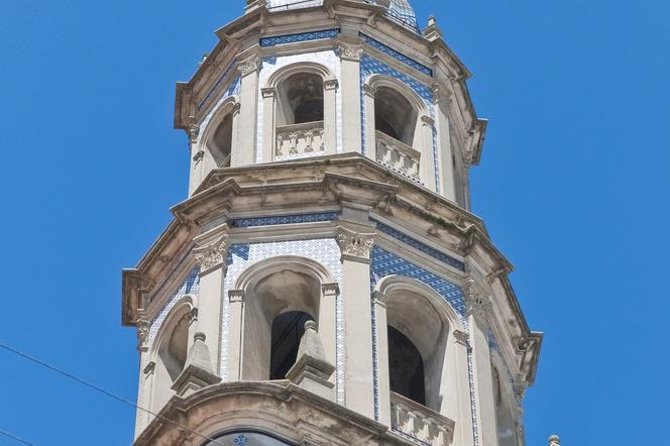
Let’s start with the simplest value: you’re not fighting Buenos Aires logistics. With hotel pickup and drop-off, you avoid the usual scramble of finding meeting points, negotiating taxis, and then figuring out where to go once you finally arrive. That matters a lot in a city where neighborhoods can feel worlds apart.
The other big advantage is control. A private tour means you’re not locked into a group script. You can ask for more time on the places that grab you—maybe you want longer photo stops in La Boca, extra context around Plaza de Mayo, or a calmer walk in Recoleta. If you want a quick overview to build your next day plans, you can do that too.
Because it’s about highlights, the day is structured but not rigid. You’ll still have set stops—Plaza de Mayo, San Telmo, La Boca/Caminito, Puerto Madero, Retiro, and Recoleta—but your guide can shape the emphasis and the order within reason. This is ideal when you’re traveling with different preferences in the group, like history buffs plus people who just want iconic photos.
One small consideration: since there’s customization, it helps to tell your guide early what you want. If your group includes someone with language needs (for example, Italian speakers), you’ll want to make sure your guide can work comfortably in the language you prefer—there’s at least one reported mismatch that you don’t want to repeat.
You can also read our reviews of more city tours in Buenos Aires


Plaza de Mayo: Where Buenos Aires Watches History
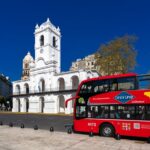
Plaza de Mayo is the city’s political heartbeat. This is the historic square in Monserrat where Buenos Aires took shape, and it’s tied to the Revolution of May on May 25, 1810, when citizens gathered to push out the Viceroy and form a creole government.
In just a short time here, the guide’s job is to connect the dots: why this square matters, how the surrounding area reflects power and authority, and how the idea of public space links to Argentina’s modern story. Even if you’re not a politics person, the square gives you a baseline for understanding the rest of the city.
What you’ll enjoy most is the contrast. Plaza de Mayo feels formal and historic, like the stage where major decisions were made. Then the tour moves outward into neighborhoods where daily life shows up in murals, cafés, markets, docks, and architecture. That shift is the point.
The only practical drawback is time. If you show up and expect a long sit-down tour of every building around the square, this isn’t that type of day. It’s a smart orientation stop—enough to make you understand where you are and why it matters.
San Telmo and Dorrego Square: Antique Shops and Tango Energy
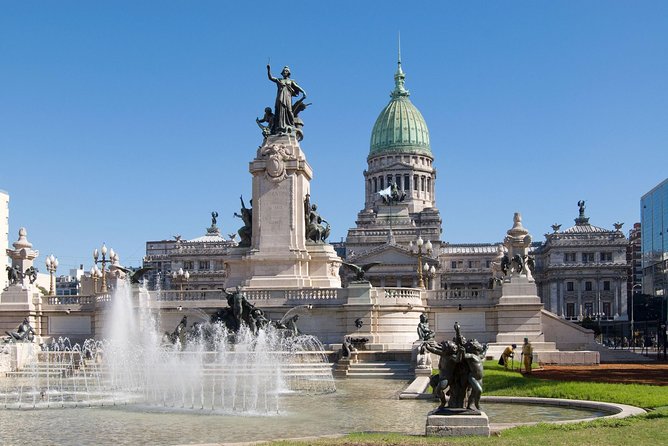
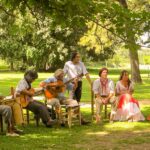
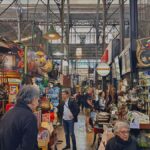
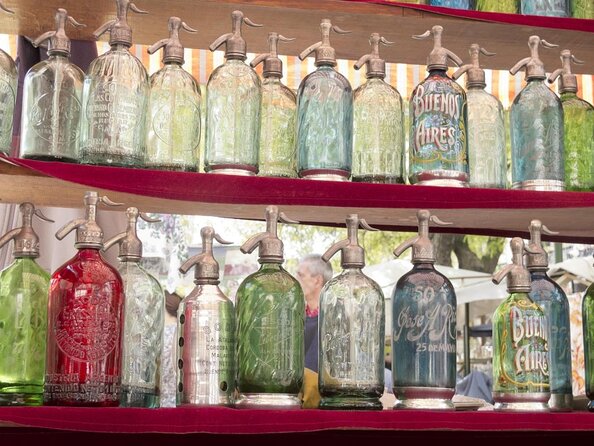
San Telmo is the older neighborhood with a bohemian side—street murals, small galleries, and a Sunday reputation that turns it into a lively market scene. You’ll pass by the Defensa street area with antique shops and brasseries, then head toward Dorrego Square, known for street performances and the Sunday street market.
What makes San Telmo special on a private tour is that you get context, not just a list of sights. The guide can explain how the neighborhood’s character comes from a mix of old buildings, the slow rhythm of traditional commerce, and the modern layer of art and nightlife.
The nearby Lezama Park area, with jacaranda trees, adds a different mood. You’re not just in shopping mode—you get a sense of how the neighborhood offers outdoor breathing room too.
Possible consideration: San Telmo can be busy depending on the day and time. A private guide helps because they can time your walking spots and keep you moving at a pace that works for your group. Still, if your group prefers quiet photo moments, plan to lean into the calmer streets rather than the heaviest market corners.
La Boca and Caminito: Colorful Houses with Real Working-Class Roots
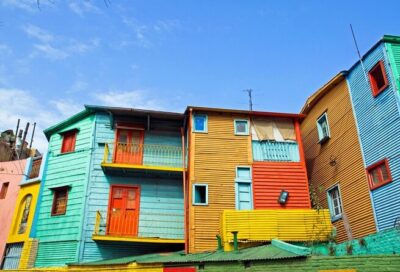
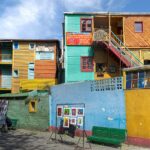
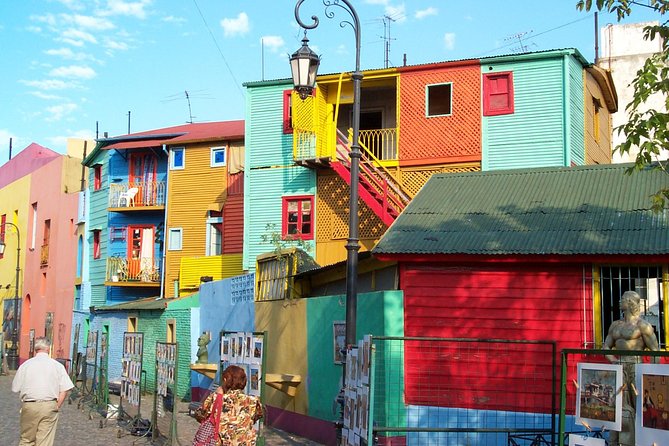
La Boca is one of those places that instantly signals Buenos Aires’ immigrant-and-working-class history. This is the neighborhood along the Riachuelo, and it’s known for the bright zinc houses lining Caminito, a narrow alley that feels like a museum you can walk through.
Caminito is often associated with tango, and here you get the connection: the area inspired the tango Caminito, composed in 1926 by Juan de Dios Filiberto. When your guide ties the art on the walls to the music idea, it stops being just a photo stop and starts feeling like cultural storytelling.
You’ll also see the kind of neighborhood details that make La Boca feel alive: street art, small signs of local life, and the sense that the area isn’t only for tourists—it grew from real communities. That working-class layer is part of why La Boca can feel more grounded than some other “postcard districts.”
One of the most iconic sights tied to La Boca is the Bombonera stadium, the home of Boca Juniors. Even if you’re not a soccer superfan, it’s a reminder that in Argentina, sports can be a strong cultural identity.
Time-wise, expect shorter stops here. That can be frustrating if you’re hoping to “live” in La Boca for a full afternoon, but for most visitors it’s enough to get the look, the story, and the best photo angles—then you can return later on your own if it’s a must.
Puerto Madero and Retiro: Bay Views, Business-Era Contrast
Puerto Madero is the renovated waterfront zone facing the bay. You’ll see modern energy here: redbrick buildings turned into popular dining spots, plus nearby office-and-skyscraper sections that feel much more global than the older districts.
The walking and scenery angle is strong. The area includes trails around the water and access to the Costanera Sur ecological reserve, a popular spot for runners and families. If you’re the kind of traveler who enjoys “watching a city move,” this is where you’ll get that.
You’ll also pass the Woman bridge, the elegant suspension bridge that connects ports and gives the bay an unmistakable silhouette. It’s the kind of view you’ll want at least a couple minutes for photos, even if the tour is keeping pace.
Then you swing toward Retiro, a neighborhood with more quiet streets and a strong mix of gallery cafés and transport energy. The train station at Retiro is a focal point with British-style architecture and a fast-food edge around it. This area shows another side of Buenos Aires: logistics and movement, not just history and culture.
If your group enjoys design and city planning, Puerto Madero and Retiro together do a good job explaining how Buenos Aires layers the old city with newer functions.
A practical tip: in these zones, your time is often spent in short segments between stops. If you want a longer waterfront walk, consider asking your guide to adjust where you spend your free minutes.
You can also read our reviews of more private tours in Buenos Aires





Florida Street, Train Station Sights, and the Kavanagh Views
Retiro also connects you to areas that feel central and commercial, including the Florida pedestrian street zone with leather goods boutiques, souvenir stalls, and street performers like tango dancers. Even if shopping isn’t your top priority, this street gives you that classic “in the middle of things” Buenos Aires feeling.
And then there’s the architectural highlight: the Kavanagh building, an art deco tower offering views over Plaza San Martín. The tour’s time may be brief, but that stop helps you understand why Buenos Aires has so many landmark buildings that are both functional and symbolic.
In general, this middle section of the tour is great for creating variety. You’ve gone from historic politics to bohemian streets to immigrant color, and now you land in a cleaner, more structured blend of business, transport, and pedestrian shopping.
The only drawback here is that it can feel a bit more “city on the move.” If you want pure neighborhood texture without commercial edges, you might prefer to use your customization time to trade some shopping-street segments for extra minutes in San Telmo or Recoleta.
Recoleta Cemetery: Argentina’s Wealth-Era Architecture in Stone
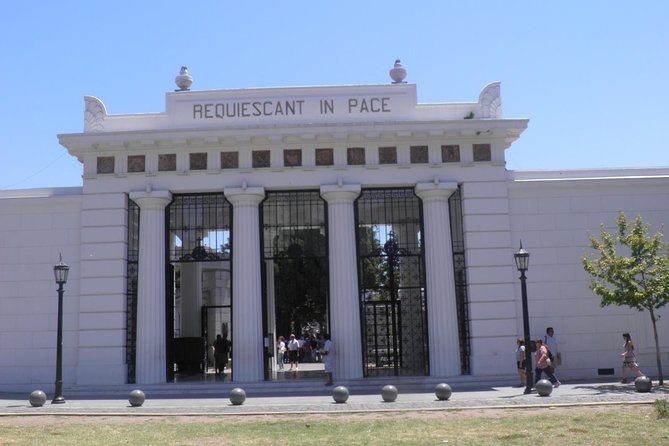
Recoleta is the refined side of Buenos Aires, and Recoleta Cemetery is one of its best-known landmarks. This cemetery district is famous for imposing buildings that reflect the wealth and power of the city’s late 18th-century elite—families who moved here as Buenos Aires grew in economic strength.
The standout feature is architecture. Even if you don’t do cemeteries as a rule, Recoleta Cemetery works because the structures feel like sculpture and city design. Your guide’s job is to point out what you’re seeing—how the design style fits the era, and why the cemetery became such a signature place for visitors.
Recoleta also gives you a change in tone after La Boca’s intense color and Plaza de Mayo’s heavy symbolism. The atmosphere here is more orderly and reflective. It can feel like a step back in time, not through museum halls but through stone facades and monumental scale.
Possible consideration: since it’s a cemetery, you’ll want to keep the visit respectful and slow. If your group is in “quick photo mode,” ask your guide to set the expectation for a calmer pace.
How Much Does It Cost, and Is It Worth It?
At $135 per person for about 3 hours, this is not the cheapest way to see the city. It is, however, often one of the better-value ways to reduce wasted time in Buenos Aires.
Here’s why: you’re paying for (1) private transport in a car, (2) a professional local guide, and (3) hotel pickup/drop-off. If you’re traveling with a family or a small group, the private format can actually make the day feel efficient instead of stressful.
This tour is also priced for people who want results fast. If you only have one day, a private orientation tour like this helps you decide what to do next—whether that’s returning to La Boca for a longer stroll, spending more time in Recoleta’s surrounding streets, or exploring more of San Telmo markets.
Where it might not be worth it: if you’re a slow traveler who wants deep exploration of one neighborhood only, 3 hours can feel short. You might be better off booking a longer, single-neighborhood experience. But if your goal is to get your bearings and see the key areas without the friction, this hits the sweet spot.
Practical Tips for a Smooth 3-Hour Buenos Aires Orientation
1) Wear comfortable shoes. You’ll do short walks at multiple stops—enough to feel it after a few hours, especially if you’re moving between sunlight and shaded streets.
2) Plan for photos, then plan for context. This tour does both, but you’ll get more out of it if you ask your guide what to look for beyond the obvious shots.
3) Customize in your first 15 minutes. Tell your guide what your group cares about—history, architecture, neighborhoods, tango culture, or just the best “I was here” views.
4) Ask language questions up front if it matters. You want a guide who can match your preferred language comfortably, since that can vary by assignment.
5) Keep your next-day plans flexible. After a tour like this, you’ll often want to return to one place for longer. Leave space in your schedule so you can follow your own curiosity.
If you’re traveling with kids, this works well because it’s paced with frequent breaks from walking and clear, short stops. The private setup also helps keep attention on what the group finds interesting.
Should You Book This Private Buenos Aires City Tour?
I’d book it if you fit at least one of these scenarios:
- You’re visiting Buenos Aires for a short stay and want fast, organized orientation across top neighborhoods.
- You want a private guide who can explain the city’s why, not just the what.
- Your group includes mixed interests—some people want landmarks, others want neighborhood flavor.
- You value hotel pickup/drop-off because you’d rather spend time exploring than figuring out logistics.
I’d think twice if:
- You want a slow, neighborhood-deep day with long museum-style wandering.
- You’re very sensitive about language fit and haven’t clarified it in advance.
Given the strong overall rating (4.9 out of 5) and the fact it’s often reserved about 50 days ahead, it’s a popular “first-day” option. If Buenos Aires is your trip priority, this is a smart way to start with clarity instead of guesswork.
FAQ
How long is the private customizable city tour in Buenos Aires?
It lasts about 3 hours.
What does the tour cost?
The price is $135.00 per person.
Is this tour private, and do I get hotel pickup and drop-off?
Yes. It’s a private tour for your group only, and it includes hotel pick-up and drop-off.
Which areas and landmarks will we visit?
You’ll see Plaza de Mayo, San Telmo, La Boca (including Caminito), Puerto Madero, Retiro, and Recoleta (including Recoleta Cemetery).
Are admission tickets included for the stops?
The listed sights in the schedule show admission ticket free.
Can I cancel for free?
Yes. You can cancel up to 24 hours in advance for a full refund.