REVIEW · BUENOS AIRES
N1 Coffee Tasting Experience in Buenos Aires
Book on Viator →Bookable on Viator
Buenos Aires runs on coffee opinions. This tasting turns those opinions into skills, with a sensory workshop that mixes single-origin sampling, guided tasting, and a fun smell game. I especially love the hands-on style and the way Lyubov keeps the session light while still serious about quality. A possible drawback: if you’re in the mood for a quick caffeine stop, this is more class than drive-thru.
My second big win is the Le Nez du Cafe smell kit and aroma training. You’ll taste and sniff your way to clearer flavor language, so the cup becomes easier to understand (and enjoy). Just keep in mind the main value is education—so you’ll get the most if you’re open to tasting variations, not only drinking one “safe” favorite.
In This Review
- Key Points Before You Go
- Where N1 Coffee Tasting Starts: Al Diablo Roasters and a Ready-Made Classroom
- Lyubov’s Specialty Coffee Lesson Plan: From Seed to Cup Without the Snooze Factor
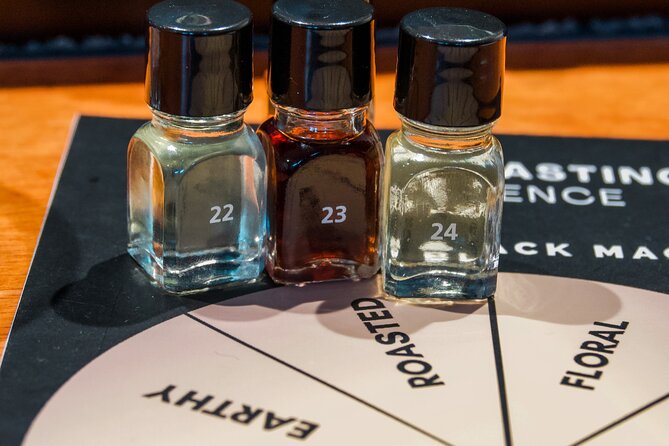
- The Smell Game with Le Nez du Cafe: Training Your Nose for Real Flavor Notes
- Sampling Fresh Single Origin Coffees: How Comparisons Teach Your Palate
- Reading Coffee Labels Like a Grown-Up: What to Trust on the Bag
- Brewing, Roasts, and Brewing Methods: Turning Tasting Into Better Cups
- Timing and Logistics That Matter (Without Becoming a Spreadsheet)
- Price and Value: Is $85 Worth It in Buenos Aires?
- Who This Experience Fits Best (And Who Might Skip It)
- Should You Book N1 Coffee Tasting in Buenos Aires?
- FAQ
- How long is the N1 Coffee Tasting Experience?
- Is this coffee tasting private or shared?
- Where do we meet for the experience?
- Do you offer morning and afternoon departures?
- What will I do during the tasting?
- What is the price per person?
- What is the cancellation policy?
Key Points Before You Go
- Private, undivided attention for your group, so questions don’t get lost in the shuffle.
- Le Nez du Cafe smell workshop that teaches you how aromas map to flavor notes.
- Single origin coffee sampling focused on freshly roasted coffees and comparisons across varieties.
- Seed-to-cup specialty coffee lessons that help you read quality signals instead of guessing.
- Coffee label clarity so marketing terms stop being a puzzle.
- Morning or afternoon departures so you can fit it into your Buenos Aires rhythm.
Where N1 Coffee Tasting Starts: Al Diablo Roasters and a Ready-Made Classroom
Your experience begins and ends at Al Diablo Coffee Roasters (Costa Rica 4752, C1414). That matters more than it sounds. You’re not traveling between scattered stops. You’re settling in where the coffee world is already happening, and you stay in that environment long enough to build real sensory memory.
This format is ideal for travelers who like structure but don’t want a rigid script. You’ll start with introductions and then move into the tasting workshop flow, with Lyubov guiding each step. The session is about 2 hours 30 minutes on average, and some experiences run closer to 3 hours depending on pace and questions.
If you’re scheduling this on a busy day, pick a time you won’t rush. You’ll be smelling and tasting, not just listening. Rushing kills the point.
You can also read our reviews of more food & drink experiences in Buenos Aires

Lyubov’s Specialty Coffee Lesson Plan: From Seed to Cup Without the Snooze Factor
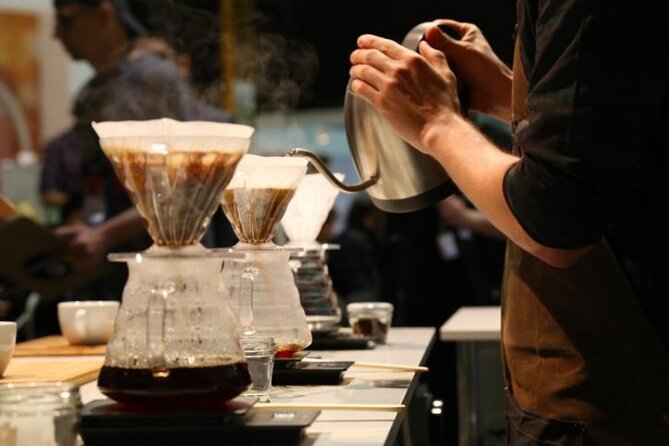
The heart of the tour is the instruction on specialty coffee—what it is, why it tastes the way it does, and how quality shows up along the production chain. You don’t need to know coffee jargon first. The teaching approach is built for beginners who want real explanations, plus coffee lovers who want sharper vocabulary.
Here’s what you should expect conceptually. You’ll connect the dots between cultivation and processing decisions, and what those decisions create in the cup. That “seed to cup” framing is a practical shortcut: it helps you stop treating flavor as magic and start treating it as cause and effect.
I like that this is not only theory. Lyubov ties the story of coffee to what you’re tasting right in front of you. That keeps the class from turning into a lecture you forget on the walk home. It also helps you understand why two coffees that both say medium roast can taste totally different.
The Smell Game with Le Nez du Cafe: Training Your Nose for Real Flavor Notes
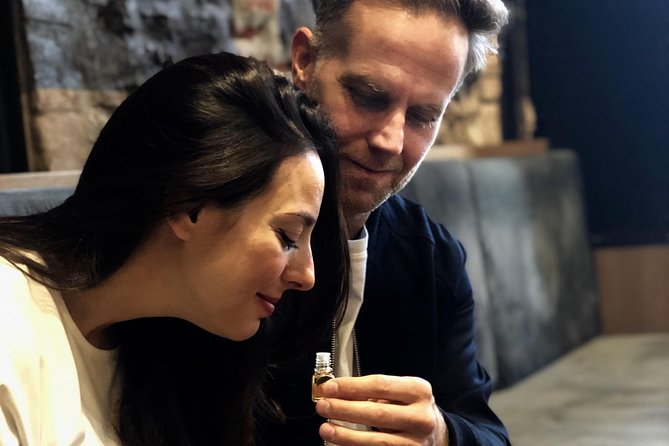
One of the most praised parts is the sensory training using Le Nez du Cafe. Smell is usually the missing link in coffee appreciation, because most people drink coffee first and analyze later. This experience flips that order. You train your nose early, then use that training while you taste.
The workshop turns aroma recognition into a playful learning moment. You’ll smell different scents, compare them, and try to connect what you detect to what you later experience on the palate. It’s not about being “good at smelling.” It’s about learning how smell works as a tool for tasting.
Why this is valuable: once your aroma recognition improves, your coffee descriptions get less vague. Instead of saying it tastes strong, sweet, or bitter, you start noticing specific cues. Even better, you learn a method you can reuse at home—especially when you open a new bag and want to know what you’re likely to get.
Sampling Fresh Single Origin Coffees: How Comparisons Teach Your Palate
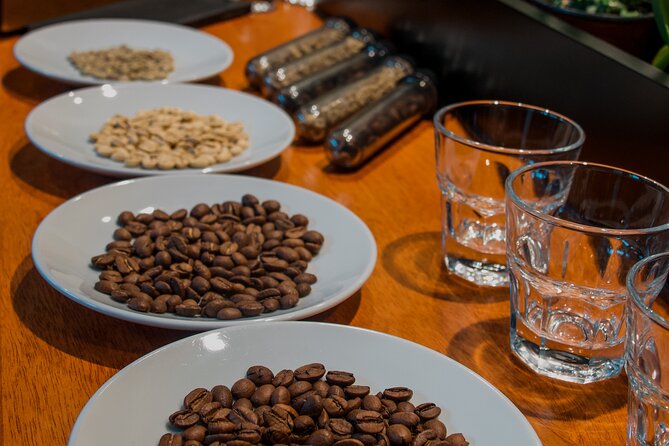
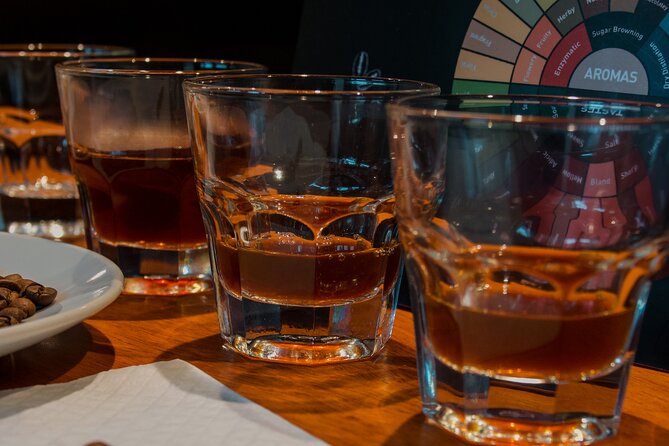
The tasting part focuses on single origin coffees—coffees where you can trace flavor characteristics back to a specific origin. That’s important because it makes comparisons meaningful. When you sample across varieties, you’re not just changing brands. You’re training your palate to spot differences tied to production and processing choices.
You’ll taste a variety of freshly roasted coffees from top roasters in Buenos Aires. You’ll be guided through the comparison step-by-step, which is the difference between random sipping and real learning. You won’t just be handed cups. You’ll be asked to notice what changes from one coffee to the next: aroma, flavor progression, and overall balance.
One of the clever parts of this style is that it teaches you how to build a personal preference. The goal isn’t to crown one “best” coffee. It’s to help you figure out which types match your palate—so you can choose more confidently later.
Reading Coffee Labels Like a Grown-Up: What to Trust on the Bag
A big confusion for coffee drinkers is labels. They promise big flavor claims, but the terms can feel like marketing fog. During the experience, you’ll learn how to interpret coffee bag information more clearly.
You’ll get practical language for what to look for and what it usually means in the cup. That includes understanding the difference between what a bag describes versus what you actually experience when you taste and smell the coffee.
This is one of those skills that pays off fast. After you’ve built even a little sensory vocabulary during the workshop, you can walk into a café or open a bag at home and make choices with less guesswork.
If you like the idea of turning “I like it” into “I know why I like it,” this is the portion you’ll appreciate.

Brewing, Roasts, and Brewing Methods: Turning Tasting Into Better Cups
The experience also covers how roasting and preparation shape taste. You’ll discuss nuances like roast profiles and how brewing choices can change what you notice in flavor and aroma.
This doesn’t mean you’ll leave with a full lab setup. It means you’ll learn the logic behind better brewing decisions. If you’re making coffee at home, you’ll be able to adjust your approach with more intention—based on what you learned during tasting.
And if you don’t brew at home yet, you’ll still benefit. Knowing how roast and brewing affect flavor makes you a smarter orderer at cafés. You’ll stop ordering blindly and start ordering with a “what am I trying to taste?” mindset.
Timing and Logistics That Matter (Without Becoming a Spreadsheet)
This is private, meaning it’s only your group. That’s a real advantage for a workshop like this. It keeps the pace comfortable and gives you room for questions.
You have morning or afternoon departure options, so you can match it to your energy level. If you’re a morning person, the tasting style works great before the city’s full hustle. If you’re more of an afternoon wanderer, you’ll still get the same sensory focus—just schedule it so you’re not rushing to dinner right after.
Because the experience is popular, it’s commonly booked about 38 days in advance. My advice: book when you know your dates. Specialty coffee training isn’t the kind of thing you want to gamble on last minute.
Price and Value: Is $85 Worth It in Buenos Aires?
At $85 per person, you’re paying for more than coffee samples. You’re paying for a private guided sensory workshop, a smell kit (Le Nez du Cafe), and structured teaching that connects origin, roasting, aroma, and taste.
So the real question is: do you want to learn how to taste, or do you just want to drink coffee? If you’re only after caffeine, you could find cheaper cups around Buenos Aires. But if you want a skill you can use for months—like reading labels, describing flavor, and picking beans that match your palate—then the price starts to make sense.
Also, private attention is part of the value. In a group tasting, you might get half the feedback. Here, the workshop is designed so you can follow the reasoning and ask questions as they come up.
Who This Experience Fits Best (And Who Might Skip It)
This is a great match for:
- Coffee lovers who already drink specialty but want better tasting skills
- Beginners who want a clear path into coffee without getting overwhelmed
- Travelers who like interactive learning—smelling, touching, tasting, comparing
It may be less ideal if you:
- Want a short, casual coffee stop with minimal instruction
- Don’t enjoy sensory activities like smelling aromas and practicing flavor recognition
If you’re curious either way, lean toward booking. The session is structured to be fun while still educational, and the feedback from the room tends to be consistently strong.
Should You Book N1 Coffee Tasting in Buenos Aires?
Yes—if you’re the type of traveler who likes to come home with a useful skill. This isn’t just tasting. It’s tasting plus a method. You’ll leave with better coffee language, stronger aroma awareness, and a clearer sense of what you personally enjoy.
I’d skip it only if your ideal Buenos Aires day is low-effort and fast. Otherwise, this workshop turns your coffee break into one of those memorable, practical experiences you actually use afterward—when you order, when you buy beans, and when you taste at home.
FAQ
How long is the N1 Coffee Tasting Experience?
It runs about 2 hours 30 minutes on average.
Is this coffee tasting private or shared?
It’s a private tour/activity, so only your group participates.
Where do we meet for the experience?
You meet at Al Diablo Coffee Roasters, Costa Rica 4752, C1414 Cdad. Autónoma de Buenos Aires, Argentina. The tour ends back at the meeting point.
Do you offer morning and afternoon departures?
Yes, you can choose either a morning or afternoon tour departure.
What will I do during the tasting?
You’ll sample different freshly roasted single origin coffees and learn coffee tasting in a sensory workshop using the Le Nez du Cafe smell kit.
What is the price per person?
The price is $85.00 per person.
What is the cancellation policy?
Free cancellation is available up to 24 hours in advance for a full refund. If you cancel less than 24 hours before the start time, the amount paid is not refunded.