REVIEW · BUENOS AIRES
Buenos Aires in One Day Private Walking Tour
Book on Viator →Operated by Buenos Aires Walking Tours · Bookable on Viator
Buenos Aires makes more sense when you walk it. This private route strings together major landmarks and everyday neighborhoods, with a local English-speaking guide who connects the buildings to the people and politics behind them; I also love how much time you spend on foot in places like San Telmo and Recoleta, not just doing quick photo stops. One trade-off: you’ll cover a lot of ground, and the plan may include one taxi ride between distant sights (cost not included).
You’ll start around 10am at the café meeting point near Paraguay St., then move through the city in a way that feels like a timeline: British influence, French/Italian neighborhood flavor, the power center downtown, and then the older streets of Monserrat/San Telmo. Guides I’ve seen mentioned—like Carlos, Clemencia, Soledad, and Eilat—tend to be the kind who keep talking because the streets give them something to point at.
The day runs about 6 hours (often longer depending on pace), works rain or shine, and includes a cemetery ticket for Recoleta. Food is on your own for the coffee/lunch break, so you’ll want to budget time and some extra cash beyond the tour price.
In This Review
- Key takeaways before you go
- The value question: is $199 per person worth it?
- Meeting at Florida Garden: where the day really starts
- Retiro and Barrio Norte: French, British, and the politics in the stones
- Recoleta Cemetery: Evita Perón’s tomb and the big symbolism
- Palermo’s grand gestures: monuments, art institutions, and that giant flower
- El Centro (Downtown): old streets, the Obelisco, and British-era wealth
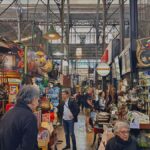
- San Telmo and Monserrat: Dorrego’s antiques market with real context
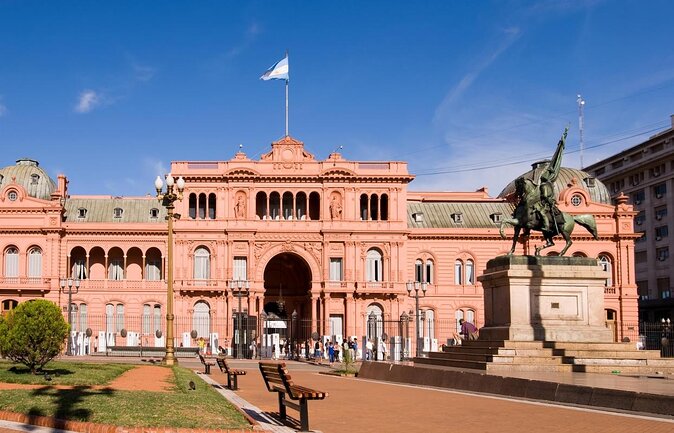
- Plaza de Mayo, Casa Rosada, and Catedral Primada: standing next to Argentina’s power
- Puerto Madero: modern waterfront over old British docks
- Price and logistics: the one taxi ride detail you should plan for
- Who should book this tour (and who might skip it)
- Should you book Buenos Aires in One Day Private Walking Tour?
- FAQ
- How long is the Buenos Aires in One Day private walking tour?
- What time does the tour start?
- Where do I meet the guide?
- What’s included in the price?
- Are meals included?
- Do I need to pay for transportation during the tour?
- Where does the tour end?
- Does it run in rain?
- Is this tour truly private?
- Is the tour suitable for kids?
Key takeaways before you go
- A true walking route: designed for street-level understanding, not a bus-and-stop format
- Revelations in plain sight: stories tied to Plaza de Mayo, British stations, and the architecture of neighborhoods
- Recoleta Cemetery is the centerpiece: Evita Perón’s burial site and monuments get real attention
- San Telmo’s antiques square has context: Dorrego Park is paired with the darker Slave Market history
- Two-guide days can happen: some schedules may rotate guides, so language and pacing can vary
- End location is different from start: the tour finishes around Plaza Dorrego, so plan your next move
The value question: is $199 per person worth it?
At $199 per person, this isn’t a budget stroll. It’s priced like a focused, private day with a guide who’s willing to talk history and architecture while you’re still walking, not after you reach a viewpoint.
I think it’s worth it if:
- You only have one day and you want the big “why” behind Buenos Aires fast.
- You like architecture and city storytelling, especially the mix of European influence and local political life.
- You’re comfortable walking for hours and using transit/taxis when needed.
It’s less worth it if your dream day is mostly inside museums and churches, or if you want lots of building entry for every stop. This is a streets-first tour: you’ll see plenty, but not every landmark is entered.
You can also read our reviews of more walking tours in Buenos Aires
Meeting at Florida Garden: where the day really starts
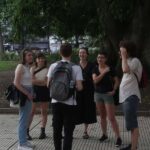
Your tour begins at 10:00am at Florida Garden (Florida 899). You meet outside the café corner door at the corner with Paraguay St., looking for guides holding a small BA Walking Tours sign.
This matters more than it sounds. Buenos Aires can be a maze of similar streets and traffic noise. The guide-style sign helps you lock in quickly, and that keeps the day on time.
Practical tip: wear comfortable shoes that can handle uneven sidewalks and long stretches. The tour is built for walking, and the schedule assumes you move when the group moves.
Retiro and Barrio Norte: French, British, and the politics in the stones
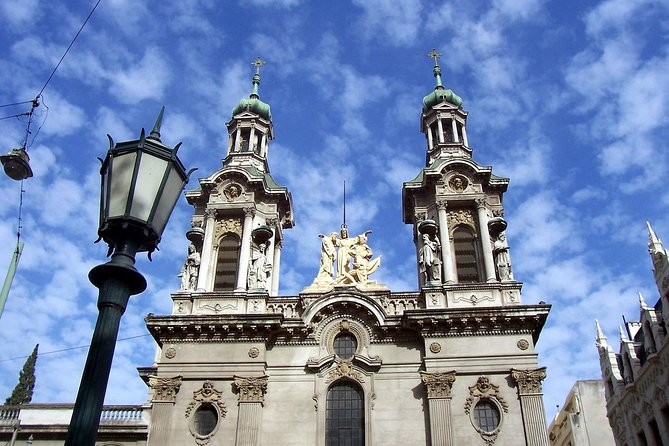
The morning section focuses on the city’s more formal side, starting in Retiro and sliding toward Barrio Norte.
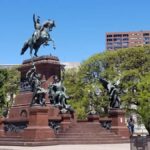
In Retiro, you’ll spend time around Plaza San Martín and landmarks tied to Argentina’s nation-building. The stops aren’t just “look at that.” The guide explains how Argentina’s identity formed—plus the unexpected British presence tied to clock towers and rail terminals.
This is one of the reasons I like the flow here: you can literally walk from architectural elegance to the story of why those styles and institutions landed in Argentina.
As you move along Avenida Alvear, you hit another layer: French and Italian influence in the neighborhood feel, plus the way religious and immigrant communities left marks on major streets and palaces. You also pass embassy-worthy buildings (French Embassy is called out) and stately mansions tied to big names and old money.
If you care about how Buenos Aires looks like Paris in places, this is where it starts showing up on the route—especially around the Belle Époque vibe.
Recoleta Cemetery: Evita Perón’s tomb and the big symbolism
Recoleta is where the tour becomes emotionally and historically heavier. The plan includes Recoleta Cemetery for about 45 minutes, and cemetery admission is included.
You’ll get a guided walkthrough of monuments and stories, including Evita Perón’s burial. Even if you think you already know the Evita storyline, the cemetery setting changes the feel. It’s not a quick name-drop; it’s about how power, memory, and status are written into stone.
A note based on real feedback: some people feel the cemetery time is long. If you’re not into graves and monuments as a historical subject, you might want to mentally prepare for a slower segment. The trade-off is that this tour gives more narrative than the typical quick cemetery photo stop.
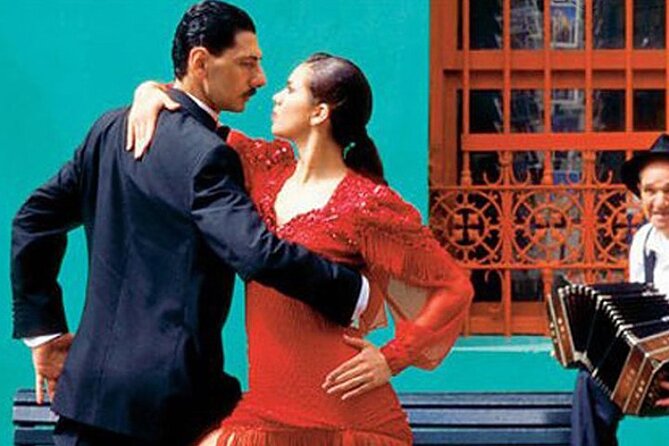
On the surrounding Recoleta area, you’ll also see places tied to the neighborhood’s identity—churches in the area and references to tango’s coming of age via Palais de Glace, plus design-focused stops.
Palermo’s grand gestures: monuments, art institutions, and that giant flower
Next comes Palermo, Buenos Aires’ largest neighborhood. This segment leans into the city’s cultural and public-space side.
You’ll move past major art and civic landmarks, including:
- the National Library building
- the National Gallery of Art
- monuments like Floralis (the giant flower)
- Peynot’s Grand Monument, tied to France’s centennial gift
- an Evita Perón monument linked to where she died (as described on the route)
This part is great for a “breathing space” between denser, political downtown sights. It also helps you see that Buenos Aires isn’t only about government buildings and older colonial streets. People live, create, and gather in spaces that feel deliberately designed.
You can also read our reviews of more private tours in Buenos Aires




El Centro (Downtown): old streets, the Obelisco, and British-era wealth
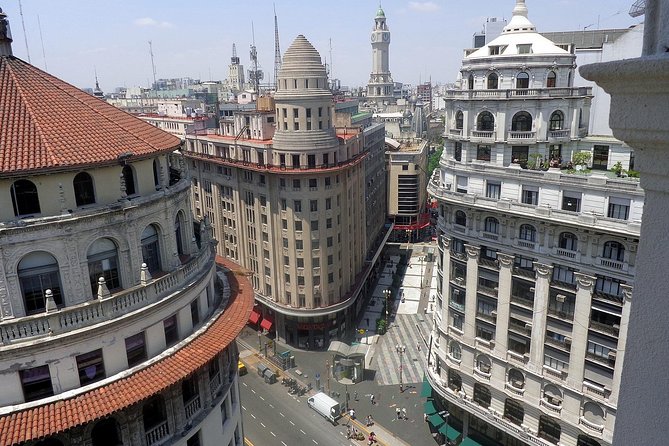
The day then swings into El Centro, the classic downtown feel.
Highlights here include Calle Florida, described as the oldest street on the route, plus the Galerías Pacífico area—where the guide explains British railroad-era roots and the building’s later transformation.
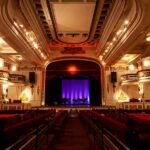
You’ll also see the Obelisco and hear what it stands for, plus links to national identity like the Mariquita Sánchez house (tied to the national anthem). The route includes major cultural architecture too, such as Teatro Colón.
This downtown stretch is also where the guide’s politics-and-economy storytelling shows up. You’ll pass banking and finance areas, and there are references to how Argentina’s more recent history shaped the city’s look—plus connections to wealth from ranching and military influence.
If you want Buenos Aires as a living contradiction—beautiful facades alongside political turmoil—this part delivers.
San Telmo and Monserrat: Dorrego’s antiques market with real context
San Telmo is where a lot of people come for the charm. On this tour, you get more than charm.
You’ll move through older-styled streets in Monserrat and into San Telmo, hitting key landmarks like the Cabildo, the Metropolitan Cathedral area, and the San Martín mausoleum (connected on the route to how Argentina became a nation).
You’ll also get pointed explanations about power: places tied to governmental architecture, the Ministry buildings and what shrapnel still hints at about past coups, and Piramide de Mayo along with references to the Walk of the Mothers of the Disappeared.
Then comes Plaza Dorrego, the center of the San Telmo Antiques Fair. The guide connects the market area to the dark history of the open-air Slave Market, which is a heavy moment—but an important one if you want the city’s story to be more than postcard scenes.
If you prefer your guided time to be mostly upbeat, San Telmo may feel intense in parts. If you want the full Buenos Aires picture, it’s one of the strongest segments of the day.
Plaza de Mayo, Casa Rosada, and Catedral Primada: standing next to Argentina’s power
For sheer “I’m here” feeling, the tour’s downtown capstone is hard to beat.
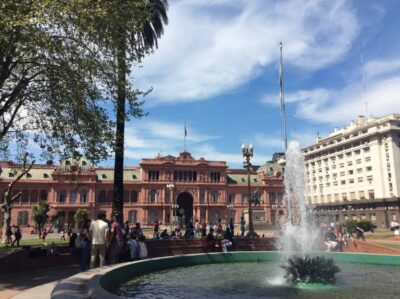
You’ll reach Plaza de Mayo and see the lineup that defines modern political Buenos Aires: Casa Rosada (the presidential office), the Cabildo, and references to the Mothers of the Disappeared.
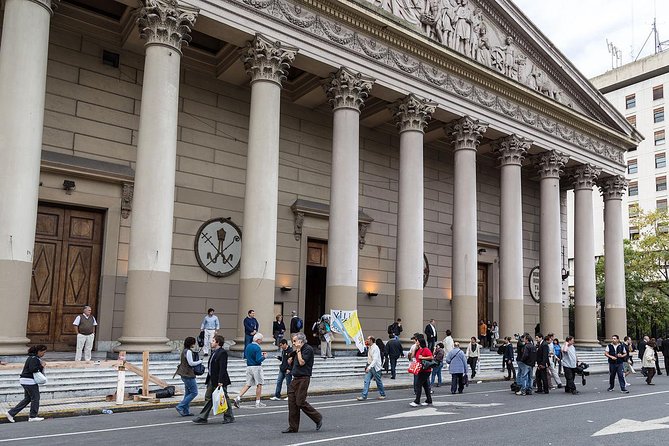
The route also highlights Catedral Primada, the main Catholic church in Buenos Aires and a site tied to Pope Francis officiating (as described on the tour). The story includes the presence of General San Martín’s impressive tomb.
This section works best when you treat it like history you can touch. You’re not only looking at monuments; you’re looking at a space where Argentina’s civic life plays out, with layers of meaning you’d miss if you just walked through quickly.
Puerto Madero: modern waterfront over old British docks
After older neighborhoods and political centers, the tour continues to Puerto Madero, described as Buenos Aires’ newer waterfront area built by extending across the old British dockyards into the water.
I like this contrast a lot. You finish seeing the city’s weighty heart, then you get a cleaner, modern shoreline feel—useful if you’re planning the rest of your day on your own afterward.
Price and logistics: the one taxi ride detail you should plan for
One practical detail to take seriously: the tour notes that during the day it may require one taxi ride to get between attractions, and the taxi cost is roughly USD $5–7 (not included).
So even if you’re booking a walking tour, don’t plan your day as strictly “all on foot.” Your feet will do the heavy lifting, but you’ll also use short rides to keep the schedule realistic.
Also, some routes can involve more than one guide during the day. In feedback I’ve seen, that split sometimes affects English fluency and pace. If you’re very language-sensitive, consider asking your provider ahead of time whether your guide will stay with your group for the full route.
Finally, the tour ends at Plaza Dorrego, not back at the starting point. That can be fine—San Telmo is a great place to continue exploring—but it does change how you’ll navigate your next transport step.
Who should book this tour (and who might skip it)
This tour fits best if you:
- Want a structured day that covers downtown power, Recoleta’s monuments, and San Telmo’s older streets
- Like architecture explanations tied to immigration and European influence
- Prefer a guide-led walking pace over museum-hopping
I’d think twice if you:
- Hate long walking days and would rather take transit with lots of sitting time
- Only want interiors and guided entry into major buildings
- Get annoyed if a mid-day guide change affects flow
Should you book Buenos Aires in One Day Private Walking Tour?
Yes, book it if you want your one day in Buenos Aires to be more than a hit list. This route has strong “street storytelling,” and the Recoleta Cemetery segment in particular gives the day a memorable center. It’s also a good value if you’re traveling in a pair or small group who will actually use the guide’s time—asking questions, stopping for details, and enjoying the walk.
Hold off if you’re primarily after quick sightseeing photos, lots of building entry, or a low-effort day. In this format, walking is the product.
If you do book, go in with the mindset that you’re buying context. By the end, Buenos Aires stops feeling like a city of separate landmarks and starts feeling like one connected story—told from sidewalk level up.
FAQ
How long is the Buenos Aires in One Day private walking tour?
It runs for about 6 hours.
What time does the tour start?
The start time is 10:00am.
Where do I meet the guide?
You meet at Florida Garden (Florida 899), outside the café corner door at the corner with Paraguay St., looking for the Buenos Aires Walking Tours sign.
What’s included in the price?
A local English-speaking guide is included, along with admission tickets for La Recoleta Cemetery.
Are meals included?
No. Coffee and lunch are a break during the tour, and meals are not included (own expense).
Do I need to pay for transportation during the tour?
The tour notes that you may need one taxi ride between attractions, and taxi cost is not included (approximately USD $5–7).
Where does the tour end?
The tour ends at Plaza Dorrego (Humberto 1º 400, near the San Telmo Antiques Market area).
Does it run in rain?
Yes, it operates rain or shine.
Is this tour truly private?
Yes. It’s private, and only your group participates.
Is the tour suitable for kids?
Children 8 and under are free of charge when accompanied by a paying adult. The tour also recommends moderate physical fitness due to the walking.