REVIEW · BUENOS AIRES
Boca tour: Tango, Soccer, Art and Immigration
Book on GetYourGuide →Operated by CULTOUR BA · Bookable on GetYourGuide
La Boca teaches Buenos Aires fast. I love the walk past Caminito street art, and I love how the guide ties tango culture to Italian immigration here. One catch: stadium time is included, but entrance fees and the public bus ticket are extra.
The best part is the small-group feel, so the walking doesn’t turn into a stampede. Guides like Juliette are praised for clear, interactive explanations and a safety-first vibe, which matters in this neighborhood. If you’re not into lots of steps, consider a slower day elsewhere, since this is a proper 150-minute stroll.
In This Review
- Key points to know before you go
- Meeting at Viajero Hostel in Venezuela 649 (and why the start matters)
- Getting to La Boca by public bus: practical and local
- The old port and La Boca’s mix of cultures
- Conventillos: the housing story behind the neighborhood character
- Caminito street: color, murals, and the feeling of place
- Plaza República de la Boca and the football street view
- La Bombonera stadium time: Argentine football culture up close
- What you get for $50: value, timing, and the smart parts
- Who this tour suits best (and who should rethink it)
- Tips that make the tour easier and more enjoyable
- Should you book this Boca tour for tango, soccer, art, and immigration?
- FAQ
- What is the duration of the Boca tour Tango, Soccer, Art and Immigration?
- How much does the tour cost?
- What days and time does the tour run?
- Where do we meet?
- How long is the walking portion?
- What’s included in the price?
- What is not included?
- Is the stadium entrance difficult?
- What languages are the tours offered in?
- Is it accessible for wheelchair users?
- What should I bring and what should I avoid?
Key points to know before you go
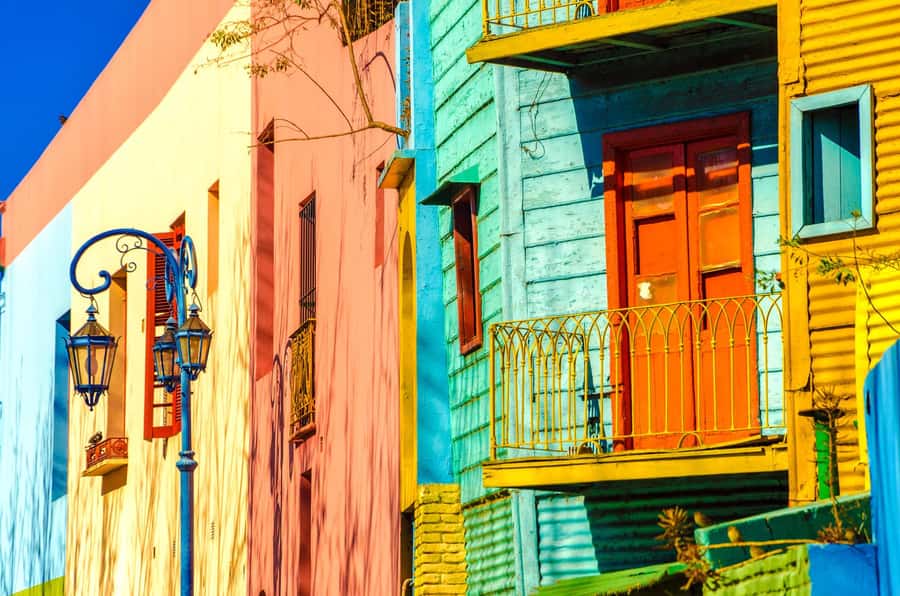
- Caminito street art plus the backstory: you see the color, then learn why it got that way.
- Italian immigration and conventillos: the housing story helps you read the neighborhood like a map.
- Tango origins and soccer culture in one loop: music and football share the same social roots here.
- La Bombonera atmosphere with a skip route: you get stadium time without the same long lines.
- Plan for extra costs: stadium entrance fees and the bus ticket are not included.
Meeting at Viajero Hostel in Venezuela 649 (and why the start matters)
Your tour starts at Venezuela 649, Viajero Hostel, at 11:00 am on Tuesdays and Fridays. This matters because La Boca moves at neighborhood speed, not museum speed, and arriving together helps you get your bearings quickly.
You’ll meet your local guide and then head to La Boca by public bus. The bus ticket itself is not included, so bring some cash/card for that small extra.
You can also read our reviews of more tours and experiences in Buenos Aires.

Getting to La Boca by public bus: practical and local
The ride by public bus is part of the point. You’re not just transported from stop to stop like luggage; you’re moving like locals do.
The tour runs about 150 minutes total, with around 2 hours of walking. That time adds up fast in this area, so comfortable shoes are not optional. Bring water too, since you’ll be outdoors for long stretches.
The old port and La Boca’s mix of cultures
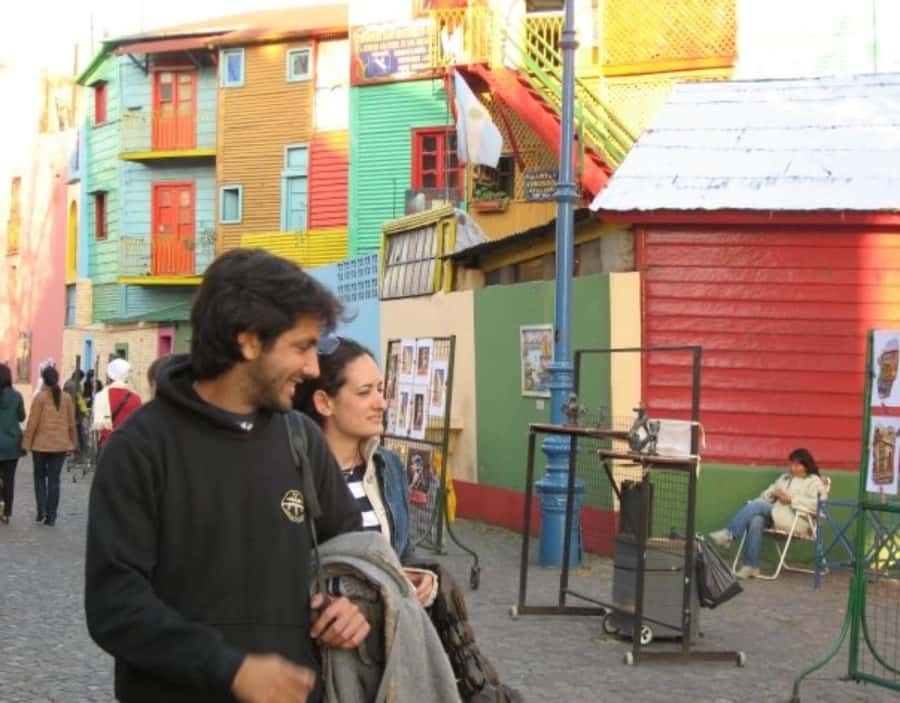
When you arrive at the old port area, your guide sets the scene for why La Boca looks the way it does. This is where the neighborhood’s identity makes sense: waves of people came in, found work, and created community.
You’ll learn about Italian immigration and how that mix shaped the neighborhood’s culture. This is a helpful perspective because it turns the street scenes from random scenery into something you can explain in a sentence.
You’ll also get oriented before you start the main walking zones. That means you’re less likely to feel lost when the streets get busy with color, murals, and football talk.
Conventillos: the housing story behind the neighborhood character
Next comes the conventillo portion of the route. Conventillos are the old-style communal houses where immigrants stayed, and the tour uses them to explain how people lived and organized their daily life.
Even if you only spend a short time here, the idea sticks. Once you understand that living space and community were central, you can better connect the dots between immigration, neighborhood pride, and the arts that grew from it.
This stop is also a nice break from pure photo stops. It’s more about context and human scale, so you leave knowing what you saw instead of just having pictures.
Caminito street: color, murals, and the feeling of place
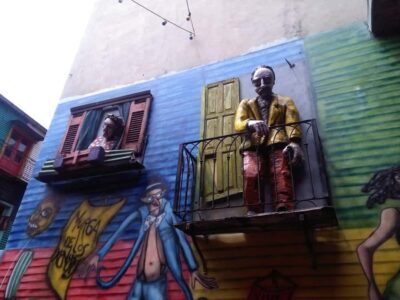
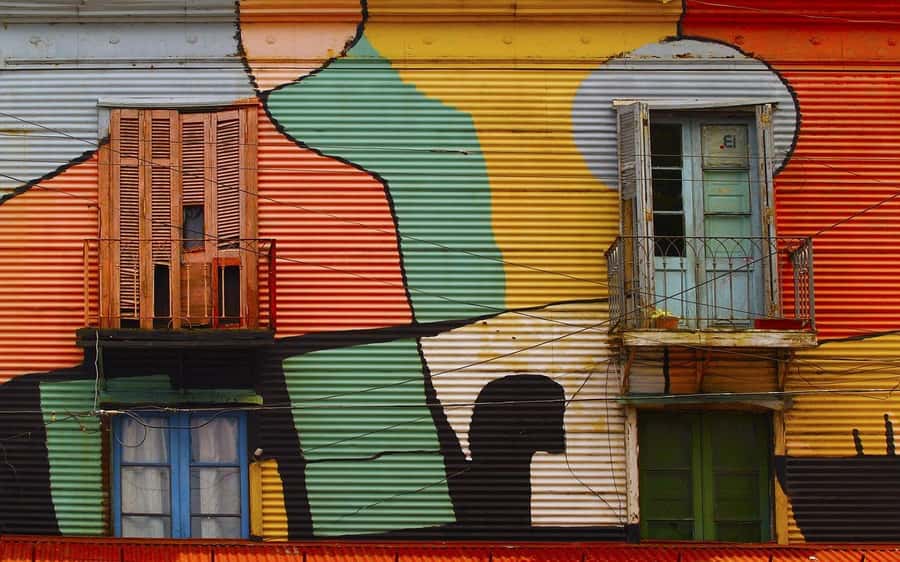
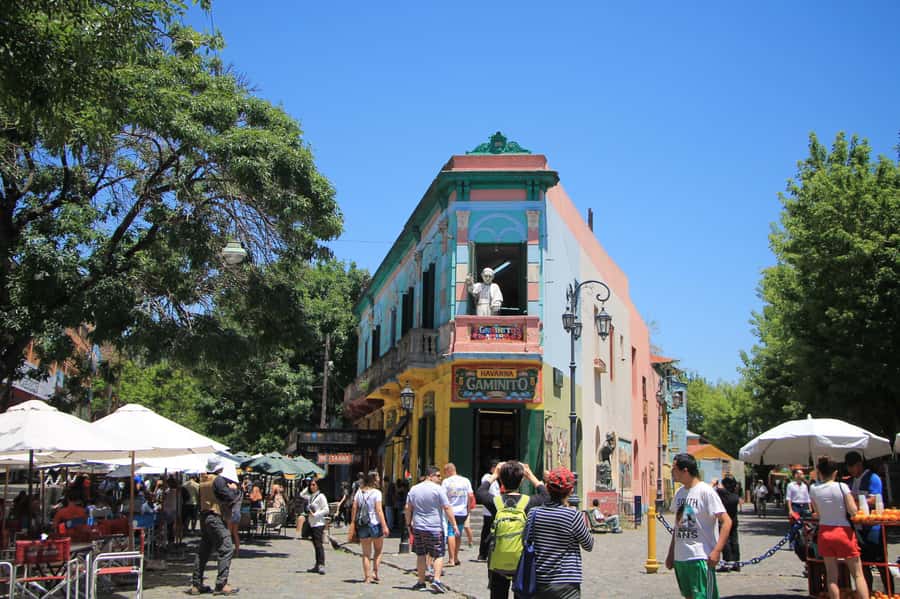
Then you hit Caminito, the famous pedestrian street known for its murals and lively atmosphere. The tour doesn’t treat it like a theme park. You walk through the space and learn how the stories connect to the visuals.
Caminito is one of those places where your eyes do the first part of the work. The guide helps you do the second part: read the symbolism, understand the cultural blend, and connect it to the neighborhood’s history.
If you like street art, you’ll probably want extra camera time. Just don’t let filming swallow the group pace, because the tour moves as a set route.


Plaza República de la Boca and the football street view
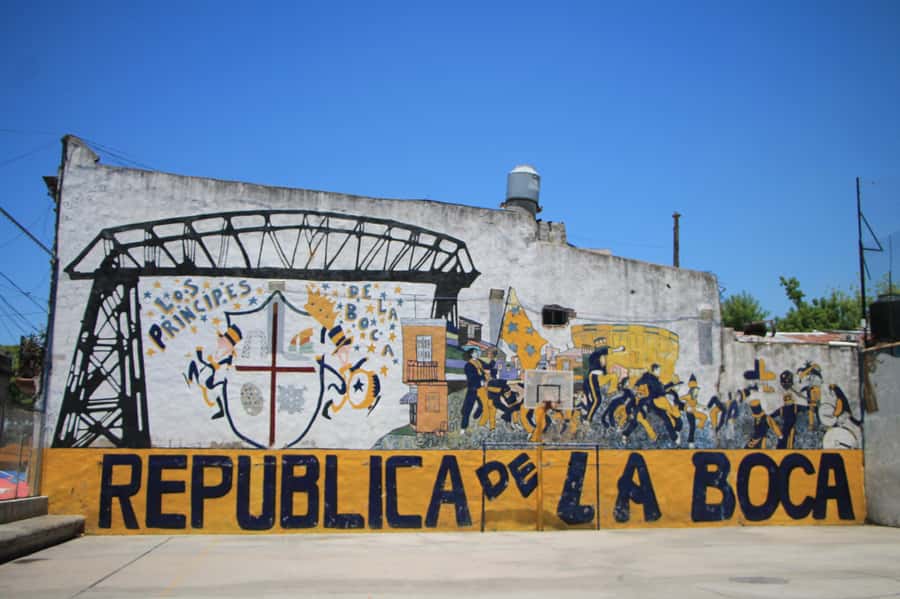
After Caminito, you’ll continue toward Plaza República de la Boca. This is where football energy becomes obvious, even if you’re not a superfan.
You’ll also see football graffiti and street art along the way. The tour uses these visual cues to explain how soccer is part of daily identity here, not just a weekend event.
A practical tip: look up as much as you look ahead. Some of the best football references and mural details sit higher than you’d expect from street level.
La Bombonera stadium time: Argentine football culture up close
Finally, you reach Boca Juniors stadium, La Bombonera. This is the heart-of-the-story stop, especially if you’re the type who wants to understand why people care so much.
The tour is designed to give you atmosphere and a sense of why La Bombonera is famous. You also get a smoother entry through a separate entrance, meaning you can spend more time on the experience itself.
Important budget note: entrance fees to the stadium are not included. So you might pay an additional amount on-site, depending on the day and access rules. Plan a little extra so you’re not surprised at the gate.
What you get for $50: value, timing, and the smart parts
At $50 per person, you’re paying for three big things: guided context, a tight route through the best-known La Boca areas, and a limited-group pace. For a 150-minute tour, that’s fair value if you want more than selfies and quick photos.
You also get the advantage of a local guide for around 2 hours. That’s where the value lives: tango origins, Italian immigration, and conventillo life are explained in a way that makes the neighborhood legible.
The main reason to think about the price is what’s not included. Stadium entrance fees and the public bus ticket can add to your total. If you hate surprises, you’ll feel happier if you set aside a bit extra before you go.
Who this tour suits best (and who should rethink it)
This is a strong pick if you:
- want a focused first-time look at La Boca without planning your own route
- like history that shows up in everyday scenes, like housing and immigration
- care about both tango culture and soccer culture, and how they overlap
It may be less ideal if you need step-free access. It’s not suitable for wheelchair users, and it’s also not suitable for people over 95 years. The tour includes walking and transit, so the physical side is part of the deal.
If you’re traveling with kids, it can still work, but the pace and timing depend on their tolerance for walking. For very young children, you might find it long.
Tips that make the tour easier and more enjoyable
Bring a camera and use it early and often, especially around Caminito. The colors and murals are a big part of why people love this neighborhood, and you’ll want shots while the light is good.
Wear comfortable shoes. You’ll be on your feet for a lot of the tour, and La Boca streets are not smooth and flat like a mall.
Bring a water bottle. Your comfort will rise a lot when you’re not trying to hunt for drinks mid-walk.
And yes, follow the simple rule: smoking is not allowed on the tour.
Should you book this Boca tour for tango, soccer, art, and immigration?
I’d book it if you want one morning or early lunch-style outing that teaches you how La Boca got its identity. The best reason is the combination: street art and murals on one side, and real cultural context on the other.
You should think twice if you dislike paying add-ons. Since stadium entrance fees and the public bus ticket are not included, your final cost can be higher than the base price.
Overall, this tour is a practical way to see the iconic stops—Caminito and La Bombonera—while learning why tango and soccer culture belong to the same story of immigration and community.
FAQ
What is the duration of the Boca tour Tango, Soccer, Art and Immigration?
The tour lasts about 150 minutes.
How much does the tour cost?
It costs $50 per person.
What days and time does the tour run?
It runs every Tuesday and Friday at 11:00 am.
Where do we meet?
You meet at Venezuela 649, Viajero Hostel.
How long is the walking portion?
You’ll have a 2-hour walking tour.
What’s included in the price?
Included are the 2-hour walking tour, visiting Caminito and the Boca neighborhood, and 2 hours with a local guide for a limited group.
What is not included?
Meals and drinks are not included, and entrance fees to the Boca Juniors stadium and the public bus ticket are not included.
Is the stadium entrance difficult?
The tour includes skip-the-line access through a separate entrance.
What languages are the tours offered in?
The guide works in English, Spanish, and Portuguese.
Is it accessible for wheelchair users?
No. It is not suitable for wheelchair users, and it is not suitable for people over 95 years.
What should I bring and what should I avoid?
Bring comfortable shoes, a camera, and water. Smoking is not allowed.