REVIEW · BUENOS AIRES
Buenos Aires for curious people
Book on Viator →Operated by Social & Cultural · Bookable on Viator
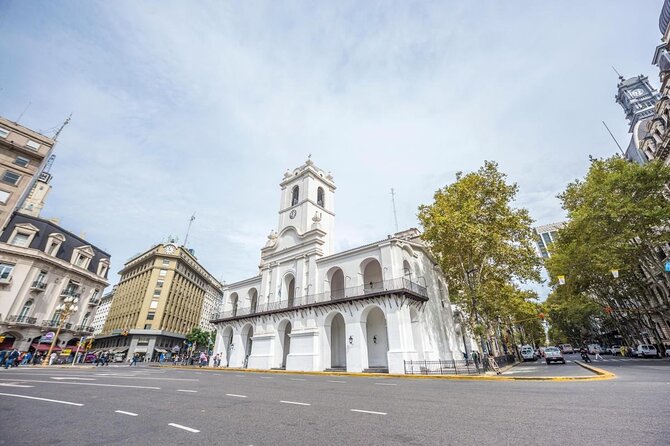
Buenos Aires makes sense when you walk it. This intimate route for curious people links iconic sights like Plaza de Mayo and the Casa Rosada area with San Telmo’s quieter corners and a few surprises most tours skip. I like the way the tour mixes architecture and politics in plain language, and I love the small-group feel, capped at 8 people, so questions don’t get lost.
One thing to consider: the Memory Walk stop covers Argentina’s dark history at a clandestine detention site (1976–1979). It’s handled with respect, but it’s not a cheerful stroll, so go in with your mind ready for heavier material.
In This Review
- Key moments that make this walk worth your time
- A Buenos Aires walking tour built for questions, not just photos
- Start at Bar Británico, then get oriented at Parque Lezama
- The Swedish church: when Buenos Aires mixes cultures
- Memory Walk: history you can’t skip in Buenos Aires
- Colonial Telmo: church lines, then the Plaza Dorrego scene
- Mercado San Telmo: see immigrant roots at market level
- Puente de la Mujer and the Casa Rosada finish
- Why the guide style makes the difference (and what to expect)
- Price and logistics: $33 for context, not ticket math
- Who should book, and who should skip
- Should you book Buenos Aires for Curious People?
- FAQ
- How long is the Buenos Aires for Curious People tour?
- What is the group size?
- Where does the tour start and end?
- Is admission to Casa Rosada included?
- Are the other sites included in the price?
- What if the weather is bad or I need to cancel?
- Are service animals allowed?
Key moments that make this walk worth your time
- Small-group pacing (max 8) means you actually get answers, not a lecture you can’t pause
- Free entry for most stops keeps the focus on seeing and understanding, not buying tickets everywhere
- San Telmo street scenes at Plaza Dorrego and Mercado San Telmo show everyday Porteño life and immigrant roots
- Memory Walk adds context that most short sightseeing routes leave out
- Calatrava’s Puente de la Mujer gives you modern design in the middle of old-town streets
- Casa Rosada finish brings the walk to the political heart of the city
A Buenos Aires walking tour built for questions, not just photos
This tour costs $33 per person and runs about 2 to 3 hours, which is a sweet spot for Buenos Aires. You get a guided route that’s designed to build context as you move, so landmarks land differently in your brain. It’s not just a checklist of big buildings; it’s a story trail through founding-era clues, immigrant influences, and the country’s political shocks.
The value is in the combination: a small group, short stops at meaningful places, and plenty of time for back-and-forth conversation. Most stops have free admission, so you spend money where it matters most—at the one place where entry isn’t included: the Casa Rosada area.
It’s also booked ahead on a regular basis (about 35 days in advance on average). That’s a sign people want this exact style of walking tour: focused, not rushed, and not stuck at the most obvious corners.
You can also read our reviews of more tours and experiences in Buenos Aires.

Start at Bar Británico, then get oriented at Parque Lezama
You begin at Bar Britanico (Brasil 399), in the old-town zone where Buenos Aires feels walkable and historic at street level. It’s a good opener because the tour doesn’t start with a museum door. It starts with a real neighborhood anchor.
From there, you move to Parque Lezama, where the first fort was established in 1536. This stop is more than a quick photo break. It helps you understand how the city’s geography and power developed over time. When a guide points out what mattered back then—who controlled space, why forts formed where they did—the rest of the walk feels less like random sightseeing and more like a timeline you can physically trace.
Expect a relaxed rhythm here. You’re not sprinting between points; you’re letting the guide set the frame.
The Swedish church: when Buenos Aires mixes cultures
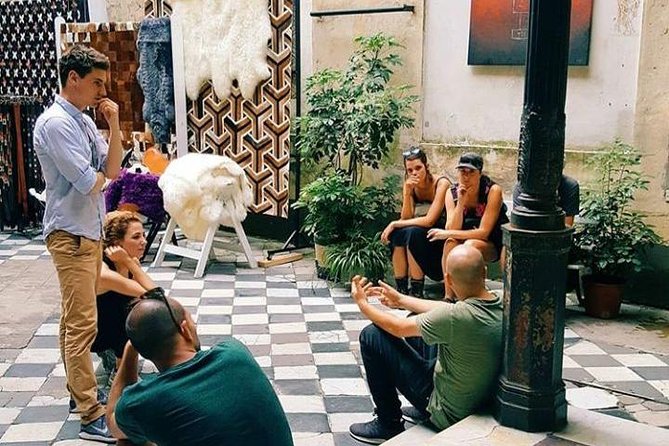
Next comes Club Sueco Restaurante, known for its Swedish church (1944). This is one of those stops that changes your view of Buenos Aires fast. You see how immigration wasn’t only about the biggest headlines; it shows up in buildings, institutions, and places that look like they belong to other parts of the world.
I like this kind of stop because it gives you a concrete example of cultural overlap. And you’ll appreciate it if you enjoy “why is that here?” moments—because Buenos Aires loves answering that question with architecture and community history.
It’s a short visit, but it works as a palate cleanser between heavier topics. You’re learning without constantly pressing the emotional weight button.
Memory Walk: history you can’t skip in Buenos Aires
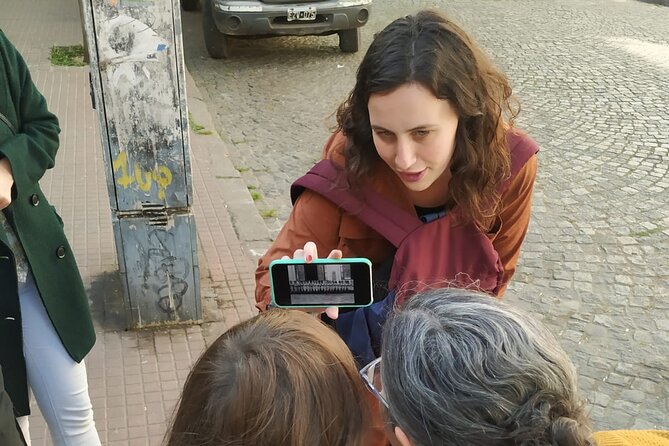
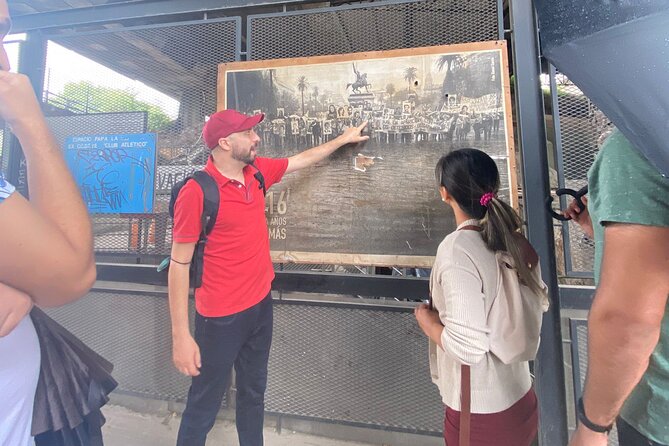
Then you reach Memory Walk, a former clandestine center for detention, torture, and extermination from 1976 to 1979. This is the emotional core of the route.
A stop like this is valuable because it explains Argentina in a way that street views alone never do. Buenos Aires has layers, and some layers are painful. If you only watch sunsets over classic balconies, you’ll miss what shaped the country’s present.
Be realistic: this part can feel distressing. The tour keeps it respectful and factual, but the subject matters. If you’re traveling with someone who finds human-rights topics very hard to process, plan for slower pacing and check in with each other before you head out.
Colonial Telmo: church lines, then the Plaza Dorrego scene
After Memory Walk, you shift back toward historic streets.
You visit Parroquia de San Pedro Gonzalez Telmo, a colonial Catholic church. Even if you’re not a church superfan, this is a useful context stop. Colonial religious architecture often tells you about power, tradition, and the role of institutions in daily life. Here, it supports the tour’s larger theme: Buenos Aires isn’t just one era; it’s a pileup of eras still visible in stonework and street patterns.
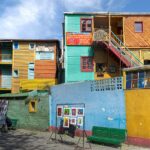
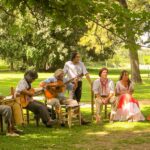
Then you arrive at Plaza Dorrego, the old town’s main square. This square matters because it’s where the city’s social life shows up. A guide doesn’t just point at buildings; they help you read what a “main square” functioned as—gathering space, political stage, and a place where the neighborhood identity plays out.
This section is where the walk feels most like strolling through a real neighborhood rather than moving through a set of exhibits.


Mercado San Telmo: see immigrant roots at market level
Next is Mercado San Telmo, built up by Italian immigrants. This stop is one of the best ways to connect the big story to daily life. Markets are where culture becomes practical: food, commerce, and community routines all show up in one place.
You get about 30 minutes here, which is long enough to walk the market lanes slowly and notice what draws locals in. You can also use this time to reset—stretch your legs, grab a snack if you want, and keep your energy for the walk to the bridge and Casa Rosada.
If you care about how cities actually function, this market stop will hit harder than another quick landmark photo.
Puente de la Mujer and the Casa Rosada finish
The tour ends with a strong visual and political combo.
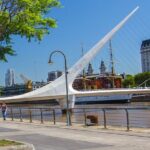
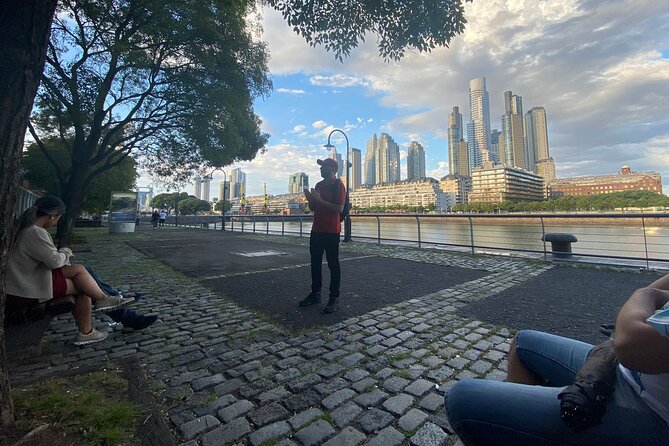
First, you see Puente de la Mujer, designed by Santiago Calatrava. Even without a deep architectural background, you can appreciate that this bridge is a statement piece. It’s modern design placed in an old-city environment, which is exactly what Buenos Aires does well: it layers eras instead of isolating them.
From there, the tour reaches Casa Rosada (the President’s office), where the route finishes at Balcarce 78. This is one of those moments when the city’s political center becomes impossible to ignore. The only practical note: the Casa Rosada admission ticket is not included, so you may want to plan on purchasing entry separately if you want to go inside.
Why the guide style makes the difference (and what to expect)
What people rave about here isn’t only the route. It’s how the guide teaches.
Guides on this tour include names like Nicolás and Ignacio from past experiences, and they’re praised for two things: clear communication and the willingness to answer questions in real time. You’ll get factual context about Argentine history and politics, but you’ll also get explanations that connect events to what you see on the street.
There’s also a practical element that matters on a walking tour: built-in breathing room. Reviews mention breaks where you can handle basics like a bathroom stop or grab snacks, which is smart in a city where afternoon walking can sneak up on you.
One more consideration: the tour is described as less of a rigid script and more of a moving conversation. That’s great if you like asking questions and adjusting your pace with the group. It’s less great if you prefer tight structure and zero flexibility.
Price and logistics: $33 for context, not ticket math
Let’s talk value in real terms.
- Duration: about 2 to 3 hours is enough time to absorb context without feeling trapped on a schedule.
- Small group (max 8): you’re not hidden behind 20 strangers.
- Admissions: most stops have free admission, so the tour is not a pay-per-door experience.
- One exception: Casa Rosada entry isn’t included, so that’s where your extra cost may come in if you want full access.
For $33, you’re paying mainly for guide time and the selection of stops. If you like history with real-world locations—plus San Telmo street-level atmosphere—this is a strong deal. If you want purely scenic viewpoints with minimal emotional weight and minimal explanation, you may feel the content runs heavier than expected.
Who should book, and who should skip
You’ll probably love this tour if you:
- want Buenos Aires beyond the obvious photo-op loop
- like political and social context explained in plain language
- enjoy walking neighborhoods like San Telmo, not just passing through them
- appreciate a guide who takes questions seriously
You might want to think twice if:
- you don’t handle difficult history well (Memory Walk is part of the route)
- you need a very structured, always-the-same-style itinerary with minimal discussion
- you prefer short, light tours where the main goal is views only
Should you book Buenos Aires for Curious People?
If your goal is to understand Buenos Aires—how the city formed, why different communities left marks, and how modern life ties back to political trauma—this is an easy yes. The route blends classic icons (Plaza de Mayo and Casa Rosada area) with San Telmo’s street texture, and the small-group cap keeps the experience personal.
Book it if you’re curious and willing to walk a few kilometers of old streets while learning how the past still shows up in architecture and public spaces. Skip it if your ideal Buenos Aires morning is purely sunny scenery with no heavy detours.
Either way, come with comfy shoes and an open mind. Buenos Aires rewards both.
FAQ
How long is the Buenos Aires for Curious People tour?
It runs about 2 to 3 hours.
What is the group size?
The tour has a maximum of 8 travelers.
Where does the tour start and end?
It starts at Bar Britanico, Brasil 399, and ends at Casa Rosada, Balcarce 78.
Is admission to Casa Rosada included?
No. Admission to Casa Rosada is not included.
Are the other sites included in the price?
Most stops listed on the route have free admission tickets.
What if the weather is bad or I need to cancel?
The experience requires good weather. If it’s canceled due to poor weather, you’ll be offered a different date or a full refund. You can cancel up to 24 hours in advance for a full refund.
Are service animals allowed?
Yes, service animals are allowed.