REVIEW · BUENOS AIRES
Buenos Aires: Chacarita, The Largest Cemetery In Argentina
Book on GetYourGuide →Operated by daddiescuriosos · Bookable on GetYourGuide
Cemeteries can teach you Buenos Aires fast. This 3-hour walking tour in Chacarita mixes music legends, striking mausoleums, and the quieter side of city life. I like how Carlos Gardel is honored with real context, so the stops feel meaningful instead of just scenic.
You’ll also get time at Gustavo Cerati’s mausoleum and the German and British-linked cemetery sections, with a guide who keeps explanations clear in Spanish. Do note the uneven paths and the fact this isn’t a good fit for wheelchairs or limited mobility.
In This Review
- What You’re Really Seeing in Chacarita
- A 3-Hour Route That Moves, but Doesn’t Hurry
- The Big Names: Gardel, Cerati, and the Sound of Argentina
- Quick Stops with Serious Payoff: Newbery and Other Major Monuments
- The Longer Stops: Capilla, Panteón VI, and Where Time Slows
- From Pop Culture to War Memory: Commonwealth War Graves
- German Cemetery Grounds and the British-Linked Story
- Elcano Park: The Thoughtful Finish
- Price and Value: Why $20 Can Make Sense Here
- What to Bring (So the Tour Feels Easy)
- Who This Tour Is Best For
- Should You Book This Chacarita Cemetery Tour?
- FAQ
- How long is the tour?
- Where do I meet the guide?
- Is the tour guided, and what language is used?
- How big is the group?
- What famous places or people will we see?
- What should I bring and wear?
What You’re Really Seeing in Chacarita
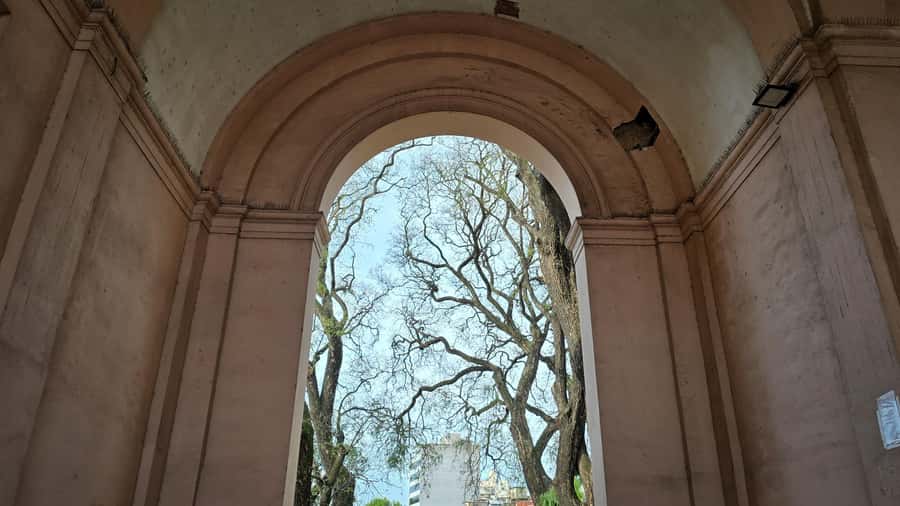
Chacarita Cemetery is one of those Buenos Aires places where the city’s identity shows up in stone. Yes, it’s spiritual. But it’s also architectural—different styles, different artistic choices, and family histories layered side by side. On this tour, the point isn’t to rush past names. It’s to help you read the cemetery like a timeline of Argentine culture.
The pacing matters. With a small group limited to 6 people, you’re not stuck hearing one-sided facts shouted over foot traffic. You can ask questions, and the guide can slow down when you need it. In the best kind of way, the tour feels like a history lesson delivered while you walk through the actual locations.
And because it’s in a cemetery, you’ll notice something else: the atmosphere. People tend to speak more softly here. That makes the stories land differently.
A 3-Hour Route That Moves, but Doesn’t Hurry
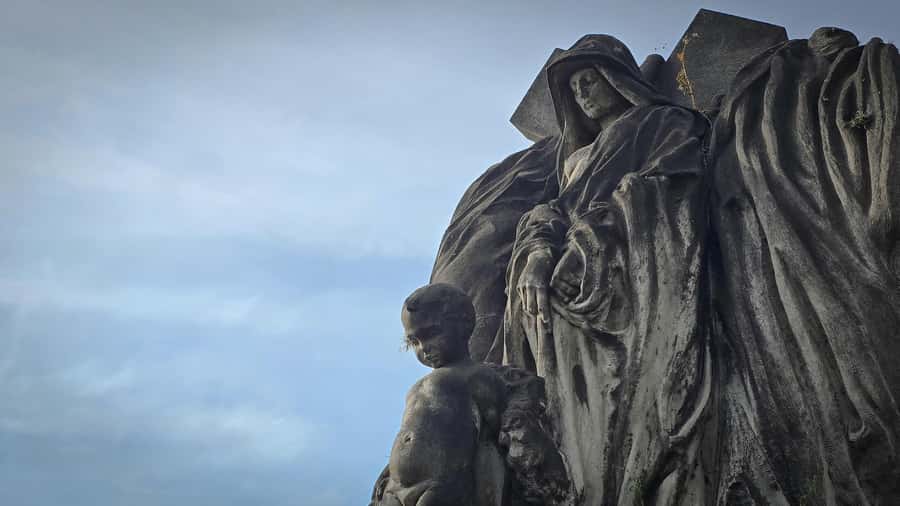
This is a 3-hour guided walking tour that starts at the main door of Chacarita Cemetery. Expect a guided loop built around the cemetery’s most notable monuments and cultural figures. It’s not a long trek across the city—this stays focused on one place—but you’ll still be on your feet.
One practical detail: there’s a 10-minute pause for restroom use. Plan around that and bring what you need. Comfortable shoes really do matter more here than they do on a museum day. Ground can be irregular, and you’ll want your footing so you can take photos without rushing.
The guide leads in Spanish. If you’re learning, the experience can be a lot more manageable than you’d expect. Guide Miguel has a reputation for patience and for adjusting his pace so people can follow.
You can also read our reviews of more tours and experiences in Buenos Aires.



The Big Names: Gardel, Cerati, and the Sound of Argentina
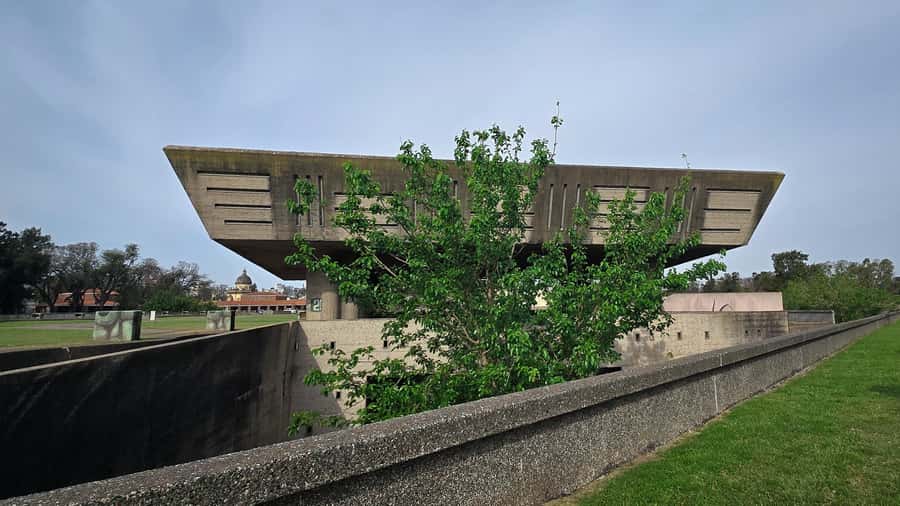
This tour shines when it connects a grave to the music that made the person famous. You’re not just seeing a name on a monument—you’re getting the cultural angle that explains why these burials matter to Argentine identity.
At the Carlos Gardel mausoleum, the focus is on his role as the quintessential voice of tango. It helps you understand why a cemetery stop can feel like a cultural landmark. Gardel is tango in human form—so seeing his final resting place gives the genre an anchor you can’t get from a concert poster.
Later, you’ll reach the Gustavo Cerati mausoleum, which adds a different musical era into the mix. Cerati represents another kind of Argentine artistic impact—more modern rock and pop sensibilities. Seeing both tango and rock within the same walk gives you a quick sense of how wide Argentine pop culture can be.
And there are more stops that keep the music theme going. You’ll visit places associated with figures like Gilda, plus other well-known cultural names included along the route. Even if you don’t know every single person right away, the guide’s explanations keep the experience cohesive.
Quick Stops with Serious Payoff: Newbery and Other Major Monuments
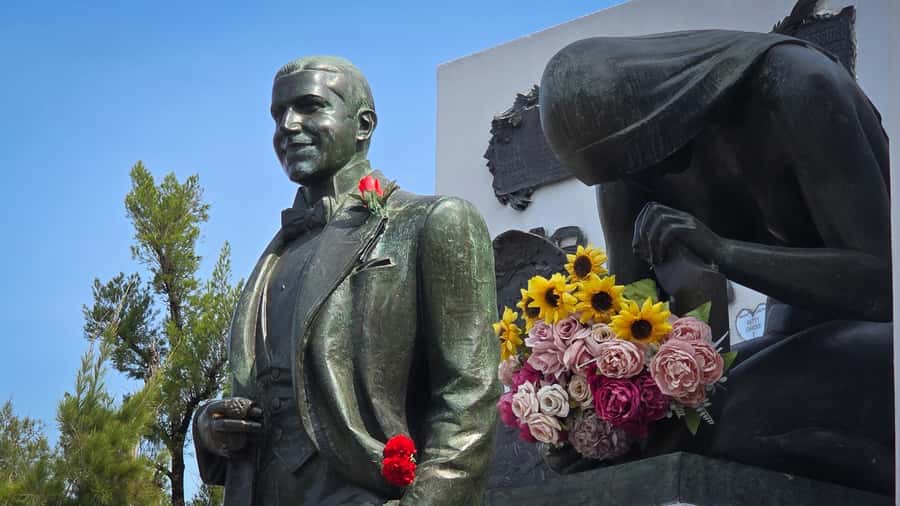
Not every stop here is built for lingering. Some are short photo-and-walk moments, but they still earn their place because they each represent a distinct side of Argentina’s public story.
At the mausoleum of Jorge Newbery, you’ll get a glimpse of national hero energy—Argentina’s tradition of celebrating people who expanded what the country imagined itself to be. Even if you’re only passing through during a photo stop, the guide ties the monument to why Newbery is remembered.
Other mausoleums you’ll see, like the Loredo de Subiza María Salomé monument, broaden the feel of the cemetery. These aren’t only celebrity graves. You also get the sense that Chacarita is where families of different backgrounds and eras left their mark. That matters because it keeps the tour from feeling like a greatest-hits playlist.
The Longer Stops: Capilla, Panteón VI, and Where Time Slows
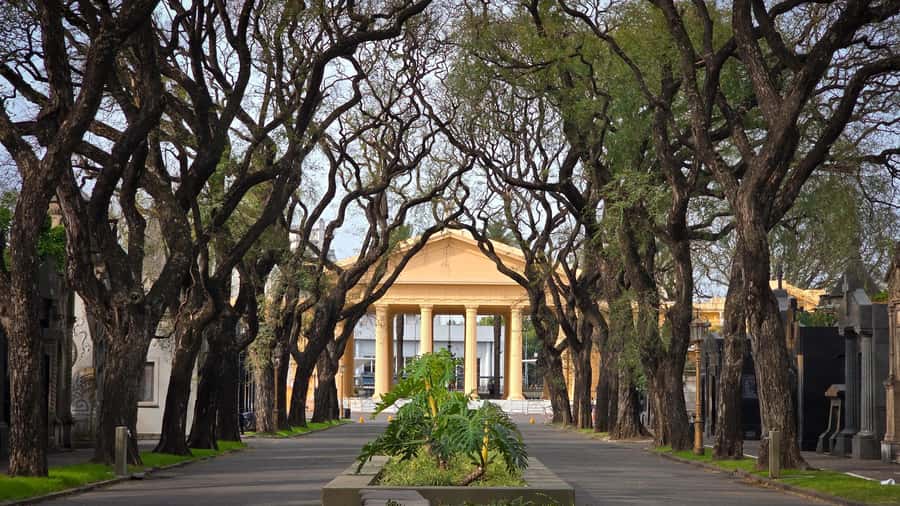
Some parts of Chacarita deserve a slower look. On this tour, you’ll get that, especially around the religious and monumental spaces.
The visit to the Capilla Cementerio Chacarita is short, but it’s a reminder that this is a working cemetery, not a theme park. You get a quick chance to observe the religious space and understand how faith and ritual sit alongside famous names.
Then comes a more extended look at Panteón VI. This is where you’ll likely notice the range of design choices more clearly—how different groups express identity through stone, layout, and decoration. A longer segment here helps you stop treating the cemetery as just an outdoor museum of famous people. Instead, you begin to see it as an archive of cultural expression.
From Pop Culture to War Memory: Commonwealth War Graves
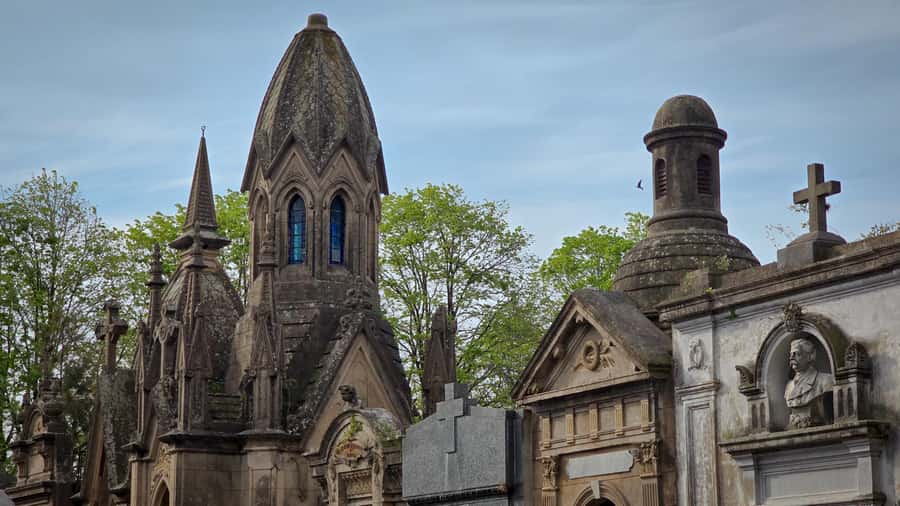
One of the more sobering elements of the route is the Commonwealth War Graves Buenos Aires visit. This section shifts the mood without being heavy-handed. It’s a practical reminder that cemeteries also hold collective memory, not just individual fame.
What I like about including this is balance. If your only takeaway from Buenos Aires is music, tango, and modern celebrity, you miss how the country remembers global events. This segment gives you a steadier perspective and helps you leave the cemetery with a fuller emotional read on what it means.
You don’t need to be a military history expert to appreciate it. The guide’s role is to orient you to what you’re seeing and why the site matters.



German Cemetery Grounds and the British-Linked Story
Highlights call out German and British cemeteries, and the walk includes time for both through the cemetery’s historical sections. You’ll spend time at the Cementerio Alemán and also visit the Commonwealth-linked area as part of that broader story.
What makes these sections worthwhile is the difference in look and tone. Even when you’re not reading every inscription closely, you can sense that these grounds represent different communities and traditions. The guide also helps connect those design choices to the people who are remembered there.
This is a great way to understand Buenos Aires as a city of arrivals and layers, not just a single cultural narrative. You see it in architecture and layout, and you understand it faster with a guide translating what the cemetery communicates.
Elcano Park: The Thoughtful Finish
After the cemetery’s main monuments and the historical sections, you’ll wrap up with a visit to Elcano Park. This short stop is a nice way to transition out of the cemetery atmosphere without feeling like you’ve been abruptly dropped back into city noise.
Even though it’s brief, it helps you process what you just saw. In a tour like this, a clean ending matters because you’re carrying emotions and impressions for a while afterward.
Price and Value: Why $20 Can Make Sense Here

At about $20 per person for roughly 3 hours, this tour is good value if you care about context. Cemetery visits can feel like random sightseeing if you go alone. Here, you’re paying for interpretation: the why behind each major stop and the connective tissue between names, monuments, and Argentine culture.
The small group size (up to 6 people) is a big part of the value too. You’re more likely to get answers tailored to your questions. And because the guide is actively patient—Miguel has a reputation for being both attentive and calm—the experience works well even if your Spanish is still building.
If you’re the type who loves photos and fast facts, you’ll still get plenty of moments to shoot. But the better payoff is for people who like to understand what a place means, not just what it looks like.
What to Bring (So the Tour Feels Easy)
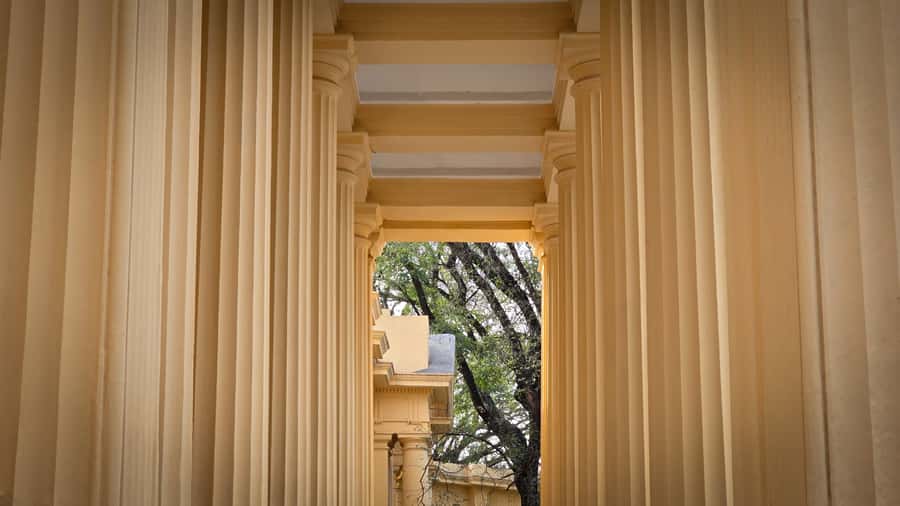
This is one of those tours where your packing list actually changes your comfort level. Bring:
- Comfortable shoes (you’ll walk and stand)
- Hat, sunscreen, and water (Buenos Aires sun can be real)
- Anything you use for sun protection that you’re used to carrying
Also, dress for walking and keep your phone power ready. You’ll want photos at key points along the route.
Who This Tour Is Best For
You’ll likely love this tour if you:
- Are a music fan and want to connect Argentine names to real places
- Appreciate architecture and the way different communities express themselves
- Enjoy walking tours with time for questions
- Prefer a guided experience that feels respectful, not rushed
It’s less ideal if you need step-free access or you’re traveling with mobility constraints. The cemetery environment and walking time are simply not set up for wheelchair users.
Should You Book This Chacarita Cemetery Tour?
Book it if you want a thoughtful, guided introduction to Chacarita Cemetery that hits major cultural figures like Carlos Gardel and Gustavo Cerati, while also showing the German and British-linked historical side through places like the Cementerio Alemán and Commonwealth War Graves Buenos Aires.
Skip it (or consider a different format) if you’re hoping for an ultra-easy stroll with minimal walking, or if mobility is a challenge. Also, if you only want quick photos with zero context, this experience is built for stories, not just scenery.
If your goal is to understand why Chacarita is more than a cemetery name on a map, this tour is a strong match.
FAQ
How long is the tour?
The tour lasts 3 hours.
Where do I meet the guide?
Meet at the main door to the cemetery.
Is the tour guided, and what language is used?
Yes, it’s a live guided walking tour in Spanish.
How big is the group?
The group is limited to 6 participants.
What famous places or people will we see?
You’ll visit the tomb of Carlos Gardel, the mausoleum of Gustavo Cerati, and you’ll also spend time in sections including the German cemetery grounds and the Commonwealth War Graves Buenos Aires area.
What should I bring and wear?
Bring comfortable shoes, plus a hat, sunscreen, and water.