
REVIEW · BUENOS AIRES
Recoleta & Cemetery for curious people
Book on GetYourGuide →Operated by Social&Cultural · Bookable on GetYourGuide
Recoleta reads like a living novel. This interactive, anthropological walk links Recoleta Cemetery with the grand buildings of Buenos Aires’ elite days. I love that the guide turns architecture into a discussion, not a lecture, and I love how the story stays focused on what wealth, power, and memory did to Argentina.
One thing to factor in: cemetery entry isn’t included. You can still enjoy the guided experience, but if you want to go inside, you’ll need to handle a ticket separately.
In This Review
- Key things I’d bet on before you go
- From Plaza San Martín to Recoleta: why this walk feels different
- The 150-minute format: enough time to see, but not to rush
- Start point: Rapa Nui Store and a smart way to get oriented
- Plaza General San Martín: the opening chapter
- Edificio Kavanagh: learning how status became skyline
- Torre Monumental: a landmark that works as a symbol
- Mansión Estrugamou (Casa Basavilbaso): the mansion as a document
- Palacio San Martín: the city’s official face
- A quick reset at Carrefour Express
- Embassy of France: Europe in the background of everyday life
- Jockey Club: when leisure tells you who runs things
- Park Hyatt Buenos Aires area (Palacio Duhau): old prestige meets modern branding
- La Recoleta Cemetery: optional entry, big meaning either way
- The guided discussion themes that tie everything together
- Price and value: $34 for a 150-minute “thinking” tour
- Who should book this walk (and who should skip it)
- Should you book Recoleta & Cemetery for curious people?
- FAQ
- Where is the meeting point?
- How long is the tour?
- What is the price per person?
- Are tickets for Recoleta Cemetery included?
- Can I still go to the cemetery if I do not buy a ticket in advance?
- How long is spent at La Recoleta Cemetery?
- What languages is the live guide available in?
- What is included in the tour price?
- Is the tour wheelchair accessible?
- What is the cancellation policy?
Key things I’d bet on before you go
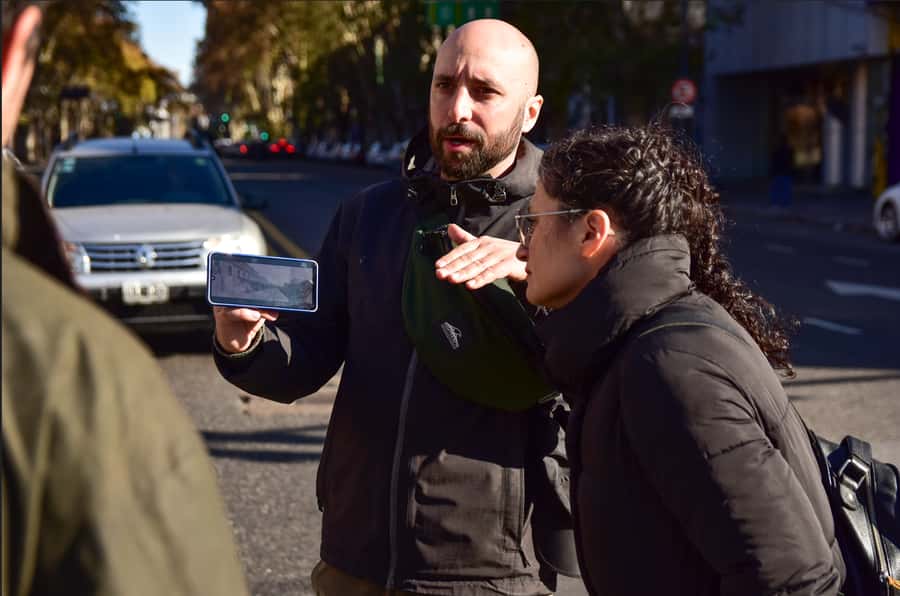
- Interactive discussion, not a script: you’ll ask questions and steer the pace a bit.
- A route built to explain Buenos Aires: squares, towers, mansions, embassies—each stop has a point.
- Architecture as evidence: facades become clues about status, ambition, and who held power.
- Three big themes keep you thinking: the Parisian illusion, Argentina’s rise-and-fall, and the cemetery as a social mirror.
- Optional cemetery entry: you decide how far inside you want to go after the guided introduction.
- A university-degree style guide: the tone is analytical, with room for personal questions.
From Plaza San Martín to Recoleta: why this walk feels different
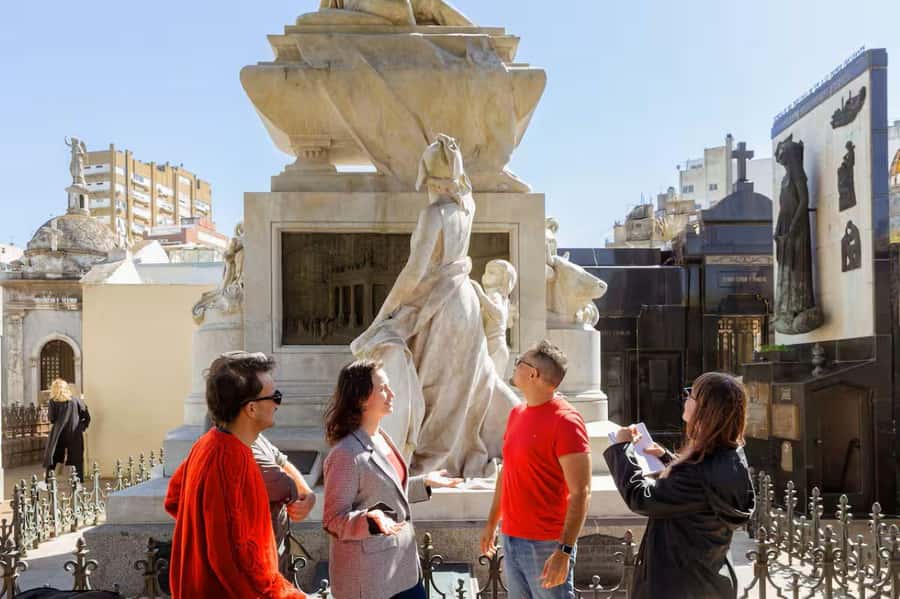
Buenos Aires can be loud in the best way, but history often gets stuck in photo captions. This tour works because it refuses to do that. You start in a central, historic zone around Plaza General San Martín, then move through key landmarks that shaped the city’s image—especially when the city was trying hard to look like Europe.
The real hook is the framing. Instead of treating Recoleta as a pretty neighborhood with a famous cemetery, the walk treats it like a case study. You’ll talk about how wealth shaped the public face of Argentina, how that power was tied to landowners and political swings, and how memory works when society wants certain stories to last.
And yes, the walk stays engaging. The guide style is conversational, with enough back-and-forth that you’re not stuck passively absorbing facts. If you like asking follow-ups—architecture, names, motives—this works well.
You can also read our reviews of more tours and experiences in Buenos Aires.


The 150-minute format: enough time to see, but not to rush
This experience runs about 150 minutes. That’s a sweet spot for Buenos Aires sightseeing because you get a meaningful sequence of stops without turning it into a forced march.
You’ll get multiple short guided segments along the way (each around 5–10 minutes), plus a 45-minute guided focus at La Recoleta Cemetery. There’s also a short break built in (a quick pause at Carrefour Express), so you’re not constantly counting minutes in your head.
For me, the value is that the time is used for interpretation. You’re not just moving from landmark to landmark. You’re learning to read the neighborhood—why it looks the way it looks and what that says about the era.
Start point: Rapa Nui Store and a smart way to get oriented
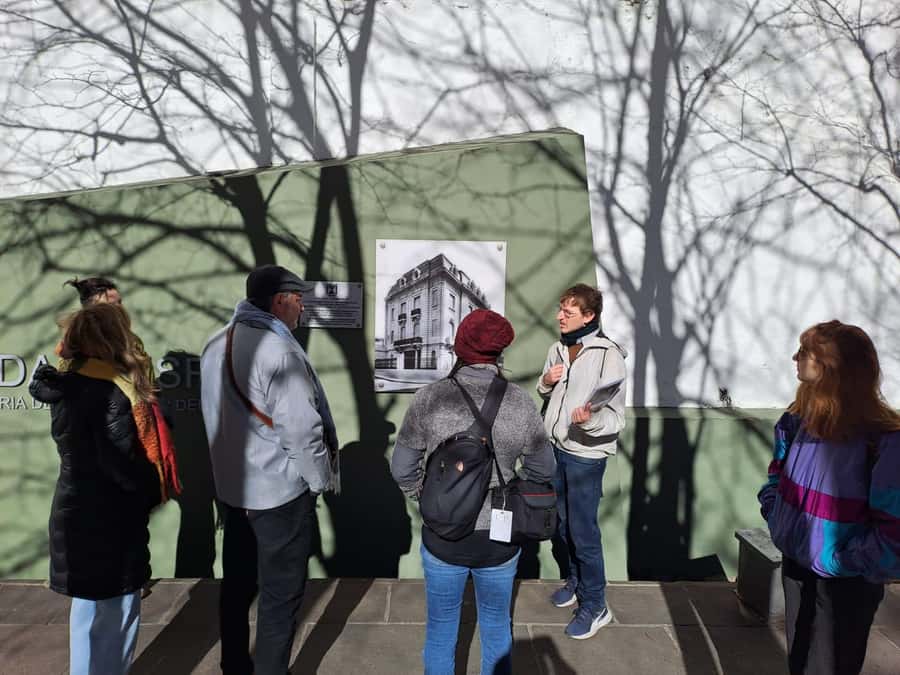
Meet at Rapa Nui Store. From there, you’re guided out into the city’s “power corridor,” with clear context for what you’re seeing. That matters more than it sounds.
In Recoleta, it’s easy to lose the thread—one mansion looks like another, and one tower looks like a backdrop. The tour gives you a storyline early, so you’re not wandering later wondering what everything meant.
Plaza General San Martín: the opening chapter
You spend time around Plaza General San Martín, and the tour loops back to it. That’s useful. You don’t just skim the square once; you see it twice from different angles of meaning.
Plazas in Buenos Aires don’t function like empty parks. They’re social stages, political statements, and meeting points for how the city wants to define itself. The guide uses that setting to set up the big themes you’ll keep returning to: the ambition behind Buenos Aires’ European image, and the social structure that made certain wealth visible and permanent.
If you’re the type who likes to understand the “why” behind a location (not just the “what”), you’ll feel the momentum here.
Edificio Kavanagh: learning how status became skyline
The Edificio Kavanagh stop is short, but it’s the kind of stop that pays off later. High-profile architecture like this doesn’t happen by accident. It’s part of a city’s effort to project power, modernity, and prestige.
During the walk, you’ll be prompted to look beyond the obvious “wow factor.” You’ll talk about how elite money and elite taste shaped what Buenos Aires presented to the world. That’s the “Parisian illusion” idea in practical form: a city building an image of itself that matched its ambitions.



Torre Monumental: a landmark that works as a symbol
Next comes Torre Monumental. This is another moment where you benefit from the guide’s interpretation. You’re not only seeing the tower—you’re learning how landmarks become shorthand for an era’s confidence.
The tour’s discussion themes help you connect the architecture to bigger swings in Argentina’s fortunes: how the country’s optimism rose with wealth, then got tangled in political and economic reality. Even if you don’t come for political history, the architecture cues make it easier to understand.
Mansión Estrugamou (Casa Basavilbaso): the mansion as a document
A mansion stop is where the walk really starts acting like anthropology. Mansión Estrugamou (Casa Basavilbaso) isn’t just an old building. It’s a signpost of how private wealth tried to become a public statement.
Here’s what I like: the discussion doesn’t treat the wealthy elite as cartoon villains or cardboard saints. It looks at them as people embedded in a system—land, power, influence, and a belief that Argentina could become a world player.
You’ll likely find yourself looking at details you’d normally skip. That’s the point. The neighborhood becomes readable.
Palacio San Martín: the city’s official face
Palacio San Martin brings the tone back toward institutions and public identity. This stop helps you connect elite life to state life—how the city’s official spaces and its private power overlapped.
Again, the guide’s approach is key. You’re encouraged to question narratives, not just memorize them. That makes the walk feel less like sightseeing and more like learning how history gets packaged.
A quick reset at Carrefour Express
You get a short break at Carrefour Express. That’s practical and smart in a 150-minute experience. Even when the schedule is tight, you don’t want everyone stuck waiting for the next stop while hunger or fatigue chips away at attention.
Embassy of France: Europe in the background of everyday life
The Embassy of France stop connects perfectly to the theme the tour uses to organize the whole story: the Parisian illusion. Buenos Aires built an image that borrowed from Europe because that image felt like status, culture, and modernity.
This isn’t just “history trivia.” It’s a way of understanding why Recoleta looks the way it does. When you see French-linked architecture and institutional presence in the broader cityscape, the cemetery later doesn’t feel random. It feels like part of the same social machine.
Jockey Club: when leisure tells you who runs things
At the Jockey Club, the tour shifts from buildings to social signals. Elite spaces for leisure often tell the story of power without using the word power.
You’ll be guided to think about who could belong in that world and how belonging was performed. That’s what makes this stop more interesting than it might sound at first. You start seeing the city as a map of access.
Park Hyatt Buenos Aires area (Palacio Duhau): old prestige meets modern branding
You pass Palacio Duhau – Park Hyatt Buenos Aires for a shorter segment. This is a reminder that the elite idea never disappears; it changes formats.
Even in a brief stop, the guide’s discussion helps you notice how prestige can be repackaged over time while keeping the core “status language.” That matters for the cemetery too: who is remembered, how they’re remembered, and how those choices survive different eras.
La Recoleta Cemetery: optional entry, big meaning either way
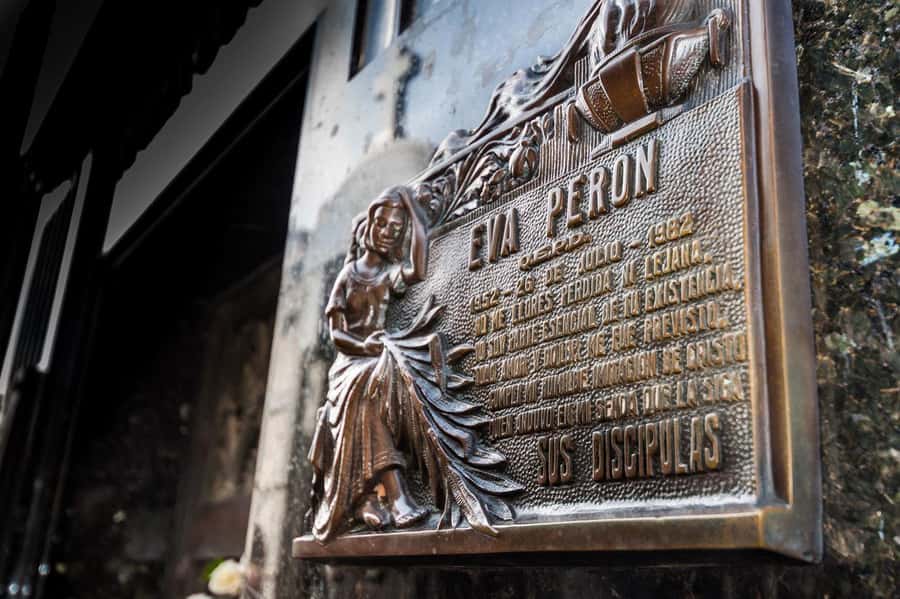
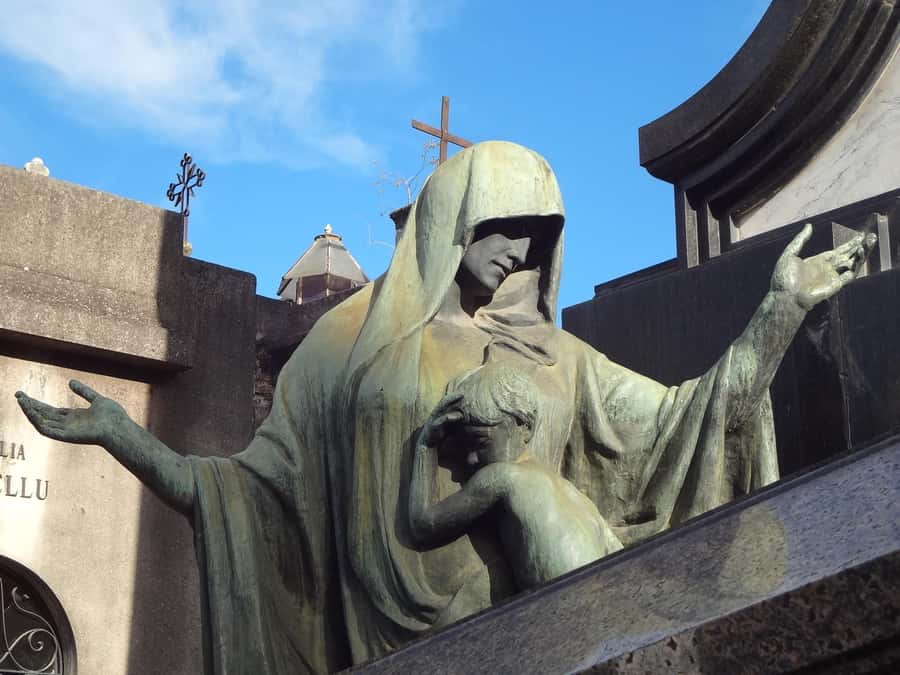
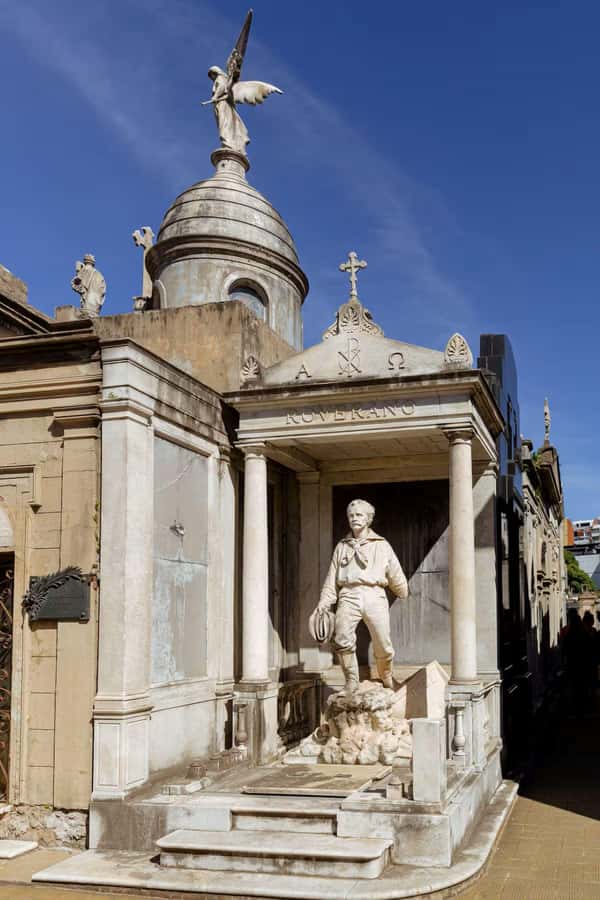
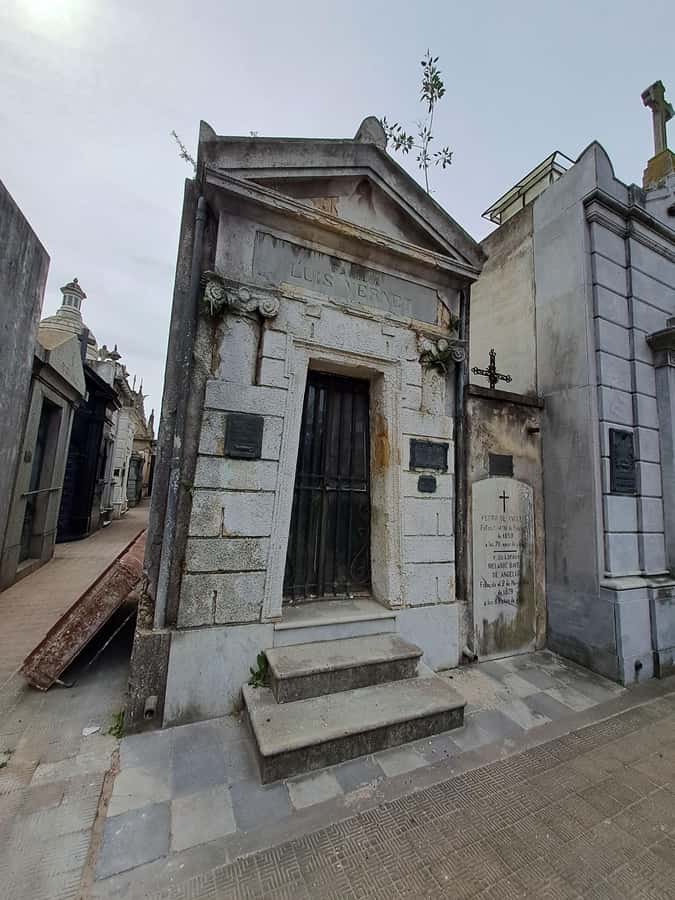
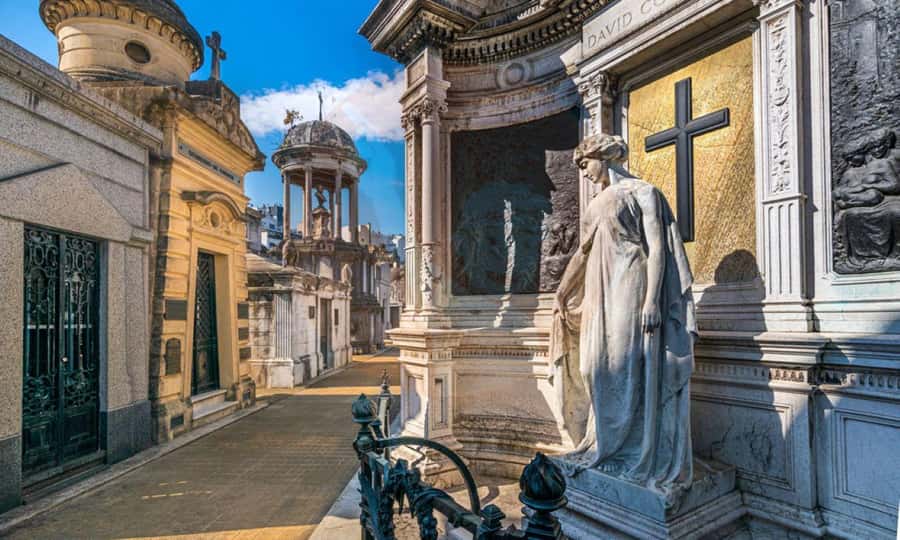
Now the main event: La Recoleta Cemetery. You spend about 45 minutes in the guided portion here. And importantly, the tour makes actual entry optional.
What that means in practice: the guide will explain the cemetery as a mirror of society—who is remembered, who is forgotten, and why certain stories get placed prominently while others fade. Even if you choose not to buy a ticket for full interior access, you still get the framework that turns the cemetery into more than a bucket-list stop.
When you do enter, you’ll see how elite status and social identity were used like a permanent imprint. Gilded Age wealth doesn’t just show up in city streets—it shows up in how families mark death. The cemetery becomes a way to read Buenos Aires’ past without needing a textbook.
This part also ties back to the tour’s big theme about Argentina’s rise and fall. You’ll discuss the era of vast landowners and debate the country’s rollercoaster hopes of becoming a world power. The cemetery isn’t just about individuals. It’s about a system that produced winners, produced legacy, and tried to freeze it in stone.
The guided discussion themes that tie everything together
What makes this experience stick is how it keeps returning to a few guiding questions as you move.
You’ll talk about:
- The Parisian illusion: what Buenos Aires wanted to look like, and why that mattered.
- The rise and fall: the landowner era, Argentina’s ambition, and the instability behind the dream.
- City of the dead: the cemetery as a social document—memory, forgetting, and who gets the spotlight.
The genius of this structure is that it turns separate landmarks into a single argument. By the time you reach Recoleta Cemetery, you’re not starting a new story. You’re finishing one.
Price and value: $34 for a 150-minute “thinking” tour
At $34 per person for about 150 minutes, I think this is good value—mostly because you’re buying interpretation.
You’re getting:
- a guided walk through Buenos Aires
- discussion and interaction with a guide who brings a university-level, analytical approach
If you were only paying for “see a few famous places,” the price would be harder to justify. But you’re paying for the connective tissue—the way the guide helps you understand what the city was trying to project and who made that projection possible.
Also, the cemetery ticket is not included, so factor that into your personal cost. Still, the option to decide how far into the cemetery you go helps you control your spending.
Who should book this walk (and who should skip it)
This tour is a strong match if you like history that you can see and argue with. If you enjoy architecture as clues, and you want context that connects buildings to how society worked, you’ll likely have a great time.
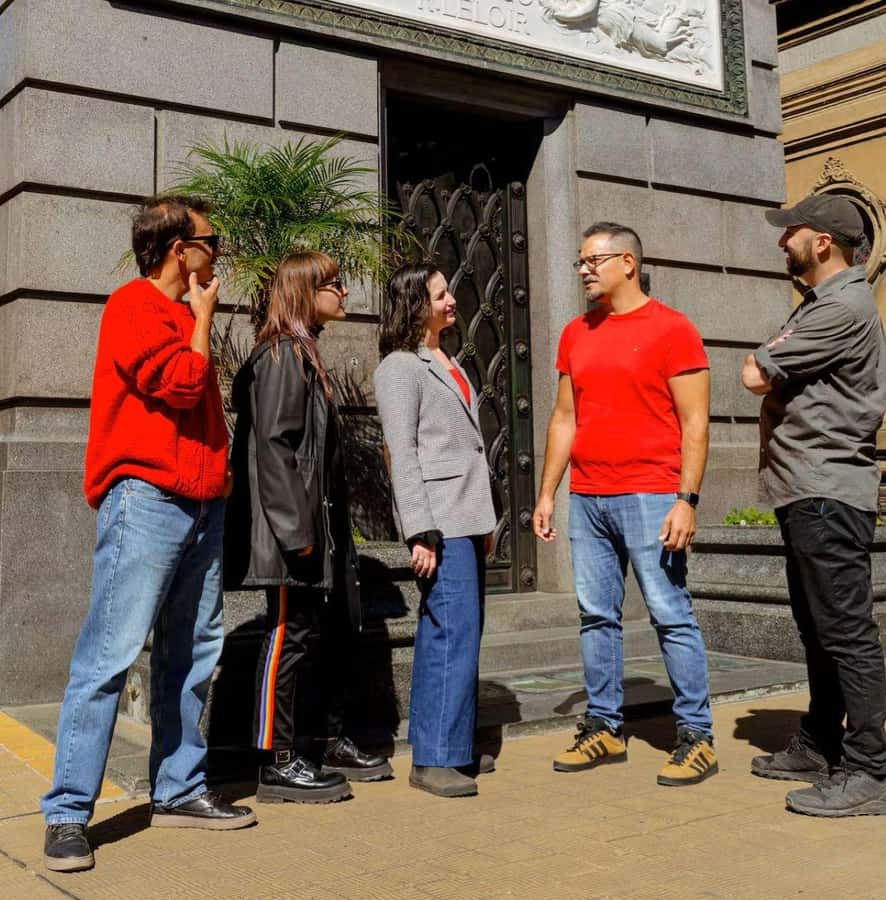
It’s also a good pick for curious travelers who get bored with tours that only recite. The interaction matters. Guides such as Nicolas (often called Nico) and Ignacio have been praised for handling individual questions and keeping a sense of humor while explaining the why behind what you’re seeing.
Skip it if you want a purely visual “hit parade” with minimal talking. This is conversation-based, and the best moments are the question moments.
Should you book Recoleta & Cemetery for curious people?
I’d book it if your goal is to understand Buenos Aires beyond the postcard level. For $34 and about 2.5 hours, you get a guided storyline that links Recoleta to Argentina’s broader identity—especially the Gilded Age and the elite’s role in shaping what endures.
Just make sure you’re comfortable handling the cemetery ticket separately if you want full entry. And if you prefer quiet sightseeing, consider whether the interactive discussion style will fit your travel mood.
If that sounds like your kind of day, this is a smart way to spend time in Buenos Aires—and it leaves you looking at Recoleta with new eyes.
FAQ
Where is the meeting point?
The tour meets at Rapa Nui Store.
How long is the tour?
The duration is 150 minutes.
What is the price per person?
The price is $34 per person.
Are tickets for Recoleta Cemetery included?
No. Cemetery entry tickets are not included.
Can I still go to the cemetery if I do not buy a ticket in advance?
Actual entry into the cemetery is optional. You can purchase tickets at the entrance or in advance online if you want to enter.
How long is spent at La Recoleta Cemetery?
You’ll have about 45 minutes of guided time at La Recoleta Cemetery.
What languages is the live guide available in?
The live tour guide is available in Spanish, English, and French.
What is included in the tour price?
You get a guided walk through Buenos Aires plus discussion and interaction with a university degree guide.
Is the tour wheelchair accessible?
Yes, the tour is wheelchair accessible.
What is the cancellation policy?
You can cancel up to 24 hours in advance for a full refund.