REVIEW · BUENOS AIRES
Buenos Aires for curious people
Book on GetYourGuide →Operated by Social&Cultural · Bookable on GetYourGuide
Buenos Aires tells stories if you slow down. This tour turns the city into a live lesson, where you walk from Parque Lezama toward Casa Rosada and keep asking why the past still drives the present. I like that it’s not a silent headset stroll. You’re invited to talk, challenge ideas, and build your own picture of Argentina’s capital.
Two things I really love: the anthropological perspective that helps you read people, migration, and culture as a system, and the fact that the route connects old neighborhoods to today’s power. You’ll cover topics that matter here—British attention, the African-descendant population, and why Argentina became a nation of immigrants.
One possible drawback: the tour touches heavy ground when you reach the memory site tied to the dictatorship-era violence. If you prefer sightseeing that stays light, be ready for the emotional weight of that stop.
In This Review
- Key things that make this walk work
- Buenos Aires from Lezama Park to Casa Rosada: a story-shaped route
- Starting at Bar Británico: set the questions before you walk
- Parque Lezama: the city’s early roots, explained in human terms
- Russian Orthodox Church of the Holy Trinity: faith, identity, and waves of influence
- Club Sueco Restaurante: old clubs and the story of social networks
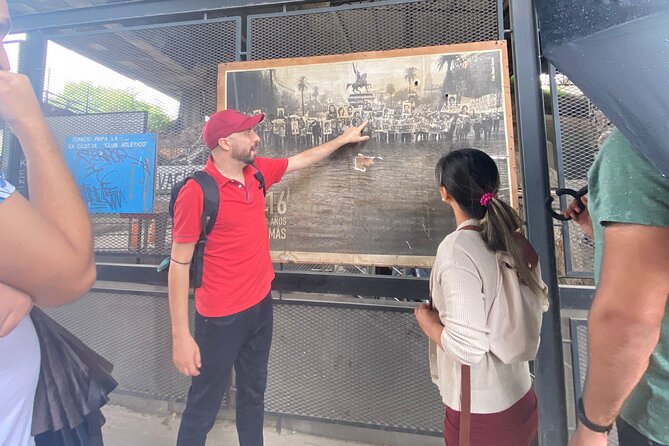
- Espacio para la Memoria ex CCD Club Atlético: what memory does to a city
- Parroquia de San Pedro González Telmo and Plaza Dorrego: the old center as a living argument
- San Telmo Market break: a smart pause that keeps the day real
- Faculty of Engineering and UCA Santa María de los Buenos Aires: education as future power
- Puente de la Mujer: where modern Buenos Aires meets the question of progress
- Casa Rosada and Plaza de Mayo: Evita, Perón, politics, and the dollar’s power
- The value of a $30, 3-hour walking format
- Who this tour suits best (and who should think twice)
- Should you book Buenos Aires for curious people?
- FAQ
- Where is the meeting point?
- How long is the tour?
- How much does it cost?
- What languages is the guide available in?
- What is included in the tour price?
- Where does the tour end?
Key things that make this walk work
- A conversation-first format where you’re encouraged to ask questions, not just listen
- An anthropological lens for understanding how communities formed and changed over time
- A strong historical center route that links local streets to national turning points
- A real memorial stop at Espacio para la Memoria ex CCD Club Atlético, handled as part of the story
- Curious-world history topics: British interest, African-descendant presence, immigration patterns
- A political finish at Casa Rosada and Plaza de Mayo, including the context around Evita and Perón
Buenos Aires from Lezama Park to Casa Rosada: a story-shaped route
This isn’t the kind of tour that just ticks off famous landmarks. It’s built like a guided argument with the city itself. You’ll start in a park area and end at the government heart, so the walk naturally feels like a timeline you can step through.
What makes the experience genuinely useful is how it connects layers. You’ll talk about the first inhabitants, then jump forward to foreign interest (yes, Britain), and then move into immigration and the political machinery that shaped modern Argentina. By the time you reach Casa Rosada, you’re not only seeing buildings—you’re understanding why people fought over power in the first place.
You can also read our reviews of more tours and experiences in Buenos Aires.
Starting at Bar Británico: set the questions before you walk
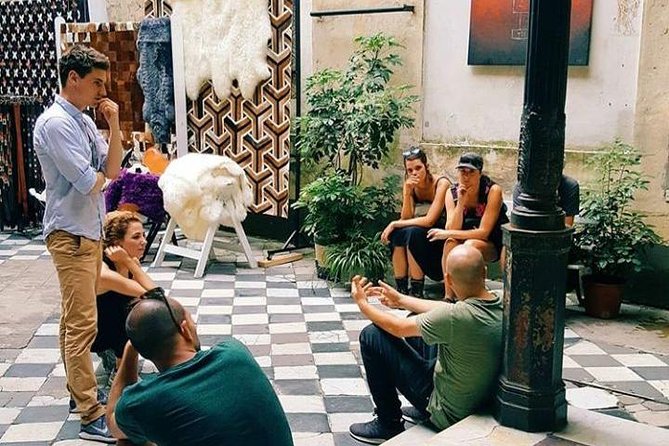
You meet by Bar Británico, which is a good setup point because it puts you in the rhythm of the city rather than at a museum gate. Before you even get moving, you’re encouraged to start thinking like a curious observer: Who lived here first? Who arrived later? Who benefited, and who got pushed out?
This tour works best if you come with a few mental hooks. Bring questions like, Why would Britain be interested in these shores? What role did African-descendant communities play in Buenos Aires’ development? How did the idea of Argentina as a nation of immigrants get built?
Parque Lezama: the city’s early roots, explained in human terms
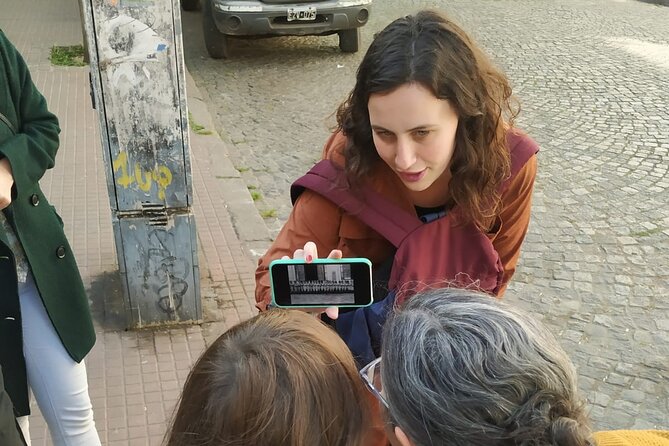
The walk begins with a guided stop at Parque Lezama. From there, the tour frames Buenos Aires as something made by people over time—not just a backdrop for presidents and protests.
You’ll explore questions about the first inhabitants. The point isn’t to memorize dates. It’s to understand how an early settlement pattern set up the city’s later geography and social structure. When you connect that to what comes next, you start seeing Buenos Aires as a place shaped by choices: where people built, where they traded, and which groups gained visibility.
Russian Orthodox Church of the Holy Trinity: faith, identity, and waves of influence
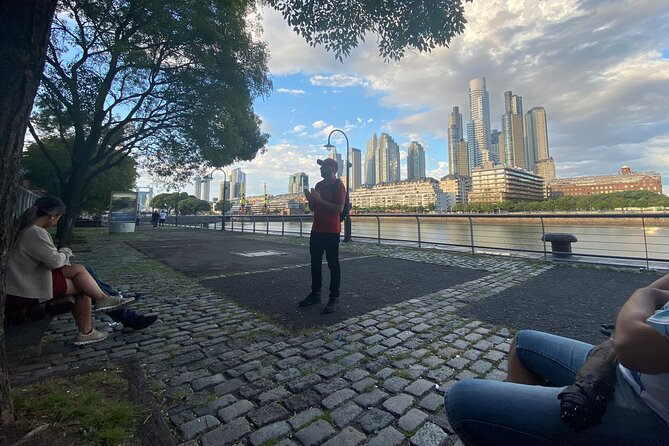
A quick move brings you to the Russian Orthodox Church of the Holy Trinity. This is where the tour broadens beyond “Argentina only” history and shows you how immigrants and communities left real marks in the built environment.
You’ll spend time looking and walking, with guidance that ties religious architecture to questions of identity. Even if you don’t care about church styles, this stop is useful because it teaches you to read the city like a map of arrivals and belonging.
Club Sueco Restaurante: old clubs and the story of social networks
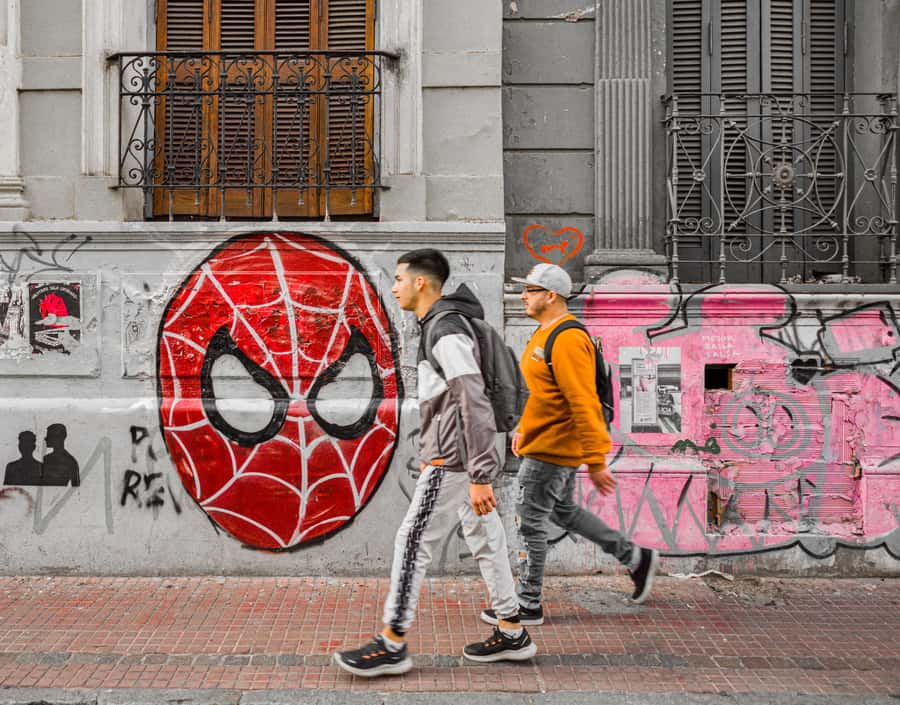
Next up is Club Sueco Restaurante. Think of this as a chance to spot how social life can be a form of power. Clubs and associations tell you who felt invited, who needed community support, and how groups organized themselves in a new country.
If you’ve ever wondered why certain neighborhoods feel tied to particular communities, this stop helps connect the dots. The tour uses places like this to explain how people formed networks—practical, cultural, and political—all while the city changed around them.
Espacio para la Memoria ex CCD Club Atlético: what memory does to a city
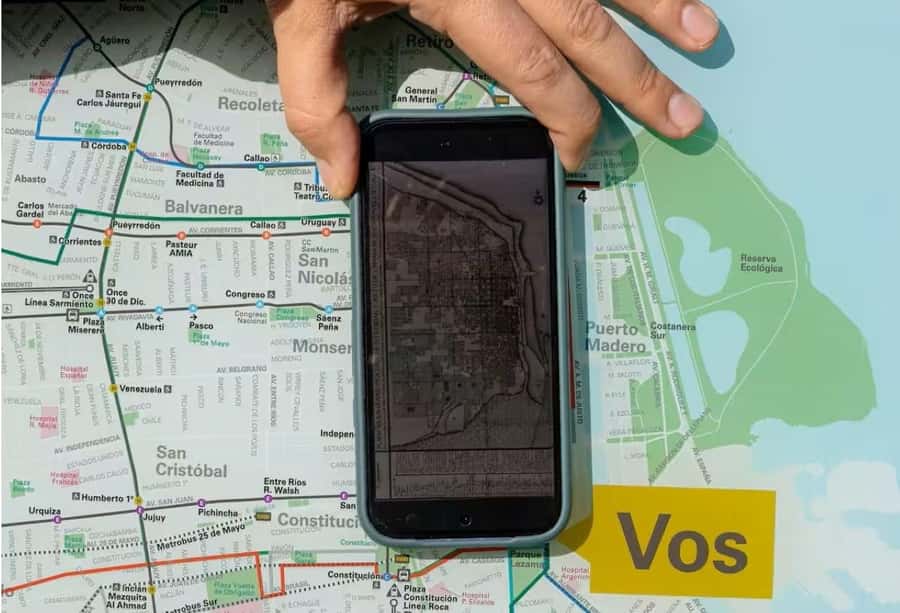
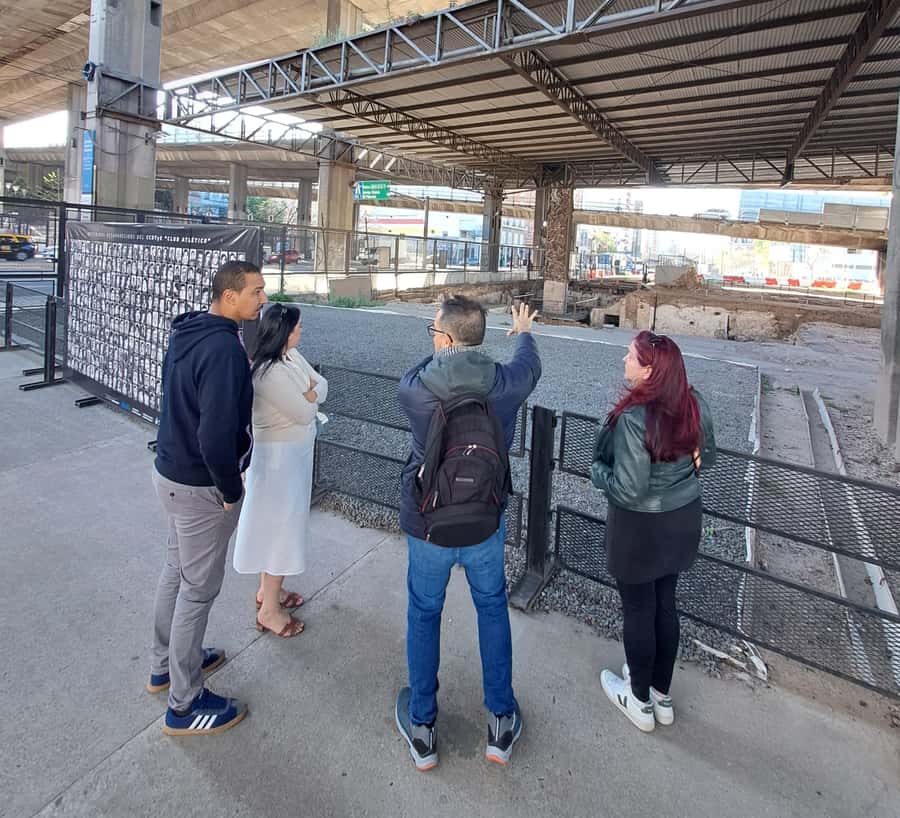
Then comes the most serious part of the route: Espacio para la Memoria ex CCD Club Atlético. Even though it’s only one stop in a larger walk, it shifts the emotional tone of the entire experience.
This is where you learn about the desaparecidos and why their memory shapes modern Argentina. You’re not just hearing about the past as distant history. You’re understanding how a society handles trauma in public space—how remembrance becomes part of civic identity, and how forgetting is never neutral.
A practical consideration: this stop can feel intense. If you’re sensitive to topics around human rights abuses, pace yourself. Take breaks if you need them, and let the guide’s framing do its job—turning shock into understanding.
Parroquia de San Pedro González Telmo and Plaza Dorrego: the old center as a living argument
The tour continues through Parroquia de San Pedro González Telmo and then lands at Plaza Dorrego. Here, the lesson is about continuity. Historic religious buildings and central squares aren’t just pretty. They’re where communities gathered, where local politics played out in everyday form, and where Buenos Aires kept redefining itself.
At Plaza Dorrego you get the kind of setting that makes history feel close. The space gives you context for later themes—politics, economic pressure, and identity—because it shows how public life gets conducted on the street as much as in official buildings.
San Telmo Market break: a smart pause that keeps the day real
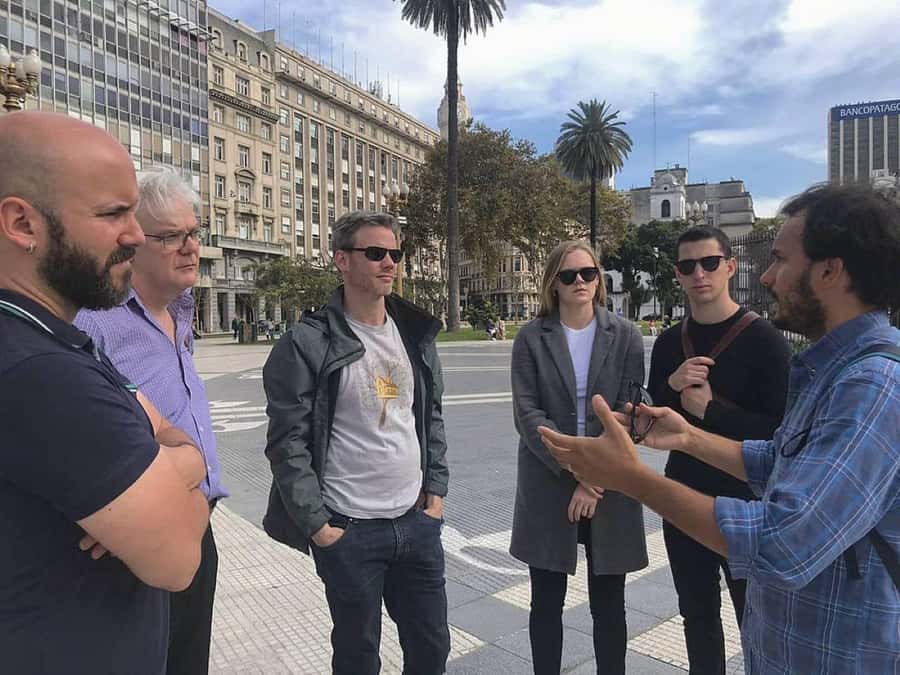
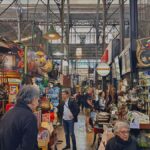
You get a break at San Telmo Market (about 20 minutes). I like this kind of stop because it stops the tour from becoming purely academic. Markets are messy, noisy, and human. They remind you that “history” is also about trade, food, and daily needs.
Use this time strategically. Grab water, look around, and watch how people move through the space. Even if you don’t buy anything, the market gives you a feel for the neighborhood’s energy so the later political stops don’t feel disconnected.
Faculty of Engineering and UCA Santa María de los Buenos Aires: education as future power
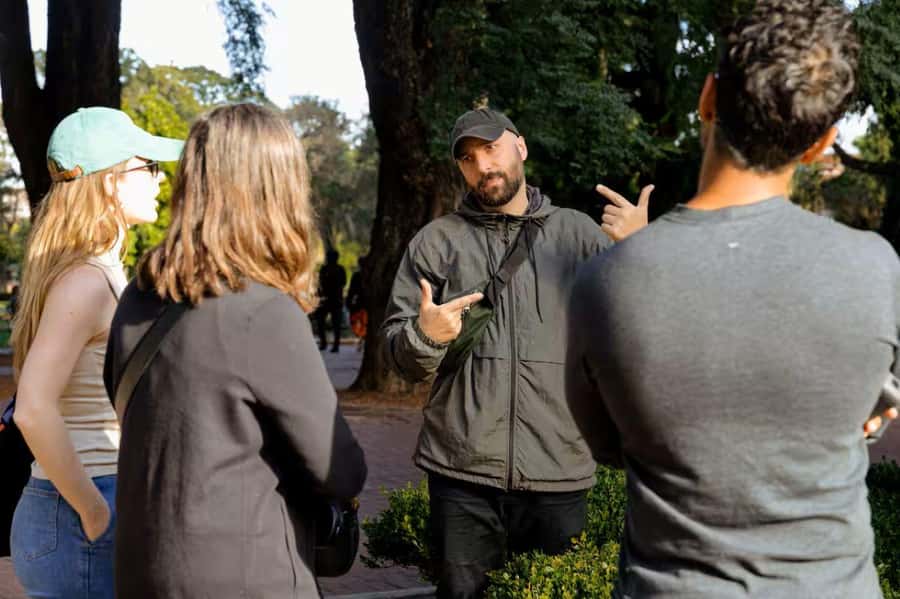
After the market, you walk to Facultad de Ingeniería and then UCA Santa María de los Buenos Aires. This part of the route is easy to underestimate if you think history tours only mean old buildings and monuments.
But education institutions matter. They help explain how societies train people to solve problems and also to steer decisions. In other words, you’re seeing where the next generation gets shaped—professionally and ideologically—so you can better understand why political narratives keep evolving in Buenos Aires.
If you enjoy practical, real-world context, you’ll probably appreciate how these stops connect to earlier themes: immigration, social organization, and the push-and-pull between local needs and global forces.
Puente de la Mujer: where modern Buenos Aires meets the question of progress
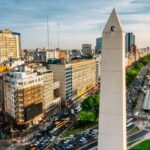
The walk ends with Puente de la Mujer. This stop helps you switch gears from old structures to modern symbolism—proof that Buenos Aires keeps remixing itself.
Bridges are perfect for this kind of tour because they’re literal links and also metaphors. The guide’s framing helps you think about progress as contested. It’s not just development for development’s sake. It’s who gets connected to opportunity, and who gets left out when the city transforms.
Casa Rosada and Plaza de Mayo: Evita, Perón, politics, and the dollar’s power
You finish with drop-offs around Museo Casa Rosada, Casa Rosada, and Plaza de Mayo. This is where the big threads come together, because the story of Buenos Aires is also the story of how leadership gets shaped and contested.
You’ll talk through the deal with Evita and Perón, with an emphasis on why the political story matters beyond personalities. The tour also addresses the US dollar’s influence on the local economy, which is one of those topics that can feel abstract until you connect it to how people plan, work, and argue about the future.
By the time you stand in the Plaza de Mayo area, you’re not just looking at symbols. You’re seeing the logic of modern Argentina: the power struggles, the public memory, and the pressure points that shape everyday life.
The value of a $30, 3-hour walking format
$30 for a three-hour guided walk may sound simple, but the value is in the structure. You’re paying for a guide who keeps the conversation moving across multiple themes: early settlement patterns, foreign interest, African-descendant presence, immigration, dictatorship-era memory, and political leadership.
I also like that the tour is designed for people who don’t want to choose between history and discussion. If you’re the type who asks why things turned out the way they did, this format is built for you.
In the reviews, the guide is praised for being full of knowledge, and the name Nicolás comes up more than once. That matters, because on a tour like this, you need someone who can explain complex topics clearly and still handle your questions without turning everything into a lecture.
Who this tour suits best (and who should think twice)
This experience is for you if you want Buenos Aires to make sense. If you’re curious about how immigrant patterns, social networks, political movements, and trauma memory all affect the city you’re walking through, you’ll likely leave with a stronger mental map and better questions for the rest of your trip.
It’s also a good first walk. It sets context so later museum visits and neighborhood wandering feel less random. Even if you only know a few names—Perón, Evita, or general references to dictatorship—you’ll connect those dots into something you can carry.
Think twice if you want a light, fast photo tour. This walk includes serious subject matter and encourages discussion, so you’ll spend part of the time thinking, not just moving.
Should you book Buenos Aires for curious people?
Yes, if you want the kind of Buenos Aires that rewards curiosity. You’ll get a guided conversation through the historic center that connects immigrants, social identity, memory, and politics—from Parque Lezama all the way to Casa Rosada.
Book it especially if you’re visiting for the first time or you like your history with explanations you can challenge. Come with comfortable shoes, water, and at least a couple of questions you want answered—and you’ll have a much easier time making the city feel personal instead of just famous.
FAQ
Where is the meeting point?
You’ll meet by Bar Británico.
How long is the tour?
The tour lasts 3 hours.
How much does it cost?
The price is $30 per person.
What languages is the guide available in?
The live guide is available in Spanish, French, English, and Portuguese.
What is included in the tour price?
You get a professional guide, historical insights, and discussion/debate opportunities.
Where does the tour end?
You’ll finish with drop-off locations at Museo Casa Rosada, Casa Rosada, and Plaza de Mayo.