REVIEW · TIGRE
Tigre: Safari Náutico en Tigre/ Biosphere Reserve Boat Tour
Book on GetYourGuide →Operated by Safari Náutico en Tigre 'Reserva de Biosfera' · Bookable on GetYourGuide
A day on the water here feels like a secret shortcut. You cruise the UNESCO-protected Biosphere Reserve Delta del Paraná, then swing over toward the Río de la Plata for a change of scenery and wildlife watching. I love that the pace is relaxed, with real time to get photos, grab a drink, and break up the day between waterways and town culture.
Two things I really like: the focus on flora and fauna along the Rioplatense waterways, and the human side of the Delta with stops that connect you to local food and places like Puerto de Frutos and the Museo de Arte de Tigre. One possible drawback to plan for is weather and sun exposure. This is a lot of time outside on the deck, so you’ll want sunscreen and a hat ready, or you’ll feel it fast.
In This Review
- Key points at a glance
- Tigre Delta day: what 270 minutes on the water actually feels like
- Finding Safari Náutico en Tigre near Tigre station
- Tres Bocas and the wetland observatory: the Delta’s “classroom” stops
- Río de la Plata photo stop: a quick scene change with real meaning
- Arroyo Pajarito break: the part that turns a boat ride into a meal-plan
- Delta Terra and small “land-and-water” moments
- Puerto de Frutos and the Museo de Arte de Tigre: culture between channels
- The two route possibilities: Río de la Plata versus Paraná de las Palmas
- Wildlife watch: birds as the sure bet, bigger sightings as a bonus
- Guides and captains: what makes the day feel personal
- Price and value: is $150 per person worth it?
- Who this is best for in Buenos Aires Province
- Should you book Safari Náutico en Tigre Reserva de Biosfera?
- FAQ
- How long is the Tigre boat tour?
- Where is the meeting point?
- What will I see during the tour?
- Is this a private group tour?
- What languages are offered?
- What should I bring?
Key points at a glance
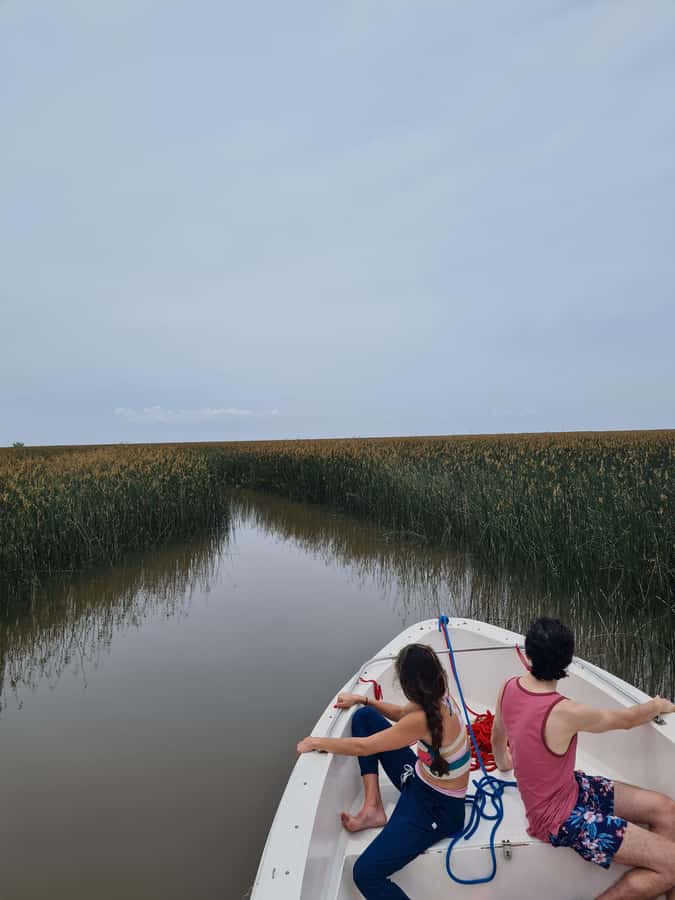
- Small-boat day near Tigre: head into narrow channels that feel more local than big-boat tours
- Biosphere Reserve focus: guided observations for flora and fauna around wetlands and river edges
- Río de la Plata photo stop: a clear change of mood from the Delta interior
- Local tasting break: an aperitif plus drink and food service at an Arroyo Pajarito stop
- Culture stops included: Puerto de Frutos market time and the Museo de Arte de Tigre break
- Wildlife is the headline: especially birds, with a chance to spot larger animals like capybara
Tigre Delta day: what 270 minutes on the water actually feels like
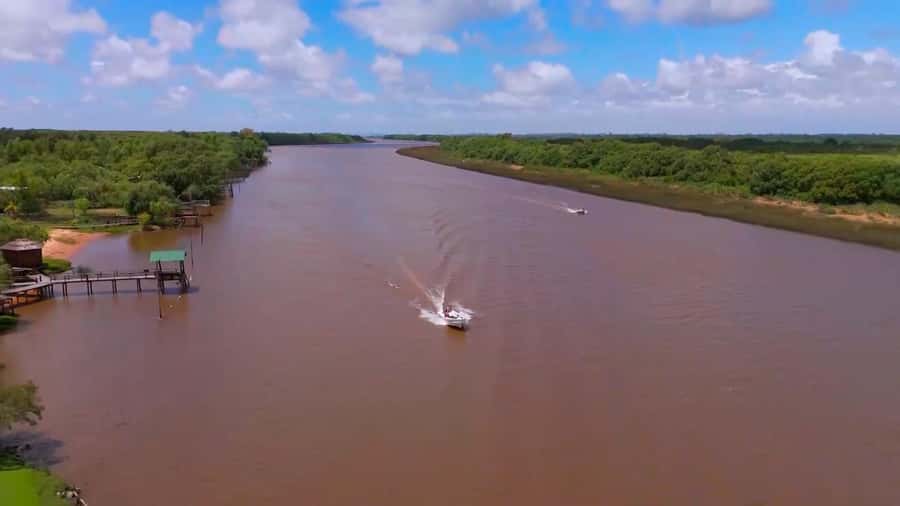
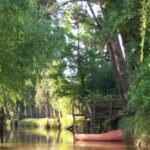
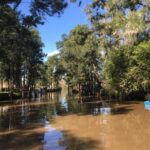
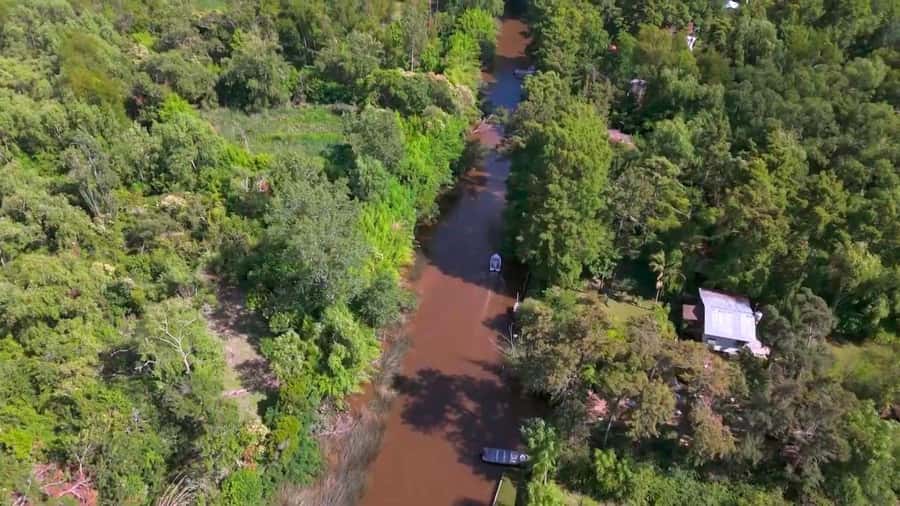
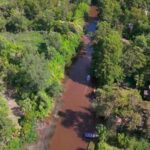
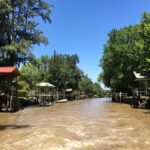
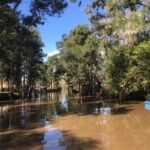
This tour is built for slow looking. You’re not just driving around big river bends; you’re moving through a system of channels and wetlands where the interesting stuff is small scale. One of the best parts is that the timing gives you stops, not just scenery from a single angle.
The duration is listed as 270 minutes, and the cruise distance is described as roughly 45 to 70 kilometers. That range matters because it changes how much time you get in motion versus time at stops. Either way, the day is long enough to feel like a real outing, not a quick boat ride you forget by dinner.
You’ll likely spend your time split between natural areas and deliberate breaks. That’s where the tour earns its value: you see wildlife and wetlands, then you reset with food, drinks, and short cultural visits.
You can also read our reviews of more boat tours in Tigre
Finding Safari Náutico en Tigre near Tigre station
Your starting point is in Tigre, about 200 meters from Tigre station on the Mitre line. If you like to get your bearings early, this is a good setup: you’re close to a major hub, so you won’t burn half the day figuring out transit.
Once you’re at the dock area, the vibe is simple and practical. You’ll be on a guided boat tour that’s designed for comfortable viewing, with the kind of setup that keeps you from feeling rushed when you want to watch birds or take photos.
And yes, language support is part of the offer. The live guide can work in Spanish, English, French, or Russian, so you should be able to follow the wildlife talk without guessing.
Tres Bocas and the wetland observatory: the Delta’s “classroom” stops
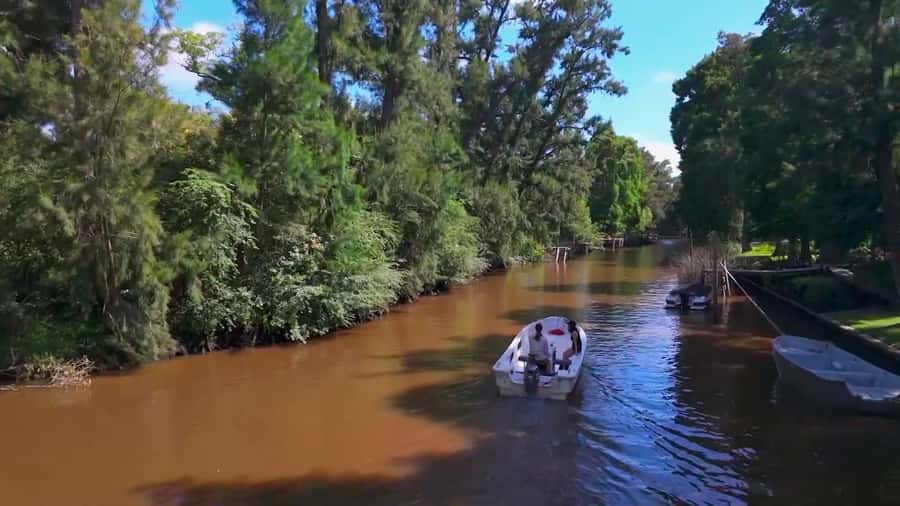
The first stretch heads to Tres Bocas, with a sailing segment that sets the tone. You’re moving early, which helps you get into the rhythm: settle in, start watching shorelines, and let the guide’s explanations shape what you see.
Next comes the Observatorio de humedales Delta stop. This is where the tour turns from sightseeing into interpretation. You’ll be learning about how wetlands function and what that means for animals and plant life along the Rioplatense region.
What to pay attention to on this section:
- Bird activity along reed edges and quieter water pockets
- Shoreline plant patterns where water meets land
- Any calm stretches where the guide tells you to look slower, not harder
The observatory time is short, but it’s timed well. You’re not spending hours in one spot. Instead, it helps you build a mental map before you keep moving.
Río de la Plata photo stop: a quick scene change with real meaning
Then you shift toward the Río de la Plata. There’s a photo stop built in, and even if you only get a brief moment, it’s a useful contrast. The Delta feels intimate and channel-focused; the Río de la Plata feels broader and more exposed.
This part is worth treating like a sensory reset. It’s not just to snap a picture. It’s your chance to appreciate how these waterways connect, and why that matters to fish, birds, and the wetland systems you’ve been learning about.
If you’re the type who forgets to take photos until the last minute, set a quick reminder for yourself. The photo stop is timed, so grab what you need without rushing the boat along.
Arroyo Pajarito break: the part that turns a boat ride into a meal-plan
One of the smartest pieces of the day is the Arroyo Pajarito break time. This is where the tour shifts from looking to tasting. You’ll get an aperitif-style pause with drinks and food service, and the schedule allows for a proper regroup.
From the details, you can expect items like beer, cocktails, coffee or tea, wine, and food tasting during this stop. You’re also given time to disembark or relax, so you’re not trapped in a constant boat-only routine.
A practical tip: hydrate before you think you need to. After sun and wind time, it’s easy to underestimate how much you’re drying out. Having water on hand is specifically recommended, and I agree with that choice.
This stop also breaks up the day psychologically. The Delta sections can feel hypnotic, and a food-and-drink pause gives your brain a new set of signals: scenery ends, comfort begins, then you reboard ready to focus again.
Delta Terra and small “land-and-water” moments
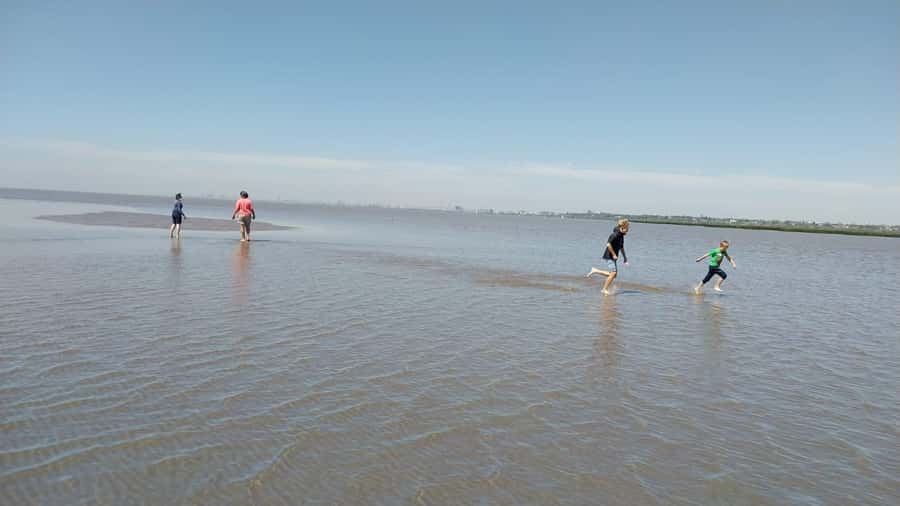
After the Arroyo Pajarito break, you continue through the Delta areas. The Delta Terra stop includes photo time and a short visit, which is important because it gives you that stretch where you can step away from the motion and look at surroundings without the wake moving everything.
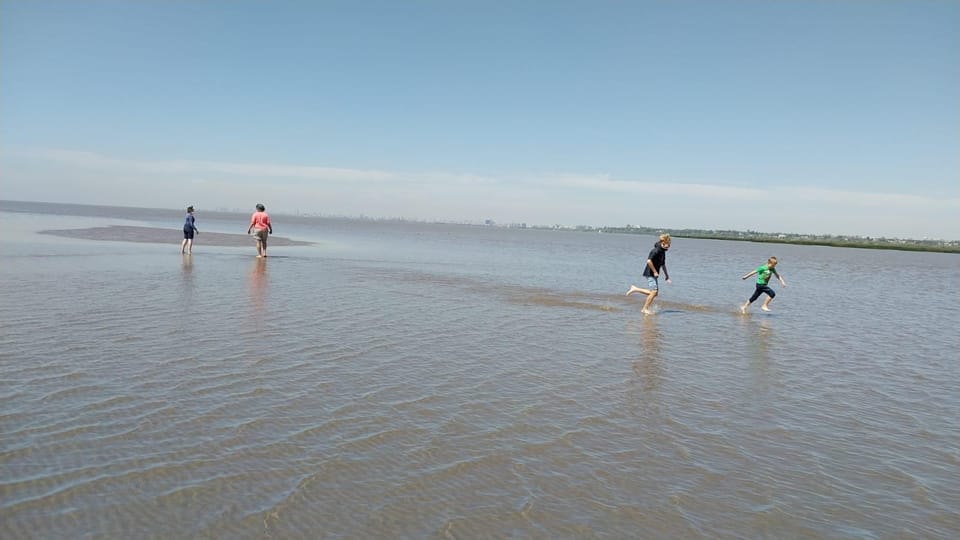
In one case, a guide and captain worked with conditions well enough to allow a memorable sandbank moment. The important point for you is not that you should expect it every time, but that the tour is set up for occasional, small on-the-water experiences when the situation allows. Ask your guide what’s possible once you’re out there.
This is also a good time to use the guide’s expertise as your “cheat sheet.” If your guide points out where certain plants grow or where birds tend to pause, you’ll start noticing details you would otherwise miss. It’s the difference between seeing water and understanding a working ecosystem.
Puerto de Frutos and the Museo de Arte de Tigre: culture between channels
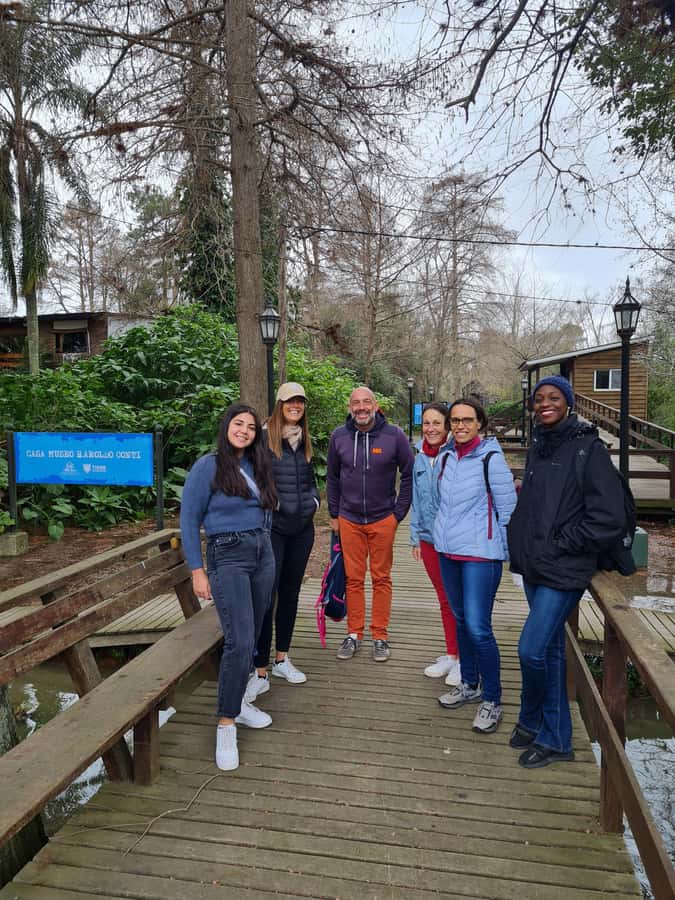
After enough water time, the day turns toward Tigre town energy. Puerto de Frutos is a market area focused on arts and crafts, and the stop is timed to let you browse without feeling like you’re trapped in a shopping errand.
This is also where I like the tour’s balance. You’re not only learning about the Delta. You’re also seeing how people live from it and around it. A market stop is a small thing, but it keeps the trip grounded.
Then you go to the Museo de Arte de Tigre. You’ll have break time and a visit with guided tour plus free time. That structure matters. The guided part helps you connect the dots, while the free time gives you control over how long you want to linger.
If you’re tired of museums, keep it simple: use the guided portion to understand the story, then decide quickly how much more you want to see. Thirty minutes is enough to make it meaningful without dragging the day.
The two route possibilities: Río de la Plata versus Paraná de las Palmas
There are two clearly described tour formats. One centers on a route to the Río de la Plata with a duration around 3 to 4 hours. The other includes navigation toward the Paraná de las Palmas, with a duration around 4 to 6 hours.
The experience you’ll get depends on which option you pick or which departure your schedule lines up with. Both are framed around the Biosphere Reserve, and both include wildlife observation and navigation through protected waters. The longer route adds more time working deeper into Delta sections.
You may also see an extra stop called Bajos del Temor on the Paraná de las Palmas route. If your choice is between the shorter and longer versions, think about what you want most:
- Choose the shorter format if you want a high-quality taste of both wetlands and Río de la Plata with less time out
- Choose the longer format if you want a bigger, more Delta-heavy sweep toward Paraná de las Palmas
Either way, the core value stays the same: a private, guided boat day that treats nature as the main topic, not background.
Wildlife watch: birds as the sure bet, bigger sightings as a bonus
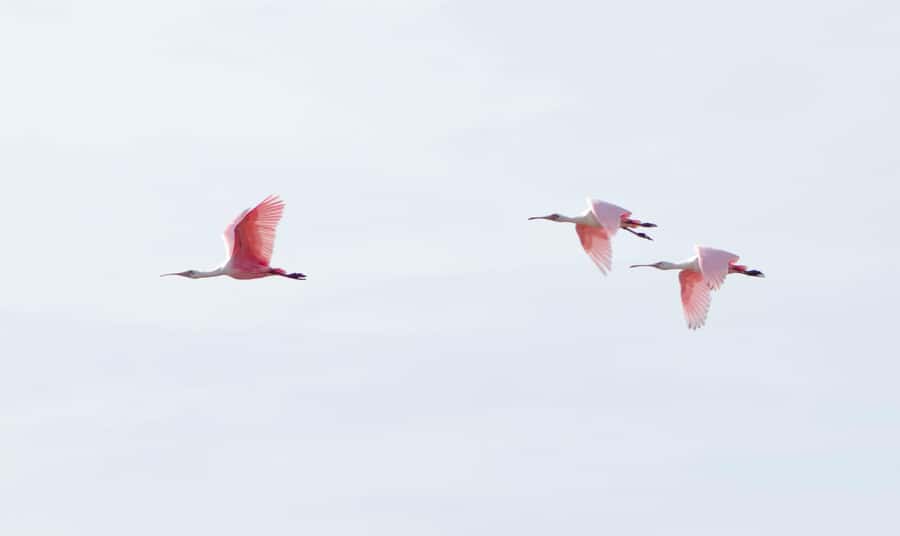
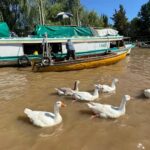
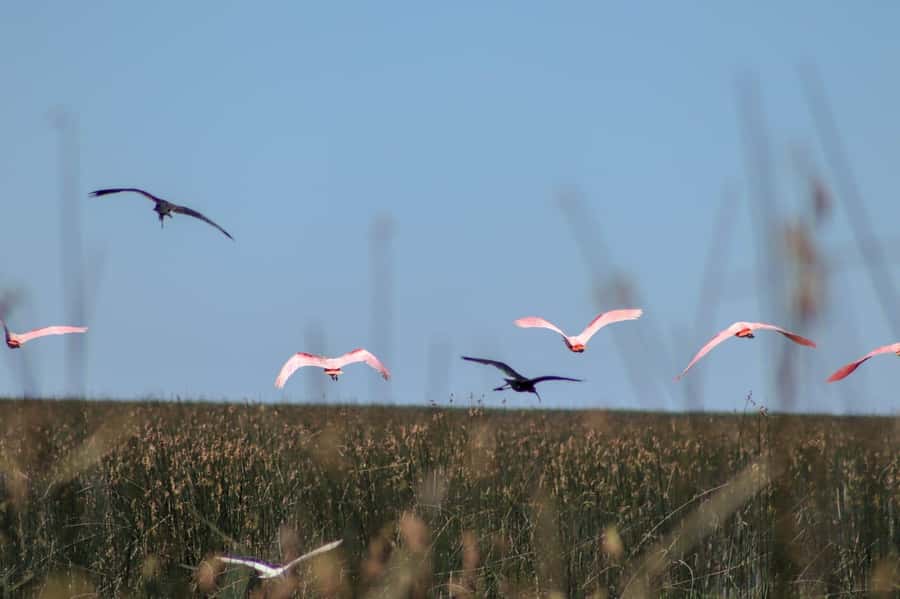
Wildlife is the headline for this trip, and the strongest theme in the provided feedback is birds. If you’re hoping for motion and color, wetlands are built for bird activity, especially when the boat moves slowly enough for you to notice.
Capybara are the big dream animal for some people. One recent outing tried to find them in a wilder area but didn’t get a sighting that time. That’s a good reality check: even with expert guidance, wildlife is wildlife.
What I’d do in your shoes:
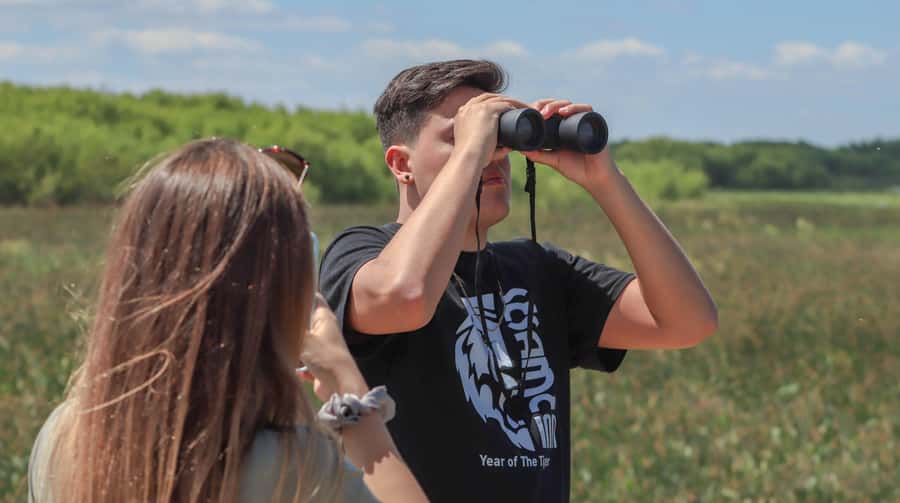
- Bring binoculars if you own them, even basic ones
- Keep your eyes up as well as on the waterline
- Follow the guide’s pointing and don’t only scan randomly
The tour’s nature talk is designed to help you read the ecosystem. Once you start understanding why certain areas attract animals, the day becomes more about skill and curiosity than luck.
Guides and captains: what makes the day feel personal
The tour is led by a live guide and a local boat captain. In multiple examples, the guide and captain described as local partners in the Delta brought enthusiasm and strong local knowledge.
Different names came up in the feedback, including Lina, Lautaro, Étienne, and Sergio. A standout element is that some captains and guides go beyond standard talking points. In one case, there was even an invitation to the team’s home after the boat portion, along with a cooking moment and explanations of plants around the house.
Now, you should treat that kind of extra warmth as a bonus, not a promise. But it does point to the type of operation this is: local people guiding you in a place where they actually live and work.
Price and value: is $150 per person worth it?
At about $150 per person, this sits in the category of a paid activity you’ll only want to do if you care about the Delta. The math gets better when you factor in what’s included: wildlife observation, a guided experience with language support, and multiple stops that mix nature and culture.
You also have a key value lever that helps justify the price: it’s a private group. Private doesn’t always mean huge luxury here, but it usually means your guide can pace the trip around your interests instead of running a one-size-fits-all script.
Finally, food and drink are part of the day at the Arroyo Pajarito break, and there’s market time plus Museo de Arte de Tigre access. You’re not paying $150 and then spending hours trying to figure out snacks and transport yourself.
If you’re on a tight schedule, the shorter format can be easier to justify. If you want the longer sweep, the extra time is what you’re paying for.
Who this is best for in Buenos Aires Province
This is the right choice if you want:
- A guided nature day instead of just cruising for views
- Wildlife focus with practical explanations about wetlands and plants
- A mix of Delta scenes and Tigre town culture stops
- A private-group pace that doesn’t feel like cattle herding
It’s also a great option for people who want something outdoorsy but not physically demanding. You’re on the water, and you can plan your effort around photos and watching.
If you dislike boat days, wind, and sun, you might prefer something more indoor or more urban. But if you’re comfortable with light outdoor exposure and you actually enjoy birding or learning how ecosystems work, this tour fits nicely.
Should you book Safari Náutico en Tigre Reserva de Biosfera?
I’d book it if your ideal day includes wetlands, birds, and a guide who explains what you’re seeing in plain language. The itinerary rhythm—nature stops, a drink-and-food break, then Puerto de Frutos and the Museo—keeps the day from becoming repetitive.
Book with an extra level of confidence if you care about getting out past the obvious tourist track and into a Biosphere Reserve system that rewards patience. And if you want to aim for the Paraná de las Palmas route, consider choosing the longer option when your schedule allows.
One last nudge: pack like you mean it. Bring sunglasses, a sun hat, sunscreen, and water. This is a sun-and-wind kind of day, and comfort makes the wildlife watching much better.
FAQ
How long is the Tigre boat tour?
The duration is listed as 270 minutes. There are also described route options that run about 3 to 4 hours for the Río de la Plata-focused segment, and about 4 to 6 hours for the Paraná de las Palmas route.
Where is the meeting point?
The meeting point is in Tigre, about 200 meters from Tigre station on the Mitre branch. You can find it on Google Maps under Safari Nautico En Tigre.
What will I see during the tour?
You’ll spend time navigating through the Biosphere Reserve Delta del Paraná area, with stops that include wetlands observations, a Río de la Plata photo stop, and wildlife and flora/fauna observation along the way. The longer format adds navigation toward the Paraná de las Palmas.
Is this a private group tour?
Yes, it’s listed as a private group. The tour also has a live guide on board.
What languages are offered?
The live tour guide is available in Spanish, English, French, and Russian.
What should I bring?
Bring sunglasses, a sun hat, sunscreen, and water.